
Katsushika Hokusai died in Edo, now Tokyo, on 10 May 1849, at about four in the morning. He was 89 by Western reckoning and 90 by the traditional Japanese count. A note by his daughter says only that he was ill and that treatment did not help.
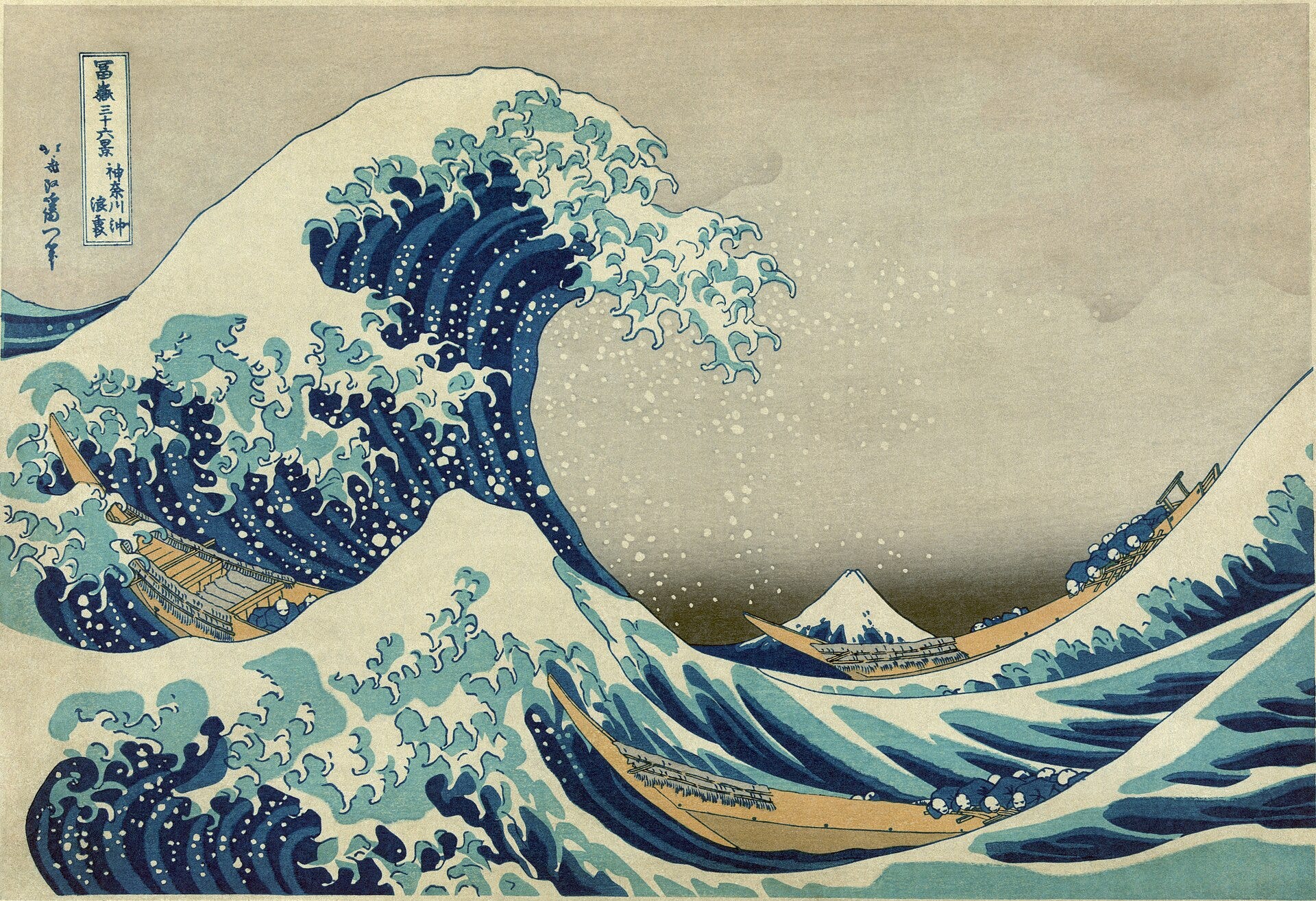
He died in a rented room in the grounds of Henjoin temple, in the Asakusa district, where he lived with his daughter Eijo, who signed her own paintings Oi. The man who made The Great Wave was still painting a few months earlier.
Cool Stories About Art is a newsletter to learn art the fun way.
Join 200,000+ readers and get:
10 new art stories / month
The entire archive of content (1,000+ articles)
Comment, ask questions, and chat with other readers
Hokusai had not planned on dying at ninety. In 1834, in the colophon to the first volume of One Hundred Views of Mount Fuji, he wrote that at ninety he would understand the essential nature of things.
The sentence quoted from his deathbed, a request for more time, usually passes for a touching last word. It also reads as a deadline missed. He had given himself dates, in print and under his own name, fifteen years before, and ninety was only the first of them.
He died at ninety by his country's count, with that understanding still ahead of him. I don't read his last request as modesty. I read it as a man who was behind schedule.
What You'll Discover
What his daughter's note says.
What he asked heaven for.
How long he meant to live.
What he signed on his last scrolls.
Who followed him to the grave.