
Emanuel Leutze's Washington Crossing the Delaware owes its fame to one bold choice: it makes a desperate gamble look like destiny. On the night of December 25, 1776, George Washington led his beaten army across an ice-choked river to surprise the enemy garrison at Trenton, New Jersey.
In 1851 Leutze turned that night into a huge canvas, more than 12 feet high and 21 feet wide, with the general standing calm in a small, crowded boat. The picture became one of the most widely reproduced images of an American historical event.
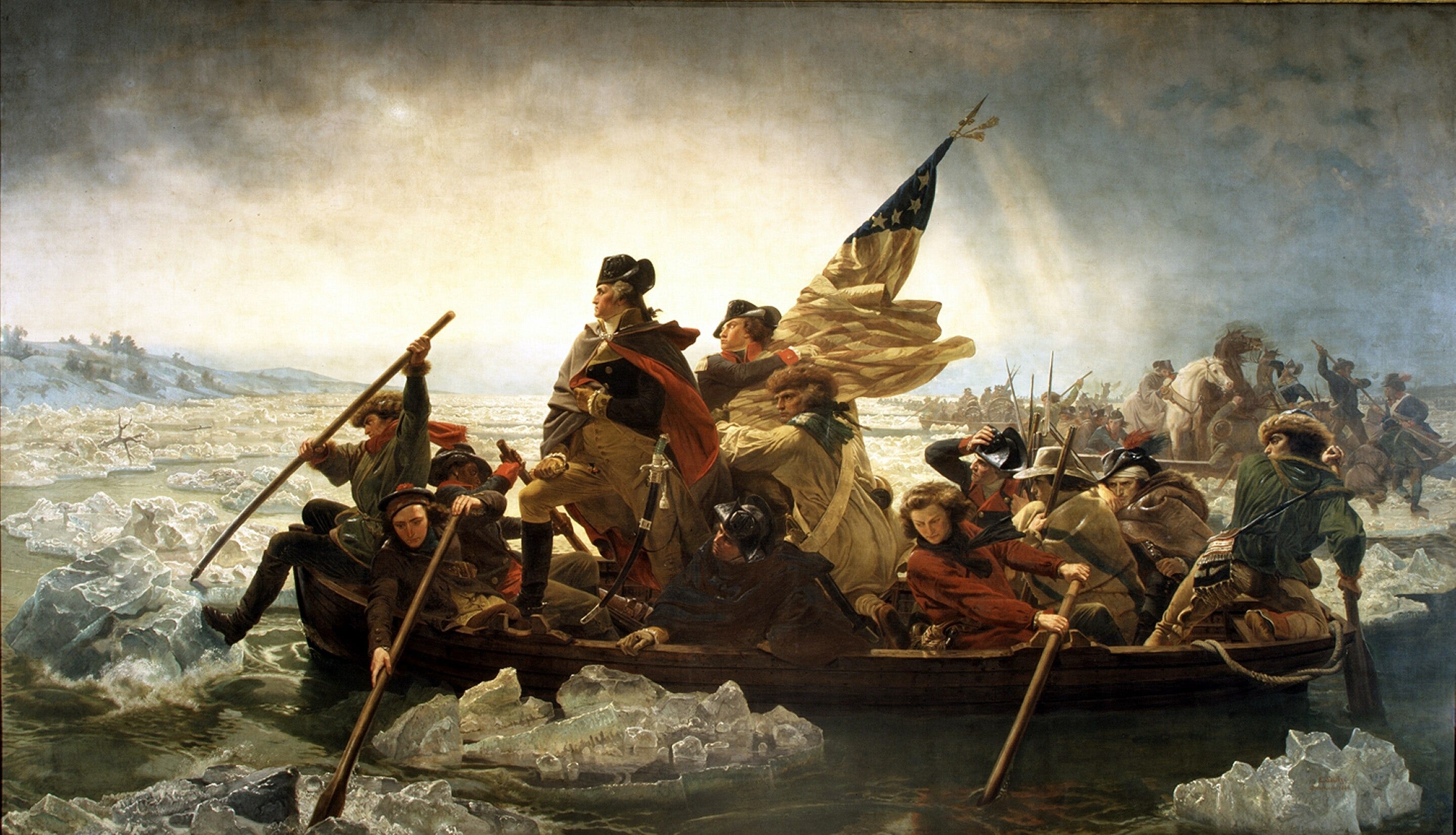
The success came at once. When the painting went on view in New York in 1851, five thousand people came in less than two weeks, and one critic called it "the grandest, most majestic, and most effective painting ever exhibited in America." It now hangs at the Metropolitan Museum of Art.
Cool Stories About Art is a newsletter to learn art the fun way.
Join 200,000+ readers and get:
10 new art stories / month
The entire archive of content (140+ articles)
Comment, ask questions, and chat with other readers
Nothing about that December looked like destiny at the time. In the fall of 1776 the American army had lost the battle of White Plains, north of New York City, and then two forts facing each other across the Hudson River, Fort Washington on Manhattan and Fort Lee in New Jersey.
Its commander had retreated across New Jersey into Pennsylvania. Only a few thousand men were left with him, many of them without shoes, and most of their enlistments ran out at the end of the year, when they would be free to go home.
His plan was to cross back over the Delaware on Christmas night and strike Trenton, which was held by the Hessians, German soldiers hired by the British. A victory would stun the enemy, capture supplies and revive morale before the army melted away.
Leutze's picture shows none of that doubt. The boat is crowded with men from across the colonies, among them a rifleman at the bow, farmers in broad-brimmed hats, a man in a Scottish bonnet and a man of African descent, all fighting the floating ice. Beside the general, Lieutenant James Monroe, the future president, holds the flag.
In the middle of them Washington stands upright in his cloak, looking ahead, his face lit by the first rays of the sun. His pose gives no sign that the plan might fail. That calm is the painter's invention, and so are several other things in the boat.
The scene was staged, and not even in America. Leutze was born in Germany and grew up in the United States, then went back in 1841 to study in Düsseldorf, a city on the Rhine with a renowned art academy. He was still living there when he painted the picture, with American art students and tourists posing as the soldiers.
That German origin became a problem near the end of World War I, when American troops were fighting Germany and anti-German feeling ran high. In 1918 a newspaper claimed that Leutze had known nothing of American history and that the men in the boat were in fact German soldiers.
A St. Louis paper, the Globe-Democrat, went as far as renaming the painting "Washington crossing the Rhine."
Who stood in the boat
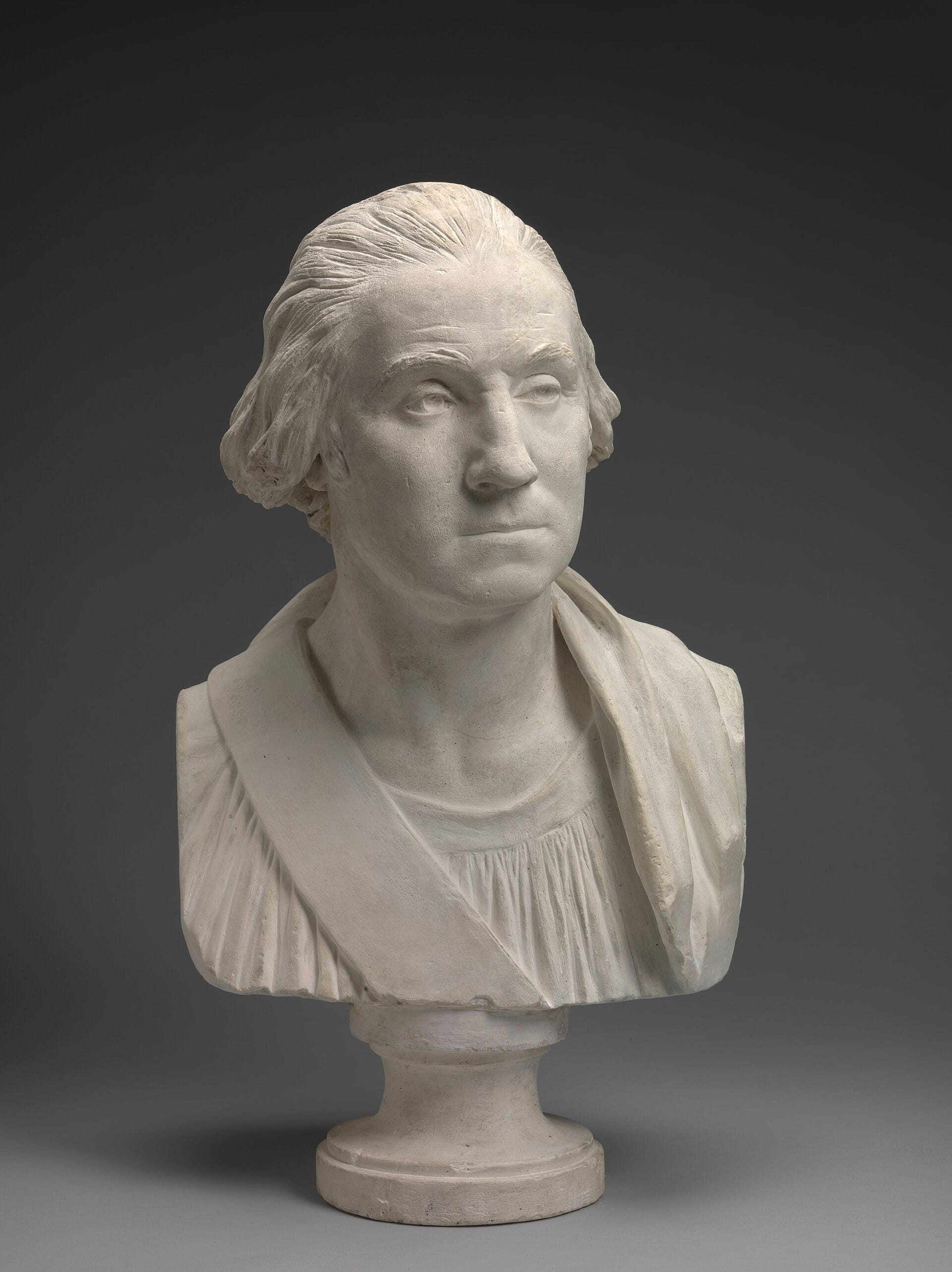
The Washington in the cloak was not one man but several, put together in Leutze's studio. The main model was a young American who had crossed the Atlantic to learn landscape painting.
What You'll Discover
Which river runs behind the boat.
What the real night looked like.
What happened to the first two versions.
Where the third version ended up.