170 000+ readers. Learn art the fun way.
This is a preview. Paid subscribers get the full story.
You’ll also get:
10 new stories every month
The full archive (130+ Art stories)
Your personal art guide. Comment, ask questions, DM me anytime
iPhone user? Subscribe at coolstoriesabout.art, not via the app. Apple adds 30% to the price.
1 | Pablo Picasso — The comrade nobody knew what to do with
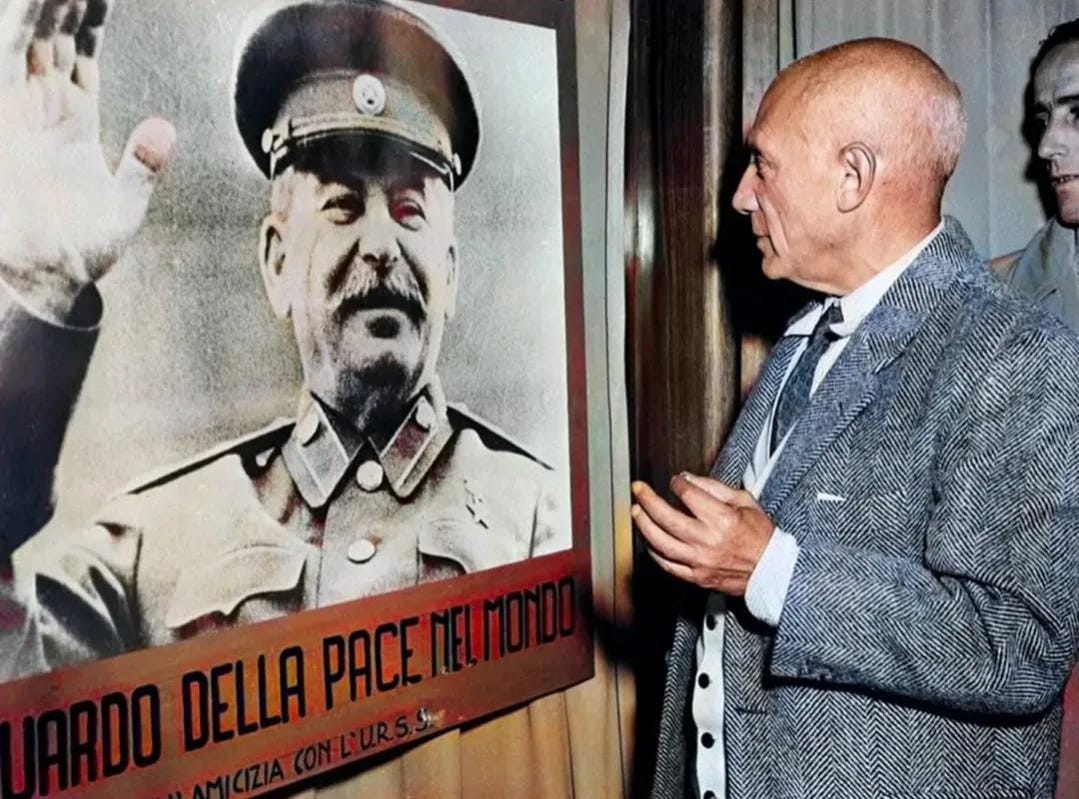
In October 1944, Paris had been liberated for two months. Picasso was 63 years old, the most famous living artist in the world, and he publicly announced he was joining the French Communist Party.
What most articles leave out is that the party’s leadership found his painting unreadable and incompatible with the Soviet aesthetic they imposed on their artists.
He funded the party, lent his name to its campaigns, and received the Lenin Prize in 1962. In 1953, when Stalin died, he published a portrait of the dictator in the party’s newspaper, drawn in his own style: a youthful face, loose lines, nothing solemn.
The PCF’s secretariat was furious. Militants called for his head. Picasso did not apologize. He remained a member until his death in 1973.
2 | Gustave Courbet — The bill he never paid
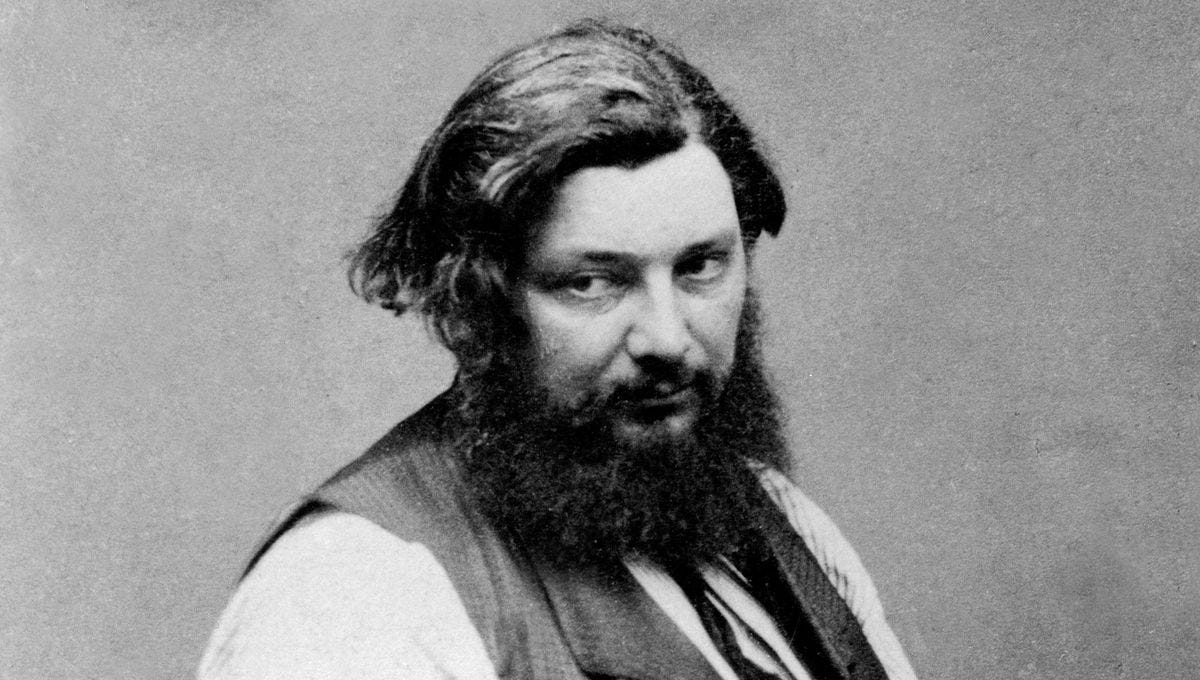
Courbet hid nothing. A republican with anarchist sympathies, he refused the Legion of Honor in 1870, France’s highest distinction, on the grounds that a reward from an imperial regime was worthless. The following year, Paris rose up against the central government in an insurrection known as the Paris Commune.
Courbet was elected to the municipal council and took charge of the Federation of Artists, the equivalent of an improvised ministry of culture. In his paintings, peasants, quarrymen and wrestlers became legitimate subjects of great art, replacing gods and generals.
On 16 May 1871, a large commemorative column on the Place Vendôme, symbol of Napoleonic militarism, was toppled by the insurgents. Courbet had been part of the discussions but had not given the order.
No matter: when the army crushed the Commune, he was convicted and ordered to pay the reconstruction costs out of his own pocket, a sum equivalent to several million dollars today.
He fled to Switzerland to avoid having his assets seized. He died there in 1877, before making a single payment.
Discover my new newsletter !

Free, every week, no homework


3 | Käthe Kollwitz — The woman the Nazis silenced but never dared arrest
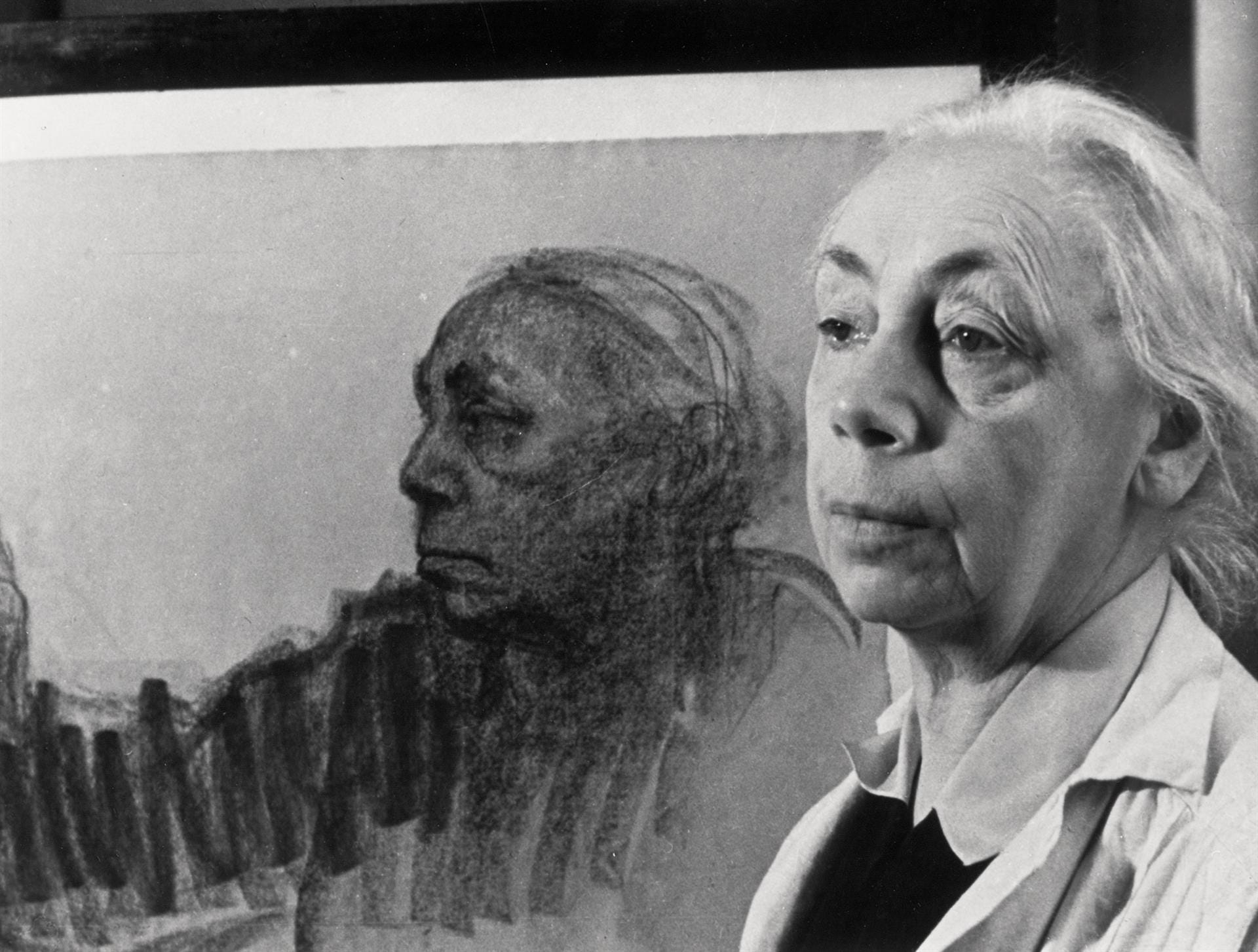
Käthe Kollwitz is a German artist whose name remains little known outside Europe, but whose work is immediately recognizable: grieving mothers, exhausted workers, bodies bent under poverty. She joined the SPD, the German Social Democratic Party, and stayed for life.
Her commitment shows more clearly in each print than in any speech she ever gave.
When Hitler came to power in 1933, she was expelled from the Prussian Academy of Arts, lost her studio and her right to exhibit publicly. She stayed in Berlin and refused exile. The Nazis did not arrest her: she was too well known abroad and her arrest would have drawn unwanted attention.
Her son had been killed in World War One. Her grandson died in World War Two. She passed away in April 1945, a few weeks before Germany surrendered.
4 | William Morris — The most expensive artist in London fought for the poor
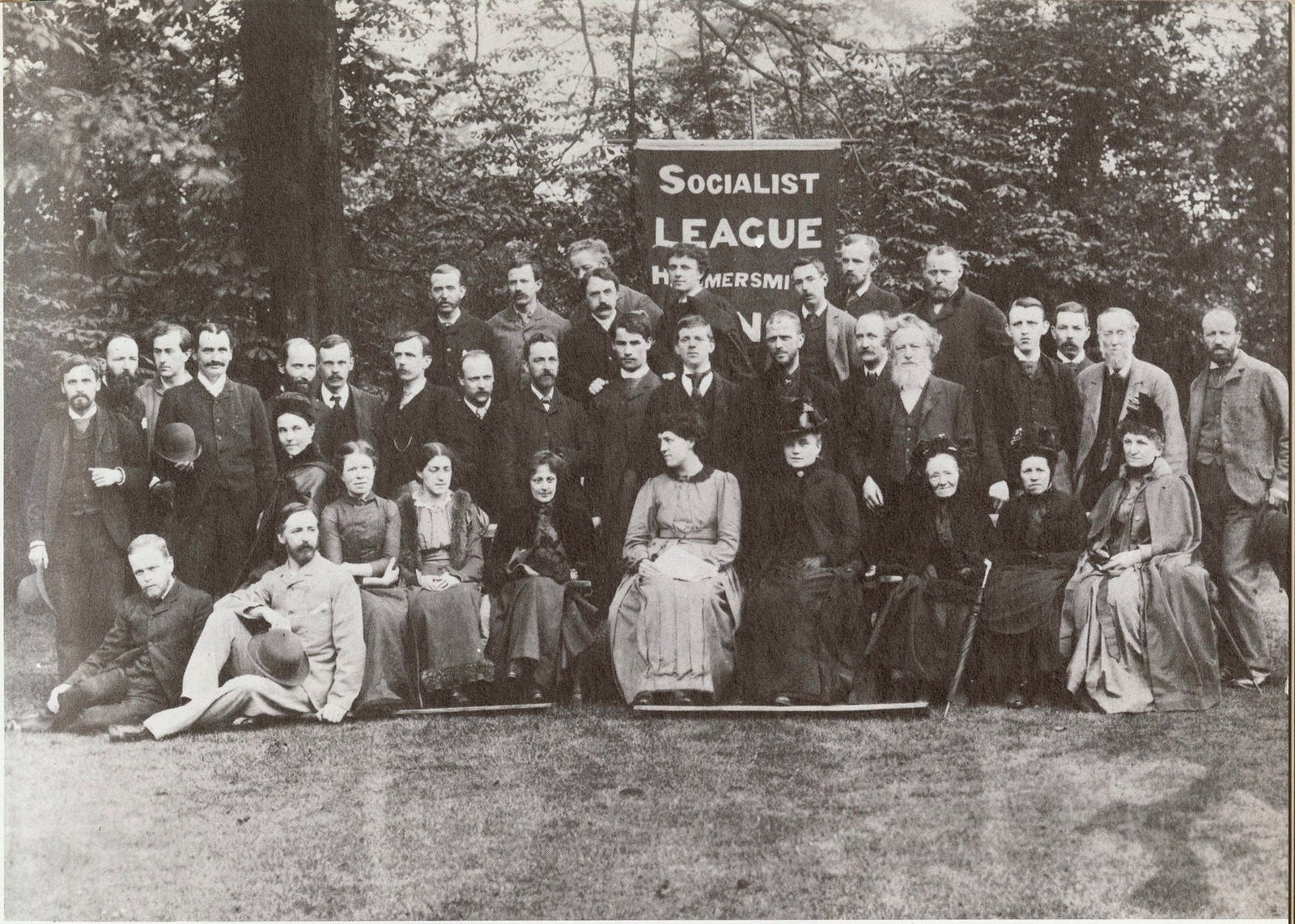
William Morris was one of the most successful artists of Victorian England. His wallpapers decorated the homes of the London bourgeoisie. Each roll cost the equivalent of a month’s working-class wage. In 1883, at 49, he joined the Social Democratic Federation.
The following year, he co-founded the Socialist League with Eleanor Marx, Karl’s daughter.
He preached in the streets of London, was arrested at demonstrations and paid fines for disturbing the peace. What he argued was straightforward: private property should disappear, work should become a source of dignity again, and art should be accessible to everyone.
He acknowledged the contradiction without trying to resolve it. His utopian novel News from Nowhere, published in 1890, describes a socialist England where craftsmanship has replaced industry.
5 | Frida Kahlo — The last outing