

170 000+ readers. Learn art the fun way.
This is a preview. Paid subscribers get the full story.
You’ll also get:
10 new stories every month
The full archive (130+ Art stories)
Your personal art guide. Comment, ask questions, DM me anytime
iPhone user? Subscribe at coolstoriesabout.art, not via the app. Apple adds 30% to the price.
Adolf closes the door of the administrative office. His worn soles echo in the corridor of the Academy of Fine Arts. He clutches the paper in his left hand, no longer looks at it.
No need. The words are engraved: Nicht zur Prüfung zugelassen (Not admitted to the examination). His application has been rejected outright, deemed insufficient.
Vienna, October 1908. He is 19 years old. This is his second refusal. The last one the regulations permit.
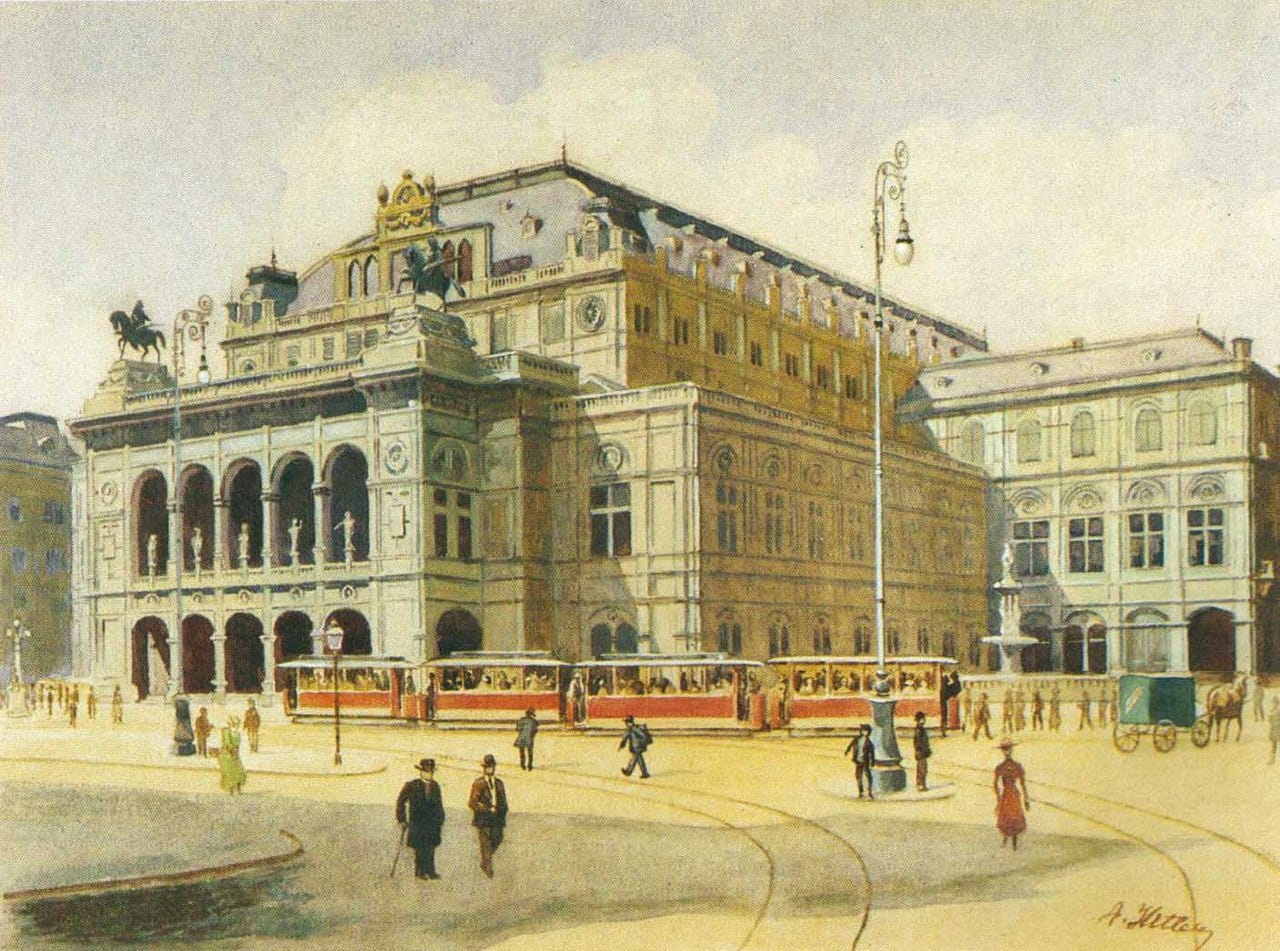
He descends the steps, exits into the street. Walks without destination through the avenues of the Ringstrasse. The Burgtheater passes by, then the Parliament, then the Opera. These monuments he has admired since childhood, which he has drawn a hundred times.
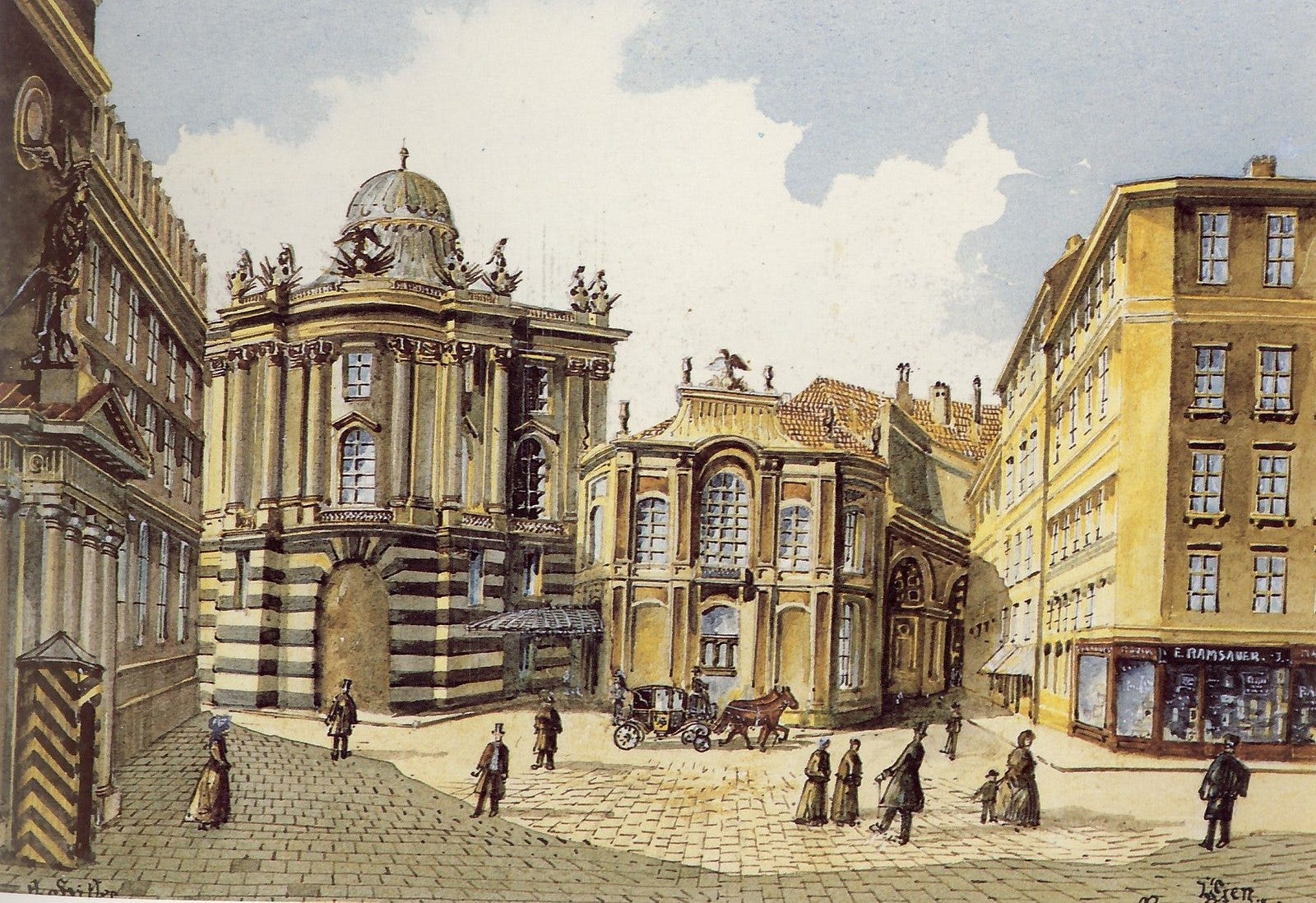
Adolf knows every column, every pediment, every ornament. His watercolours reproduce these buildings in the minutest detail. Rigorous perspectives, exact proportions, stones meticulously rendered. But the examiners want none of them.
Last year already, they noted his weaknesses. Too few human figures. Lack of anatomical mastery. He cannot draw bodies, only façades.
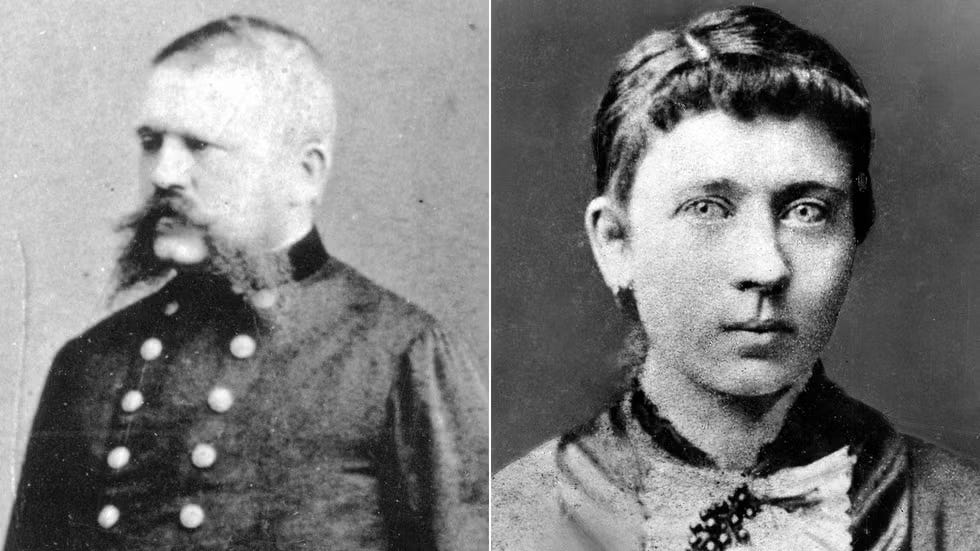
His father was perhaps right. Alois Hitler, former customs officer who died 5 years earlier, wanted to make his son a civil servant. Adolf obstinately refused, preferring to scribble sketches in the margins of his notebooks.
His results plummeted brutally upon entering the secondary school in Linz. His father would strike him. Adolf would take it without crying out. In the kitchen, his mother Klara would console him. She is 23 years younger than her husband, gentle and loving.
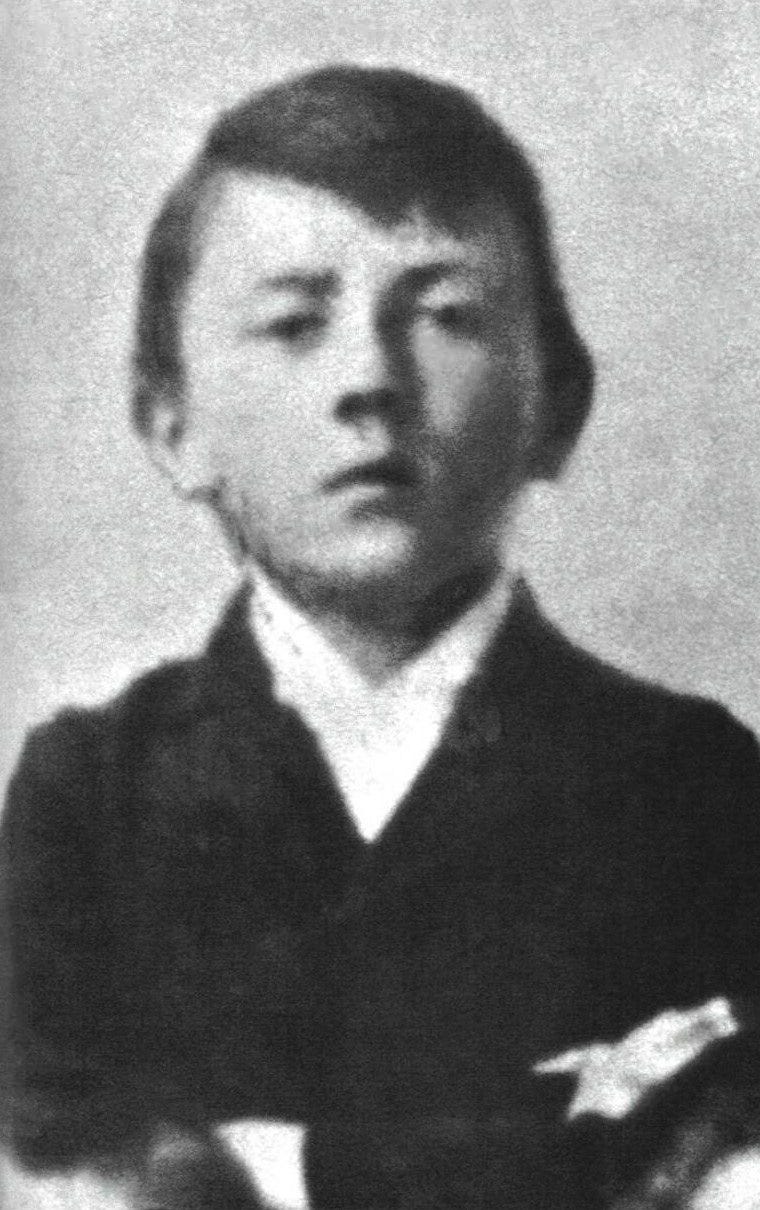
The boy devours art books, dreams before the watercolours of Rudolf von Alt, those meticulous views of Vienna. He wants to study architecture, paint monuments.
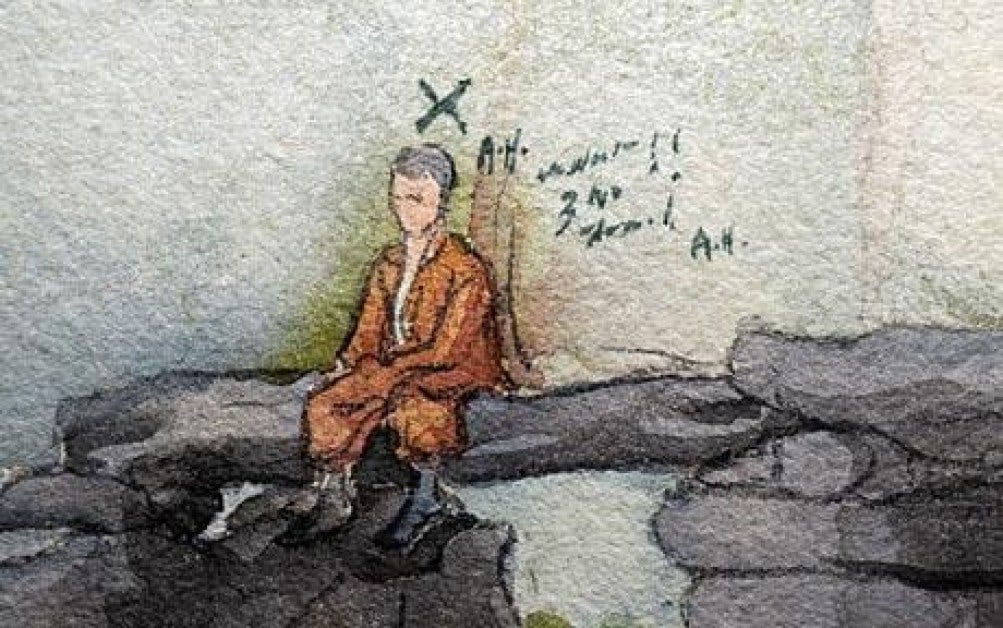
Klara financed a fortnight’s stay in the capital despite the family’s limited means. Adolf discovers the imperial metropolis at the beginning of May 1906. Dazzled. He walks the Ringstrasse for hours, admires the sumptuous façades of public buildings, visits museums, attends Tristan und Isolde at the Opera.
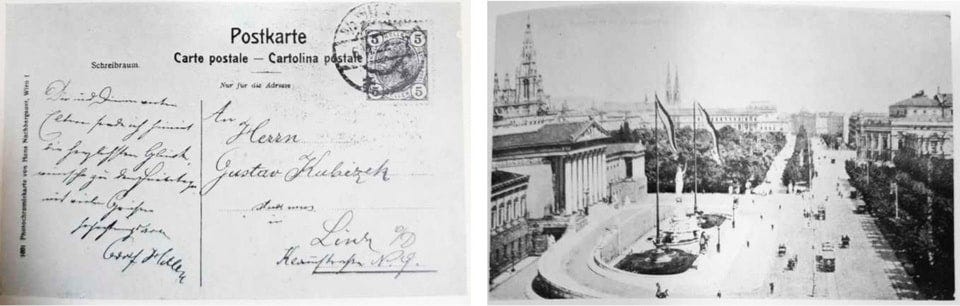
On 8 May, he writes to August Kubizek, his best friend who remained in Linz. Describes the monumental architecture, the magnificence of the Opera’s interior hall.
Keep learning art the fun way


Back in the provinces, Adolf has but one obsession: joining the Academy of Fine Arts in Vienna. The Holy of Holies. The institution that trains the elite of the Austro-Hungarian Empire. Reputed to be conservative, attached to classical canons, to historicism.
Exactly what Adolf admires. Whilst Klimt and the moderns shatter academic codes, he remains faithful to the masters of the past. Klimt exhibits his gilded canvases, Schiele his tormented portraits. Adolf, for his part, wants to faithfully reproduce the Pantheon or the fountains of Schönbrunn in a rigorous academic style.
In September 1907, Klara is already ill. The breast cancer diagnosed a few months earlier is incurable. She nevertheless encourages her son to leave for Vienna. Adolf settles into a modest room, feverishly prepares for the examination.
That year, out of 113 candidates, the jury retains only 78 for the main tests. Adolf passes this pre-selection. On 1 and 2 October, drawing tests in the studio. Imposed compositions on biblical or historical themes. Two sessions of 3 hours. He applies himself.
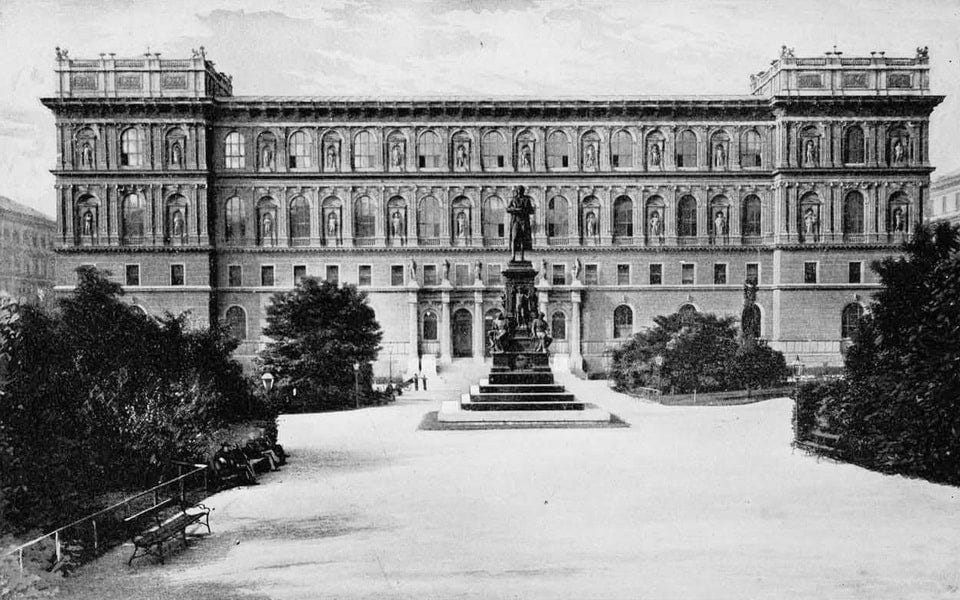
The verdict falls a few days later. Insufficient. His sketches contain too few heads. Gaps in anatomical drawing are prohibitive. The director Christian Griepenkerl advises him: orient yourself rather towards architecture.
He informs no one of his failure. Neither his sick mother. Nor Kubizek. Conceals the truth. He returns to Linz at the beginning of October. Klara is dying. Dr Eduard Bloch, family physician of Jewish origin, attempts treatment with iodoform.
The flat reeks of this sickly sweet and nauseating antiseptic with which necrotic wounds are swabbed. Without success. Adolf watches over his mother daily for more than 2 months, watches her suffer atrociously. On 21 December 1907, she expires at 47 in the arms of her children.
Adolf collapses. Weeps hot tears before the deathbed. This is more than an emotional tragedy. Klara leaves the Hitler orphans in a precarious financial situation. Adolf organises the funeral, handles the formalities. A modest life insurance. A few savings.
After this painful winter spent in Linz, Adolf decides to return to Vienna. He writes to August Kubizek, convinces him to join him, proposes sharing his room. On 22 February 1908, August arrives by train. Adolf waits for him on the platform.
Smiling. They move in together on Stumpergasse. 20 crowns per month rent. A cramped attic room in the back courtyard, poorly ventilated, lit by oil lamp, infested with bedbugs.
The cohabitation functions harmoniously. Kubizek enrols at the music conservatory, studies viola and conducting. He goes to his lessons every morning, works assiduously on his score in the evening, dreams of becoming a conductor.
Adolf claims to attend classes at the Academy of Fine Arts. Complete lie. He says nothing of his failure the previous year. August, absorbed by his musical studies, suspects nothing.
Discover my new newsletter !
