
Most carols did not reach December in the form their makers gave them. The words and the tune often go back to two people who never met, sometimes a century apart, and more than one started life as a song for another season. Several also carry a legend that is repeated every year, though no document supports it.
Cool Stories About Art is a newsletter to learn art the fun way.
Join 200,000+ readers and get:
10 new art stories / month
The entire archive of content (140+ articles)
Comment, ask questions, and chat with other readers
Where Carols Began
A carol was first a dance. In medieval England and France, the word meant a round in which the dancers sang a refrain together, and the religious carols that followed told the feast in everyday speech rather than in the Latin of the church. The first printed collection of them in English appeared in 1521.
The oldest carol cannot be named with certainty, and a fragment from about 1410 is only one candidate. The tradition also had its interruptions. In the 1640s and 1650s, under the Puritans, Christmas festivities were banned in England, and carols returned in force only in the 19th century, when collectors printed the old ones and writers produced new ones.
The songs chosen here have a known author or a known first printing, and a history that can be followed from start to finish. For most of them, the words and the tune were made separately, often by people who never met, and several started out as songs for another season.
12. I Heard the Bells on Christmas Day (1864)
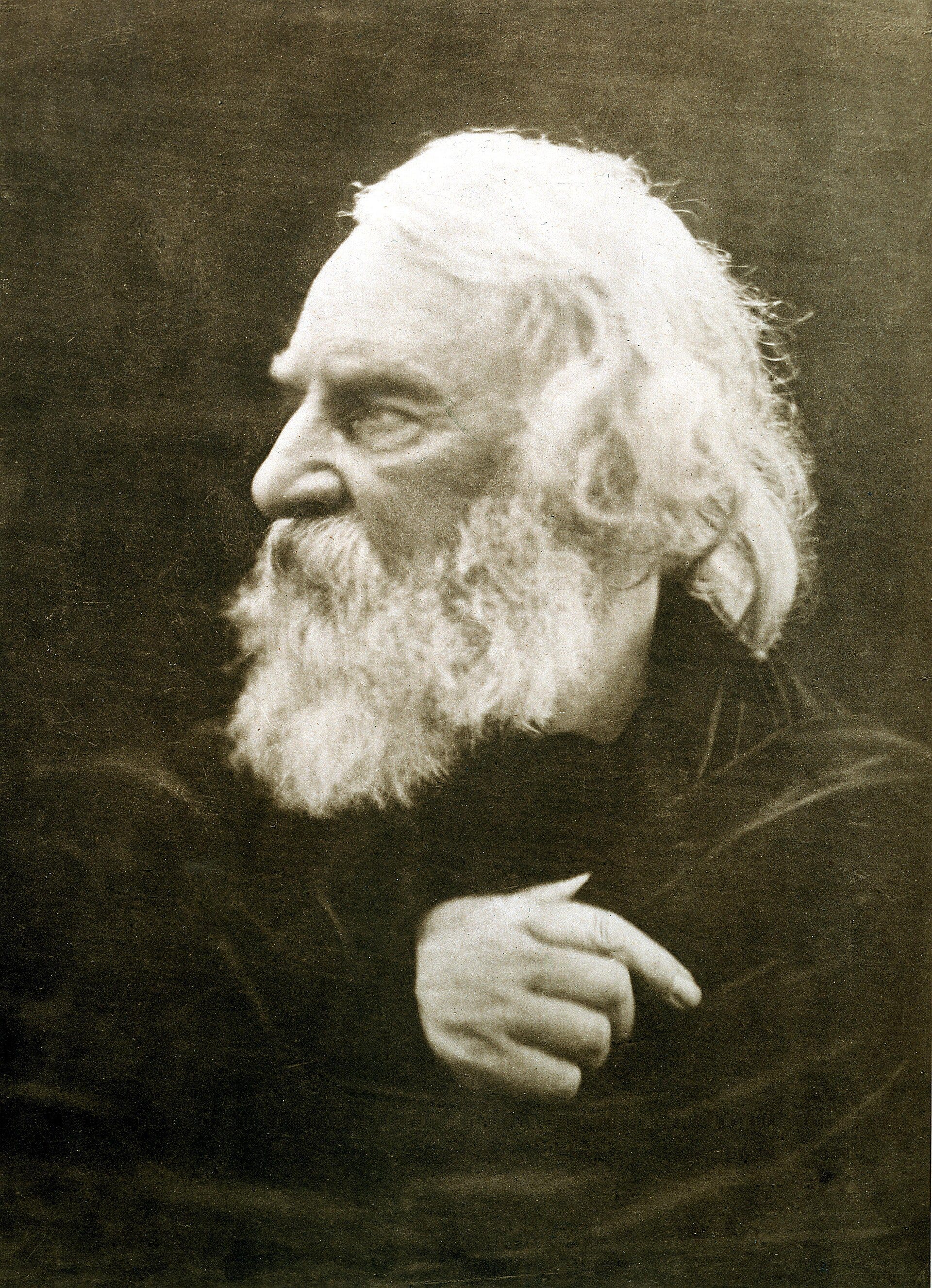
Two stanzas of this carol are almost never sung. In one, cannon thunder "in the South" and drown out the carols. In the other, the din shakes "the hearth-stones of a continent," as an earthquake would. Both belong to the poem as Henry Wadsworth Longfellow first wrote it, in Massachusetts, while the American Civil War was still being fought.
The war reached a house already in mourning. Longfellow's wife, Fanny, had died in July 1861 after an accidental fire, and at the first Christmas without her he wrote in his journal: "How inexpressibly sad are all holidays!"
Two years later it reached his son. In March 1863 Charley Longfellow, eighteen, ran away to enlist in the Union army, first in the artillery, then as a lieutenant in the cavalry. On November 27, 1863, during the Mine Run campaign, a bullet entered his left shoulder and came out under his right shoulder blade, and his father traveled to Washington to bring him home.
The poem, which Longfellow called Christmas Bells, grew out of those months. Many accounts date it to Christmas Day 1863, while his grandson, Harry Dana, placed it a year later, on Christmas Day 1864.
Its turning point is the sixth stanza, where the poet bows his head in despair and says, "There is no peace on earth." In the last stanza the bells ring out that God is not dead and that right will prevail.
When the poem was set to music, from the 1870s on, the two war stanzas were almost always cut. The carol kept the line "There is no peace on earth" and lost the cannon that came just before it.
At a Glance
Words: Henry Wadsworth Longfellow (1807 to 1882)
Music: The hymn tune "Waltham" (1870s), and a 1956 setting by Johnny Marks (1909 to 1985)
Written: Cambridge, Massachusetts, 1864
Form: Christmas poem, later a carol
Length: About 3 minutes
Where you've heard it: Bing Crosby's recording of the Johnny Marks setting
About This Carol
What's the story behind I Heard the Bells on Christmas Day?
It began as Longfellow's poem Christmas Bells, published in February 1865 in Our Young Folks, a magazine for children, with its two war stanzas still in place.
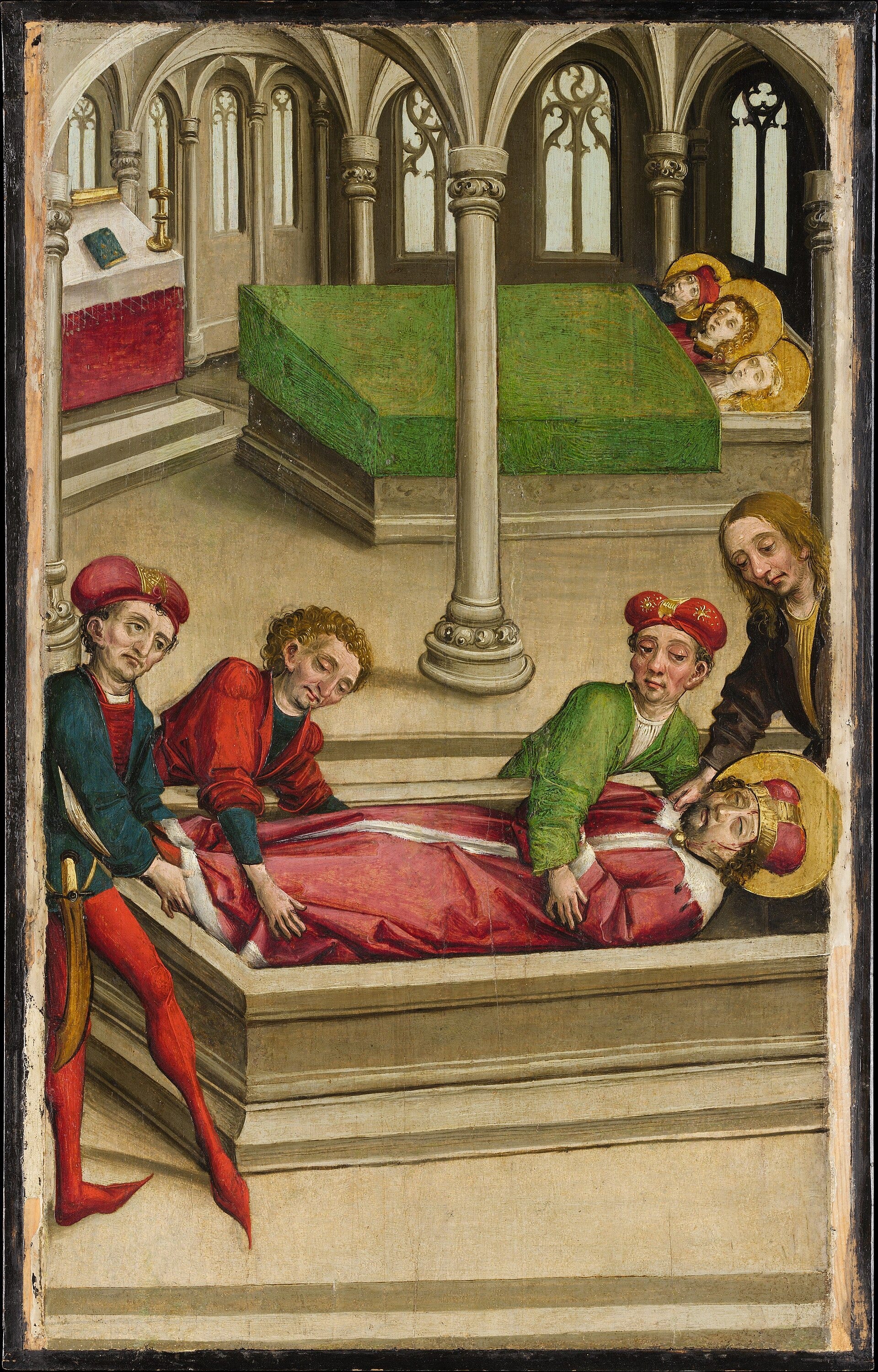
11. Good King Wenceslas (1853)
In the carol, a king looks out on the Feast of Stephen, sees a poor man gathering firewood in the snow, and walks out into the cold with meat, wine and pine logs for him, his page stepping in his footprints. The man behind the song was never a king while he lived. He was a duke, and he did not die of old age. His own brother had him killed.