
Snow falls without a sound, and cold has no melody of its own. A composer who wants winter in the music has to invent what it sounds like, and the inventions run from strings that shiver in a London theater in 1691 to a symphony about the Antarctic that began as music for a film its composer had not yet seen.
Cool Stories About Art is a newsletter to learn art the fun way.
Join 200,000+ readers and get:
10 new art stories / month
The entire archive of content (140+ articles)
Comment, ask questions, and chat with other readers
How Composers Made Cold Audible
Cold makes no noise of its own, so composers borrowed the noises people make when they are cold: teeth that chatter, feet that stamp, a voice that trembles. Later came the gallop of a sleigh, the long glide of a waltz for skaters and, in the 20th century, a machine built to imitate the wind.
Winter also had a fixed place in a larger plan. A composer who laid out the whole year as four seasons could open with it or close the year on it, and on the stage, snow and ice found their way into ballets and operas.
Every piece chosen takes cold, snow or ice as its subject, in its title or in its story. Christmas music was left aside as a subject of its own, and so was anything too recent for its history to be settled.
12. Erich Wolfgang Korngold, Der Schneemann (1908 to 1910)
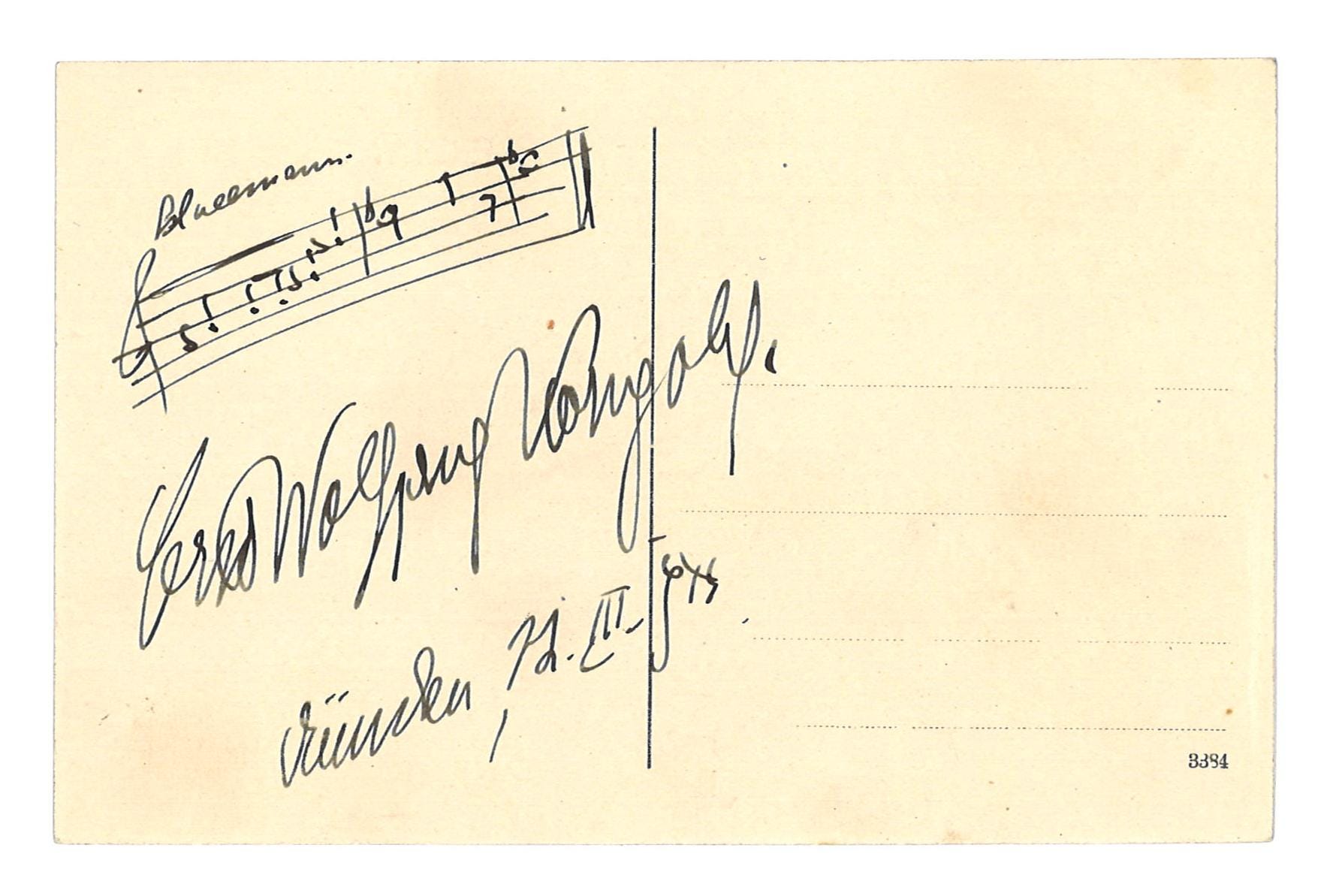
On March 12, 1914, a young composer in Vienna turned over a postcard printed with his own portrait and wrote out a few bars of music above his signature. Erich Wolfgang Korngold was then a teenager, and the bars came from the work that had made his name, Der Schneemann, The Snowman, a ballet he had begun at the age of eleven.
The ballet is a winter farce played by the old stock characters of Italian comedy. Children build a snowman under Columbine's window, and Pierrot, who loves her, takes its place in disguise and stands in the cold. Pantaloon, who is drunk, sees several snowmen at once and falls asleep, and the lovers slip away. When he wakes, the real snowman is back in its place, and Pantaloon smashes it to pieces.
Korngold wrote the music first for piano, in 1908 and 1909, and it was his father who carried it into the world. Julius Korngold was the music critic of the Vienna daily Neue Freie Presse, where he had succeeded the famous Eduard Hanslick, and he paid to have the score printed and sent copies to musicians who mattered.
Those musicians already knew the boy. Gustav Mahler had heard an earlier cantata by him, had called him a genius and had sent him to study with the composer Alexander Zemlinsky. Once The Snowman was in print, Richard Strauss and Giacomo Puccini praised it as well.
The orchestra was the one step the boy did not yet feel ready to take, so his teacher Zemlinsky orchestrated the ballet for him. A first version, for piano duet and violin, was danced on April 14, 1910, at a reception in a ministry palace in Vienna, by dancers from the Imperial Ballet.
That autumn, on October 4, 1910, The Snowman reached the stage of the Vienna Court Opera, and it was a complete success. Its composer was thirteen years old.
At a Glance
Composer: Erich Wolfgang Korngold (1897 to 1957)
Written: 1908 to 1909 as a piano score, Vienna, orchestrated by Alexander Zemlinsky in 1910
Form: Pantomime ballet in two scenes
Length: About 40 minutes
11. Henry Purcell, The Cold Song from King Arthur (1691)
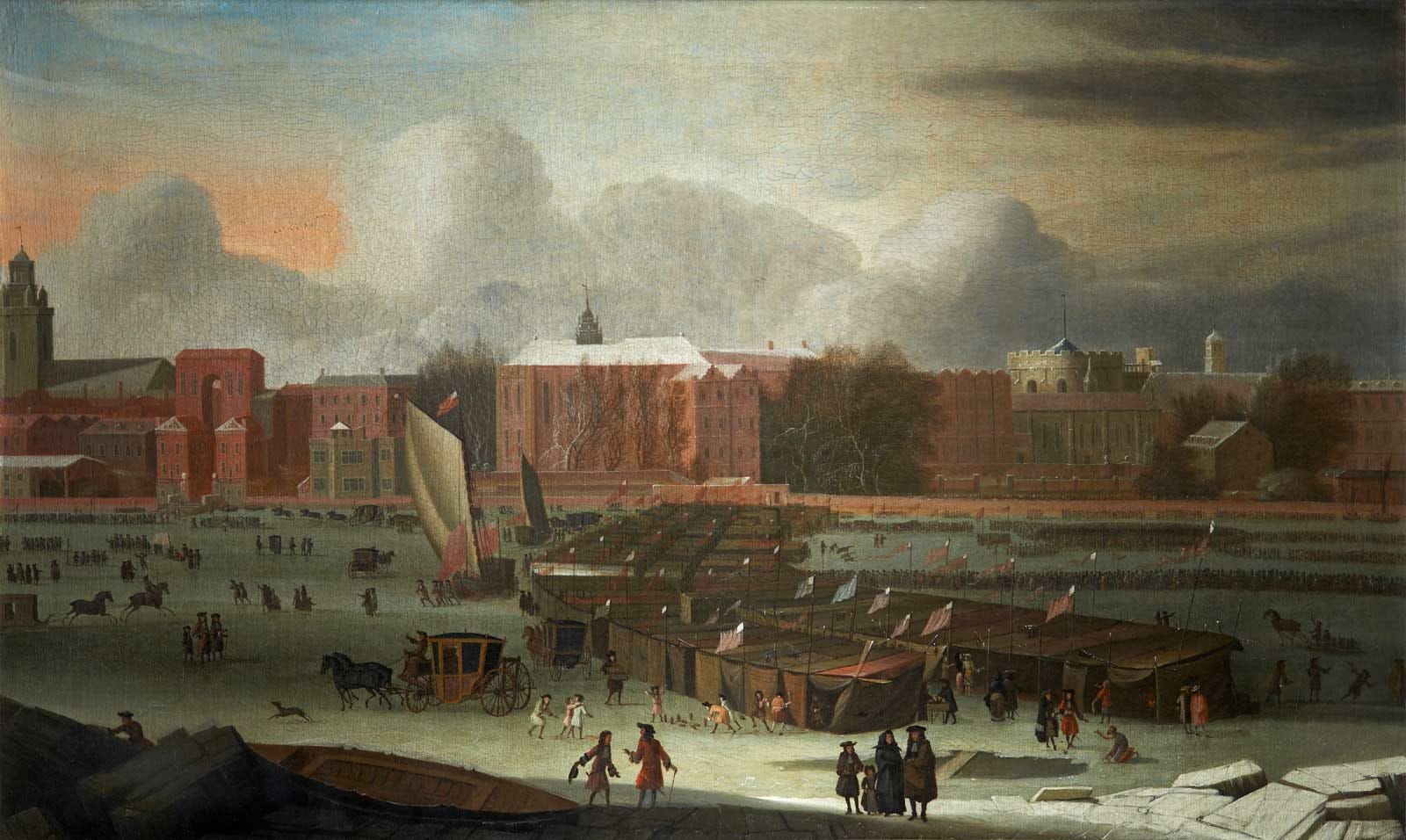
Tents and wooden booths stand in rows on the Thames, and crowds of Londoners move between them on the ice, with the city along the bank behind them. In the winter of 1684 the river froze so hard that a whole fair was held on it. Seven years later, in a London theater, a frozen spirit was roused from the snow and begged, in song, to be allowed to freeze to death again.