
Damien Hirst is a British artist, born in Bristol in 1965, famous for putting dead animals in glass tanks of formaldehyde. His tiger shark of 1991 made him the best-known artist of his generation. He also made a platinum skull covered in 8,601 diamonds and more than 1,000 spot paintings, most painted by assistants, and in 2008 he sold 218 new works at auction for 111 million pounds.
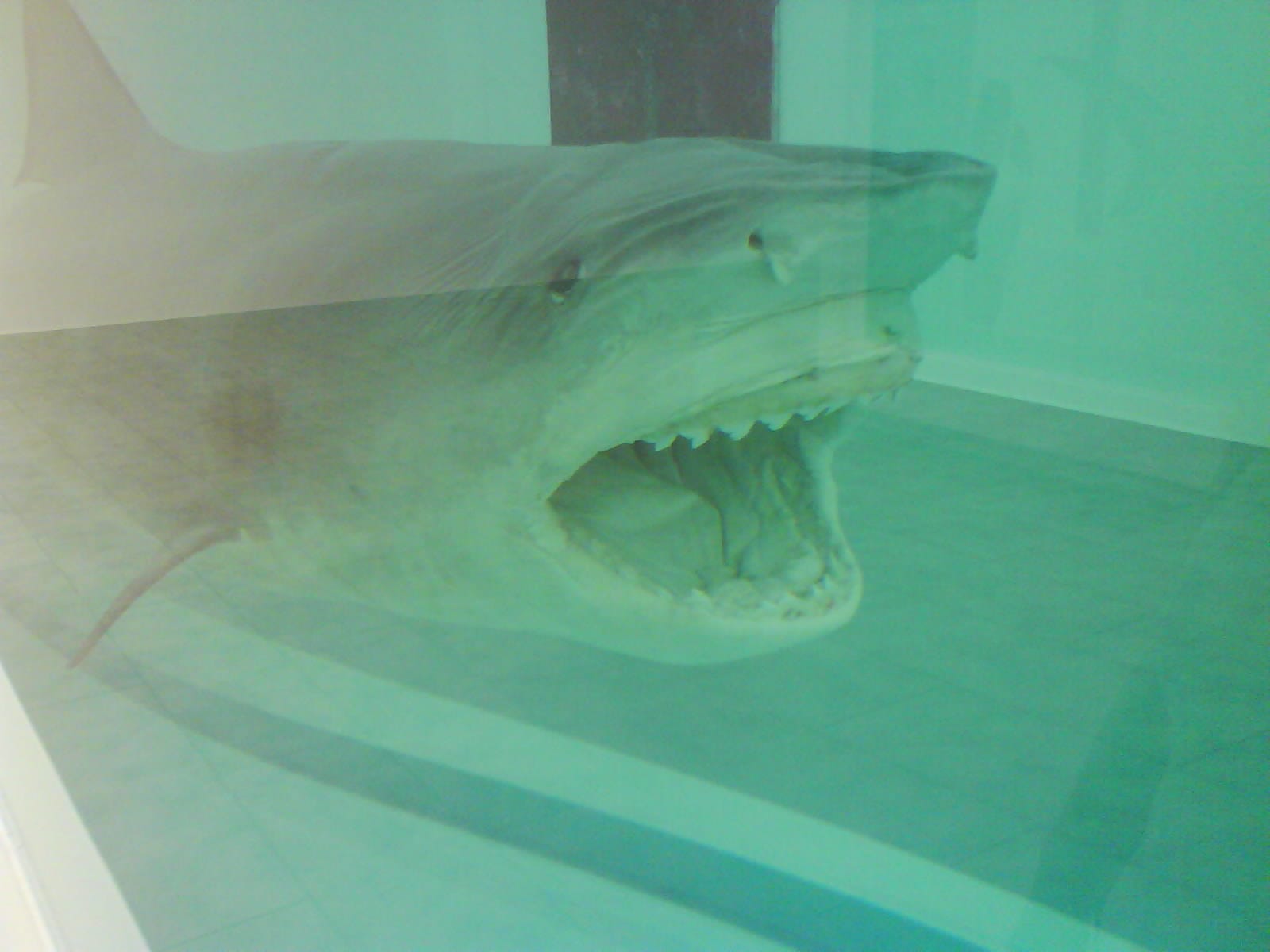
The shark is called The Physical Impossibility of Death in the Mind of Someone Living. Hirst did not catch it, build the tank or pay for either. He ordered the animal from a fisherman in Australia, with someone else's money. That is where the argument about him starts.
Cool Stories About Art is a newsletter to learn art the fun way.
Join 200,000+ readers and get:
10 new art stories / month
The entire archive of content (140+ articles)
Comment, ask questions, and chat with other readers
Since 1991 the shark has been the picture people carry of Damien Hirst, and the animal in the tank today is not the one he ordered. A fisherman off the coast of Queensland caught the first one. Within a few years it was rotting.
Nobody could say whether that mattered. If a work of art is an idea, a new animal is the same work. If it is an object, the first shark was the work, and it was gone. Hirst gave his answer when the new shark went into the tank, and the answer says a great deal about how he works.
The same question follows almost everything he sold afterwards, from a skull of diamonds to spot paintings that other people painted. Some of those stories are cleaner than the legend. Others are messier.
What You'll Discover
Who paid for the shark.
What happened to the first shark.
Who really paints the spots.
What the diamond skull really sold for.
Why the Sotheby's sale was a gamble.
Where to see Hirst today.