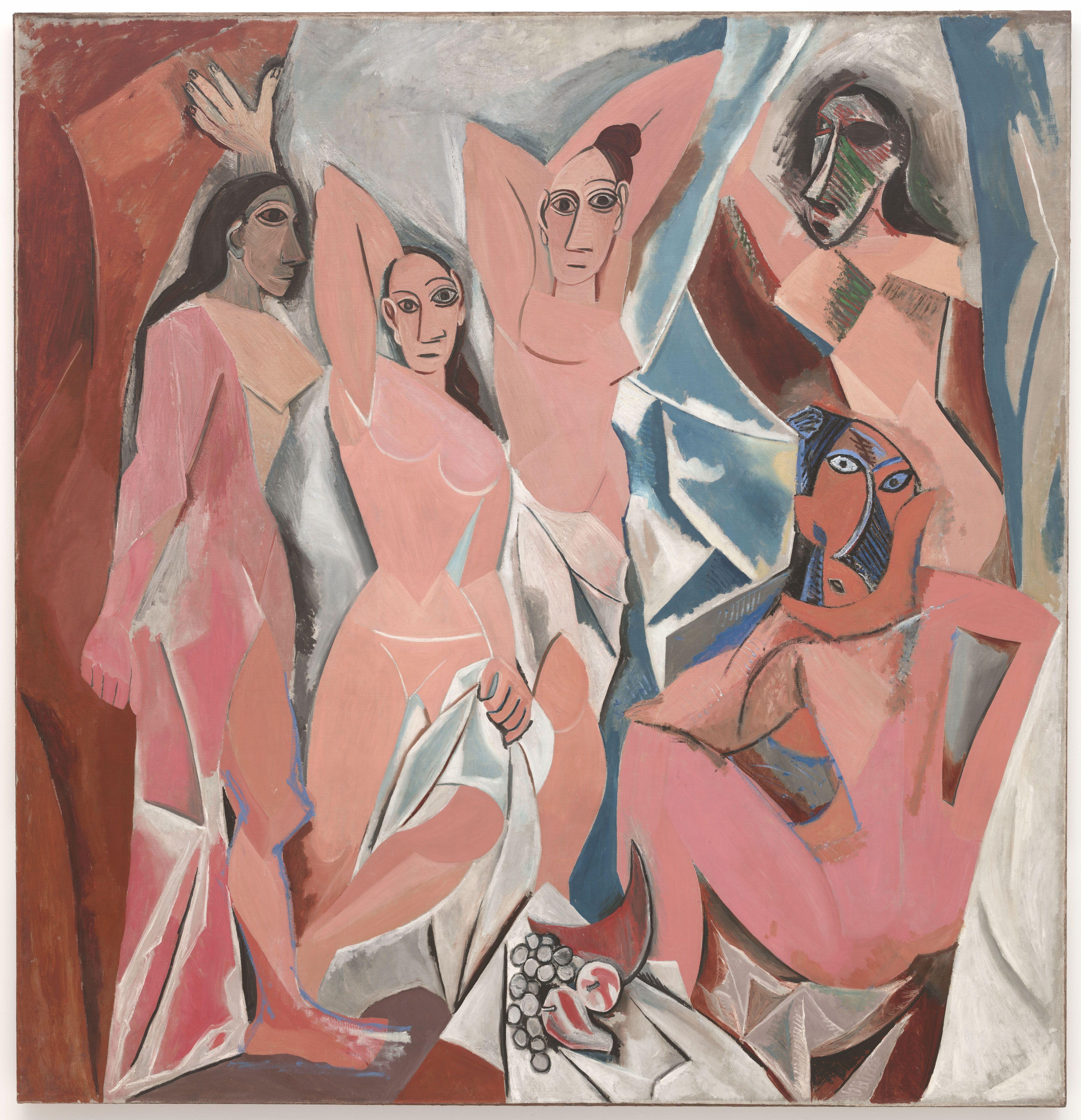
"Good artists copy, great artists steal."
You have seen this line attributed to Pablo Picasso a thousand times. On design blogs, in business books, in conference slides, always with his name under it.
Here is the problem. Nobody has ever found him saying it.
Direct answer: There is no confirmed record of Picasso saying "Good artists copy, great artists steal." Quote researchers have found no letter, interview, or documented conversation containing it. The idea traces back to a Victorian critic in 1892 and to T. S. Eliot in 1920.
What the record actually shows
The quote is one of the most repeated lines in art and design. Almost every version comes with Picasso's name attached.
But quote research organizations, including Quote Investigator, have searched extensively for a primary source. A letter, an interview, a recorded conversation, anything.
They found nothing. Not one document in which Picasso is recorded saying this exact sentence.
That does not prove he never said something like it in private. It means the attribution rests on repetition, not evidence.
Where the idea really comes from
The earliest known written version of the idea dates to 1892. That year, the critic W. H. Davenport Adams published an article titled "Imitators and Plagiarists."
He was writing about the poet Alfred Tennyson, and he put it this way: "great poets imitate and improve, whereas small ones steal and spoil."
Notice the twist. In the original, the great ones imitate and the small ones steal. The modern quote flips the moral entirely.
The Eliot version
The closest ancestor of the quote as we know it comes from T. S. Eliot.
In his 1920 essay "Philip Massinger," Eliot wrote: "Immature poets imitate; mature poets steal; bad poets deface what they take, and good poets make it into something better, or at least something different."
There it is. Stealing as the mark of maturity, imitation as the mark of the amateur. Eliot's sentence is the skeleton of the line everyone now hands to Picasso.
How Picasso's name got attached
At some point in the 20th century, a version of the quote started circulating in art and design circles with Picasso's name on it, phrased as "Lesser artists borrow; great artists steal." Its ultimate origin remains unclear.
Then came the amplifier. In the 1996 PBS documentary "Triumph of the Nerds," Steve Jobs quoted a version of the line and attributed it to Picasso.
Jobs was talking about Apple taking ideas from others. The clip spread, and the attribution hardened into fact for the internet age.
Why the myth sticks to Picasso
Even if Picasso never said it, the line fits him. That is a big part of why it survives.
Picasso has a documented history of adapting the work of others. The clearest case is Cubism itself.
Many art historians consider Georges Braque, his close collaborator, a co inventor of the style. Braque received far less public credit for it than Picasso did.
So a quote about great artists stealing landed on the one artist whose career seemed to prove it. The attribution may be false, but the casting is perfect.
FAQ
Did Picasso ever say "Good artists copy, great artists steal"? No confirmed source exists. Quote researchers, including Quote Investigator, have found no letter, interview, or recorded conversation in which Picasso says this sentence.
Who actually said it first? The earliest known version of the idea appeared in 1892, when critic W. H. Davenport Adams wrote about Tennyson that "great poets imitate and improve, whereas small ones steal and spoil."
What did T. S. Eliot say about artists stealing? In his 1920 essay "Philip Massinger," Eliot wrote: "Immature poets imitate; mature poets steal; bad poets deface what they take, and good poets make it into something better, or at least something different."
Why does everyone think the quote is Picasso's? A version reading "Lesser artists borrow; great artists steal" circulated with his name through the 20th century, and Steve Jobs cemented it by quoting it as Picasso's in the 1996 documentary "Triumph of the Nerds."
Did Picasso actually steal from other artists? He has a documented history of adapting the work of others. Cubism itself is the disputed case: many historians consider Georges Braque a co inventor of the style, though Braque received far less credit.
Quote Investigator, the organization dedicated to tracing where famous lines come from, could not find a single primary source of Picasso ever saying this one. The earliest matching sentiment on record belongs not to a painter at all, but to a Victorian era critic writing about the poet Alfred Tennyson in 1892.