

170 000+ readers. Learn art the fun way.
This is a preview. Paid subscribers get the full story.
You’ll also get:
10 new stories every month
The full archive (130+ Art stories)
Your personal art guide. Comment, ask questions, DM me anytime
iPhone user? Subscribe at coolstoriesabout.art, not via the app. Apple adds 30% to the price.
One evening in 1918, in a Paris apartment in Montparnasse.
An enormous man has been talking for hours. 31 years old, two hundred and sixty five pounds. Bulging eyes that never leave the man across from him.
He talks about himself. His ancestors, his childhood, what he had lived through, what he had seen.
The stories interlock, precise, full of names, places, entire lines of dialogue. None stumble. None contradict each other.
Night fell long ago. The lamp is lit. He is still talking.
Across from him, Élie Faure listens without a word. An art historian, the most respected art critic in France. His books are teaching all of Europe how to look at a painting.
He listens until the end. He does not challenge anything, does not ask anything.
Then he opens his notebook and writes, at the bottom of the page: this man is a mythomaniac.
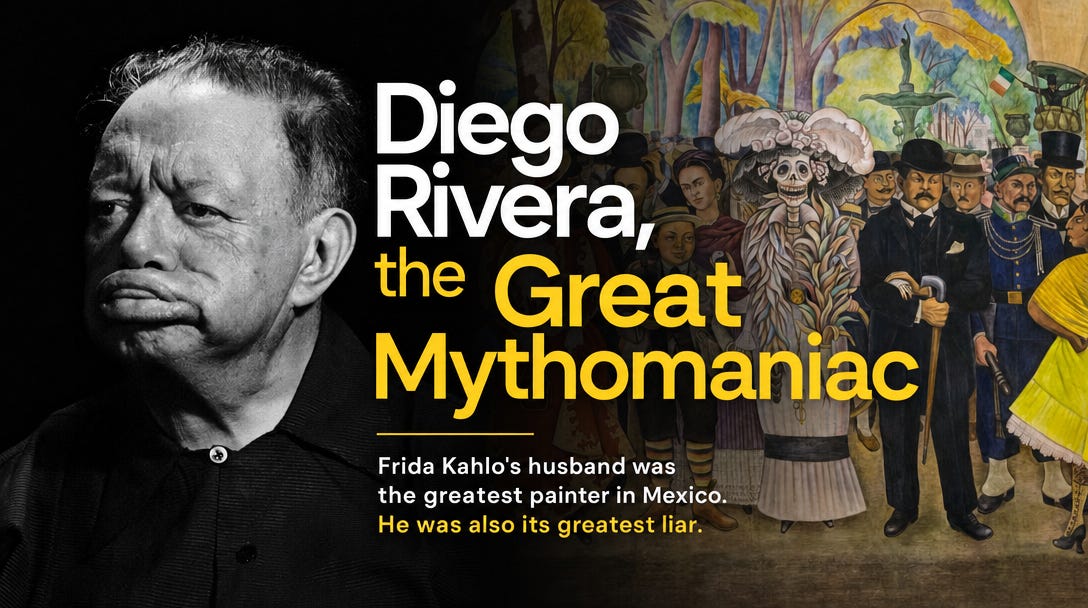
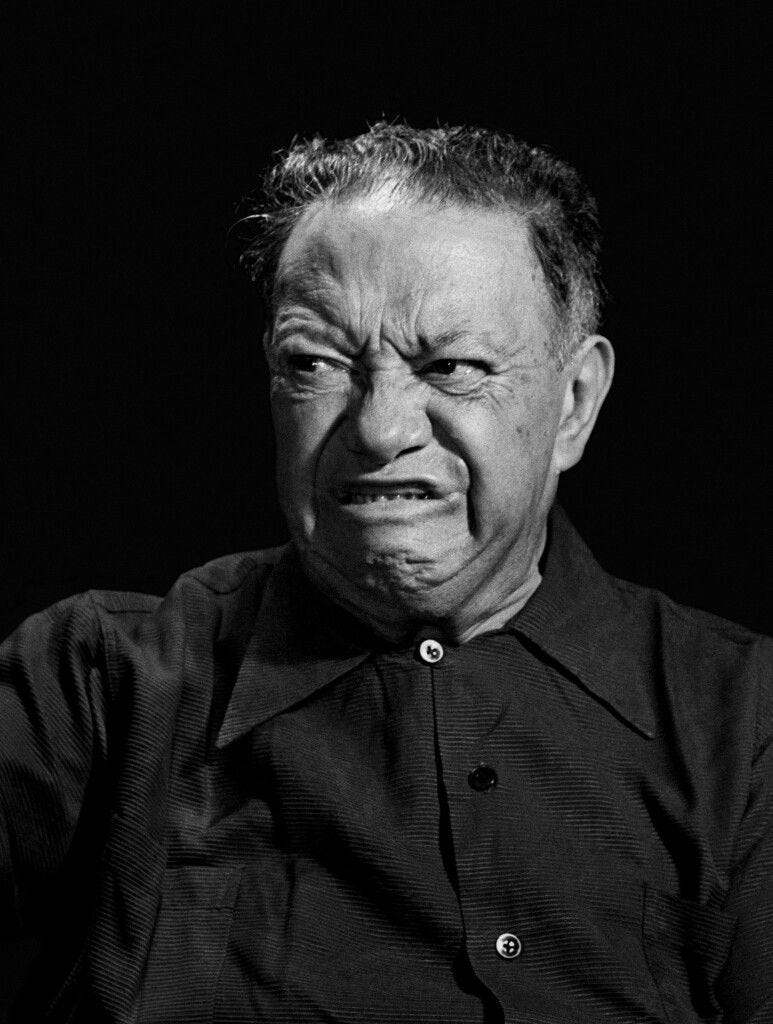
The man across from him is named Diego Rivera. He will become the most famous painter in Mexico.
The Walls
Three years later, in the summer of 1921, in Mexico City.
The country is emerging from ten years of civil war. One million dead. The president who had ruled Mexico for thirty years has been driven out.
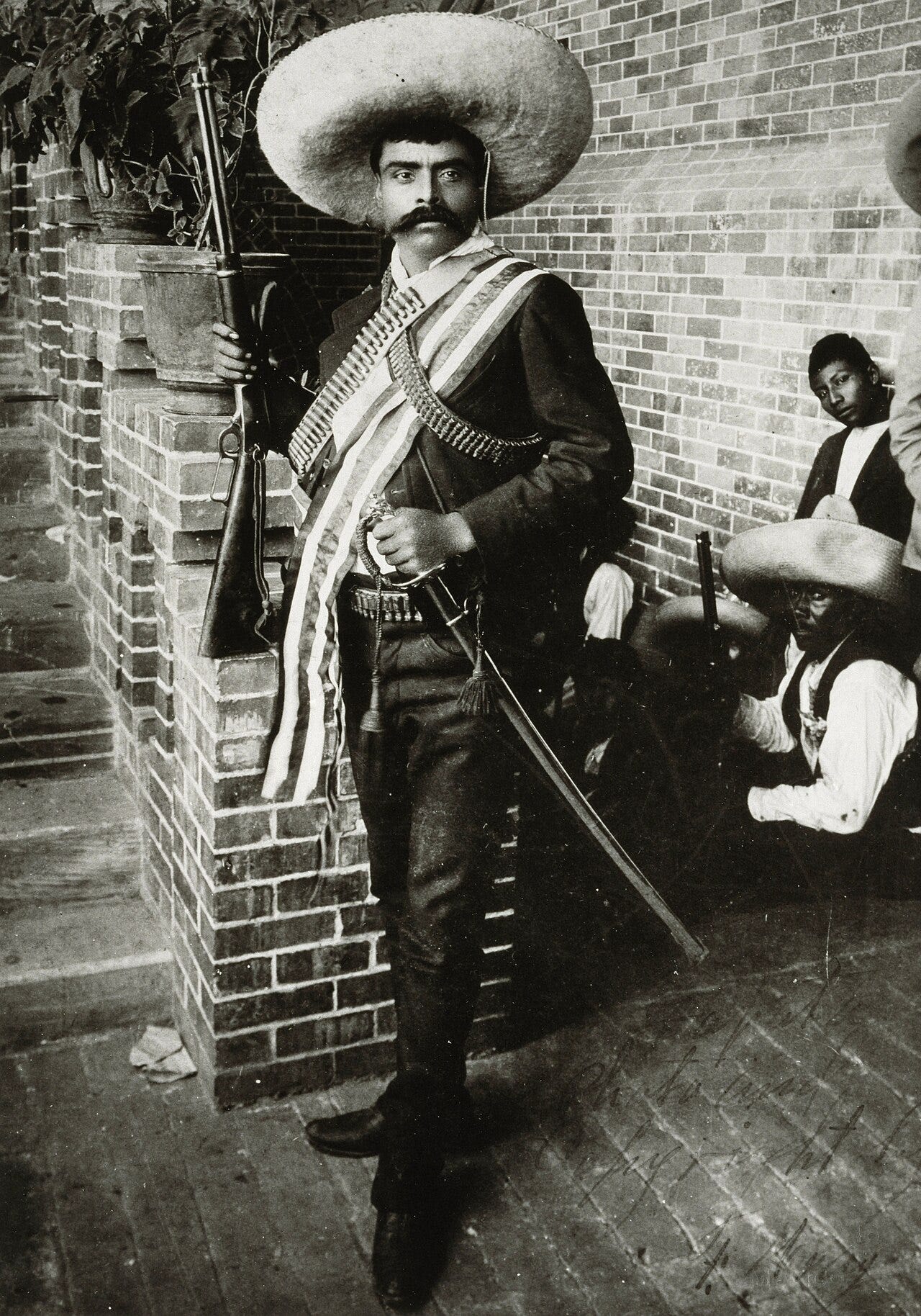
The war left two names on everyone's lips. In the north, Pancho Villa and his horsemen. In the south, in the state of Morelos, a peasant named Emiliano Zapata, who raised entire villages to take the land back from the big landowners.
Zapata's men rode into battle in sandals, straw hats on their heads, cartridge belts crossed over their chests. The whole country knew their silhouette.
The new regime wants to build a country. Its Minister of Education starts from a simple problem: most Mexicans cannot read.
So their history will be painted on the walls of ministries, schools, and palaces, large enough to be seen in passing. The minister summons the painters and gives them the walls.
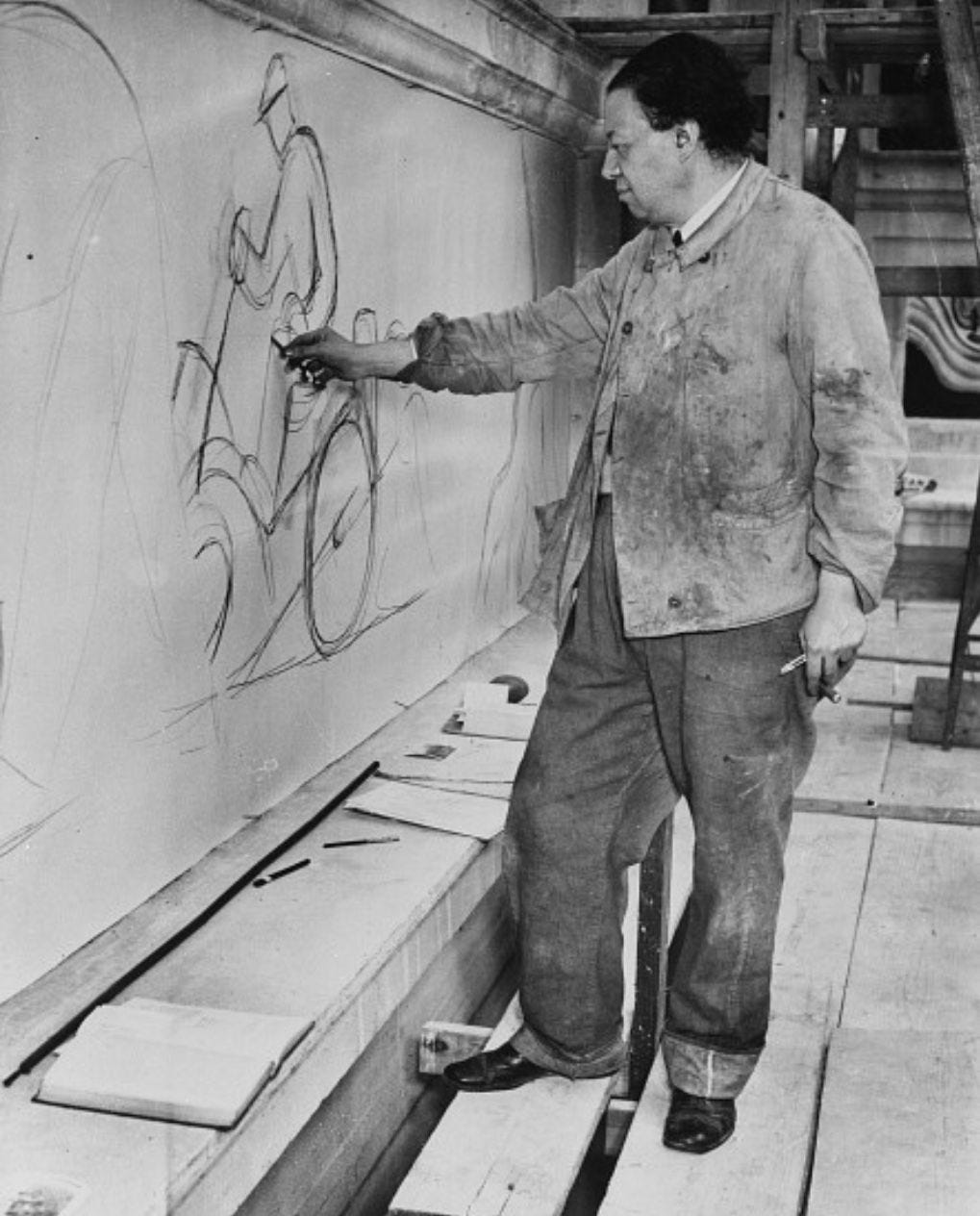
Rivera, 34, gets the biggest commissions in the country. In 1923, the entire building of the Ministry of Education.
Three floors of galleries, more than a hundred panels. No one, anywhere in the world, is painting surfaces like these.
He paints the revolution there. Peasants bearing arms, workers, soldiers. And Zapata leading his white horse.
He joins the Communist Party. On the scaffolding, the Party's painters work with pistols at their belts.
Rivera becomes the official painter of the revolution.
Discover my new newsletter !

The Paint Box
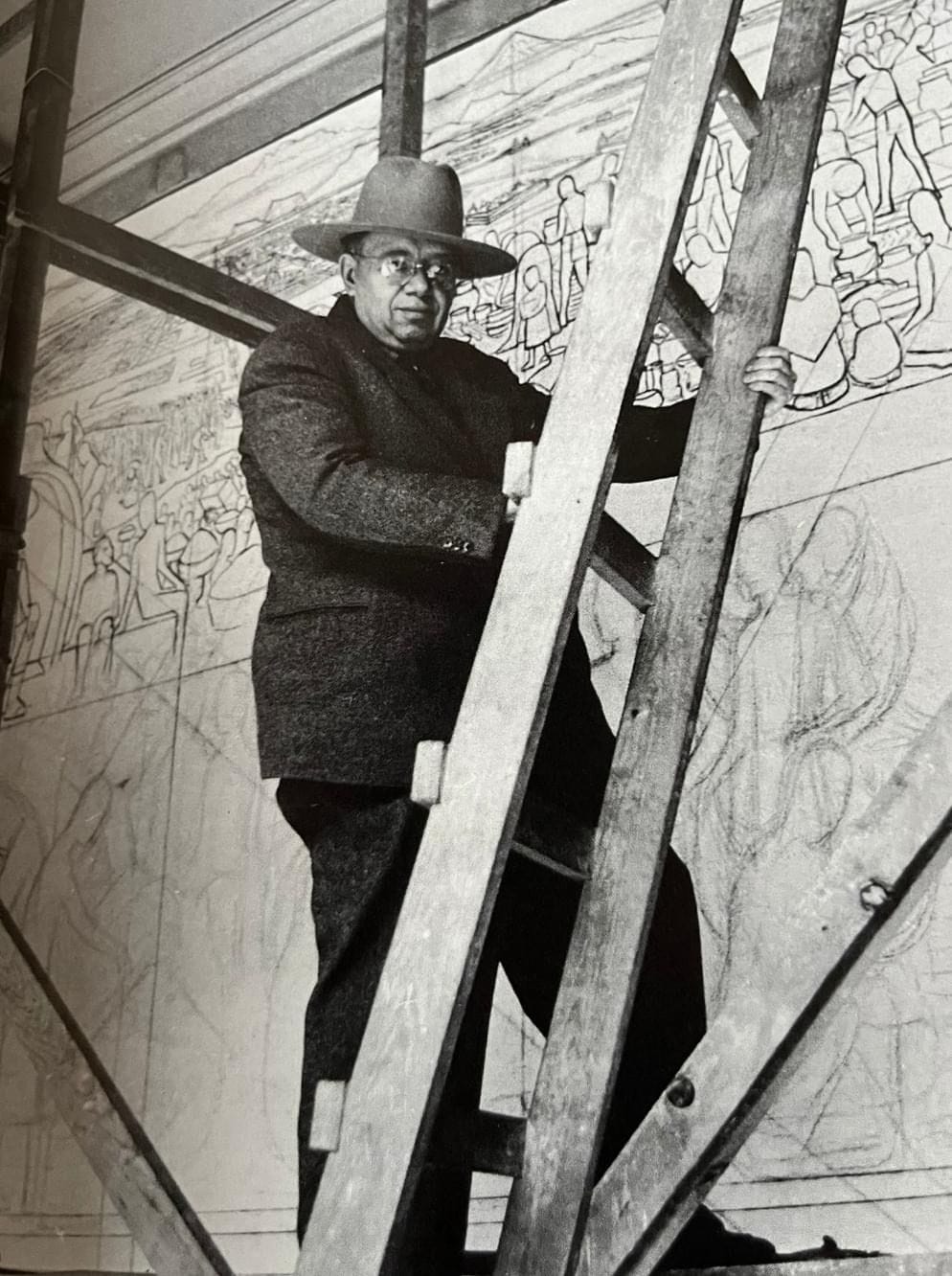
For months, reporters climb up the scaffolding to see him. He answers without coming down, brush in hand. He talks a lot, he talks well, and he talks about himself.
One day in the mid 1920s, one of them wants to know what Rivera had seen in the war.
Rivera sets down his brush and sits on the plank.
"It starts in Orizaba, with the textile workers, when the mills go on strike. I am 19. I put down my brushes and join the strikers."
"The strike turns ugly. The police arrive on horseback. An officer splits my skull open with a saber, right there, at the back of the head, near the neck."
"They throw me in prison with the other strikers. I eat the stale bread the inmates get. The best food of my whole life."
"A few years pass. I show my paintings at my old school, in Mexico City, and the president himself is set to come to the opening. The one who had run the country for thirty years."
"A plot comes together to kill him that day, inside the exhibition walls. With the school's director and an architect. My part is set in advance: bring the explosives into the building, hidden in my paint box, and lock them in a safe at the school."
"When the day comes, the police search everything, the rooms and the guests. They do not search the safe. The president, at the last moment, does not come."
"So I head south. I join Zapata's peasants, in Morelos."
"I become the bomb man. I carry them in my paint box. They were built by an old schoolmate, a man named Penioroja. They are calibrated to destroy only the baggage cars on trains. Not the passenger cars. Baggage only."
"I hold out for six months as an active rebel. Then a friend in high places warns me: they are going to shoot me. They smuggle me out of Mexico City lying flat in the back of a car."
In reality, Diego Rivera was in Paris. He was painting cubist still lifes in Montparnasse, paid every month by the government that had just fallen.
Still to come: what he said about his ancestors, his childhood, a night in a German forest, a meal that lasted two months, and his wife, Frida Kahlo.