
For about a hundred years, almost every new idea in art was greeted with laughter, a locked door or a fine. In 1926, customs officers in New York looked at a polished bronze and classed it as a kitchen utensil. Modern art is largely the story of artists who kept hearing "this is not art" and changed what the word could mean.
Cool Stories About Art is a newsletter to learn art the fun way.
Join 200,000+ readers and get:
10 new art stories / month
The entire archive of content (1,000+ articles)
Comment, ask questions, and chat with other readers
What Made Art Modern
Modern art usually means the work made between about 1860 and 1970. Photography had taken over the old task of recording faces and streets, and painting and sculpture needed a new purpose.
The search lasted a century. Academies taught what a picture must imitate, who could be shown and what a work was made of. Each modern artist took one of those rules and tried art without it.
The twelve here were chosen for a single reason: after each of them, something once forbidden became ordinary. A sculptor and a printmaker stand among the painters, because the rule mattered more than the medium.
12. Constantin Brancusi (1876 to 1957)
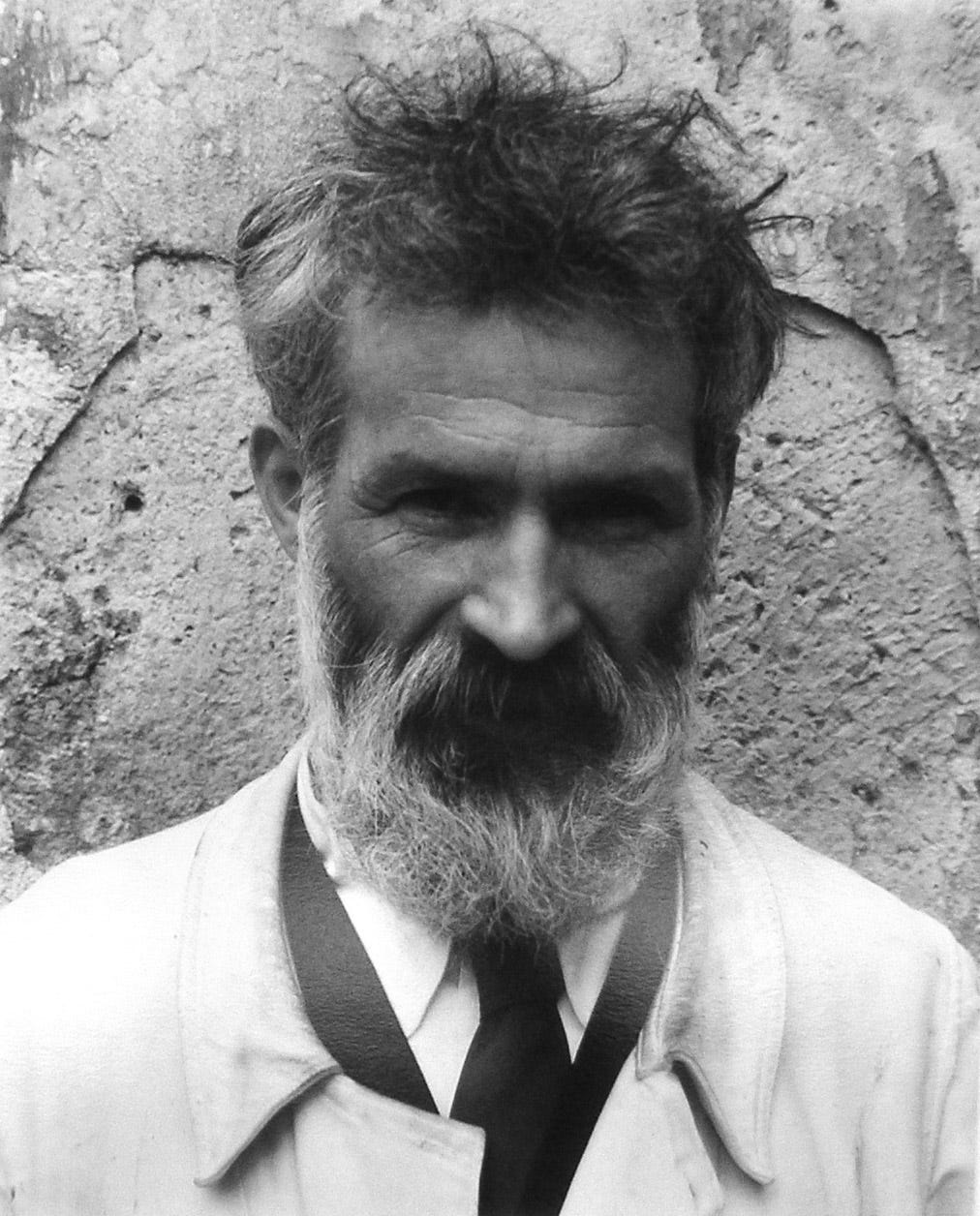
A strip of polished bronze rises from a narrow foot, swells slightly toward the middle and ends in a small slanted oval. There are no wings, no beak and no feathers, yet the title is Bird in Space. In 1926, Constantin Brancusi sent one of these bronzes from Paris to a gallery in New York, and the customs officers at the port saw no bird in it at all.
Their problem was the law. Works of art entered the United States free of duty, but American law had a narrow idea of sculpture: carved or cast copies of natural objects, above all the human body. A shaft of shining metal copied nothing. So the officers filed it under Kitchen Utensils and Hospital Supplies and charged a duty of 40 percent of its value.
The bronze belonged to the photographer Edward Steichen, who paid and took the government to court. The sculptor Jacob Epstein came to testify for the defense: "In my opinion, it is a work of art."
The court agreed in 1928. Judge Waite noted that a "so-called new school of art" now existed, whose followers "attempt to portray abstract ideas rather than imitate natural objects." To me, no critic of the 1920s defined modern sculpture as neatly as that customs judge.
His sentence also names what Brancusi gave sculpture. Before him, a sculptor proved his skill by how closely marble or bronze could pass for skin. Brancusi carved and cast the idea of a thing instead, the flight rather than the bird. In 1927, a young American named Isamu Noguchi spent six months as his assistant in Paris and carved his first stone there. Smooth forms that stand only for themselves became the heart of his own sculpture.
At a Glance
Born: 1876, Hobița, Romania
Died: 1957, Paris
Nationality: Romanian, French from 1952
Known for: Reducing sculpture to pure, polished forms such as Bird in Space
Where to see the work: Atelier Brancusi at the Centre Pompidou (Paris), Museum of Modern Art (New York), Philadelphia Museum of Art
11. Paula Modersohn-Becker (1876 to 1907)
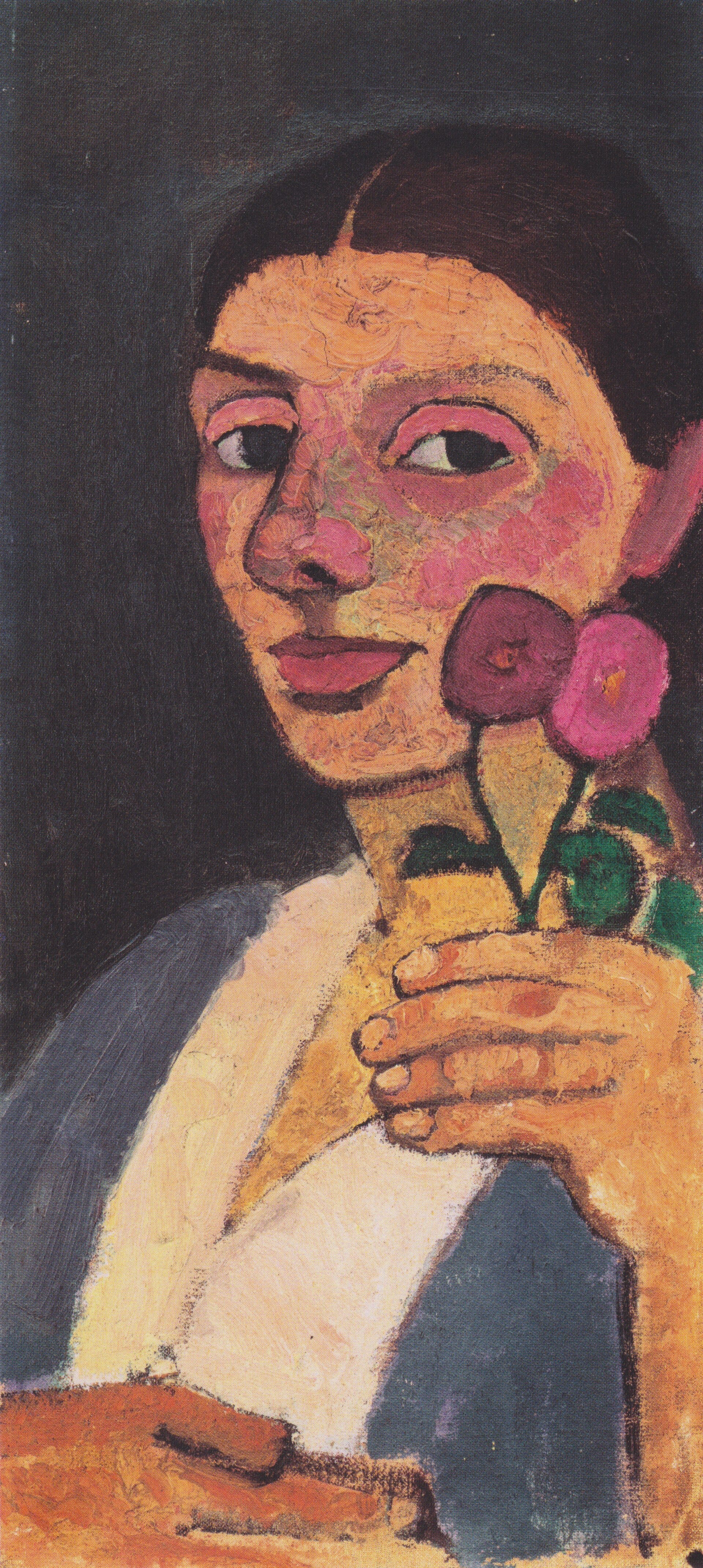
Two small flowers rise from a raised left hand, while the other hand rests on a rounded belly. The woman is pregnant, and she painted the picture herself. Paula Modersohn-Becker made Self-Portrait with Two Flowers in Her Raised Left Hand in 1907. A year earlier, she had dared something no woman painter had tried before her.