Owl Paintings: 12 Famous Works and Their Secrets
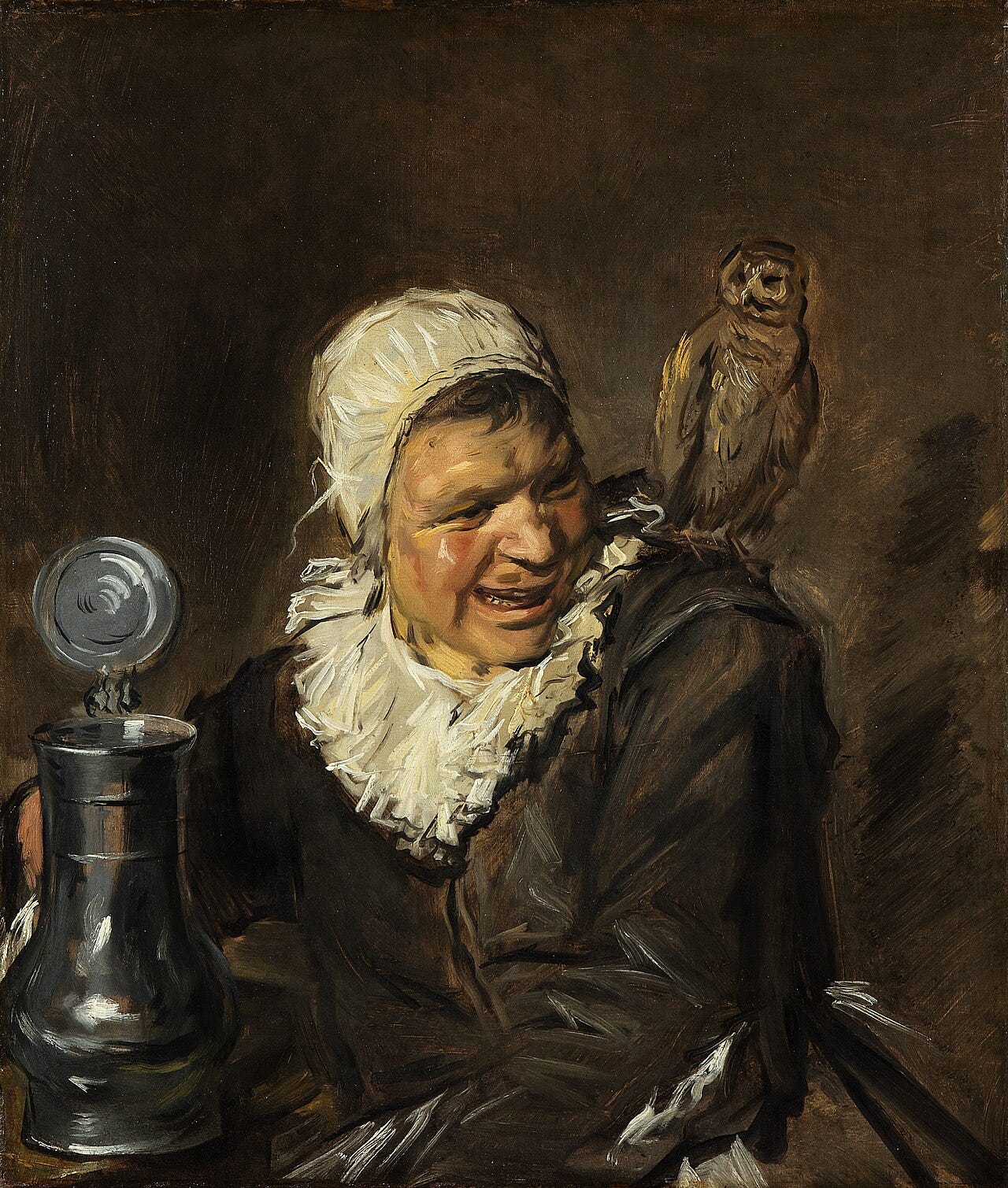
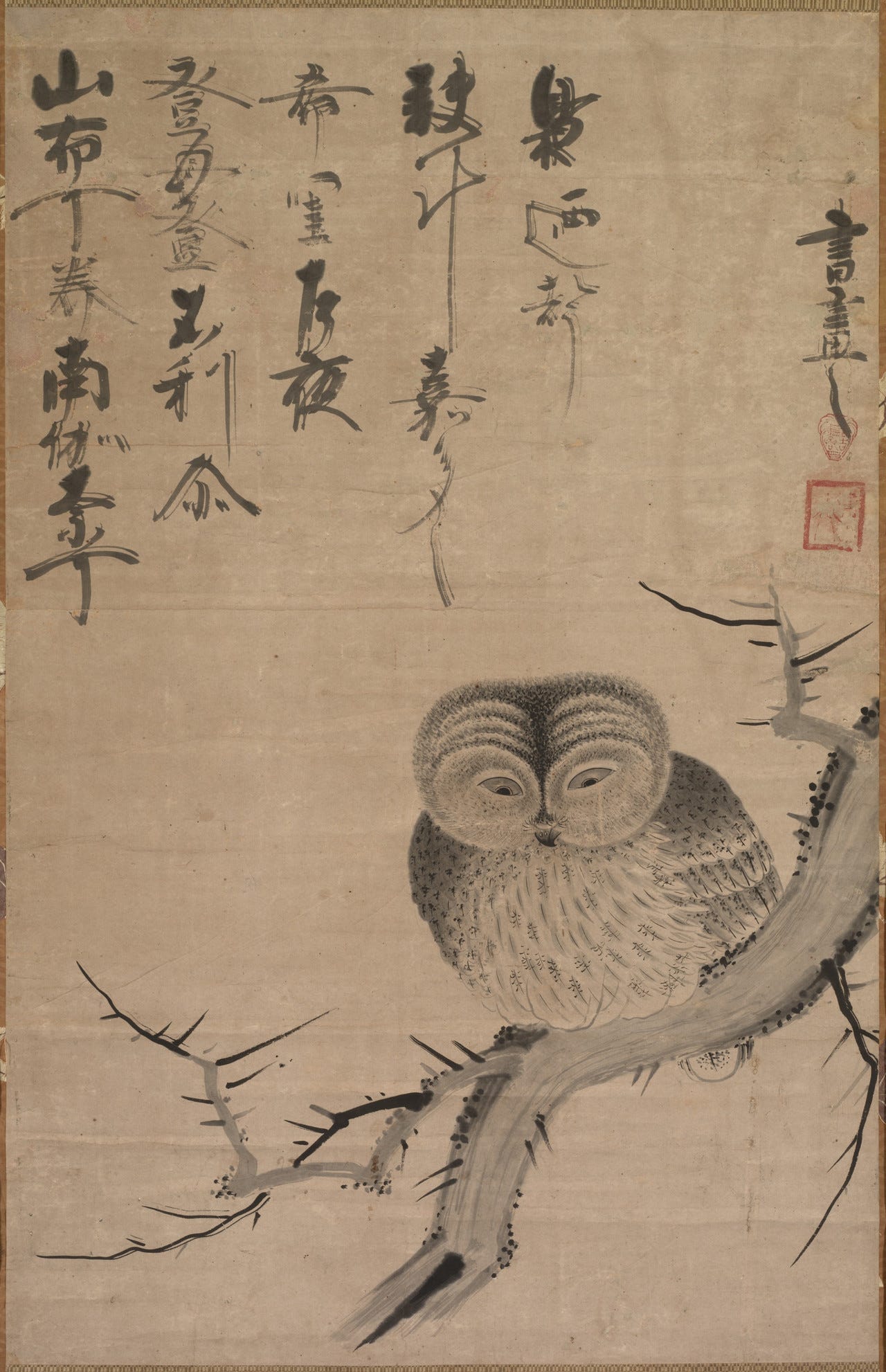
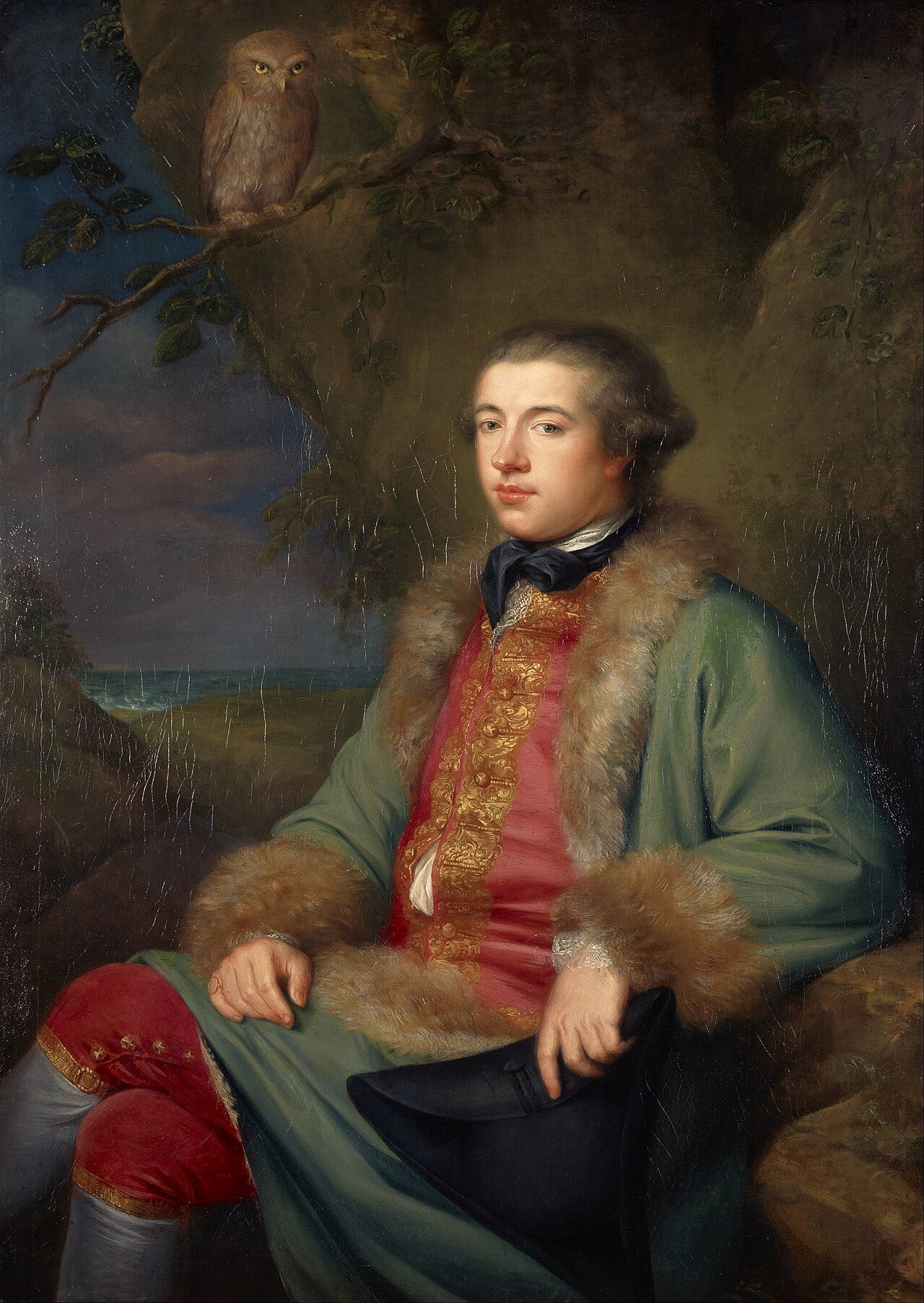
Owls have haunted painters for centuries, cast as signs of wisdom, night, folly, and death. From Bosch and Durer to Klimt, Goya, and Manet, the same small bird carries wildly different meanings across twelve famous works of art.
Look at where an owl sits and you learn how its age thought about the dark. In ancient Greece it belonged to Athena, the goddess of wisdom. A thousand years later, in Northern Europe, the same bird meant heresy and doom.
Two faces of one bird: the owl appears as wisdom or as warning, and often both at once.
The night watcher: Bosch used the owl as a sign of folly quietly watching foolish humans.
The scientist owl: Durer studied a single bird from life, with no moral attached.
Athena bird: Klimt set the owl of wisdom on the goddess golden shield.
If these draw you in, you will also love 7 secrets hidden in famous paintings, is Goya the greatest painter of all time, and the true story behind Hokusai Great Wave.
1. Hieronymus Bosch, The Garden of Earthly Delights (owl detail)
In the central panel, amid pink fountains and naked crowds, a wide eyed owl sits inside a blue globe near the very heart of the triptych. Bosch painted it for a private patron, not a church.
The owl is not a friendly touch. In Bosch world it was a night bird tied to heresy, folly, and sin, watching people make fools of themselves. Look closely and owls turn up again and again across his panels.
The Prado keeps the triptych behind glass and treats it as the single most visited work in the whole collection.
2. Francisco Goya, The Sleep of Reason Produces Monsters
A man slumps asleep over his desk, pen cast aside. Behind him the air fills with owls and bats rising out of the dark. On the front of the desk Goya wrote the title in plain Spanish.
People read the owls as pure evil, but Goya own caption is subtler. Reason asleep lets monsters loose. Reason joined to imagination is the mother of art. The owls are ignorance, ready to swarm the second thought stops.
Goya pulled the whole print run from sale within days, fearing the Spanish Inquisition.
3. Albrecht Durer, The Little Owl
In 1508 Durer set a small owl in front of him in Nuremberg and painted it in watercolour and gouache, on a sheet barely bigger than a postcard.
Where other artists loaded owls with menace, Durer did the opposite. He studied this one as a living animal, feather by feather, with no moral attached. The result looks almost like a photograph three centuries early.
The sheet is so fragile that the Albertina keeps it out of constant light, so it reaches public view only now and then.
4. Frans Snyders, Concert of Birds
Around 1629 to 1630 Snyders crowded a single tree with parrots, jays, a bird of paradise, and dozens of others. At the center a small owl perches on an open songbook.
The scene comes from an old fable. Birds gather to sing, and the owl acts as conductor because folklore claimed it could read. The joke is that the owl, symbol of both wisdom and foolishness, leads a choir that cannot agree.
Snyders liked the idea enough to paint several versions, with two of them now hanging in the Prado alone.
5. Gustav Klimt, Pallas Athene
Klimt showed Pallas Athene in 1898 at the second Vienna Secession exhibition, the goddess in golden armour staring out, a tiny nude figure of Truth in her hand.
Look at her shield and the owl of Athena sits there in gilded relief. Athena was the Secession patron, wisdom armed for battle, and the owl was her ancient companion. This is often called the first work of Klimt golden phase.
Vienna critics were scandalized, less by the owl than by the small naked figure of Truth holding a mirror up to the city.
6. John James Audubon, Snowy Owl

For plate 121 of The Birds of America, engraved around 1831, Audubon set two snowy owls on a bare rock at night, one perched, the other turning its head.
Audubon almost always worked from freshly killed birds, wiring them into lifelike poses. The snowy owl is a rare case where he likely never watched the living bird hunt, so he built the nocturnal scene from skins and imagination.
A complete Birds of America, this plate included, sold for over eleven million dollars in 2010, one of the most expensive printed books ever.
7. Ohara Koson, Owl on a Branch
In the early 1900s the Japanese printmaker Ohara Koson cut an owl perched on a bare branch against a pale full moon, worked as a woodblock print in the shin hanga style.
In Japan the owl carries a friendlier meaning than in Europe. The word for owl, fukuro, can be written with characters that read as no hardship or good fortune, so the bird became a lucky charm.
Koson made hundreds of bird and flower prints for a Western market hungry for Japanese design. His quiet owls are among the most collected of them all.
8. Hieronymus Bosch, The Owl Nest
In this pen and ink drawing from about 1505 to 1516, Bosch zoomed in on a gnarled treetop where three owls sit, with a wide landscape and a distant gallows behind.
This is one of only three drawings Bosch made as finished works rather than studies. The cropped close view, cut off on every side, feels startlingly modern for around 1510, closer to a snapshot than a Renaissance scene.
That far off gallows is the tell. For Bosch, the owl quiet watchfulness shaded straight into a life of sin and coming punishment.
9. William Blake, The Night of Enitharmon Joy
Around 1795 Blake printed this color image of a triple goddess seated in gloom, flanked by a donkey headed creature, a snake, a thistle, and a bat. An owl looms at the upper left.
The work is often called Hecate, goddess of witchcraft, and its animals come straight from the world of Shakespeare Macbeth. Blake picked out the owl eyes with a wash of bright red, a night bird for a scene of night.
Blake never dated the print, but the paper carries a 1794 watermark, which fixes it close to 1795.
10. Jan van Kessel the Elder, Air
Around 1647 van Kessel painted Air, one of a set on the four elements, packing sky and ground with peacocks, an ostrich, parrots, and owls.
These small cabinet paintings were made for wealthy collectors who wanted the whole natural world in miniature. The owl belonged to Air as a creature of the night sky, catalogued beside exotic birds most Europeans had never seen alive.
Van Kessel came from a dynasty of Antwerp painters and was a grandson of Jan Brueghel the Elder, the man who painted flowers for Rubens.
11. Edouard Manet, Dead Eagle Owl
In 1881, recovering from illness at Versailles, Manet painted a dead eagle owl hanging upside down from a nail, its legs tied with a thin rope.
This is an owl stripped of every symbol. No wisdom, no doom, just a hunting trophy on a board. Manet was reaching back to Dutch and French still life, to Chardin and the old game pieces, near the end of his own life.
Manet died less than two years later, at fifty one, from complications that had already cost him a leg.
12. Bruno Liljefors, An Eagle Owl
In 1905 the Swedish painter Bruno Liljefors set a great eagle owl on a rock, its huge eyes burning out of the dusk of a northern landscape.
Liljefors is regarded as one of the finest wildlife painters who ever lived, and owls were a lifelong subject. He studied wild birds in the field for hours, so his owls sit in real weather and real light, not in a studio.
He kept animals at home for reference, working as much like a field naturalist as a painter.
Where to see them
Museo del Prado, Madrid: Bosch Garden of Earthly Delights, Goya Sleep of Reason, and Snyders Concert of Birds.
Albertina, Vienna: Durer Little Owl, shown only occasionally because it is light sensitive.
Wien Museum, Vienna: Klimt Pallas Athene.
Tate, London: Blake The Night of Enitharmon Joy.
Museum Boijmans Van Beuningen, Rotterdam: Bosch The Owl Nest drawing.
Why the owl means so much
In the oldest works the owl belongs to iconography, a fixed sign of wisdom or of folly and death, depending on the age that painted it.
Later, painters treated it as a real animal, from Durer close watercolour study to the Japanese woodblock owls of Ohara Koson.
Owls in art, questions people ask
What does an owl symbolize in art? It swings between two meanings. In ancient Greece the owl stood for Athena and wisdom. In medieval and Northern European art it usually meant night, folly, heresy, or death.
Why did Bosch paint so many owls? Bosch used the owl as a sign of sin and folly watching over foolish humans. It turns up in the Garden of Earthly Delights, the Owl Nest drawing, and several other panels.
What is the most famous owl painting? Goya The Sleep of Reason Produces Monsters is probably the best known, with owls and bats swarming a sleeping man.
Is the owl in Klimt Pallas Athene real gold? The armour and shield use gold tones and gilding, part of what marks the start of Klimt golden phase. The owl sits in relief on the goddess shield.
Did Durer paint the owl from life? Yes. The Little Owl of 1508 is a close study of one bird, painted in watercolour and gouache with no symbolic message attached.
The one bird that means everything at once
No other animal in Western art holds two opposite meanings so calmly at the same time. Athens stamped the owl on its silver coins for two centuries, wisdom and money in a single small bird. A few hundred miles north, the same shape nailed to a barn door meant nothing but death.