
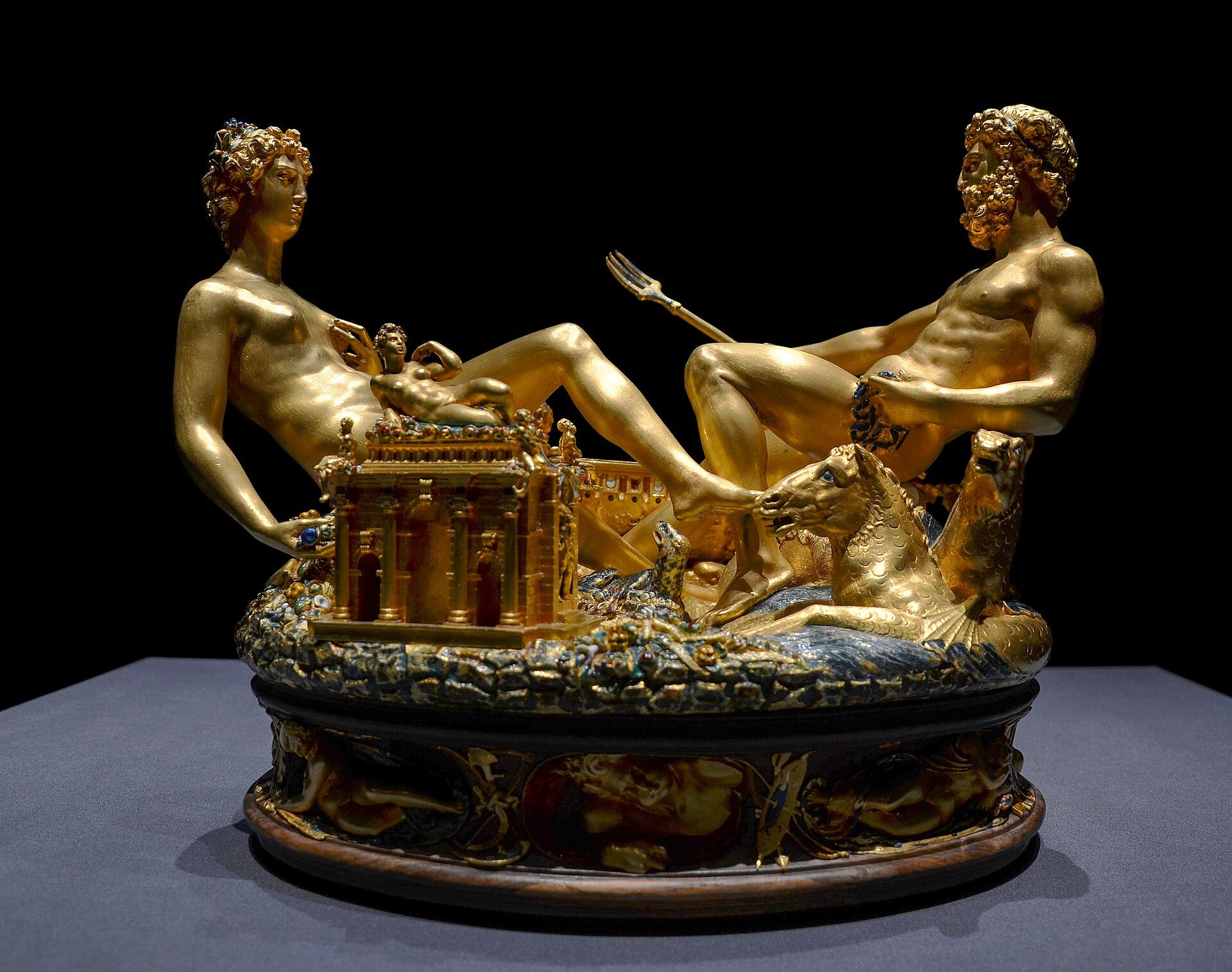
A sculptor cannot erase. A cut into wood or stone stays for good, and a bronze has to come through the furnace. The finished figure must then hold up at a temple gate, in a church or in a city square. Two wooden giants in Japan were carved in 69 days, and a gold table piece made for a king of France was once dug up from a forest where a thief had buried it.
Cool Stories About Art is a newsletter to learn art the fun way.
Join 200,000+ readers and get:
10 new art stories / month
The entire archive of content (140+ articles)
Comment, ask questions, and chat with other readers
What Sculpture Demands of Its Makers
Sculpture is the slower art. A carver can only take material away, so a wrong cut stays in the block for good. A bronze is first modeled in clay or wax, then cast in metal, and a failed pour can ruin months of work.
It is also the art of commissions. Temples, abbeys, princes and cities paid for it, because a carved or cast figure survives in the open air and can be seen by a whole crowd at once. That is why so many great sculptures belong to a precise place.
Each of the twelve sculptors below, from ancient Athens to Paris around 1900, is told through a single work, the one where the change they brought to the art can be seen. Four of them almost never appear in rankings of famous sculptors.
12. Unkei (about 1150 to 1223)
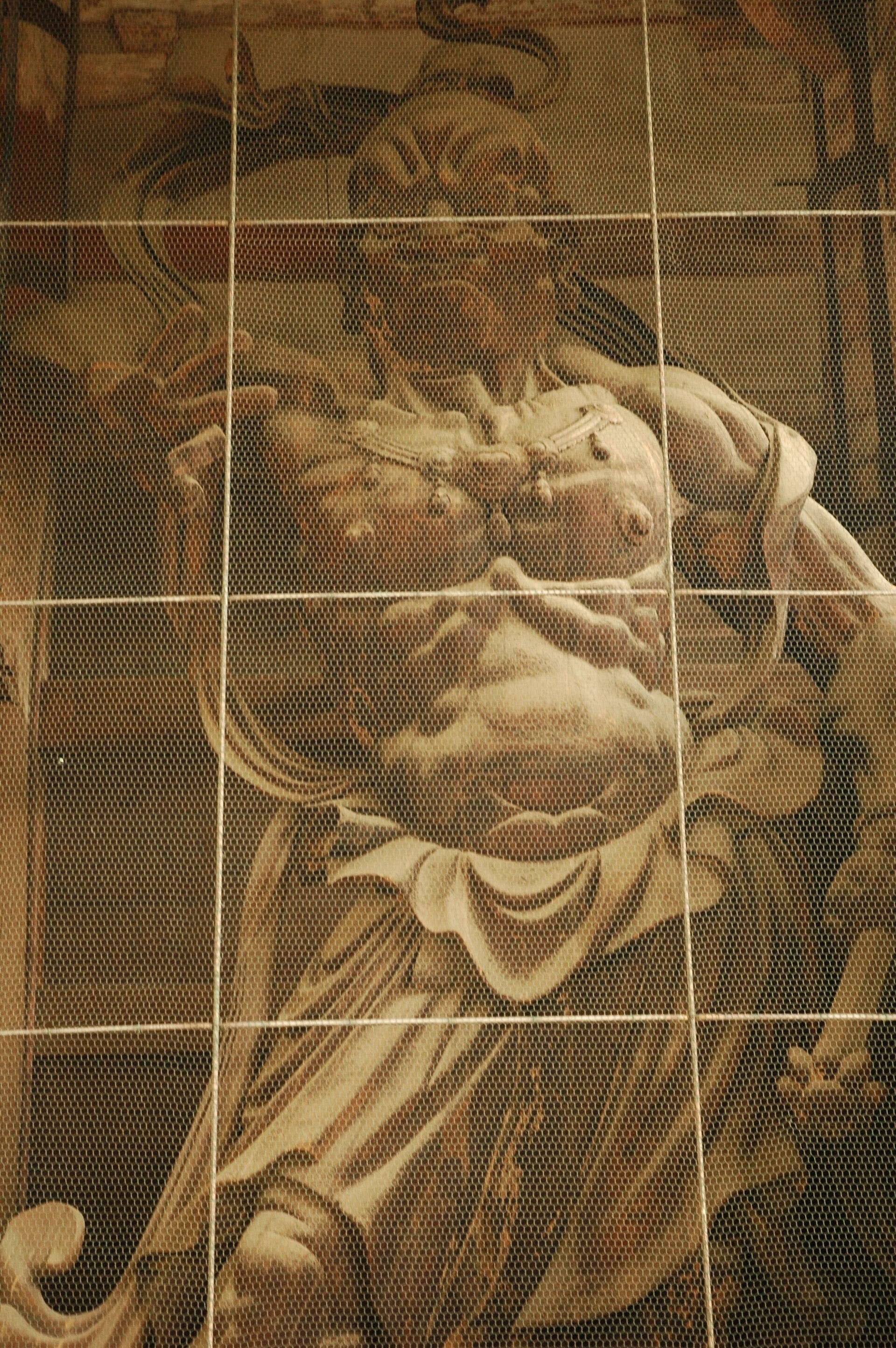
This wooden guardian keeps his mouth clamped shut. His muscles bulge and his scarves swirl around him, while his partner, across the passage of the same gate, roars with his mouth wide open. Both stand just over 8.4 meters tall, about 28 feet, inside the Great South Gate of Tōdaiji, the great Buddhist temple of Nara, in Japan.
They were made for a rebuilding. The temple burned in 1180, and the monk Chōgen, who led the work, wanted a pair of Kongō Rikishi for the new gate, the guardian figures that protect the entrance of a Buddhist temple.
Such figures had long looked gentler. For more than a century, Japanese Buddhist sculpture had followed the manner of the sculptor Jōchō, with soft faces and shallow carving, a style that suited the imperial court. The warriors who now held power wanted something more realistic and dynamic, and Unkei, son of the sculptor Kōkei, gave it to them.
At Tōdaiji he worked with a team. Carving began on the 24th day of the 7th month of 1203, directed by Unkei and Kaikei, with the sculptors Jōkaku and Tankei, Unkei's eldest son, and more than twenty assistants. The two giants, carved from wood brought from what is now Yamaguchi Prefecture, were finished in 69 days.
For the next eight centuries they received little care, and by the 1980s they were in poor condition. During a restoration that began in 1988 and lasted five years, the restorers found a copy of a Buddhist scripture inside the chest of the guardian with the closed mouth. It was inscribed with the names of Chōgen and of the sculptors who had worked on the project.
At a Glance
Born: About 1150, Japan
Died: 1223, Japan
Nationality: Japanese
Known for: Buddhist sculpture in wood, the Kongō Rikishi of the Great South Gate of Tōdaiji
Where to see the work: Tōdaiji and Kōfukuji, Nara
11. Gislebertus (active about 1125 to 1135)
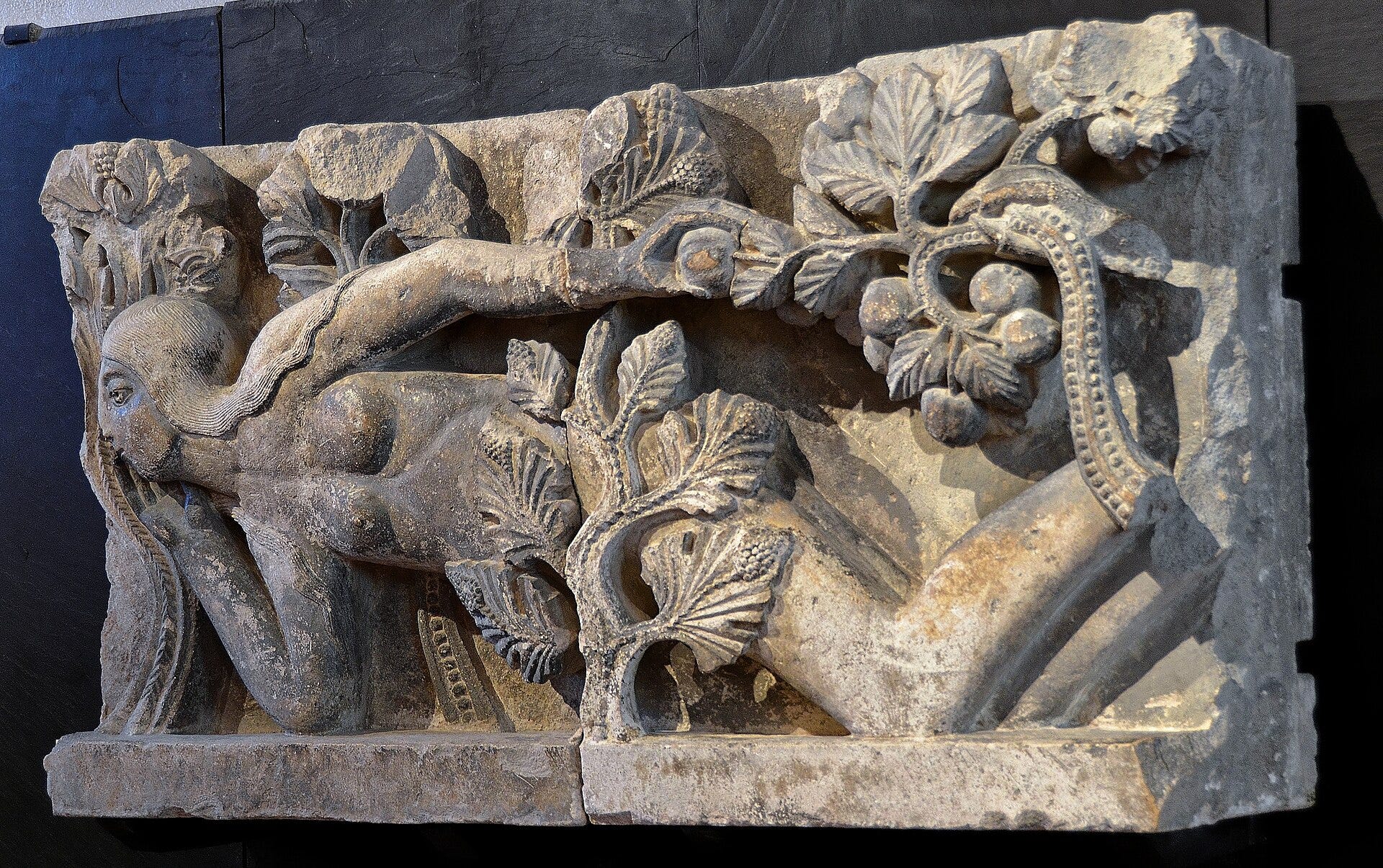
A naked woman lies stretched out among vines, one hand raised to her cheek, the other reaching behind her. She was carved on the lintel over a side door of the cathedral of Autun, in Burgundy, the door ordinary worshippers used. In 1766 that lintel was knocked down and its sculpted blocks were sold as building stone. She disappeared into a wall.