
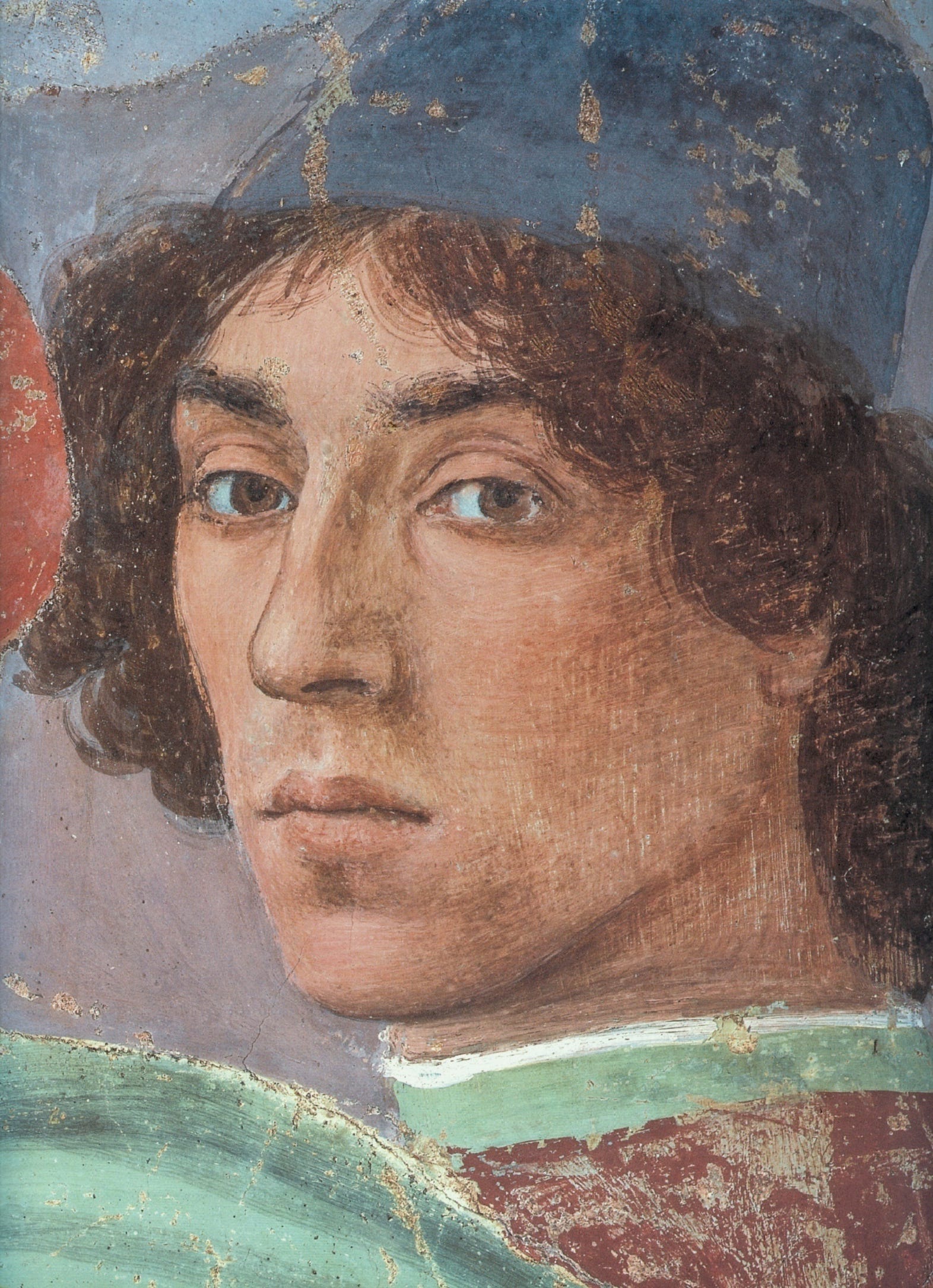
Filippino Lippi (born around 1457, died 1504) was an Italian painter of the Renaissance, from Prato, near Florence. His father was the painter Fra Filippo Lippi, a friar, and his mother, Lucrezia Buti, was a nun.
Filippino is best known for finishing the wall paintings that Masaccio, a Florentine painter who died in 1428, had left incomplete in the Brancacci Chapel in Florence. His most popular picture is The Apparition of the Virgin to Saint Bernard.
In the Florence of his time, a child born to a friar and a nun carried his parents' scandal with him. The first document that names Filippino is an anonymous letter accusing his father. Yet the boy named in that letter became one of the most sought-after painters of Florence and Rome.
Cool Stories About Art is a newsletter to learn art the fun way.
Join 200,000+ readers and get:
10 new art stories / month
The entire archive of content (140+ articles)
Comment, ask questions, and chat with other readers
In 1451, a young Florentine, Lucrezia Buti, entered the convent of Santa Margherita in Prato with her sister Spinetta. Early in 1456, the nuns received a new chaplain, the priest who said Mass for them: Fra Filippo Lippi, one of the best painters in Florence.
"Fra" means brother. Fra Filippo belonged to the Carmelites, an order of friars who, like nuns, had promised never to marry.
On May 1, 1456, Lucrezia and several other nuns left the convent, and Lucrezia went to live in Fra Filippo's house. She was about twenty-one, he about fifty. No document records what Lucrezia herself wanted.
Around 1457, Lucrezia gave birth to a son, Filippino, "little Filippo."
On May 8, 1461, an unsigned letter reached the Florentine magistrates who watched over the morals of convents. The letter accused Fra Filippo of fathering a son with a nun: "The said boy he keeps at home. He is big, and his name is Filippino."
Filippino was about four. The letter named the wrong mother, Spinetta, Lucrezia's sister. Years later, Filippino's own will of 1488 named Lucrezia Buti his "dearest mother."
Cosimo de' Medici, the banker who ruled Florence and had long employed Fra Filippo, persuaded Pope Pius II to release Fra Filippo and Lucrezia from their vows, the promises that barred them from marriage.
Whether Lucrezia and Fra Filippo ever married is not certain. In 1465, Lucrezia gave birth to a daughter, Alessandra.
Filippino grew up in Prato with that story attached to his name. What would it take for the son of a friar and a nun to be judged by his own work?
In the rest of the story, you'll find out:
how a ten-year-old boy ended up collecting his father's pay at a cathedral
why some of his early paintings were credited to a painter who never existed
what Filippino asked for at his father's grave, and who refused him
what one Florentine street did on the day of his funeral