

170 000+ readers. Learn art the fun way.
This is a preview. Paid subscribers get the full story.
You’ll also get:
10 new stories every month
The full archive (130+ Art stories)
Your personal art guide. Comment, ask questions, DM me anytime
iPhone user? Subscribe at coolstoriesabout.art, not via the app. Apple adds 30% to the price.
Vienna, late 1917.
At the far end of a bare garden in Hietzing, on the western edge of the city, a studio lamp lights a canvas nearly two meters tall. Outside, night falls early.
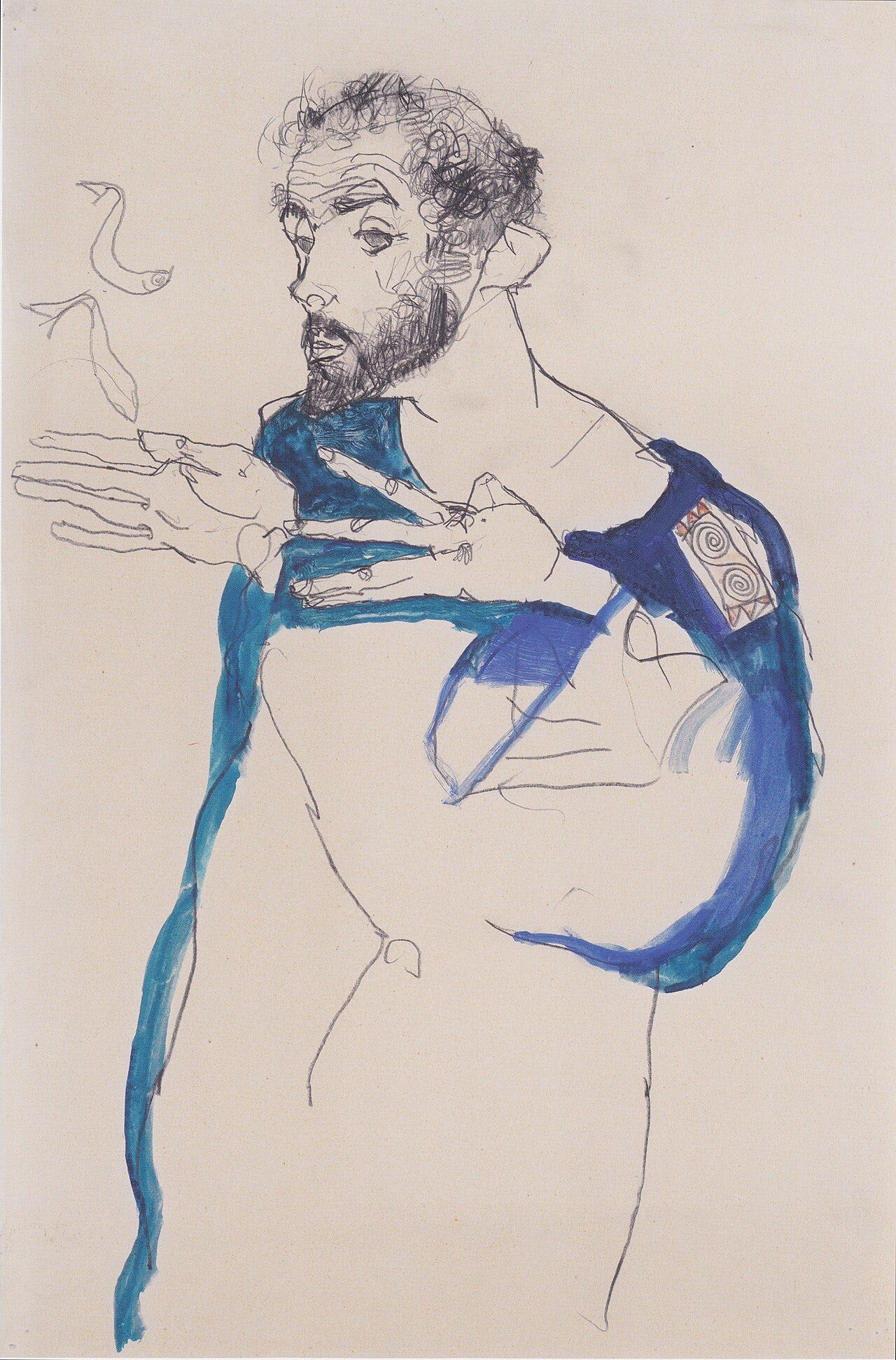
In front of the canvas stands a man in a long blue smock. His gray beard grazes the painted surface when he leans in.
Stroke by stroke, he copies a young woman's face onto it.
His name is Gustav Klimt. The richest families in Vienna compete for his portraits, and several of the most prominent women in the city have sat in this studio.
The young woman is not sitting for him. Klimt works from a photograph propped under the lamp. His eyes drop to it, rise to the painted face, drop again.
A mother gave him that photograph.
Her daughter is dead.
Vienna, 1911
Her name was Maria Munk. Everyone called her Ria. She was 24 years old, and she was going to be married.
The daughter of Alexander and Aranka Munk, Viennese industrialists, she lived with her parents in a large house in Währing, on the northwest side of the city.
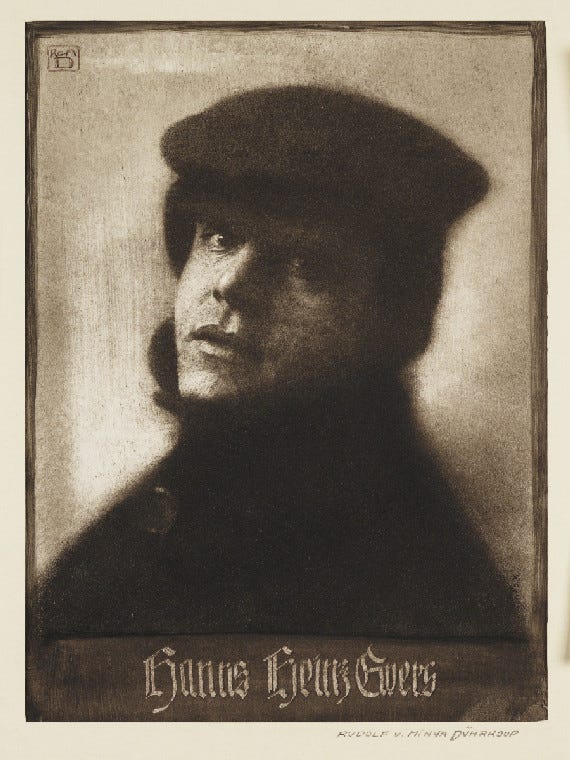
Her fiancé was Hanns Heinz Ewers, a German writer whose horror stories sold well. He was 16 years older than Ria.
The engagement bound both families. Each side had given its word. Aranka had promised the writer a considerable dowry, plus a generous allowance.
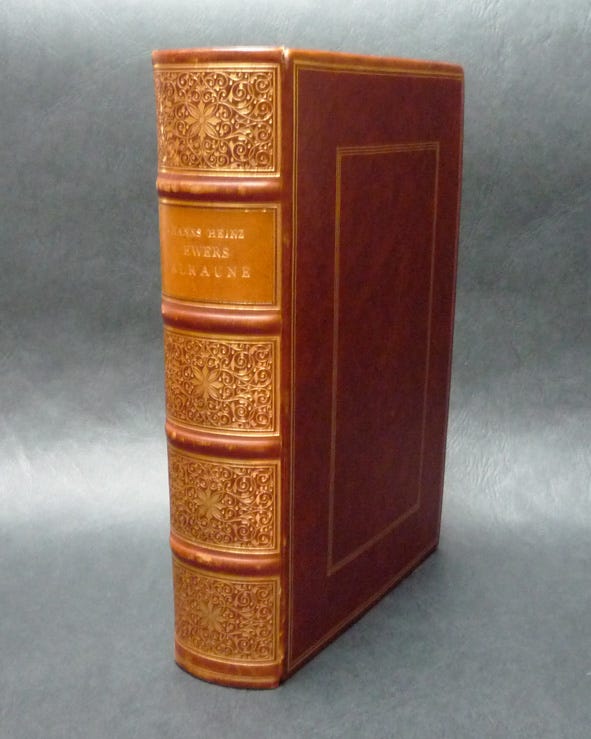
That year, in 1911, Ewers published a new novel. It hit the bookshops in early December. It was called Alraune, the German name for the mandrake, the root that legend says grows in the shape of a man.
Its heroine: a woman born of an experiment, a creature obsessed with sex, who seduced and destroyed every man who came near her, one after another.
She gave the book its name.
The novel caused a scandal. Vienna passed it hand to hand, from the bookshops downtown to the drawing rooms of the wealthy districts.
The novel named no one. Still, the whole city began to see the writer's fiancée in that character. The woman in the book, the Munk girl.
The marriage was not happening. Ewers hesitated. In the end he wanted out completely. The dowry changed nothing.
The break came by mail. A letter addressed to Ria, in handwriting she knew.
In it Ewers ended their engagement. Ria, he wrote, was an incorrigible romantic. A dreamer who mistook life for a novel. And he released her from her promise.
Christmas passed. Then the last days of the year, gray and short.
On December 28, 1911, at noon, in her parents' house, Ria took a revolver and shot herself in the chest, over the heart.
Discover my new newsletter !

A Posthumous Portrait
A few months later, in 1912, Alexander and Aranka Munk come to Gustav Klimt with a commission: a posthumous portrait of their daughter.
The request is simple. A portrait of Ria, to be made without her, without a single sitting.
A sister of Aranka's makes the connection. Her name is Serena Lederer. She brings Klimt's name to Aranka.
Serena and her husband August own the largest Klimt collection in Vienna. In their apartment his paintings cover the walls, from the drawing room to the bedrooms.
The painter has already painted Serena, and her mother before her. He accepts the Munk commission.
At Aranka's
Klimt goes to work.
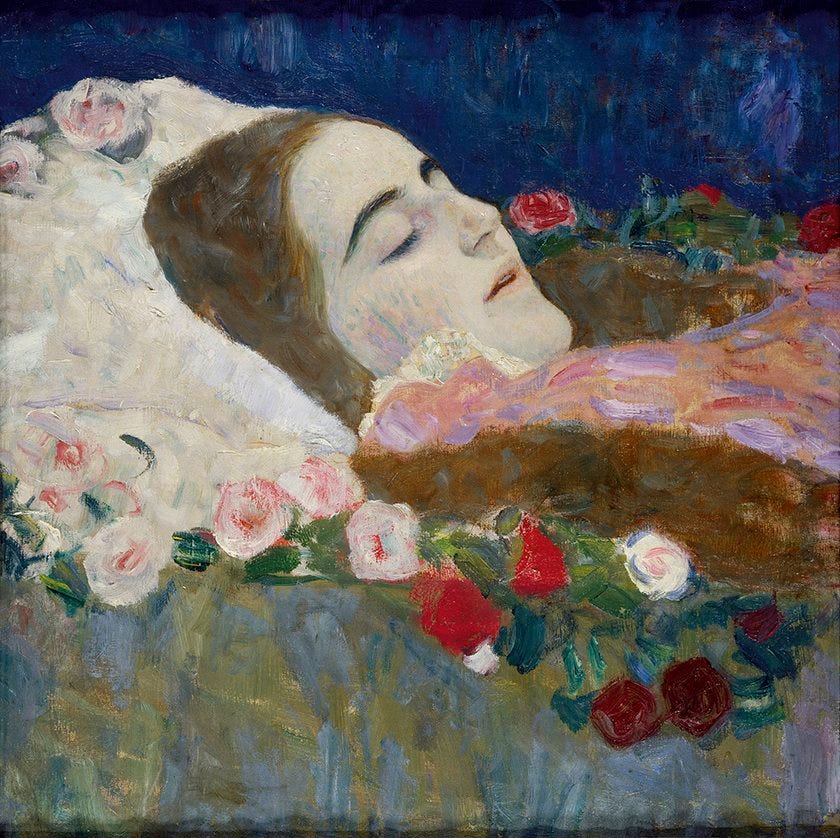
He paints Ria lying on a bed of flowers, at peace, like a tragic heroine asleep. A small painting, almost square, tight on the face. Around her, nothing but flowers, dense and colored, out to the edges.
The painting is finished within the year, and Klimt has it wrapped and carries it to Aranka himself, his hat in his hand.
In the drawing room he leans the painting against a wall, undoes the wrapping and steps back to let Aranka take her place in front of it.
She remains standing. A long moment. Without a word.
In front of her, her daughter's face.
Klimt waits, standing too, beside his painting. The silence holds.
Then Aranka asks him to take the painting back, and she leaves the room.
This is not the first refusal of his career. In 1905 the University of Vienna had commissioned large canvases from him for its ceiling; they caused a scandal before they were even installed, and Klimt took them back. But the client then was an institution. This is the first time a private client has refused him.
Klimt wraps the portrait again alone, in the empty drawing room, and goes home with the canvas under his arm.
He goes back to work.
He will paint this face for five years..