

170 000+ readers. Learn art the fun way.
This is a preview. Paid subscribers get the full story.
You’ll also get:
10 new stories every month
The full archive (130+ Art stories)
Your personal art guide. Comment, ask questions, DM me anytime
iPhone user? Subscribe at coolstoriesabout.art, not via the app. Apple adds 30% to the price.
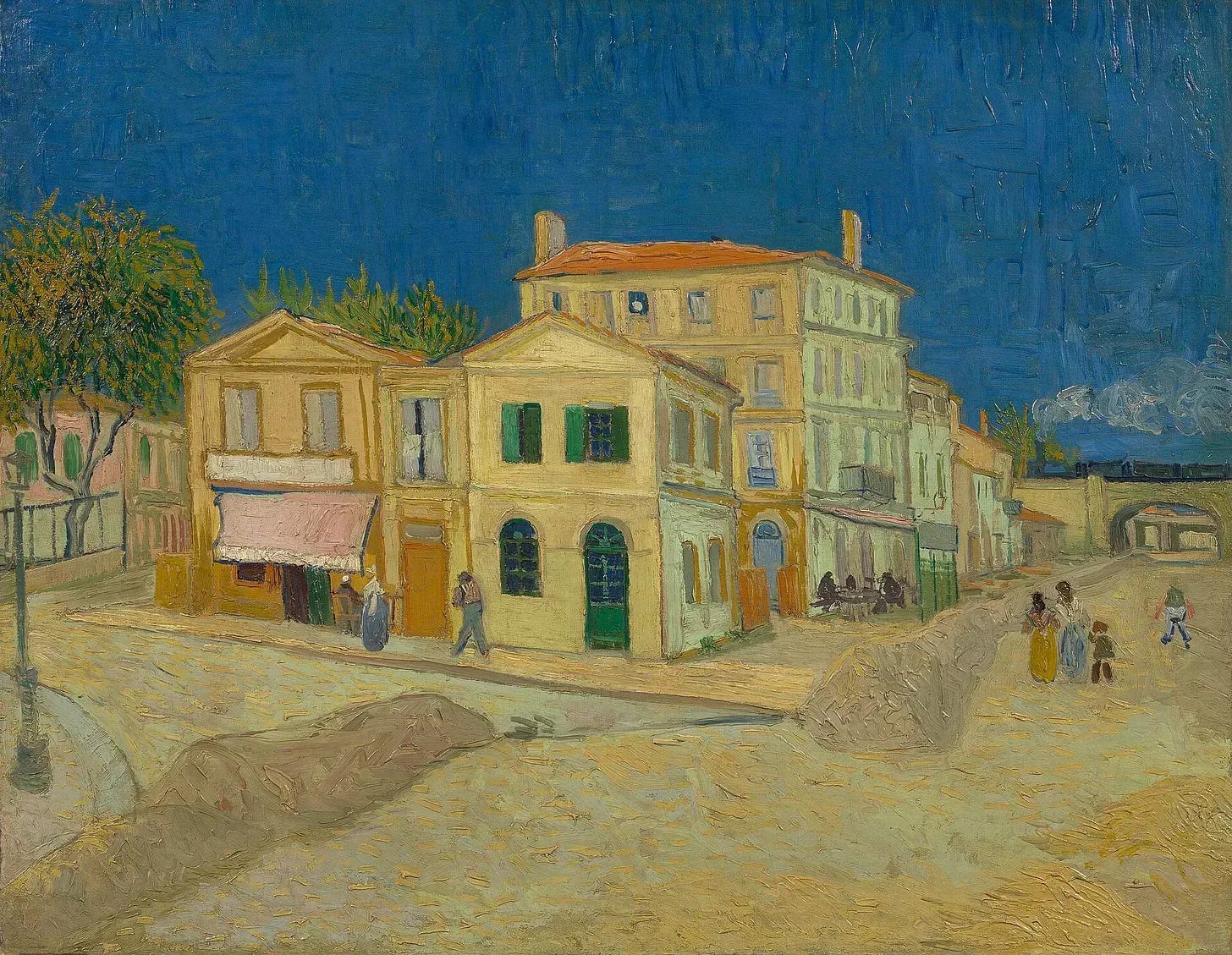
Arles, summer of 1888.
Vincent van Gogh is 35, and he has just rented four rooms in a house painted yellow, on place Lamartine.
He writes to his brother Theo almost every day.
In one of those letters, he lays down a rule that will decide everything he paints from then on.
There is no blue without orange.
This color has something blue, red and green do not have.
Europe painted it for thousands of years before it had a word for it.
Its story begins on a limestone wall, in the Dordogne, in southwest France.
The Horse at Lascaux
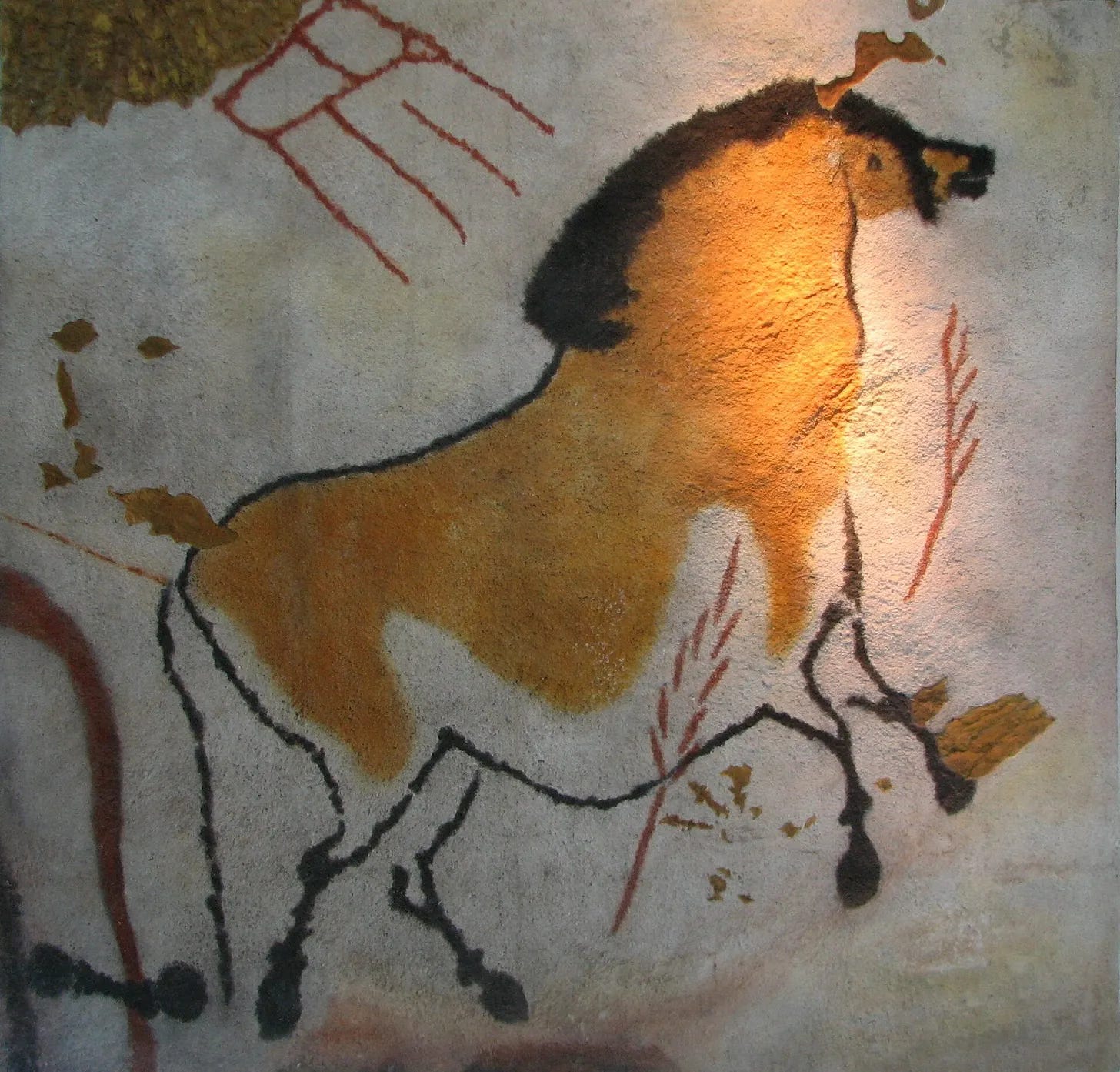
On the wall of a cave, a horse has been running for 17,000 years.
Its coat is orange.
Whoever painted it did not go far to find the color. He picked up dirt.
Some soils contain iron oxides. You wash them, you dry them, you grind them, and what is left is a powder that runs from red to brown, passing through that warm shade in the middle.
That is ocher. Pigment makers still work this way today.
This orange costs nothing. It is under your feet, it does not fade, and the horse at Lascaux is still there to prove it.
It has one flaw.
It is dull.
This is the orange of earth, not the orange of fire. It can carry a shadow or a roof tile. It cannot carry a sky.
So Europe has an orange, but a weak one. Another exists, far cleaner, and you have to go three thousand kilometers to find it, in the tombs of Egypt.
The Stone from the Nile
Around 3000 BCE, on the banks of the Nile, painters no longer get their orange by grinding earth. They take it from a crystal.
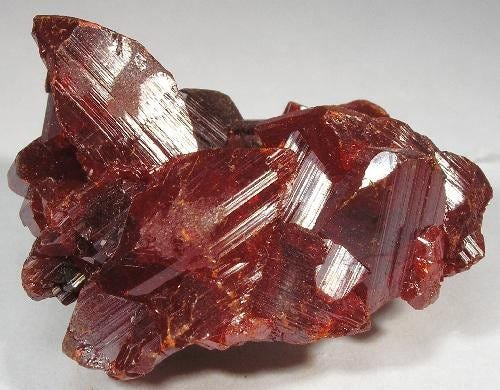
It is called realgar. A stone of a saturated red orange, stronger than any earth, found near hot springs and volcanic ground.
It is also arsenic sulfide.
The Egyptians grind it for their tomb paintings. Indian, Chinese and Persian painters use it too, because the stone comes out of the ground where they live.
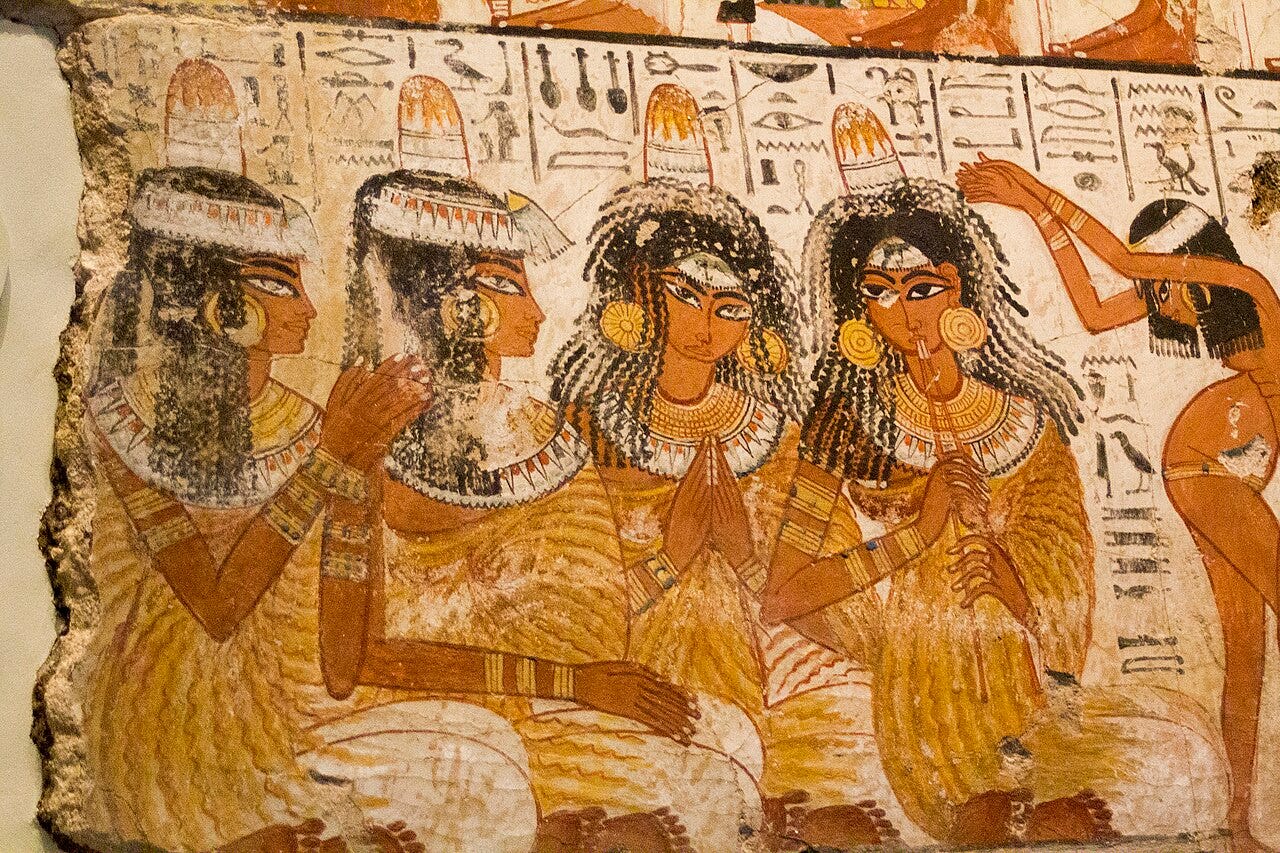
It has a golden yellow twin, orpiment, made of the same arsenic, which alchemists took for a lead toward gold.
European deposits are too poor to supply a workshop. So both stones arrive a trickle at a time, through apothecaries, and they serve as much to paint with as to kill rats.
Realgar also comes with a problem that painters discover the hard way.
Under strong light, it loses color and turns yellow. Mixed with oil, it cracks and blows apart the paint layer that carries it.
That is the only saturated orange available to a European workshop. An imported stone, toxic, and unstable on canvas.
Two thousand years later, between Persia and India, the same color is picked in a field.
Three Threads
In India, in Persia and in Southeast Asia, this orange does not come out of a mine. It comes out of fields of flowers.
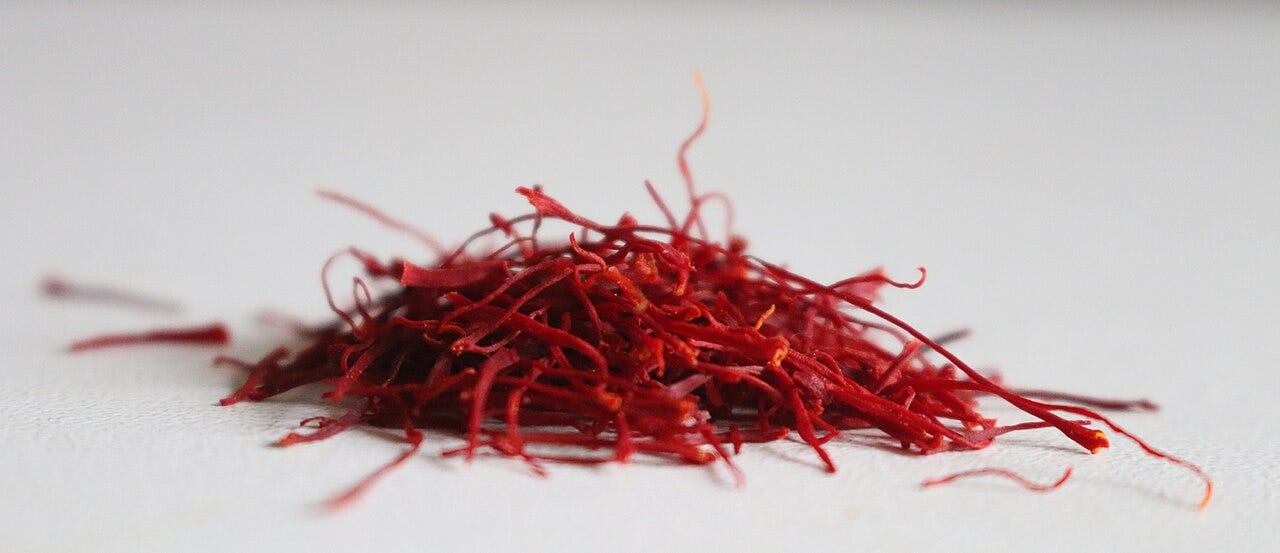
The crocus blooms in autumn. At the heart of every flower, three red threads.
It takes about 170,000 flowers to get a kilo of dried threads, and all of it is picked by hand.
This is saffron. It dyes cloth a deep yellow orange, and for centuries it is the most expensive spice in the world. In much of Asia, the color is named after it.
Too expensive, in fact, to dye anything but court fabrics.
For everyday use, two plants give almost the same shade and cost nothing. Turmeric grows everywhere. Jackfruit wood is cut into chips and boiled.
The monks
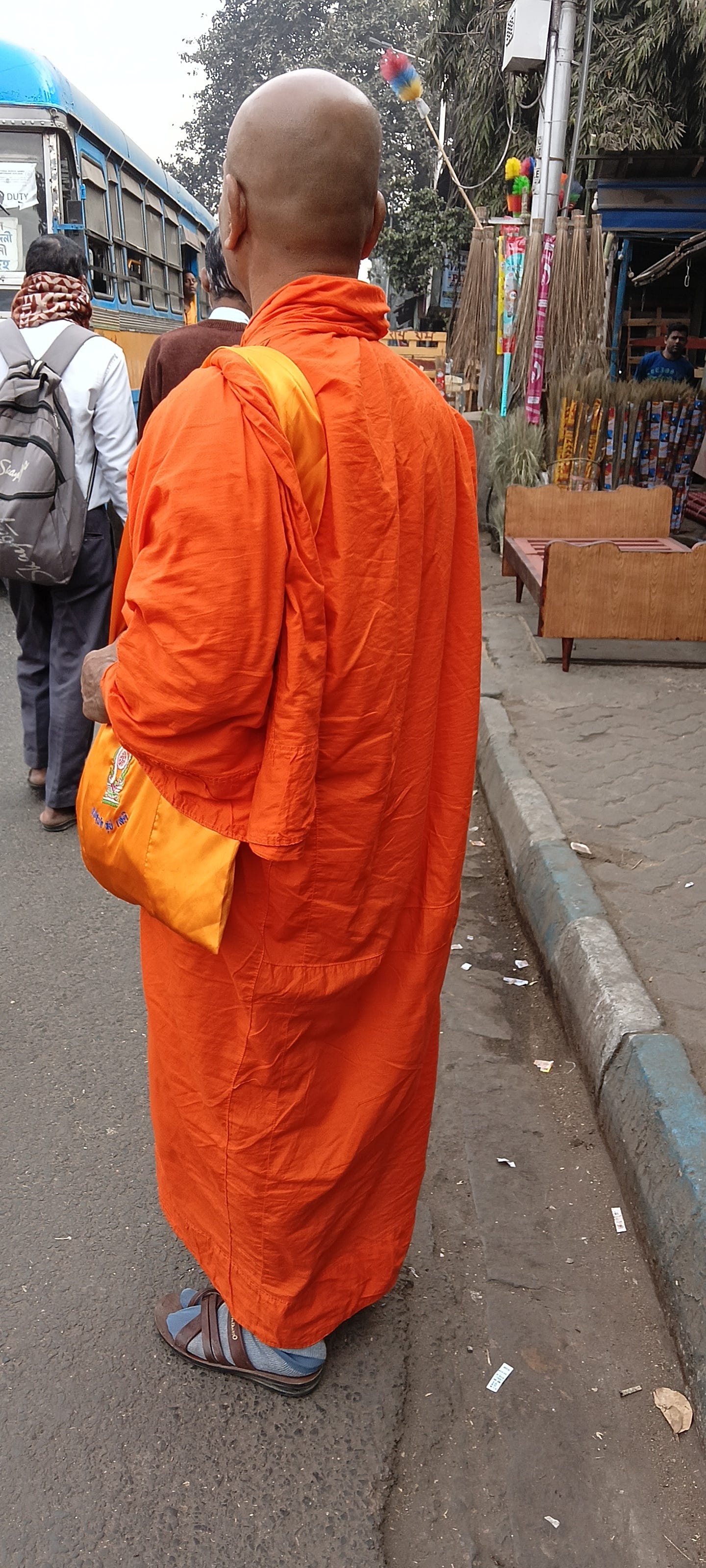
These are the two plants Buddhist monks use to dye their robes. Their rule forbids them from owning anything, so they stitch together discarded cloth and dye it with whatever grows by the roadside.
The cheapest garment in the world becomes the mark of those who have given everything up, and it has stayed that way. Monks still wear it today.
Hindu ascetics dress in the same shade, for the same reason. India will later put it at the top of its flag.

When that same shade reaches Rome, its meaning flips completely.
Discover my new newsletter !

The Drunken God
What is ordinary in the markets of India becomes a luxury in the markets of Rome.
Saffron travels by caravan from Persia, and cloth dyed this color is expensive. So you wear it to show that you can afford it, at banquets and at feasts.
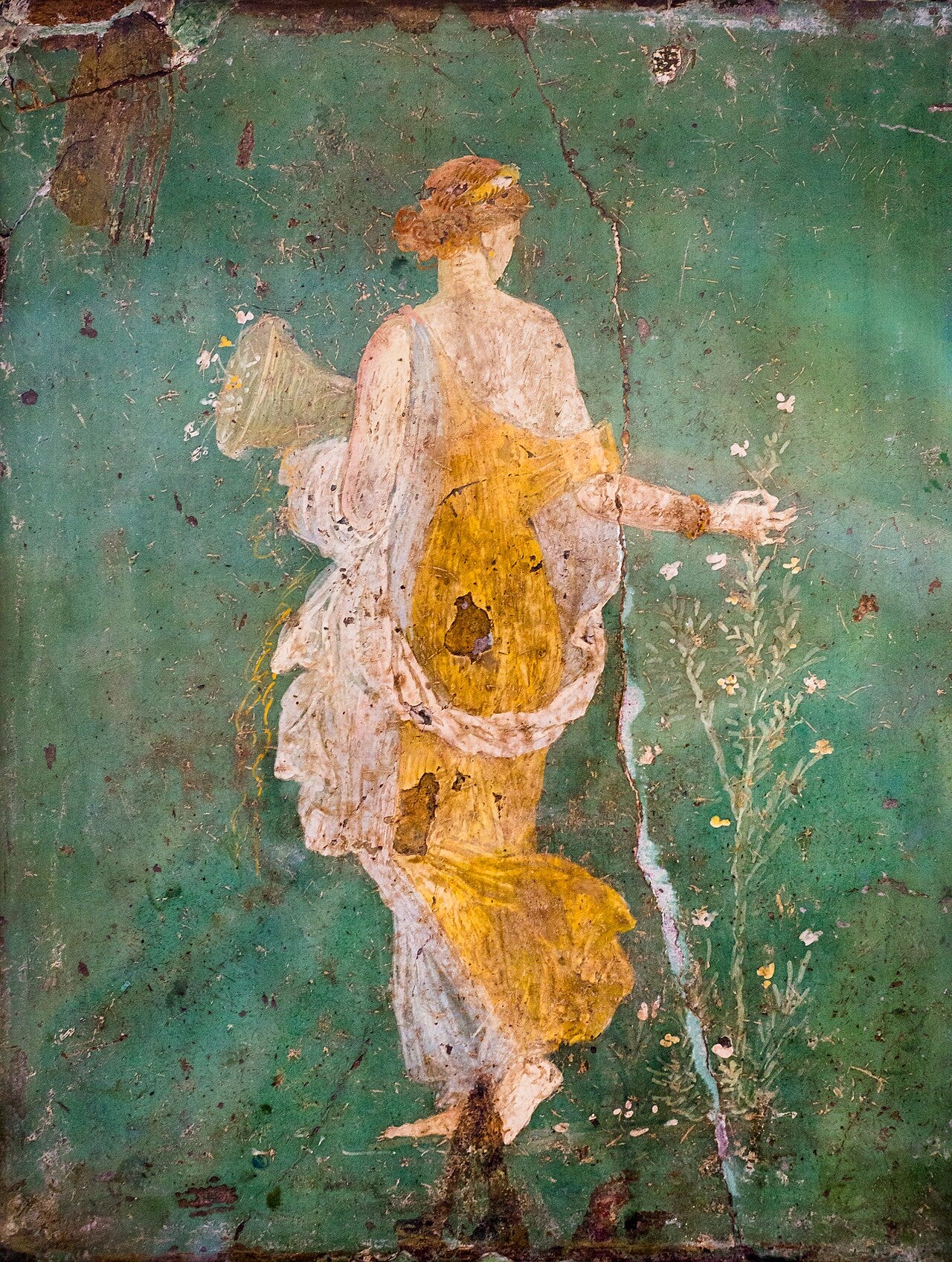
A color of spending and excess ends up belonging to the god of spending and excess. Dionysus for the Greeks, Bacchus for the Romans, god of wine and of going too far.
He is shown draped in orange, and so are the women who follow him.
In India, the color of the man who has left everything behind. In Rome, the color of the man who denies himself nothing.
Medieval Europe will inherit the second reading. A color of pleasure and celebration, used sparingly because it stays out of reach.
Yellow Red
Unable to buy the stone from the East, medieval workshops make their own orange.
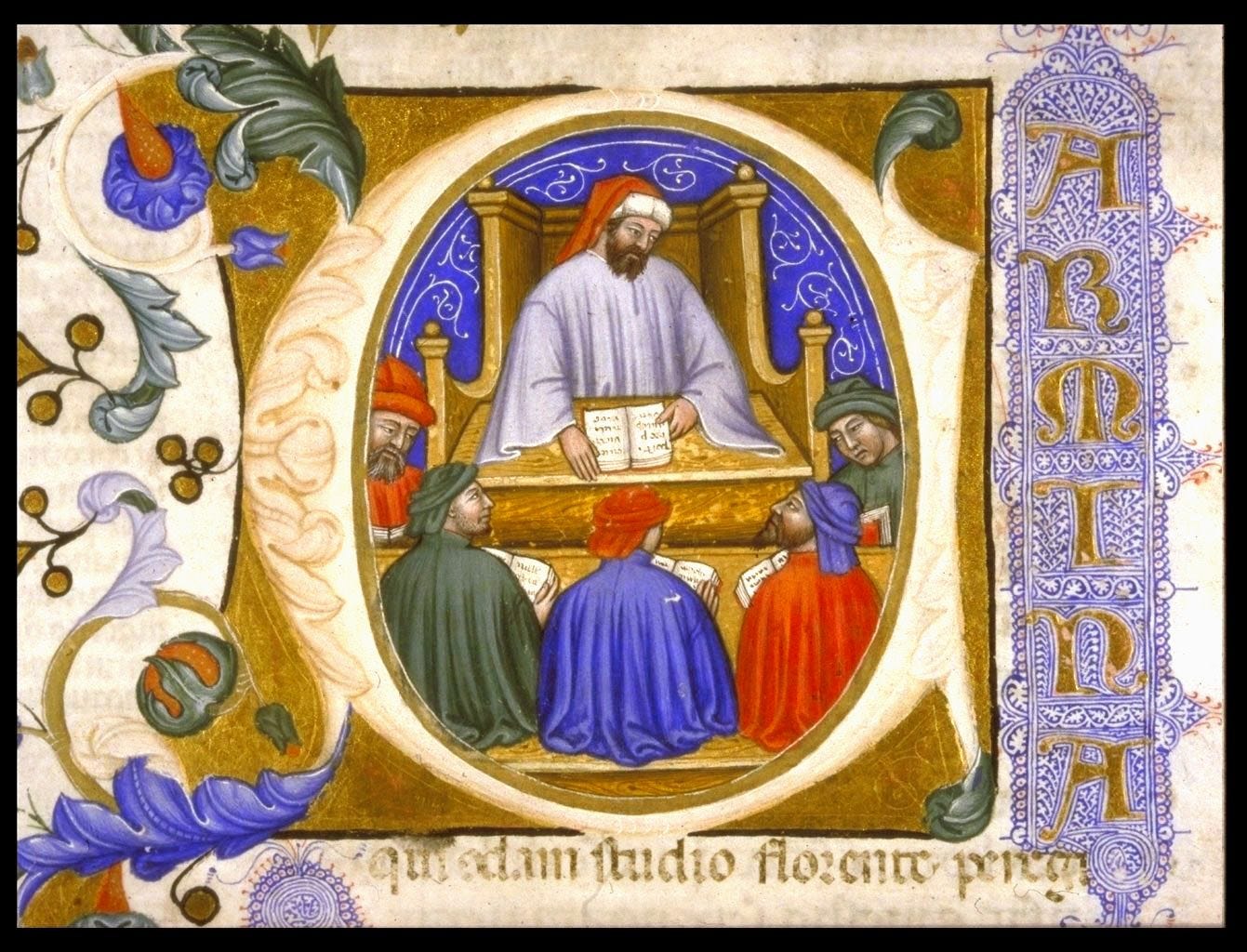
The main one is red lead. You get it by heating lead, it costs almost nothing, and illuminators, the painters who decorate manuscripts by hand, cover their pages with it.
This pigment is so common in books that it ends up naming the work itself. To paint with red lead is miniare in Latin. That verb is where the word miniature comes from.
So Europe has two oranges it can produce on its own, and neither is the right one. Ocher is dull. Red lead leans toward red and darkens over the years.
Saturated orange, the one that tilts neither toward earth nor toward red, remains an import.
One city has it
One city in Europe gets it without trouble, and that city is a port.
Everything coming from the Levant enters through the docks of Venice. From the 1490s on, realgar arrives there regularly, and it is sold in shops by merchants whose trade exists nowhere else in Europe, the vendecolori.
A Venetian painter buys in one morning what a Florentine painter has to order from far away.
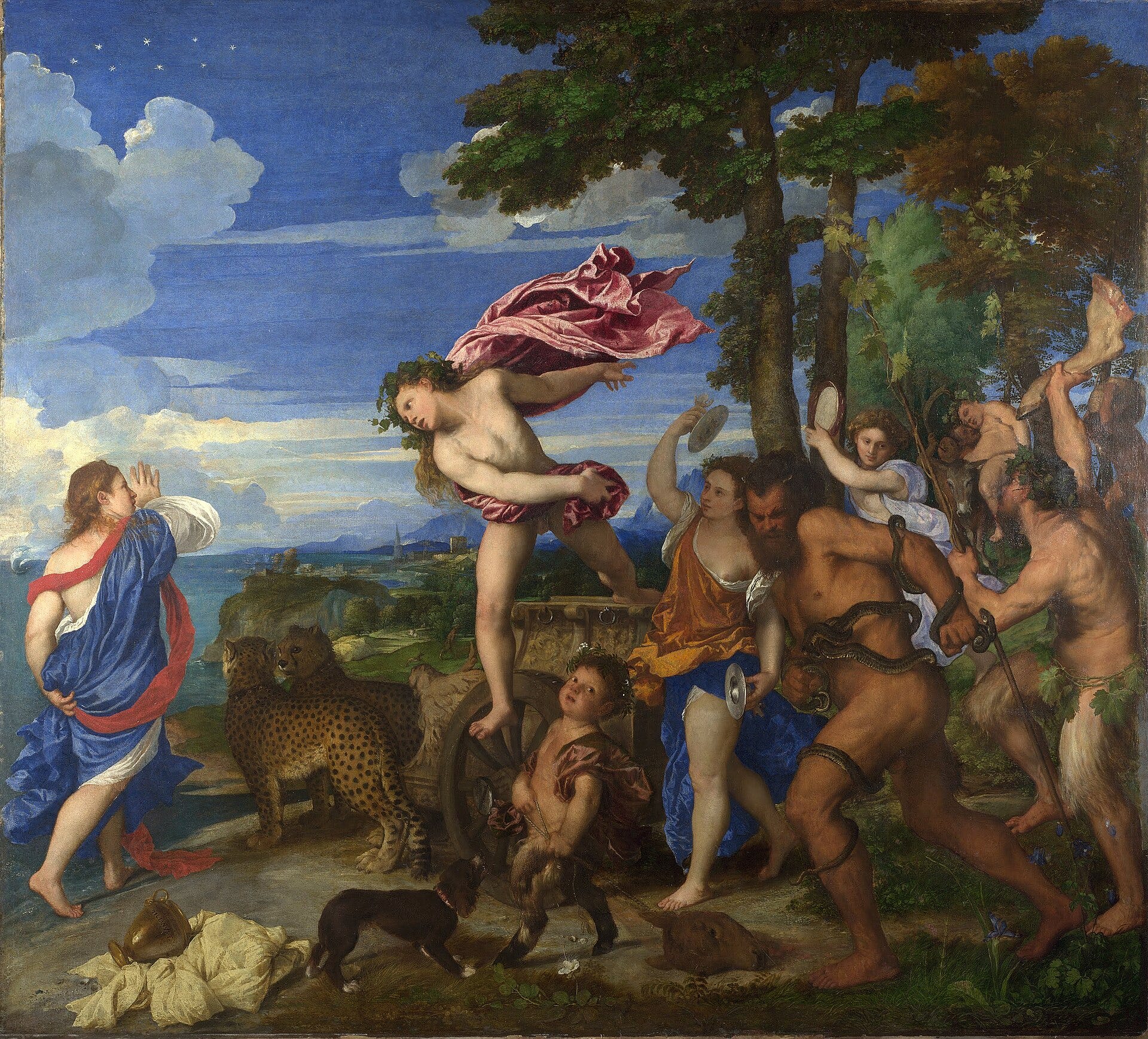
Titian has it ground for the drapery of the cymbal player in his Bacchus and Ariadne, painted between 1520 and 1523. Veronese and Tintoretto do the same, and this orange becomes a signature of the city.
Everywhere else in Europe, painters stay with ocher and red lead.
And still no word
For the color itself, though, Europe still has no vocabulary.
It is in the tombs, on the robes of monks, on the back of Bacchus, in books and on Venetian drapery. Painters measure it out by the gram, illuminators handle it every day.
And when they have to name it, everyone improvises.
In Old English, they say geoluread. Two words stuck together: yellow red.
In medieval French, they circle around it, they describe it, they compare it.
You do not name what you do not own.
It will take a ship.
A cargo out of Asia, and a word that will have crossed Sanskrit, Persian, Arabic and Spanish before it gets here.
The day that cargo lands in Europe, the color finally gets a name.
And from that day on, everything moves fast…