How Did Edouard Manet Die? Cause and Final Years

Edouard Manet died on 30 April 1883 in Paris at fifty one. Years of untreated syphilis had caused locomotor ataxia, a slow breakdown of nerve control that left him in constant pain.

Gangrene set into his left foot, doctors amputated the leg below the knee, and Manet died eleven days later from the operation.

What gets me about Manet's death is how quietly it was managed. Paris knew him as the painter who scandalized the Salon with Olympia, yet almost nobody outside his closest circle knew he had spent his final years unable to walk without pain. I think that silence tells you more about nineteenth century attitudes toward syphilis than any medical record does.

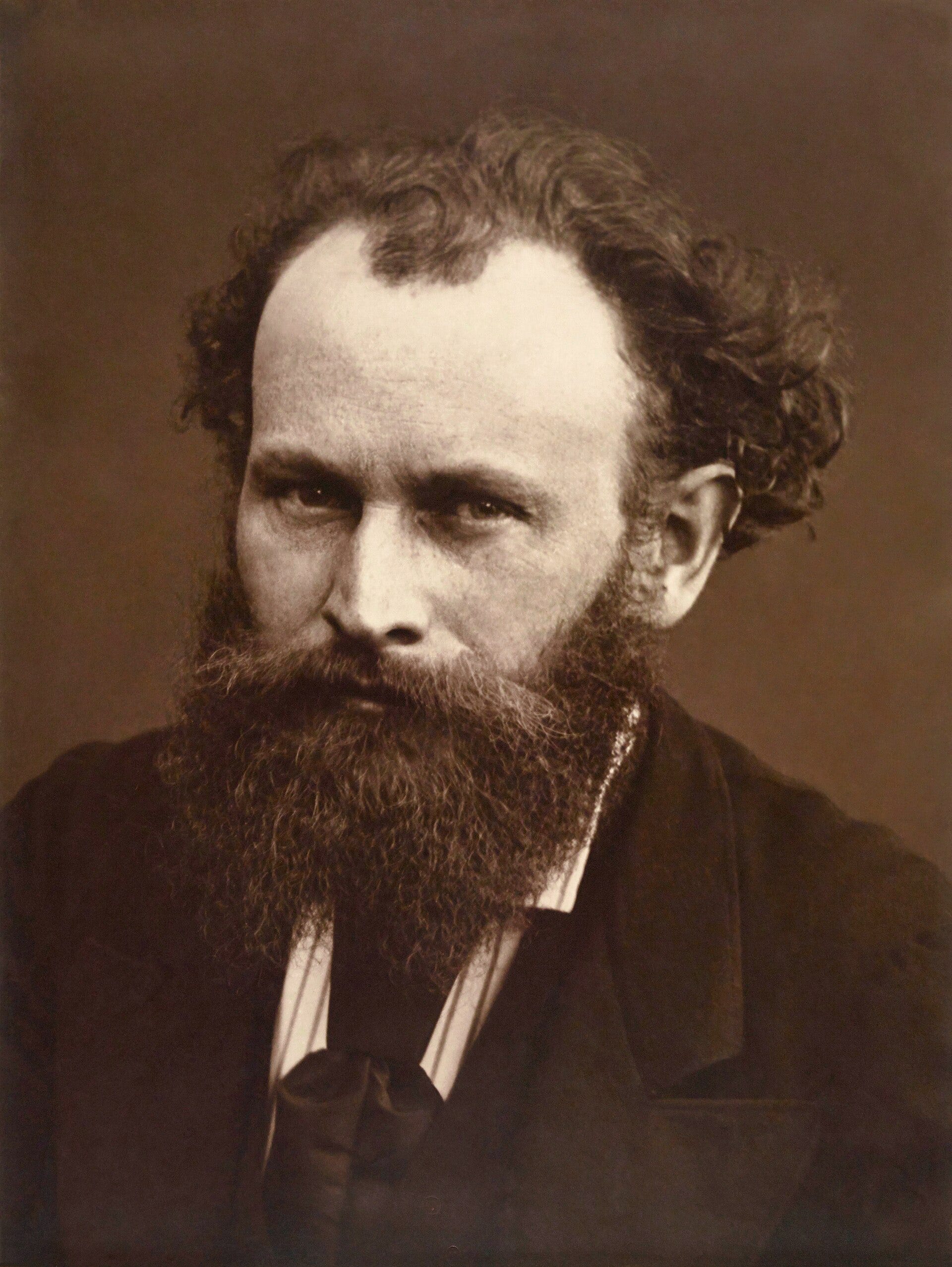
Photograph portrait of Edouard Manet
Edouard Manet photographed by Nadar in the 1870s, roughly a decade before his death.

Learn art the fun way. Free stories every week, no boring lectures.


The Short Answer

Edouard Manet died on 30 April 1883 in his apartment in Paris. He was fifty one years old.

The direct cause was a surgical amputation of his gangrenous left leg. The gangrene itself was the last stage of syphilis he had carried, untreated, for years.

Doctors at the time rarely named the disease out loud. Newspapers wrote about rheumatism and paralysis instead.

The disease behind all of it was rarely printed in French papers of the period. Readers were told he suffered from ataxia and gangrene, not what actually caused either one.

How Syphilis Took Hold

Manet is believed to have contracted syphilis sometime in his twenties or thirties, decades before it killed him.

The disease can stay quiet for years before its final stage attacks the nervous system. That is exactly what happened to Manet in the eighteen seventies.

By 1875 he was already complaining of leg pain and a strange, dragging gait that friends noticed but rarely mentioned in writing.

Historians studying his correspondence and medical accounts now generally treat the syphilis diagnosis as settled, even though it was never stated plainly in his lifetime records.

Manet's willingness to paint what shocked the Paris Salon puts him easily among the 5 artists who broke the rules forever, sick or not.

The Symptoms Paris Did Not See

The medical name for what Manet developed is locomotor ataxia, now usually called tabes dorsalis. It destroys the nerves that carry balance and coordination signals from the spinal cord.

He lost the ability to judge where his own feet were without looking at them. Walking became a conscious, exhausting act.

In public he masked it as best he could. In his studio, sessions grew shorter and more painful each year.

Contemporaries described a sudden change in his gait around 1879, a detail that reads very differently once you know what was actually happening inside his spinal cord.


Go a little deeper


The Diagnosis His Doctors Would Not Say Out Loud

Nineteenth century French medicine treated syphilis as a private shame, not a subject for polite conversation, even between doctor and dying patient.

Manet's physicians spoke of rheumatism, then of ataxia, and avoided the word that actually explained both.

Whether Manet fully understood the connection himself is still debated by historians who have read his correspondence from those years.

Even close friends like Zola and Monet appear to have understood only the visible parts, the pain and the limp, without necessarily knowing the underlying cause.

Still life painting of flowers in a glass vase by Edouard Manet
One of the small flower still lifes Manet painted in his final year, when standing at a large canvas was no longer possible.

The Paintings He Could Still Make

By 1882 Manet could barely stand at a large canvas. He turned to small flower still lifes he could paint seated, working close to the vase on his table.

Bouquets of lilac, roses and peonies from this period are now read as a record of a body running out of options, not just a change in subject.

Some of these final works are gentler and looser than anything in his official Salon career, painted fast because his strength did not allow for anything slower.

Art historians studying these final canvases point to looser brushwork and smaller formats as direct evidence of how little physical stamina Manet had left by 1882 and 1883.

Self portrait of Edouard Manet holding a palette
Manet painted this self portrait in 1879, four years before his death.

The Amputation

In April 1883 gangrene set into Manet's left foot. Surgeons removed it first, hoping that would be enough.

It was not. Days later they amputated the leg below the knee in a second operation.

Manet died eleven days after that surgery, on 30 April 1883, from the shock and infection his weakened body could not survive.

Surgery of this kind carried serious risk on its own in 1883. Antiseptic technique was still new in French hospitals, and infection following an operation was common.


Cool Stories About Art is a free newsletter. The stories behind the paintings, straight to your inbox.


The Final Hours

Manet spent his last days in and out of consciousness, attended by his wife Suzanne and a small circle of friends.

Antonin Proust, who had known him since school, later wrote about visiting him in those final weeks and finding a man in constant pain but still asking about his paintings.

He died in the early afternoon of 30 April 1883.

Reports from those closest to him describe a man who stayed lucid in short bursts, aware enough to ask visitors about exhibitions and sales even as his body was failing.

Many of the people who sat for him during his healthiest years appear among the 12 famous portraits and the real stories behind them.

Passy Cemetery in Paris
Manet is buried in the Passy Cemetery in Paris.

The Funeral Paris Turned Out For

Manet's funeral drew a crowd that included Claude Monet, Edgar Degas and Emile Zola among the pallbearers.

It was a sharp reversal for an artist who had spent two decades being mocked and rejected by the same Parisian art world now carrying his coffin.

He was buried in the Passy Cemetery in Paris, where his grave can still be visited today.

Emile Zola, who had defended Manet in print since the eighteen sixties when almost no one else would, spoke at the graveside.

What Historians Still Debate

Modern medical historians reviewing Manet's case in specialist journals have pointed to phantom limb pain following his amputation, a sensation still not fully explained even today.

There is also debate over how much mercury based treatment, a common syphilis remedy at the time, may have contributed to his final decline rather than curing anything.

None of this changes the basic sequence of events. It just shows how much modern medicine can still learn by looking back at a documented case from 1883.


Keep reading Cool Stories About Art


Common Questions About Edouard Manet's Death

  • How old was Edouard Manet when he died
    He was fifty one years old. He was born on 23 January 1832 and died on 30 April 1883.

  • Did Manet know he had syphilis
    Historians are not fully certain. His doctors spoke of rheumatism and later ataxia rather than naming the disease, and it is unclear how much Manet was told directly.

  • Was the amputation the actual cause of death
    The amputation itself did not kill him instantly. He died eleven days later from the shock and infection his body could not recover from after the surgery.

  • What is locomotor ataxia
    It is a late stage complication of syphilis that damages the nerves controlling balance and coordination, eventually making walking difficult and painful.

  • Did his illness change how he painted
    In his final year he shifted toward small flower still lifes he could paint while seated, since standing at a large canvas had become too difficult.

  • Who attended Manet's funeral
    Claude Monet, Edgar Degas and Emile Zola were among those who carried his coffin, and Zola also spoke at the graveside.

  • Where is Edouard Manet buried
    He is buried in the Passy Cemetery in Paris, in the same cemetery where Edgar Degas would later be buried.

  • Was syphilis common among artists in Manet's Paris
    It was widespread in nineteenth century Paris generally, though exact numbers among artists specifically are not something historians can measure with any precision.


Join 170,000 readers learning art the fun way. Free stories every week, no boring lectures.