
Francisco Goya died after a stroke at two in the morning on April 16, 1828, in Bordeaux, France. He was 82 and had lived in that city as an exile since 1824.
His body stayed in a French grave for the rest of the century. When Spain finally opened it to bring him home, the skull was missing, and no one has ever proved who took it.
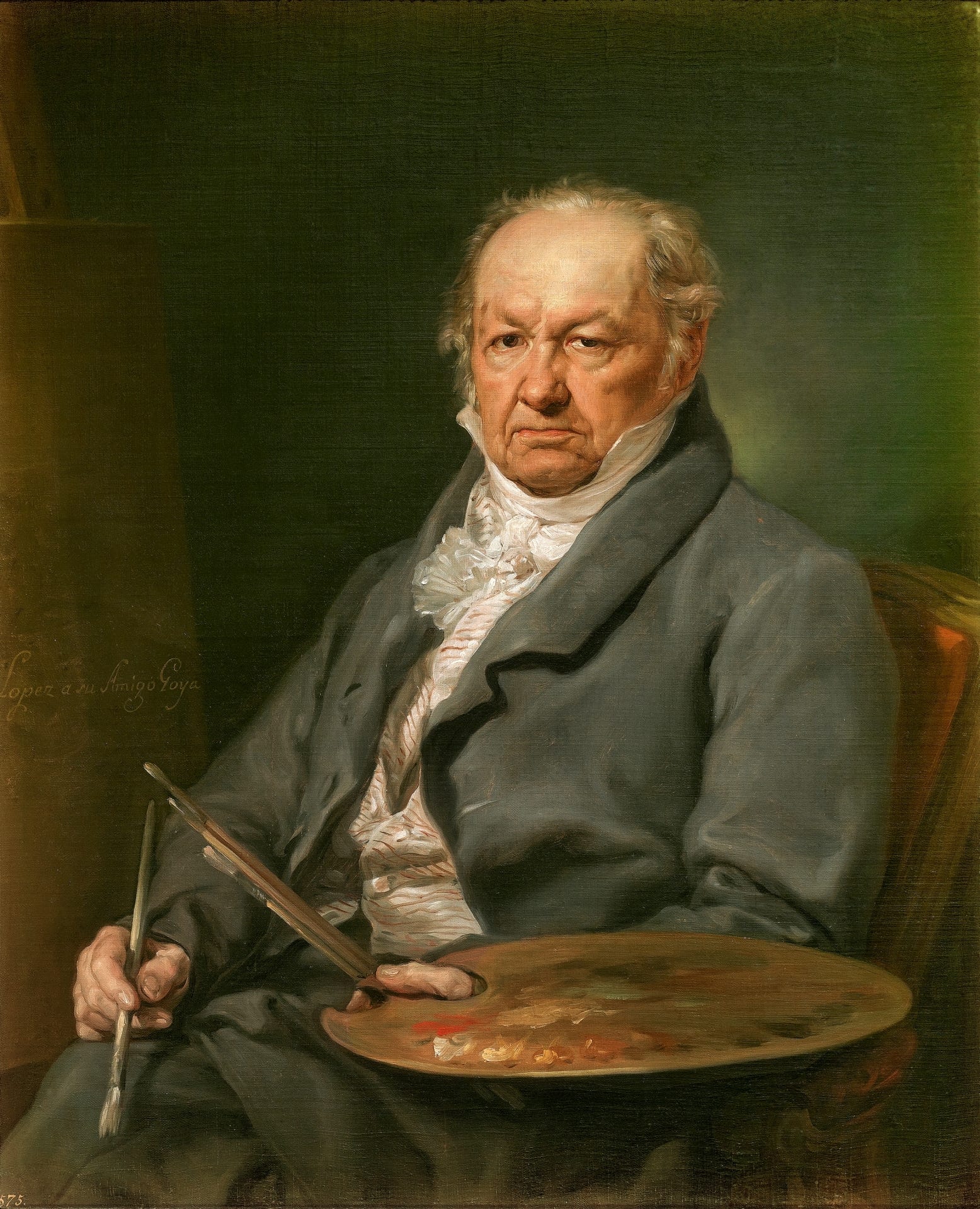
Bordeaux was then a refuge for Spanish liberals, men who had backed the Constitution of 1812, which limited the power of the crown, and who fled when King Ferdinand VII threw it out. Goya was laid to rest among them, in the Chartreuse cemetery, the oldest burial ground in the city.
Cool Stories About Art is a newsletter to learn art the fun way.
Join 200,000+ readers and get:
10 new art stories / month
The entire archive of content (140+ articles)
Comment, ask questions, and chat with other readers
Decades later, Spain wanted its painter back. In 1888 its consul in Bordeaux, Joaquín Pereyra, had the vault opened. Inside were two coffins of the same length and two skeletons, but only one head. The body in the wooden coffin had none.
Pereyra decided that this headless body was Goya's, and Spain took his word for it. Whether he picked the right coffin is still an open question, and so is what became of the head.
Why Goya left for France
Goya's exile began with a purge…
What You'll Discover
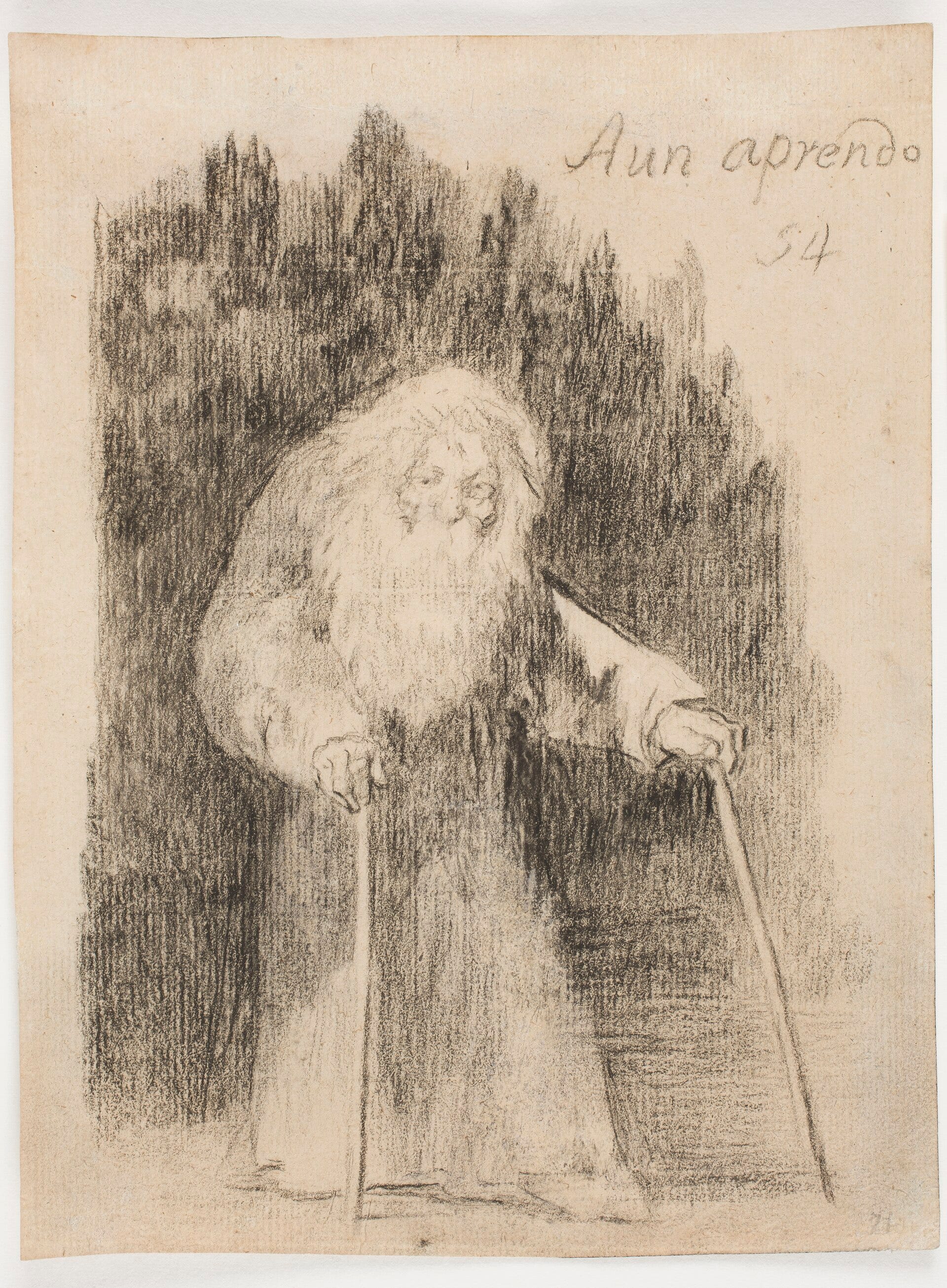
What he wrote beside an old man.
Who shared his grave in Bordeaux.
What Madrid answered about the missing head.
Who took his skull, if anyone.