

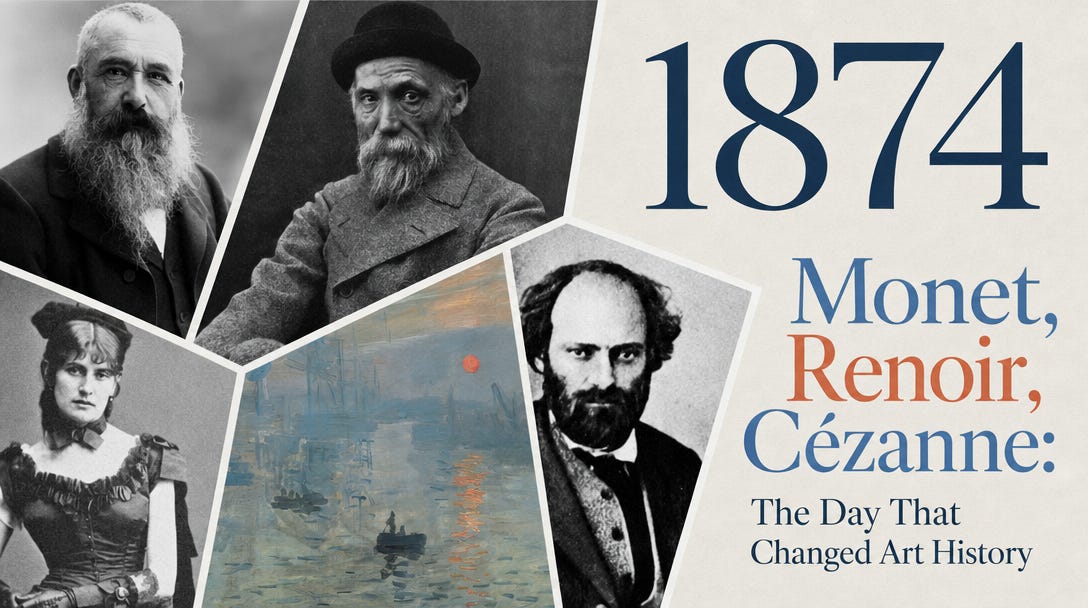
170 000+ readers. Learn art the fun way.
This is a preview. Paid subscribers get the full story.
You’ll also get:
10 new stories every month
The full archive (130+ Art stories)
Your personal art guide. Comment, ask questions, DM me anytime
iPhone user? Subscribe at coolstoriesabout.art, not via the app. Apple adds 30% to the price.
Paris, 14th April 1874.
“Auguste, this canvas ruins everything!”
Pissarro points to the still life by Cals, the eldest of the group.
Too large. Badly hung.
Renoir unhooks the gilded frame under his irritated glare.
Monet walks in, approaches the two men.
“What is going on now?” he asks.
“The placement,” Pissarro answers. “Everything has to be redone.”
Pissarro points a finger at three canvases.
“A lottery would have been fairer.”
Renoir sighs, climbs the stepladder.
Since dawn he has been unhooking, nailing, rehanging.
The last man left from the hanging committee.
“We do not have time for this!” he mutters.
Monet smiles, walks to the window.
Pissarro is forty three years old. A man of principle.
The group’s natural leader, a committed socialist, obsessed with equality, he had demanded a lottery for wall space.
A matter of fairness. In Pontoise, where he lives, money is as scarce as commissions.
Through the glass, boulevard des Capucines stretches out under a spring sky.
It was here, a year earlier, in a nearby café, that Monet had run into Félix Nadar by chance.
The photographer, short on money, was looking to rent out his old studio.
The rent: two thousand and twenty francs a month. A fortune.
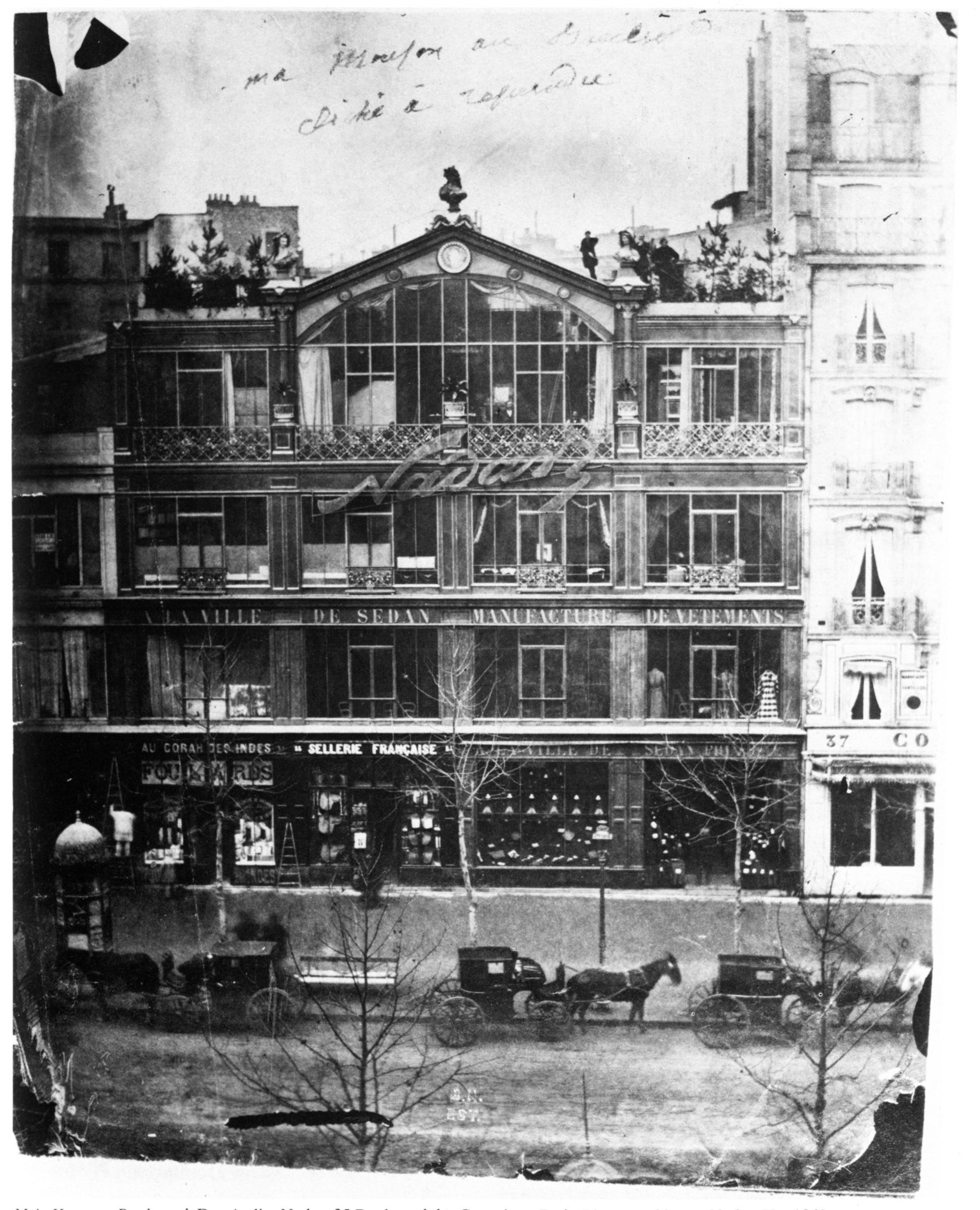
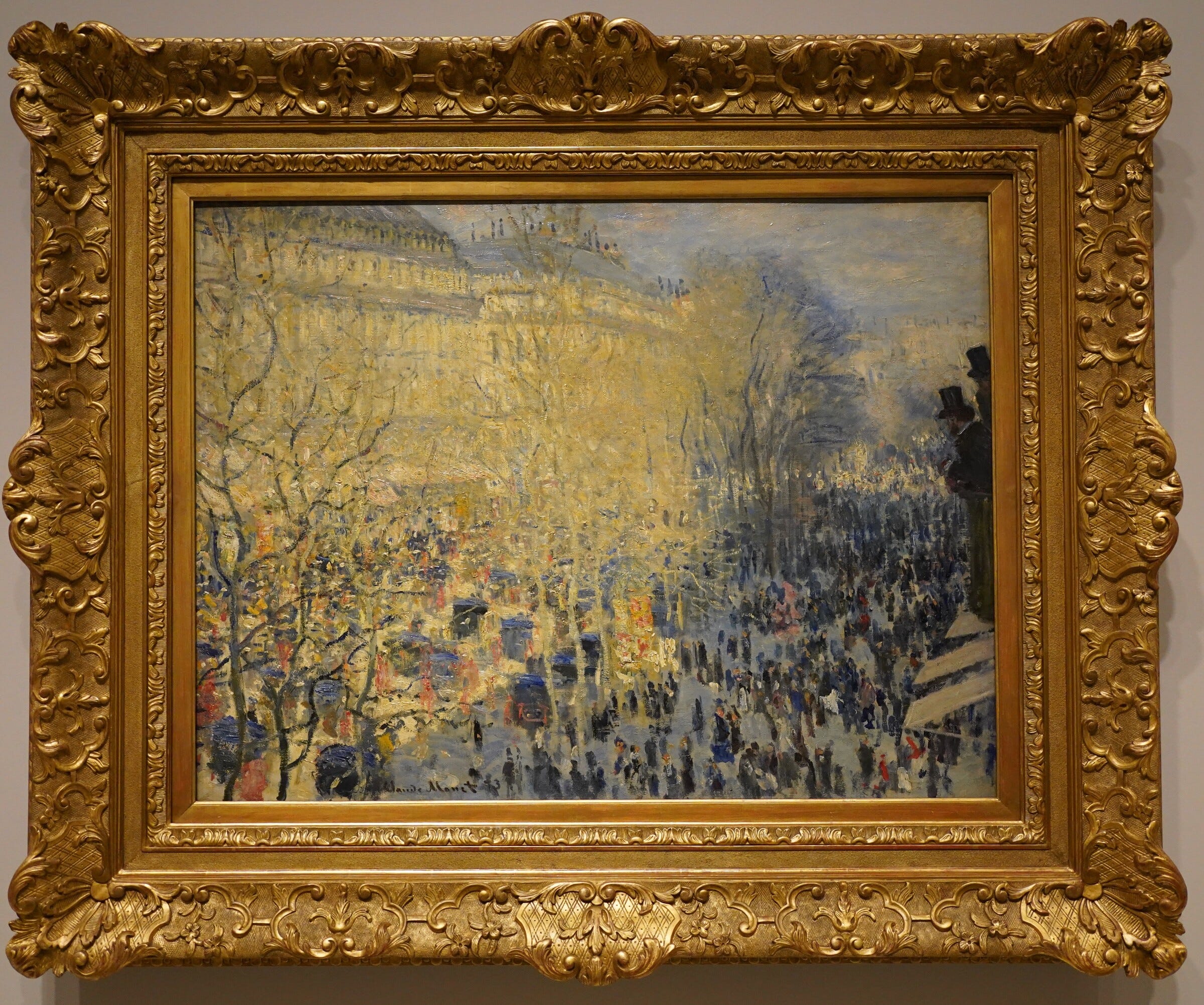
The neighborhood smells of money, luxury, entertainment.
France is steadying its Republic, still nursing the wounds of the Franco Prussian War.
On the boulevard’s sidewalks, bourgeois in frock coats hurry toward cafés and theaters.
Potential buyers, all of them, who might come and purchase their paintings.
The opening is set for tomorrow, 15th April, at ten in the morning, two weeks before the official Salon, the exhibition that actually matters in Paris.
The date is no accident: catch the press and the public before the Salon swallows them whole.
Elsewhere in Paris, they are hanging Chintreuil’s works at the École des Beaux Arts, the Société des Amis des Arts, the Salon des Alsaciens Lorrains.
Competition will be fierce.
“Where is Claude? Where the hell is he?”
Edmond Renoir, Auguste’s brother, comes barreling down a staircase, a catalog under his arm.
He finally spots Monet by the window, calls out.
“Claude, your number 98. View of Le Havre, it is so ordinary. It needs another title for the catalog. The printer is waiting on the corrections.”
Monet studies his canvas.
Le Havre’s harbor in the morning mist. An orange sun set against a bluish haze.
Shapes barely suggested.
“Put Impression.”
Edmond writes it down, then adds on his own: Sunrise.
He hurries off, pressed for time.
Right up to the end, nothing stayed settled. It took fighting. It took persuading.
The venture, with no jury and no medals, frightens more than a few.
They tried everything to bring their “big brother” on board: Manet, the admired iconoclast.
Eleven years earlier, his Luncheon on the Grass had scandalized the Salon des Refusés, where rejected canvases were shown.
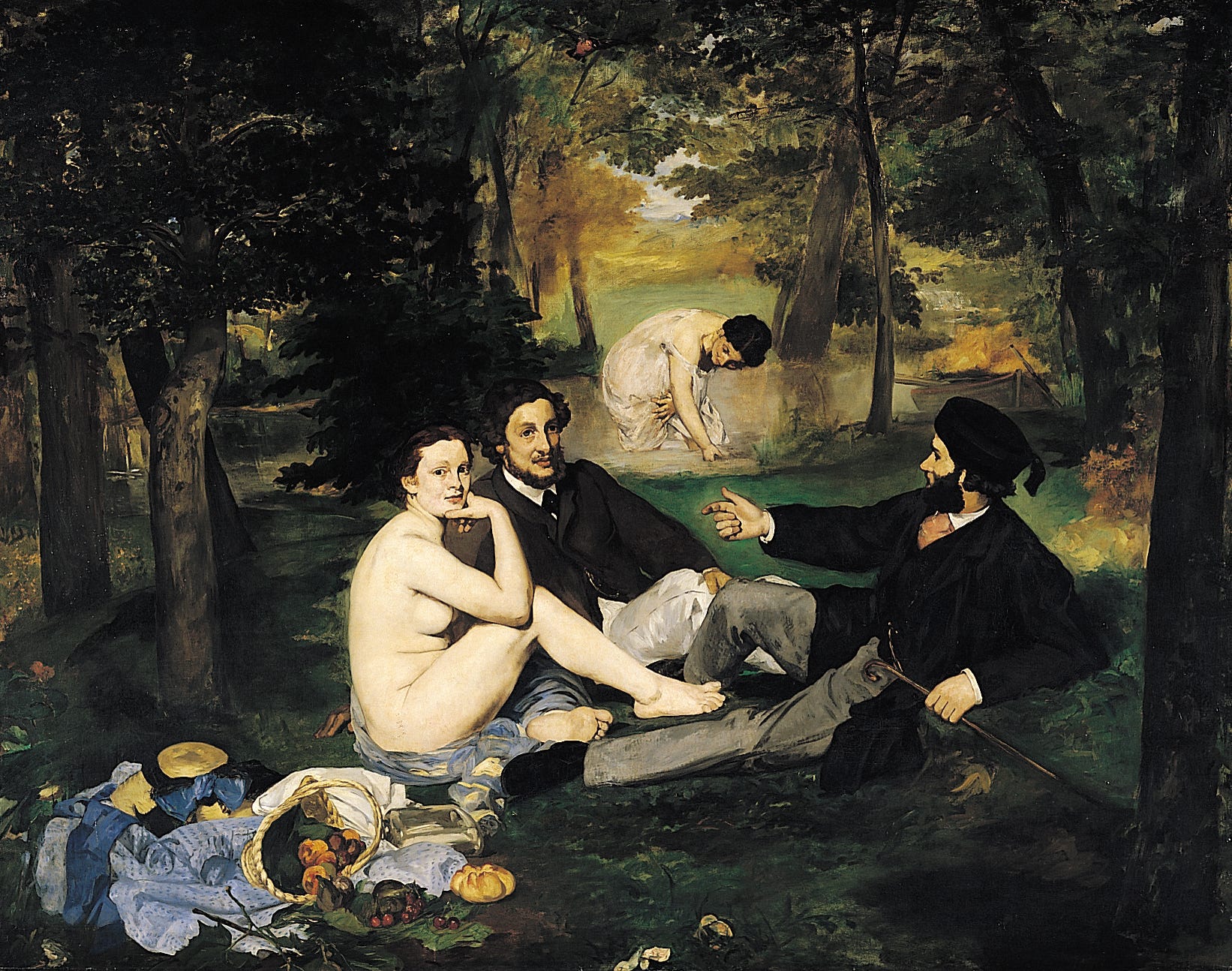
Since then, all of Paris knows his name, and it was exactly that name they wanted beside them.
The painter hesitated, then refused.
The official Salon remained, in his eyes, the real battleground, the only one that mattered.
But he pushed his sister in law, Berthe Morisot, to exhibit with them.
Monet, for his part, convinced his mentor Eugène Boudin.
“How much for the catalog printing?” Pissarro asks.
Monet winces.
“Seven hundred and forty two francs. Alcan Lévy would not give an inch.”
Pissarro whistles. After the rent, the drapery, the lighting: another sizable cost.
Financial necessity is what pushed them to create, on 27th December 1873, the Société Anonyme des artistes peintres, sculpteurs, graveurs, an anonymous cooperative of painters, sculptors, and engravers.
Not a manifesto. Not a school. Not a cause. Just the hunt for buyers.
Pissarro chairs the board. He modeled it on the bakers’ cooperative in Pontoise, their guild structure, a collegial setup.
The artists cut out the middlemen, take charge of getting their own work in front of people.
Sixty francs in annual dues per member, a ten percent cut on sales. In exchange, the right to exhibit freely.
Except freedom, for most of them, also means the freedom to starve.
The Vienna crash of 1873 hit the economy hard.
The few collectors who took any interest in these artists have grown more cautious.
Durand Ruel, their dealer, whose gallery once bought their canvases, can barely make ends meet.
The war ruined most of them.
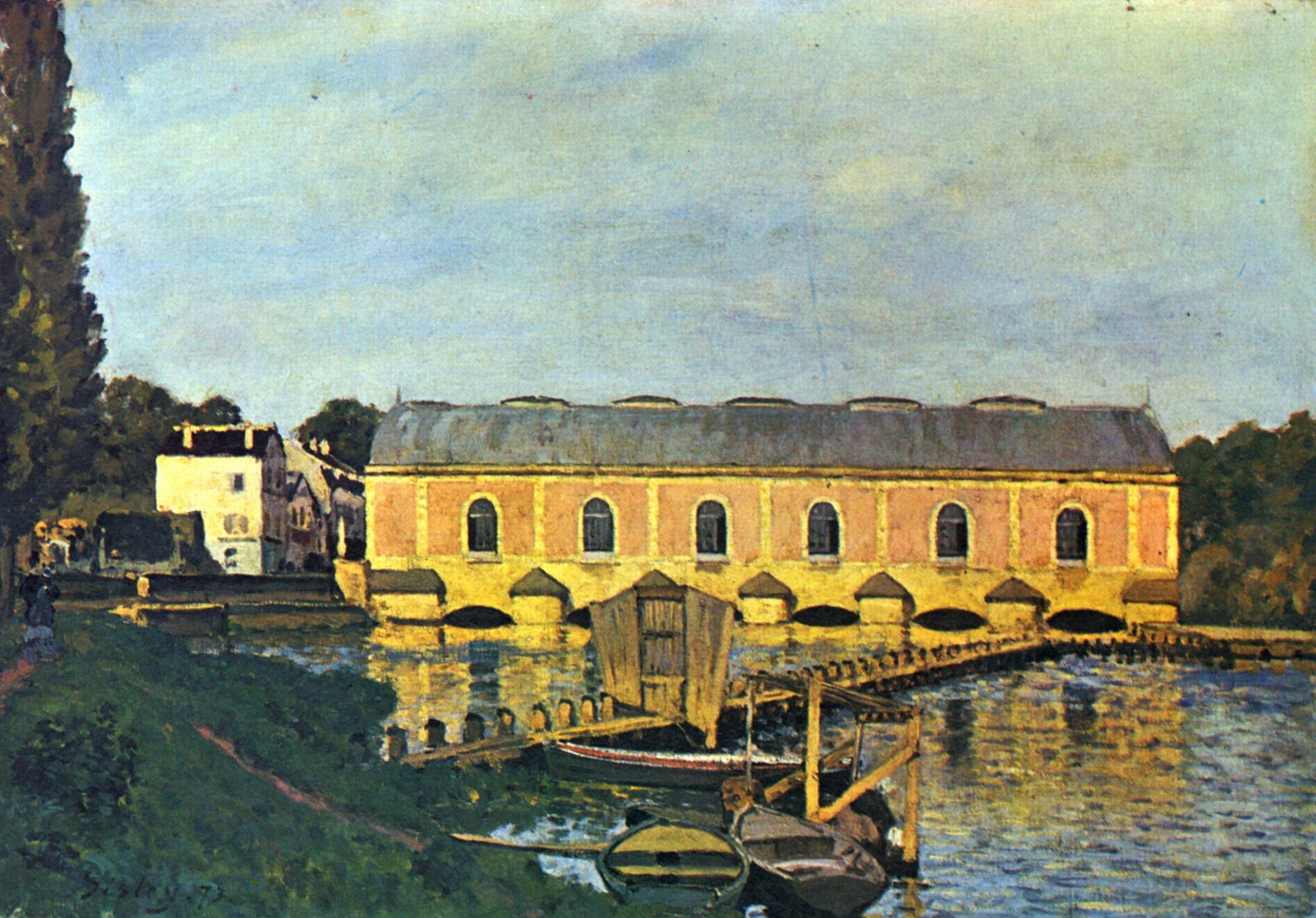
Sisley, thirty four, son of a well off family, has not had a cent to his name since 1870 and has never once been accepted into the Salon.
Pissarro lost one thousand five hundred paintings, looted by the Prussians in Louveciennes.
Monet did show two canvases at the 1865 Salon, even earned some modest praise, but the rejections have piled up since.
In Argenteuil, he skirts poverty. Camille, his wife, mends threadbare clothes.
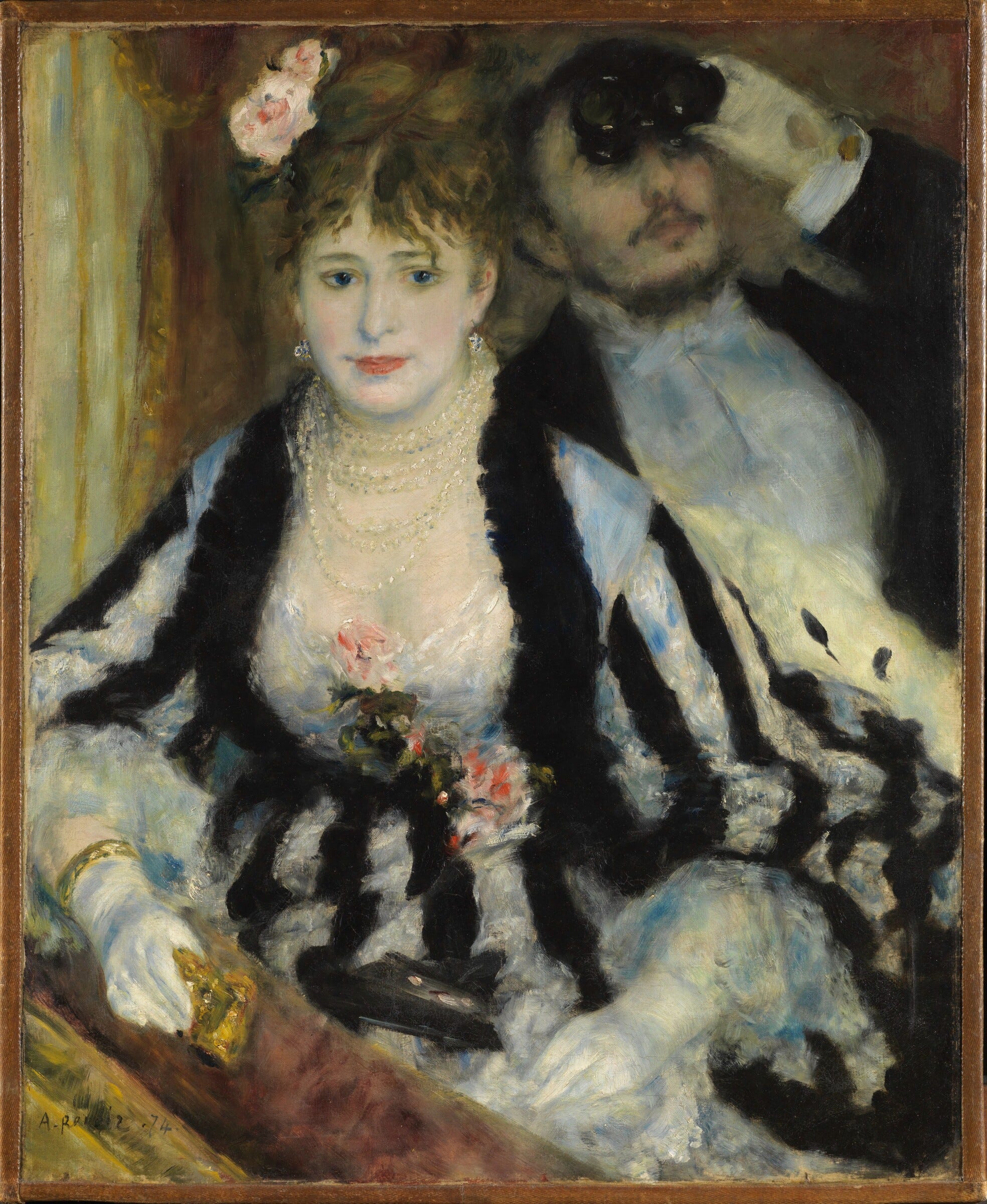
Renoir scrapes by on commissioned portraits and struggles just to pay for paint.
Guillaumin does not live off his painting at all: he works nights for the Paris roads department, the Ponts et Chaussées, and paints by day.
In a corner, Cézanne, thirty five, stands silent, watching.
Beard poorly trimmed, jacket poorly cut. Never once shown at the Salon.
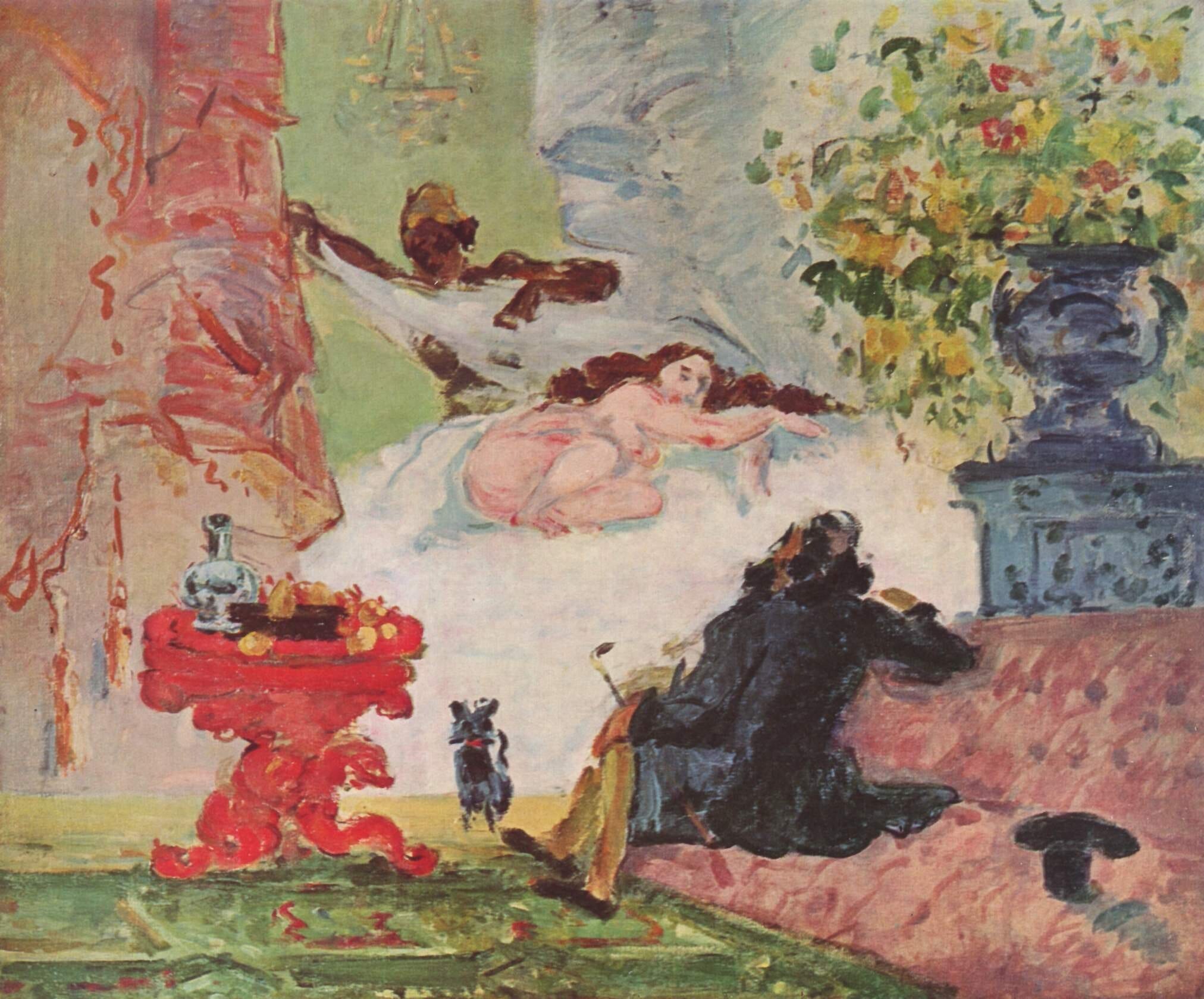
Rejected, mocked, living off his father’s money, he has brought three canvases, including his provocative Modern Olympia, a raw answer to Manet’s painting.
His father, a banker in Aix, sends him a monthly allowance, without a single word of encouragement.
The two men, Cézanne and Manet, do not much care for each other.
Cézanne, the bear from Provence. An obscure eccentric, backed mostly by Pissarro, who took him under his wing in Auvers and Pontoise.
“Have you seen Édouard today?” Cézanne asks, his voice gravelly.
“Manet is not coming tomorrow,” Monet answers.
He sets a hand on the provincial’s shoulder.
“Despite everything Degas did to talk him into it. He is getting ready for the Salon. The ‘real battleground,’ as he calls it.”
Cézanne shrugs. Such a bourgeois, he thinks.
Five o’clock. Degas, thirty nine, finally arrives.
Monocle screwed into his eye. His temper is impossible. It is also persuasive.
He is the one who talked most of the exhibitors into joining.
The son of a banker, he can afford this kind of independence.
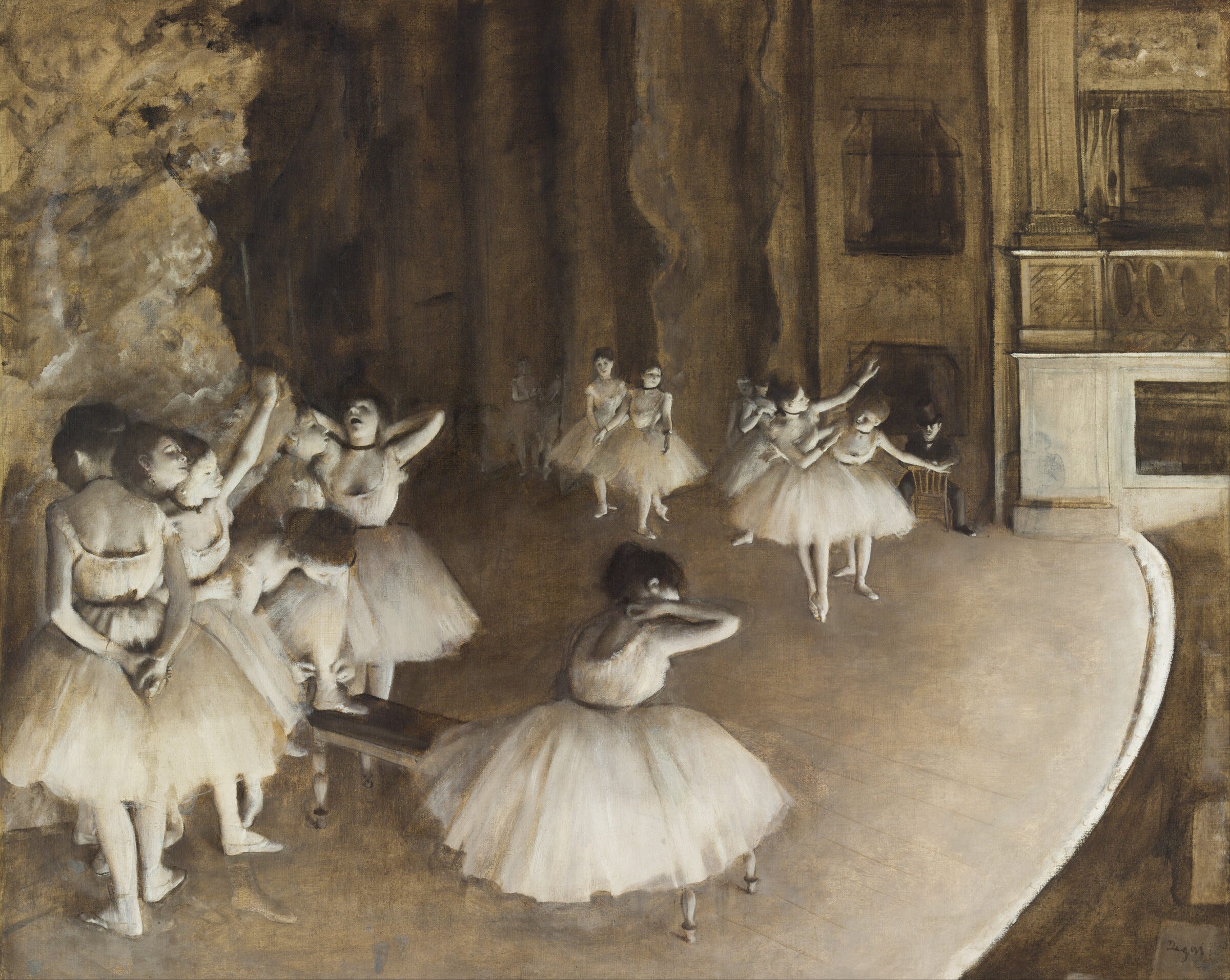
His ten works are already hung. Opera scenes, racetracks, portraits. Not a single landscape.
He has no patience for painting outdoors, that taste for mud and sunlight he cannot understand in Monet or Renoir.
He waves in Bracquemond, an established engraver, who has come to check the hanging of his prints.
Renoir walks past, arms full of frames.
Someone asks what to call this loose, sketch like style they all seem to share.
“Call it the Capucine school,” Renoir jokes, nodding at the address.
Nobody knows it will not stick.
Waiters go over the price of admission one more time.
“One franc,” Renoir’s brother Edmond confirms, checking the printed catalogue.
He wrote it himself, all 165 entries.
Thirty artists in total, most of them unknown outside their own circle.
Night falls over the boulevard.
The gas lamps come on outside.
Inside, the paintings wait in their new frames, still smelling faintly of varnish.
April 15th, 1874.
The doors open at ten in the morning, two weeks before the official Salon.
The timing is deliberate.
Catch the critics before the Salon crowds exhaust them.
One name is missing from the walls.
Frédéric Bazille, one of the founding members, died in the Franco Prussian War four years earlier, at twenty eight.
His parents lend a painting in his memory.
It hangs among the living.
Silence settles back in.
In a few hours, the doors open to the public..