How Did J.M.W. Turner Die? Cause and Final Years

J M W Turner died on December 19, 1851, at age 76, in a small Chelsea house where he had lived incognito under the name Mr Booth. Cholera is the cause most often cited.

Weeks earlier he reportedly said, The sun is God, watching light fill the window.

The detail I keep circling back to with Turner is the false name. A painter that famous, hiding in Chelsea under his companion's surname, just to die on his own terms away from the fuss.

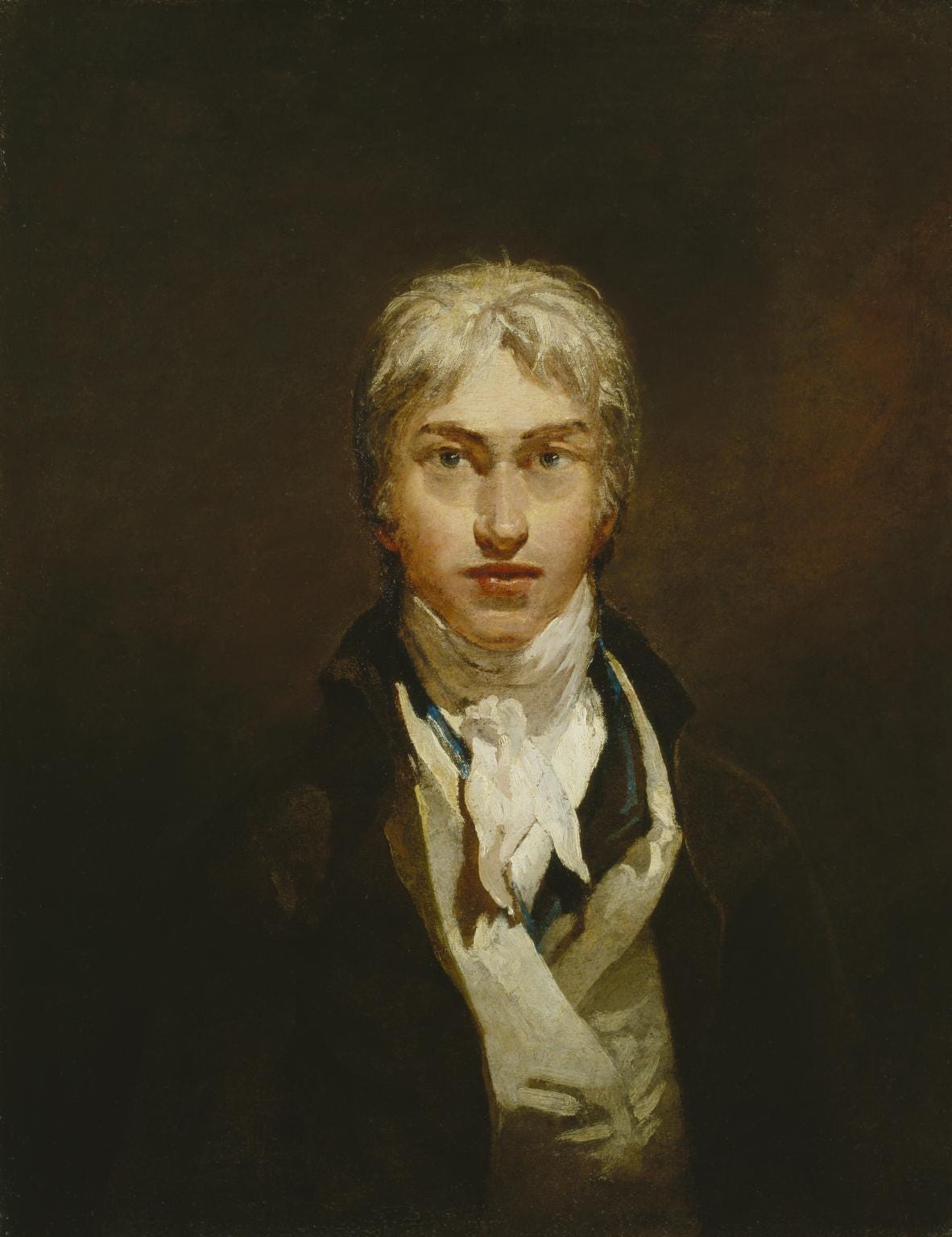
Oil self portrait of J M W Turner, painted around 1799
Turner painted this self portrait around age 24, more than five decades before his death in Chelsea.

Learn art the fun way. Free stories every week, no boring lectures.


Start here

J M W Turner died on December 19, 1851, in a small house in Chelsea, London. He was 76 years old.

Cholera is the cause most often listed in period records, though his age and years of declining health likely played a part as well.

For years before his death, he had been living away from his own studio, under conditions almost no one outside his closest circle knew about.

Only decades later did historians piece together the full picture of where he had spent those final years, and why.

The Secret Life in Chelsea

For the last years of his life, Turner spent much of his time away from his house and studio on Queen Anne Street in central London.

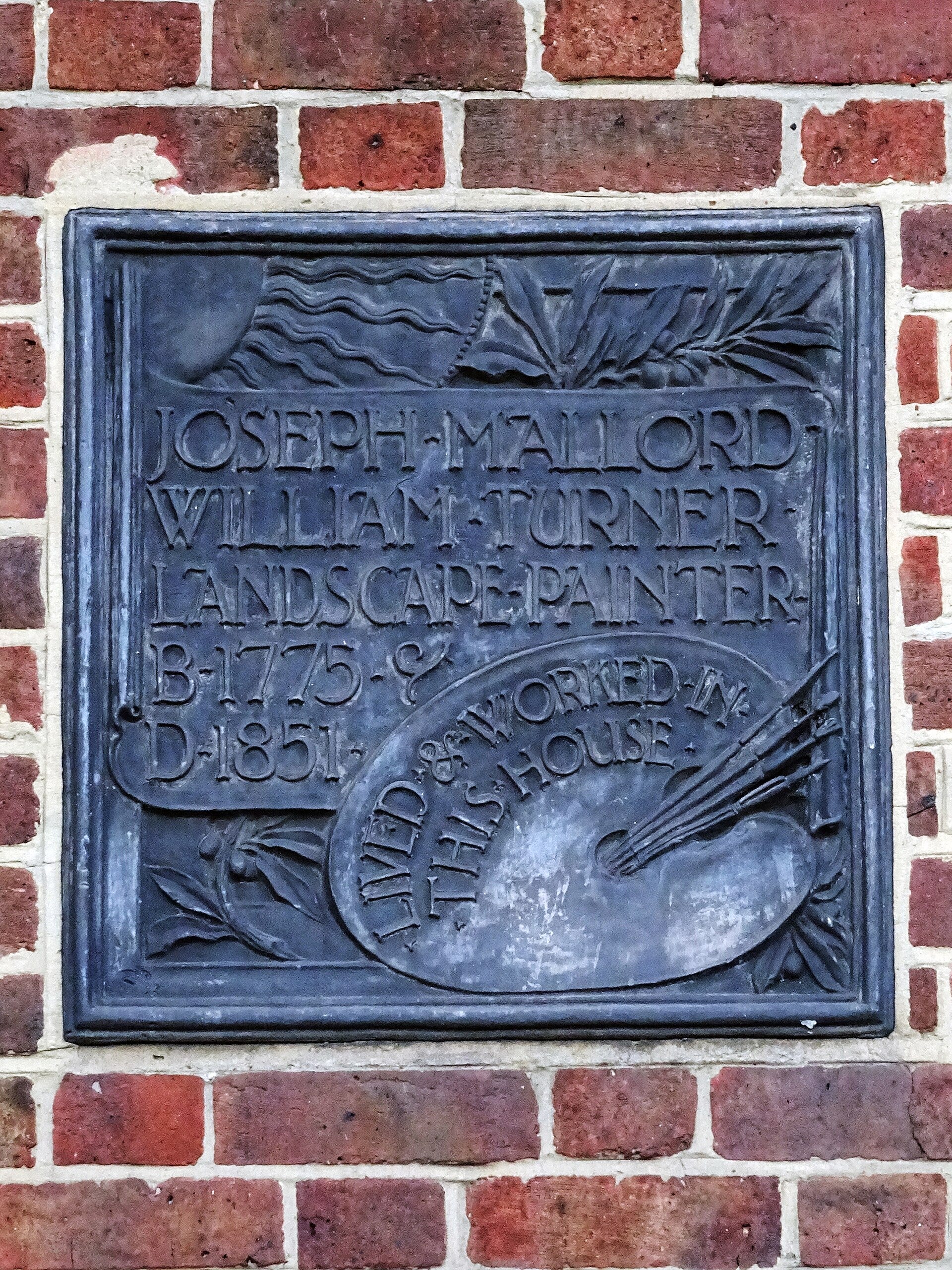
He kept a second home at 118 Cheyne Walk, in Chelsea, a modest cottage overlooking the Thames with sweeping views of the river light he had painted for decades.

Almost none of his friends and fellow artists knew where to find him there, which was exactly how he wanted it.

Even his housekeeper in Queen Anne Street reportedly had no clear idea where he disappeared to for days or weeks at a time.

Historical view of Cheyne Walk in Chelsea, London
Cheyne Walk, Chelsea, where Turner lived his final years under the name Mr Booth.

Living Under a False Name

Turner lived in the Chelsea house with Sophia Booth, a widow who had rented him rooms years earlier in Margate and later became his companion.

Neighbors knew him as Mr Booth, or sometimes Admiral Booth, never as the famous painter whose work hung in the Royal Academy.

The disguise kept his final years private, away from the London art world that had followed his career, and argued about it, for half a century.

Even his death certificate initially caused confusion among locals who had no idea their quiet neighbor was one of the most famous painters in England.


More on J M W Turner and the Painters Who Chased Light


His Final Weeks

By late 1851, Turner's health had declined sharply, and he rarely left the Chelsea house at all.

Sophia Booth and a local doctor, William Bartlett, attended to him in his final days, managing symptoms that neither could fully explain.

He was too weak to travel back to his own home in central London, and stayed in Chelsea until the very end.

Word of his condition barely reached his usual circle of friends and patrons, most of whom assumed he was simply traveling again, as he often had for most of his career.

Turner painting exploring light and color, 1843
Light had been Turner's subject for decades before his reported last words about the sun.

The Sun Is God

About three weeks before he died, Turner reportedly woke to sunlight streaming through the window of his room and said, The sun is God.

It became one of the most quoted lines ever attributed to a painter on a deathbed, repeated in biographies for well over a century since.

Fittingly, light and its behavior on water had been the subject of his work for roughly fifty years by that point.

Whether he actually said those exact words is impossible to confirm with certainty, but the account comes from people who were there in his final weeks.


Cool Stories About Art is a free newsletter. The stories behind the paintings, straight to your inbox.


December 19, 1851

On the morning of December 19, Dr Bartlett reportedly found Turner unusually alert, with the sun again lighting the room where he lay.

He died later that day. Sophia Booth said she found him partway across the floor, as though he had tried once more to reach the window.

He was 76 years old, and had spent nearly six decades exhibiting work in London before that final morning.

News of his death spread through the London art world within days, surprising many who had assumed he was simply away on one of his usual trips.

A Cause Historians Still Debate

Most sources list cholera as the official cause of death, consistent with an outbreak affecting parts of London around that time.

Other accounts point instead to a general decline linked to his age and long term health problems, including signs some historians read as consistent with diabetes.

No single medical record from the period settles the question definitively, which is why historians still hedge when describing exactly what killed him.

Modern writers sometimes treat the cholera diagnosis with more confidence than the surviving evidence really supports, given how loosely doctors of the period used the term.

St Paul's Cathedral, London
Turner is buried in the crypt at Saint Paul's Cathedral, near fellow painter Joshua Reynolds.

Buried in Saint Paul's

Turner had asked, years earlier, to be buried among other British painters at Saint Paul's Cathedral, a wish his executors honored.

His funeral drew a large crowd of artists and admirers. He was laid to rest in the crypt, near Joshua Reynolds, whose work he had long admired.

His will left the bulk of his fortune and his remaining paintings to the British nation, work built on decades spent painting the real locations that shaped British landscape art.

That bequest eventually formed the core of the Turner Bequest, now held largely at Tate Britain, one of the largest single gifts by any artist in British history.


Stay a little longer


Frequently Asked Questions About J M W Turner's Death

  • How old was Turner when he died?
    He was 76, born in London in 1775 and living until December 1851, spending his final years quietly away from public view, in a house almost none of his own circle knew about.

  • What did Turner say before he died?
    He is reported to have said, The sun is God, about three weeks before his death, after waking to sunlight filling his room.

  • Why did Turner live under a false name?
    He kept his last years private at a second home in Chelsea, where neighbors knew him only as Mr Booth, borrowing the surname of his companion, Sophia Booth, who had known him for years before he moved in with her.

  • Who was with Turner when he died?
    Sophia Booth, his companion of many years, and a local doctor named William Bartlett, who had been treating him through his final illness.

  • What did Turner die of?
    Most period sources list cholera, though age, general decline, and possibly diabetes are also cited by historians as likely contributing factors, since the cholera diagnosis alone does not fully explain years of prior decline.

  • Where is Turner buried?
    In the crypt of Saint Paul's Cathedral in London, near fellow painter Joshua Reynolds, as Turner himself had requested years before.

  • Did Turner leave his paintings to anyone?
    Yes. He left the bulk of his remaining work to the British nation, forming what became known as the Turner Bequest.

  • Where did Turner die?
    In a small house at 118 Cheyne Walk in Chelsea, London, where he had been living quietly under an assumed name.


Join 170,000 readers learning art the fun way. Free stories every week, no boring lectures.