
Pablo Picasso died on Sunday, April 8, 1973, at his home in Mougins, a hill town above Cannes in the south of France. He was 91.
The cause was a heart attack, brought on by fluid in the lungs. He left no will.
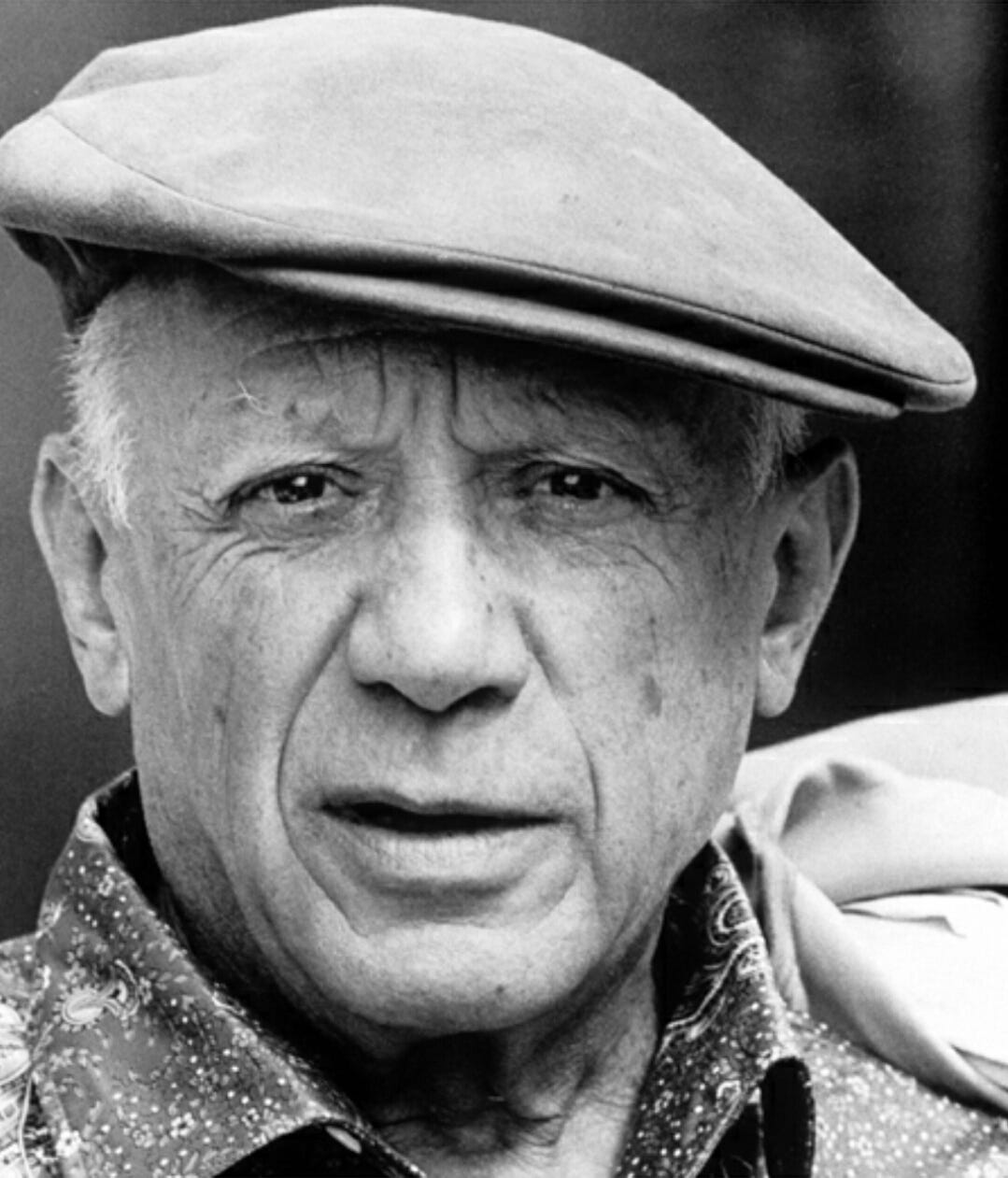
That morning his second wife, Jacqueline Roque, is said to have called a doctor, and Picasso was dead before noon. What took years to settle was everything he had not arranged.
Cool Stories About Art is a newsletter to learn art the fun way.
Join 200,000+ readers and get:
10 new art stories / month
The entire archive of content (140+ articles)
Comment, ask questions, and chat with other readers
In his art, Picasso controlled every detail. For his whole working life he decided what went into every canvas, plate and sculpture, and a line attributed to him even plays with the thought of his own end: “What will the paint do when I'm gone? It will have to go over my body!”
His own death was another matter, and there he did nothing. His grandson Olivier Widmaier Picasso, the son of his daughter Maya, has said that the painter did not want to make a will and liked to say there was enough for everybody.
The result was more than 45,000 works, a widow and children by three different women, with no word from him on who should get what. The quarrel began two days later, at his grave.
The conflicting accounts of Picasso's last morning
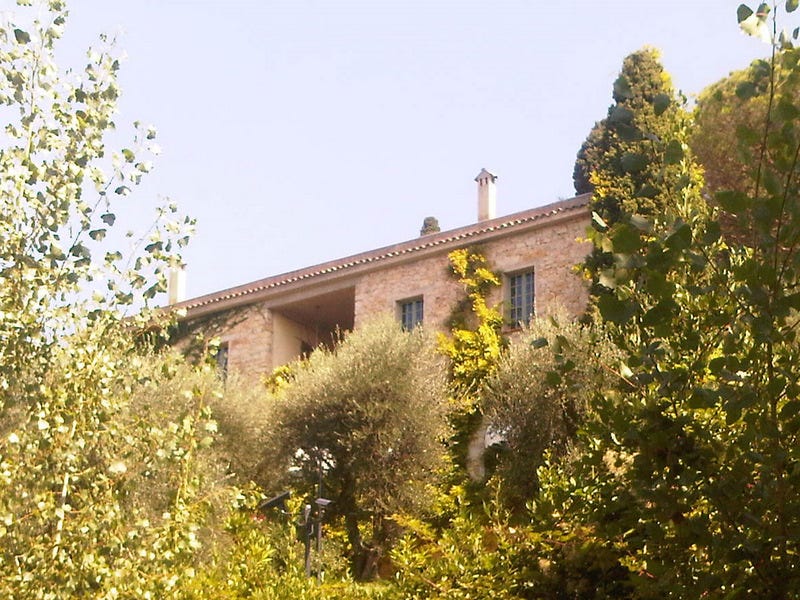
Even the last hours of Picasso's life are disputed. The accounts differ on the hour of his death, on who was in the room with him and on which doctor was called…
What You'll Discover
Where his final paintings were headed.
Who was kept from the funeral.
Where the fortune went.
Who did not survive him.