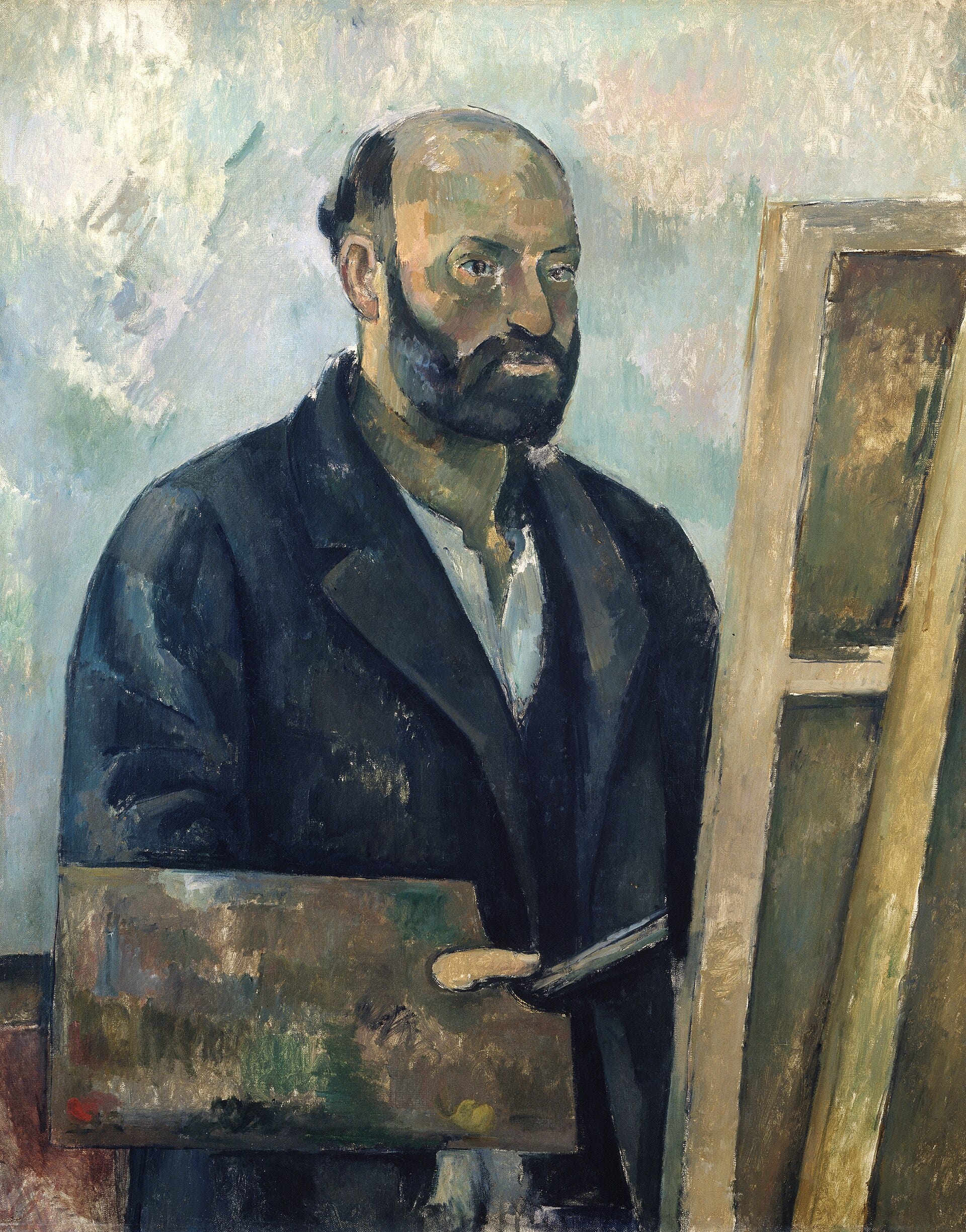
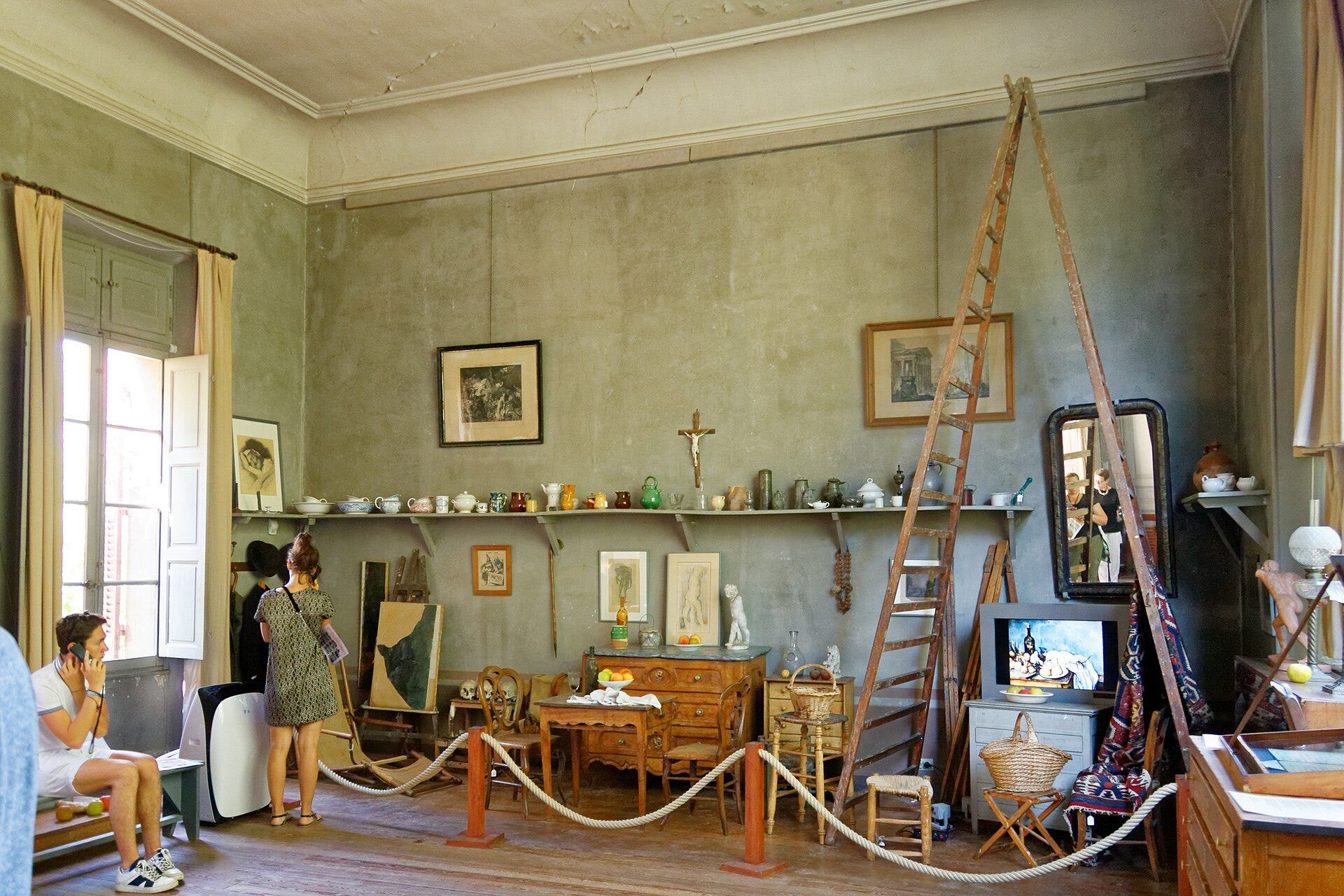
Paul Cezanne died on 22 October 1906 in Aix en Provence at age 67. On 15 October he was caught in a violent storm while painting Mont Sainte Victoire outdoors, collapsed on the road home, and was carried back by a passing driver.
He developed pneumonia and never recovered, working almost to his final day.
What gets me about Cezanne's death is the stubbornness in it. He was sixty seven, diabetic, and grieving a stalled career that only started paying off in his last few years, yet he still hauled his easel out alone rather than accept a ride. I do not think that was recklessness. I think it was the only way he knew how to work, and it is why the story reads less like a tragedy and more like the final brushstroke of a very long argument with himself.
The Storm on Mont Sainte Victoire
On 15 October 1906, Cezanne walked out from his family house in Aix en Provence to paint his favorite subject, the mountain of Sainte Victoire.
He refused a coach and carried his own equipment, as he always did. A thunderstorm broke while he was working several kilometers from home.
He kept painting through the rain instead of turning back immediately, hoping it would pass.
The Collapse on the Road Home
Soaked and exhausted, Cezanne eventually gave up and started walking home. He collapsed on the road before he got there.
A passing laundry cart driver found him and carried him the rest of the way, unconscious or close to it.
His housekeeper put him to bed and sent for a doctor, but the damage from hours in cold rain was already done.
The Six Days Between the Storm and His Death
Cezanne did not die that night. He lingered for a week, and by most accounts he tried to keep working even as his condition worsened.
One frequently repeated detail has him going back out the next day to paint a portrait of his gardener, though sourcing on that specific outing is thin.
What is documented is that his health declined steadily through the following days until he died at home on 22 October.
More on Paul Cezanne and the Artists Around Him
What Pneumonia Meant in 1906
Antibiotics did not exist yet. Pneumonia in 1906 was frequently fatal, especially for a man in his late sixties with an existing chronic illness.
Cezanne had been diagnosed with diabetes years earlier, which would have weakened his ability to fight the infection.
A hospital could offer little more than rest and monitoring, so once the pneumonia set in, doctors were mostly watching, not treating.
A Decade of Declining Health
The storm did not create Cezanne's fragility, it exposed it. His final decade was marked by diabetes, insomnia, and periods of depression.
He had also become increasingly isolated, working obsessively and often alone in the countryside around Aix.
Friends and dealers who visited in his last years described a man who painted for hours daily despite visible physical strain.
Alone in Aix, Far From His Family
Cezanne's wife, Hortense, was living in Paris at the time of his death, and the marriage had long been distant.
His son Paul was also away and had to travel back to Aix, arriving after his father had already died.
Cezanne spent his final days largely in the care of his housekeeper and a local doctor, not his immediate family.
The Myth Versus the Record
The story of an old painter dying for his art is a good one, and biographers have repeated it for over a century.
The core facts hold up: the storm, the collapse, the pneumonia. What gets exaggerated is how deliberately heroic his choice to keep painting really was.
He was simply doing what he did every working day of his life. The tragedy is that this particular day turned out to be his last.
What His Death Changed for Modern Art
Cezanne died having sold relatively little during most of his career and only saw real recognition in his final decade.
A large memorial retrospective in Paris the year after his death exposed his work to a much wider audience, including a young Picasso and Matisse.
Historians regularly credit that exposure with helping push painting toward Cubism, which makes his death an odd hinge point in art history rather than just an ending.
Read another story
Questions About Paul Cezanne's Death
How old was Paul Cezanne when he died?
He was 67. He was born in January 1839 and died in October 1906.Did Cezanne die of pneumonia?
Yes. He developed pneumonia after being caught in a storm while painting outdoors and died six days later.Where did Paul Cezanne die?
He died at his house on Rue Boulegon in Aix en Provence.What was Cezanne painting when the storm hit?
He was working on a view of Mont Sainte Victoire, a subject he painted repeatedly throughout his life.Did Cezanne have any illness before the storm?
Yes. He had been living with diabetes for years, and biographers note growing depression and insomnia in his final decade.Was Cezanne's family with him when he died?
No. His wife was in Paris and his son arrived in Aix only after he had already died.How long after the storm did Cezanne die?
About six days. The storm hit on 15 October 1906 and he died on 22 October.Did Cezanne keep painting after the storm?
Accounts describe him trying to work in the days that followed, though he was clearly declining and died within the week.