How Did Paul Gauguin Die? Cause, Age, and Location

Paul Gauguin died on 8 May 1903 in Atuona, in the Marquesas Islands, at age 54.

Officially the cause was a heart attack, but he was worn down by advanced illness, alcoholism and years of morphine use for pain, and died in the middle of a bitter legal fight with French colonial authorities over his advocacy for Marquesan islanders.

I find the standard version of Gauguin's death, the tortured genius wasting away from syphilis, a little too tidy. Teeth taken from his exhumed jaw in the 1990s showed no trace of mercury, the standard treatment of the era, which is not proof he was healthy but it does mean the syphilis story has always been more assumption than diagnosis. What is not in question is that he died broke, in physical pain, and at war with the colonial administration that was trying to silence him. That part of the story gets far less attention than the scandal.

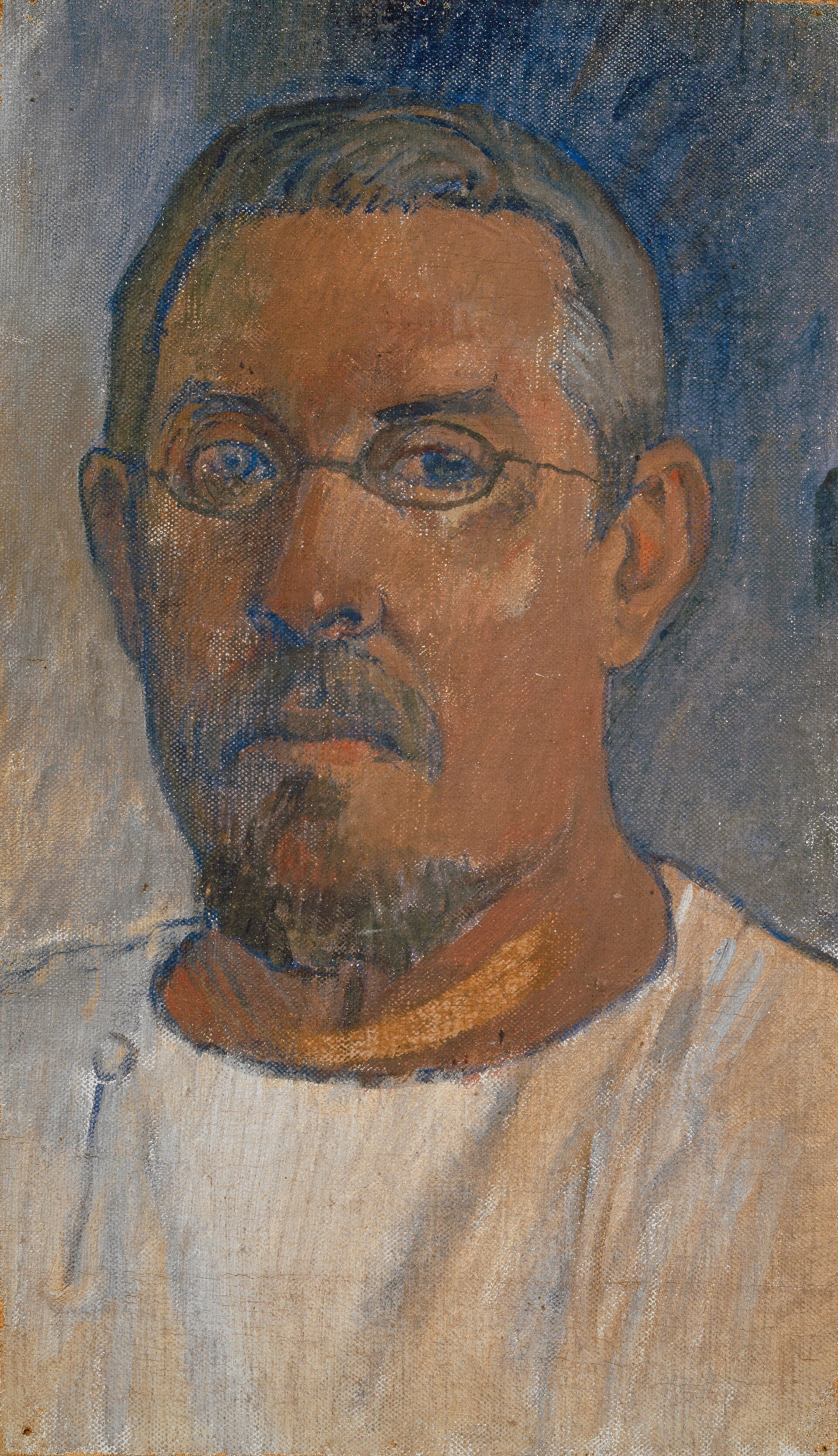
Painted self portrait of Paul Gauguin
A self portrait Gauguin painted during his years working outside France.

Learn art the fun way. Free stories every week, no boring lectures.


Death in Atuona, 8 May 1903

Paul Gauguin died on the morning of 8 May 1903 in his house in Atuona, on the island of Hiva Oa in the Marquesas.

He was 54 years old. The official cause listed was a heart attack, but that single line does not capture what killed him.

By the time he died, his body had been failing for years from a combination of untreated conditions.

A Body Already Breaking Down

Gauguin had suffered from ulcerated sores on his legs since an injury and infection years earlier in Tahiti, which never properly healed.

He also dealt with recurring bouts of what was likely malaria, along with heart problems that worsened toward the end of his life.

Years of heavy drinking added to the damage, leaving him in near constant pain by his final months.

The Syphilis Question

For decades, biographers described Gauguin as dying from advanced syphilis, a common assumption for a man with his lifestyle and symptoms.

A study of teeth recovered from his old well in the 1990s complicated that story. Researchers found no trace of mercury, the standard syphilis treatment of the period.

That does not clear him of the disease, but it means the syphilis diagnosis was never as certain as the popular version of his death suggests.


More on Paul Gauguin and the Painters Who Broke the Rules


Morphine and a Bad Heart

To manage his pain, Gauguin relied on regular doses of morphine, sometimes injecting himself well beyond what a doctor would have prescribed.

Some accounts describe an overdose, whether accidental or not, as a contributing factor on the morning he died.

Combined with a heart already weakened by years of illness, the morphine may have been what finally stopped it.

Black and white photograph portrait of Paul Gauguin
Gauguin photographed before he left for the South Pacific.

Poor, Isolated and Nearly Blind

Gauguin was not a wealthy man when he died. Sales of his work were inconsistent, and he depended on erratic payments from a Paris dealer.

His eyesight had also deteriorated badly in his final years, making the physical act of painting increasingly difficult.

He lived largely alone in Atuona, without his family, in a house he had nicknamed the House of Pleasure.

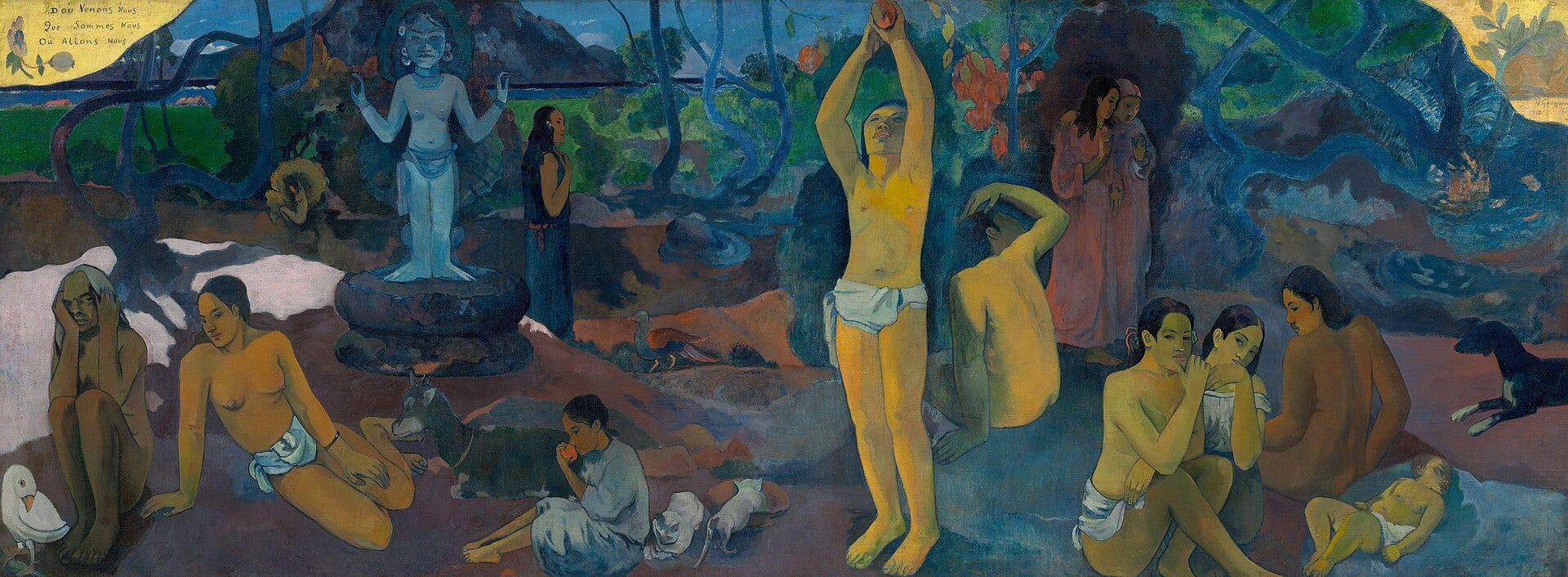
Gauguin painting of a Tahitian scene with figures
One of the works Gauguin painted while living in French Polynesia.

Cool Stories About Art is a free newsletter. The stories behind the paintings, straight to your inbox.


War With the Colonial Administration

In his last year, Gauguin was locked in a public fight with French colonial officials and the local Catholic mission over their treatment of Marquesan islanders.

He wrote articles attacking corrupt gendarmes and was convicted of libel, fined, and sentenced to prison.

He was appealing that sentence and preparing to travel to Papeete to fight it when he died, still angry and still broke.

Gauguin self portrait with a halo and apples
A later self portrait, painted in a style he developed after leaving France.

Who Found Him and What Happened Next

A neighbor and friend, a Marquesan man named Tioka, is generally credited with discovering Gauguin's body.

The local bishop, who had clashed with Gauguin repeatedly, reportedly dismissed him in a letter as a man of no importance who had done only harm.

He was buried in the Calvary Cemetery in Atuona, on Hiva Oa, in a grave that still draws visitors today.

Why the Cause of Death Still Gets Debated

No autopsy in the modern sense was performed, so the exact combination of factors that killed Gauguin can never be fully confirmed.

What is documented is a body worn down by disease, alcohol, poor diet and morphine, on top of a heart that had already been failing.

The official heart attack was likely real, but it was the end point of years of decline, not an isolated event.


More from Cool Stories About Art


Questions About Paul Gauguin's Death

  • How old was Paul Gauguin when he died?
    He was 54, born in June 1848 and dead by May 1903.

  • Did Gauguin die of syphilis?
    It is often assumed, but tests on his remains found no trace of mercury, the standard syphilis treatment of the time, so the diagnosis is not confirmed.

  • Where did Paul Gauguin die?
    He died in his house in Atuona, on the island of Hiva Oa in the Marquesas Islands, in French Polynesia.

  • Did Paul Gauguin overdose?
    Several accounts describe a morphine overdose on the morning he died, on top of a heart already weakened by illness.

  • Was Gauguin poor when he died?
    Yes. He relied on irregular payments from a dealer in Paris and was in serious financial trouble in his final year.

  • Was Gauguin in trouble with the law when he died?
    Yes. He had just been convicted of libel against colonial officials and was appealing a prison sentence when he died.

  • Who found Gauguin's body?
    A neighbor and friend named Tioka is generally credited with finding him dead in his house.

  • Where is Paul Gauguin buried?
    He is buried in the Calvary Cemetery in Atuona on the island of Hiva Oa.


Join 170,000 readers learning art the fun way. Free stories every week, no boring lectures.