
Salvador Dalí died on the morning of January 23, 1989, in Figueres, the town in Catalonia, in northeastern Spain, where he was born. He was 84. The hospital announced a cardiorespiratory arrest, caused by heart failure and pneumonia.
Two days later, Figueres buried him inside his own museum, the Dalí Theatre-Museum, and visitors still walk over his grave.
Cool Stories About Art is a newsletter to learn art the fun way.
Join 200,000+ readers and get:
10 new art stories / month
The entire archive of content (140+ articles)
Comment, ask questions, and chat with other readers
The museum fills the shell of the town's old municipal theater, burned at the end of the Spanish Civil War. Dalí lies in a crypt beneath the old stage, under the glass dome that crowns the building, and the story goes that he chose this last piece of theater himself.
A week after his death, the Catalan weekly El Temps cast doubt on that story. Under the headline “Dalí has died,” its reporter wrote that a funerary monument was going up under the dome and that the painter, it seemed, had not designed it. The burial had also not taken place where Dalí had once planned it.
He had wanted a different grave, in a castle in the Catalan countryside, next to his wife, Gala. How he ended up under his museum instead, and who made that choice, nobody could say for certain.
The castle of Púbol
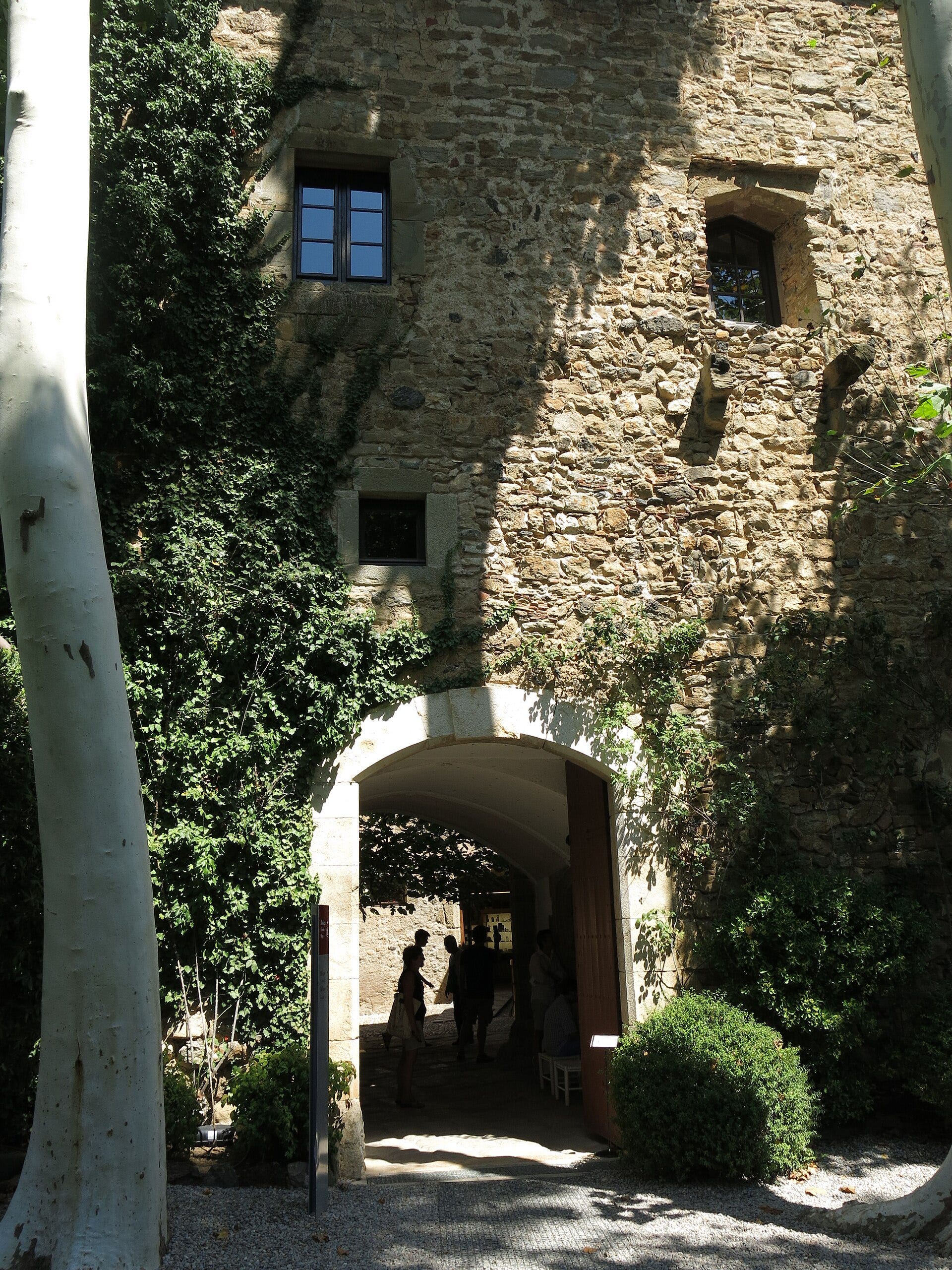
The story of that castle begins with a gift from Dalí to Gala.
What You'll Discover
What he told reporters about dying.
Who stayed with him until the end.
Why a second tomb at the castle stands empty.
What forensic experts found in 2017.