
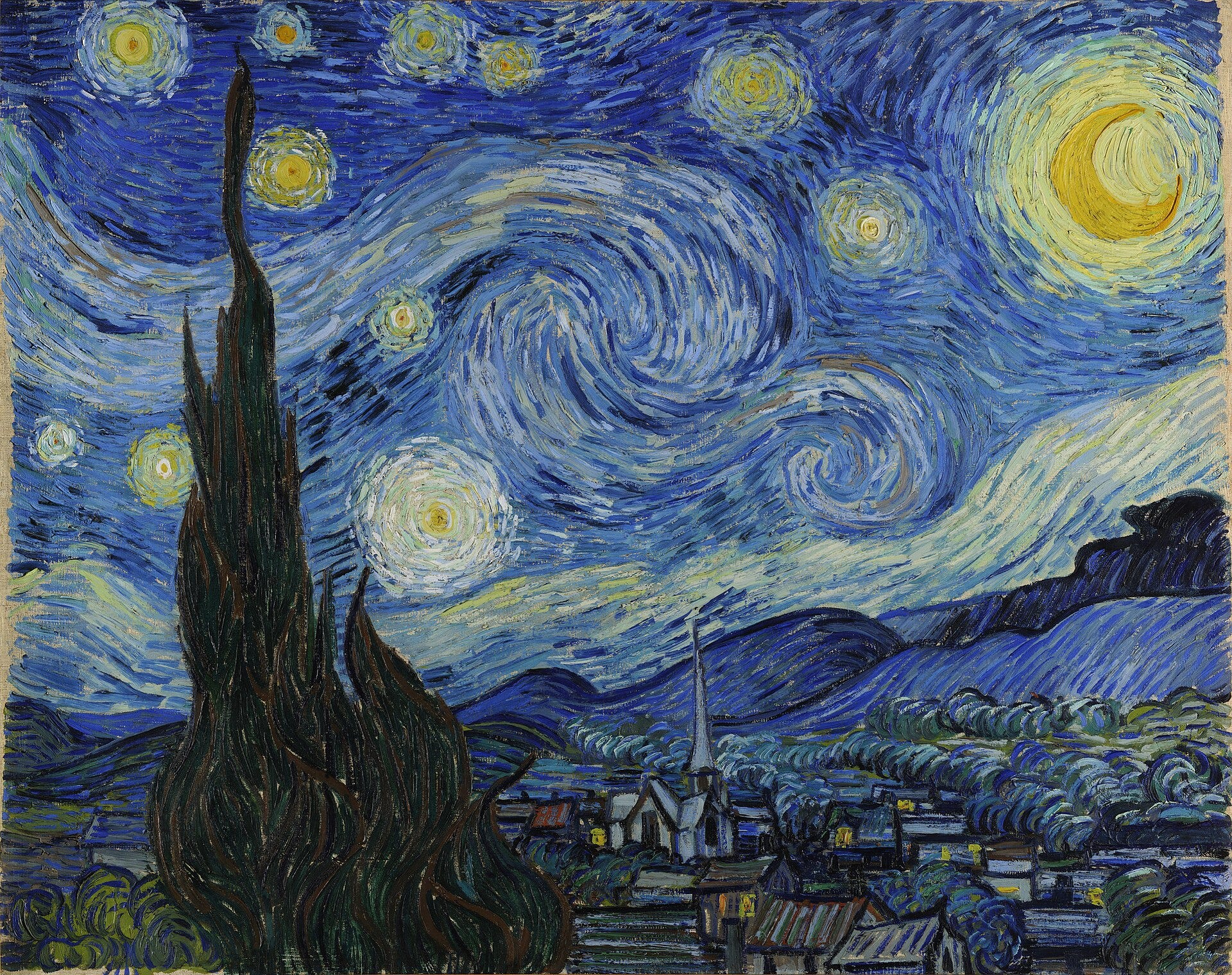
The Starry Night has no price, because it has never been sold. No auction has ever put a figure on it, and the Museum of Modern Art in New York, which has owned it since 1941, does not name one. The numbers in circulation, from around 100 million to over 1 billion dollars, are guesses built on other Van Goghs.
The most any Van Gogh has fetched at auction is 117 million dollars, for a blossoming orchard sold in 2022. The Starry Night is far better known than that orchard, which is why people assume it would cost far more.
Cool Stories About Art is a newsletter to learn art the fun way.
Join 200,000+ readers and get:
10 new art stories / month
The entire archive of content (1,000+ articles)
Comment, ask questions, and chat with other readers
The assumption skips the strangest part of the story. MoMA never bought the painting. In 1941 it wanted a Van Gogh and had no money to pay for one, so it paid in paintings: three works from a bequest, handed to a dealer named Paul Rosenberg in exchange.
Rosenberg had bought it only three years earlier, and how much he paid is not known. The only price The Starry Night ever carried in a museum's books was three other pictures. Any exact figure put on it today is only a guess.
What did MoMA give in exchange for The Starry Night?
Three paintings, taken from the bequest of the collector Lillie P. Bliss. Two were by Cézanne, a portrait of Victor Chocquet and a still life. The third was Toulouse-Lautrec's May Belfort in Pink.
The museum wanted a Van Gogh, and Rosenberg was willing to part with this one, but the museum lacked the cash. So the trade was made in art. MoMA's credit line still reads "acquired through the Lillie P. Bliss Bequest (by exchange), 1941," and those last two words are the only trace of the swap.
That is also why the painting has never faced a market. It entered the museum as a trade between a dealer and a curator, and it has stayed there ever since, becoming the best-known Van Gogh in the world. Rosenberg was not the first dealer or collector to own it.
What You'll Discover
Who owned it before the museum.
What Van Gogh called it.
What Van Gogh invented in the view.
Why MoMA's director refuses a number.