
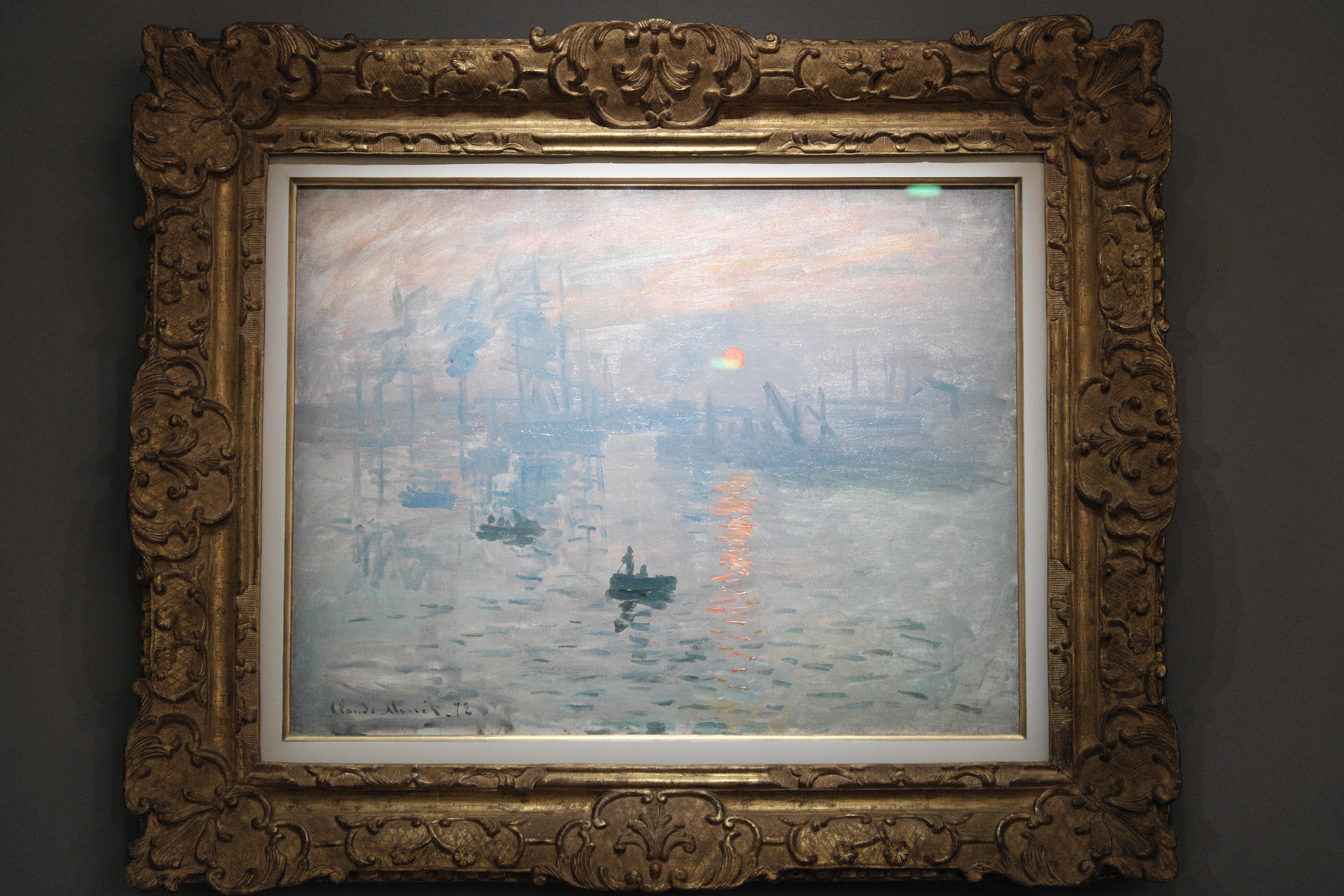
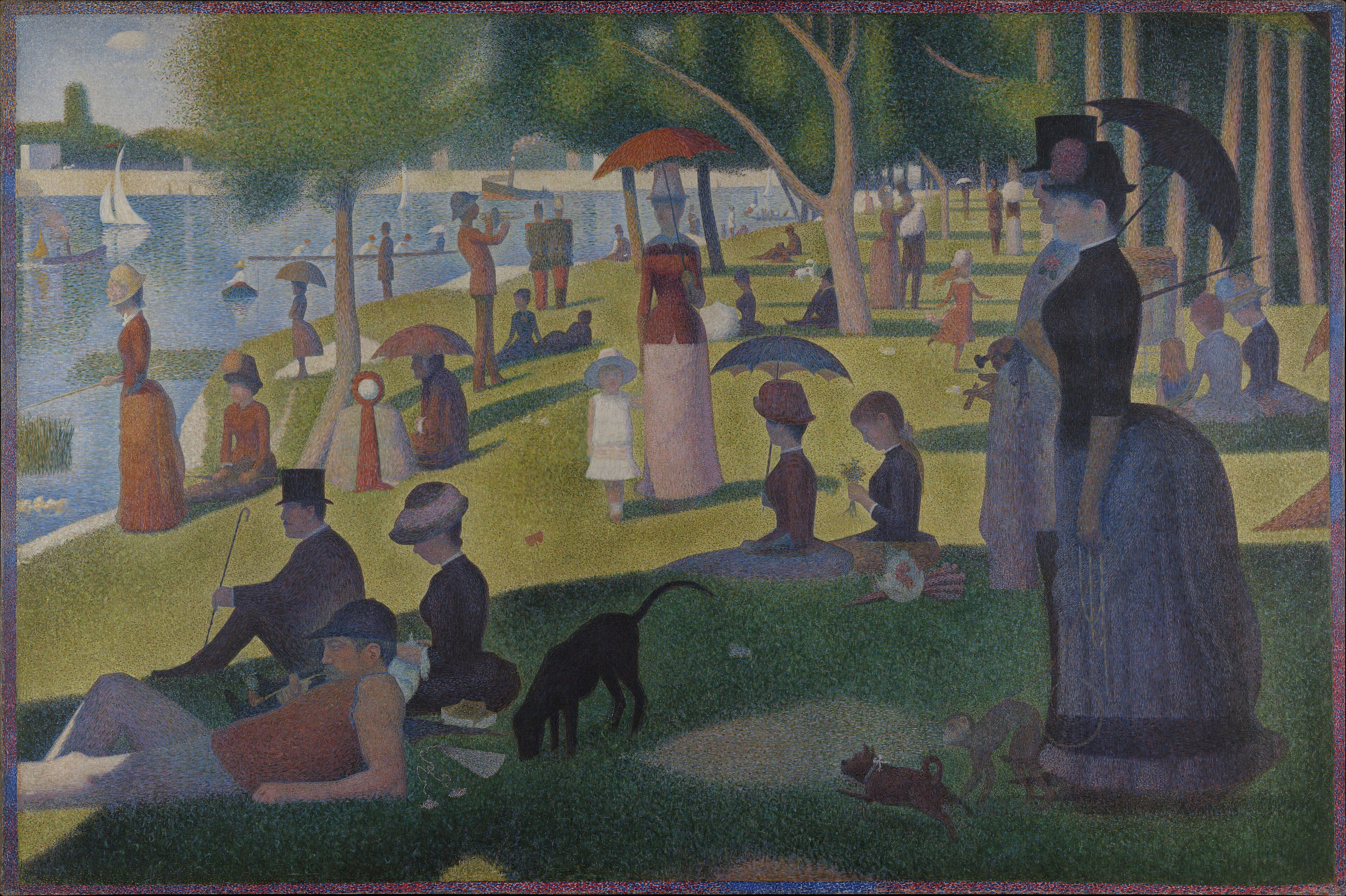
Impressionism, which began in Paris in 1874, paints how a scene looks in one passing moment of light. Post Impressionism is the name Roger Fry gave in London in 1910 to painters who started from Impressionism and then built their pictures on structure, feeling or system. The clearest pair is Monet's Impression, Sunrise, a harbor at dawn, and Seurat's A Sunday on La Grande Jatte, a park scene put together dot by dot.
Both names came from outsiders, a hostile critic in 1874 and an English critic in 1910, and both stuck. The Impressionists held eight exhibitions between 1874 and 1886, and the last of them is where the two categories touch.
Cool Stories About Art is a newsletter to learn art the fun way.
Join 200,000+ readers and get:
10 new art stories / month
The entire archive of content (1,000+ articles)
Comment, ask questions, and chat with other readers
The painting most often used to illustrate Post Impressionism was not first shown at a Post Impressionist exhibition, because no such exhibition existed. Seurat's A Sunday on La Grande Jatte had its first public showing in 1886, at the eighth and last Impressionist exhibition in Paris, which opened on 15 May.
Seurat's dots were not welcome there at first. The older painters accepted him and his friend Paul Signac only after another member argued for them, and on one condition: the younger men would hang in a room of their own.
So the picture that sums up Post Impressionism hung as a guest at an Impressionist show, and the older painters could not agree that it belonged there. The man who argued Seurat in was one of the founders of the group, and what he did next is the strangest part of the story.
Who got Seurat into the last Impressionist show?
Camille Pissarro. He had exhibited in all eight Impressionist shows, and in 1886 he did the inviting, hoping the younger painters would give the group new energy. Seurat and Signac came in, and so did Pissarro's own son Lucien, in a list of 17 exhibitors that also included Degas, Berthe Morisot, Mary Cassatt and Paul Gauguin.
The show ran from 15 May to 15 June 1886 in five rooms on the first floor of a building at 1 rue Laffitte, on the corner of the boulevard des Italiens. Morisot and her husband, Eugène Manet, organized it, and Pissarro had to win Morisot over before the younger painters could come in.
The works of Pissarro, his son, Seurat and Signac were hung together in a single room that the four of them arranged themselves. Seurat's huge canvas was hard to place, and the rooms left it little space.
Attendance was poor. In June Pissarro wrote to his son that the show was going very slowly and that the entrance receipts were nothing. Gauguin took a brighter view at the end of May: the exhibition, he wrote, had put the whole question of Impressionism back on the table, and favorably. Several of the painters who had founded the group were missing from the walls.
What You'll Discover
Who refused to hang beside him.
Who went back to brushstrokes.
Which painter belongs to both.
The question that sorts them.