
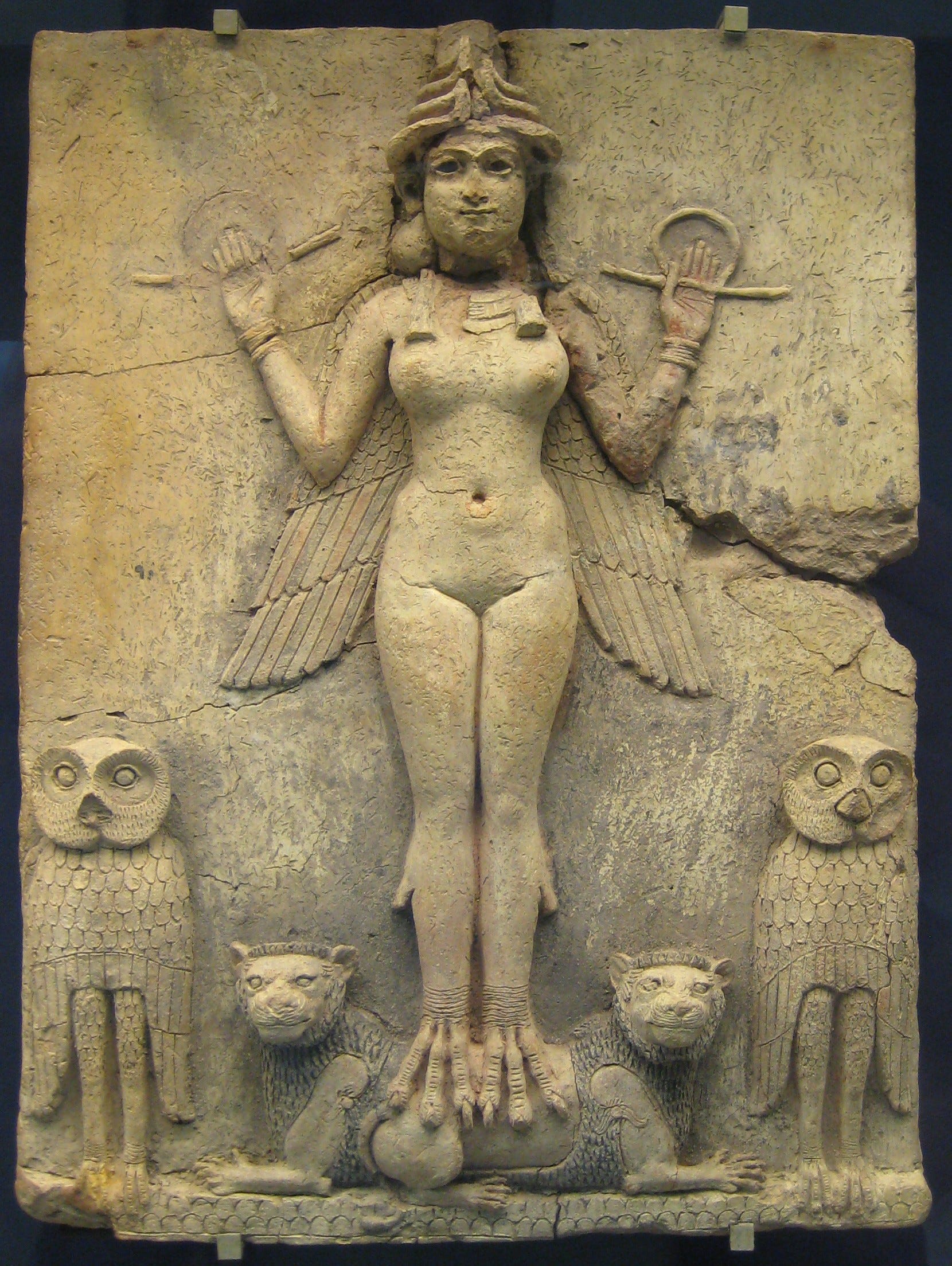
Lilith appears only once in the Hebrew Bible, in one line of Isaiah about the creatures that haunt a ruined land. The story most people know, Adam's first wife leaving Eden rather than obey him, comes from medieval Jewish texts, above all the Alphabet of Ben Sira. Since then, artists have given her a body, and sometimes lent her name to figures who were never her.
Cool Stories About Art is a newsletter to learn art the fun way.
Join 200,000+ readers and get:
10 new art stories / month
The entire archive of content (140+ articles)
Comment, ask questions, and chat with other readers
A Name Without a Face
The texts that tell Lilith's story barely describe her appearance. So every artist who took her on had to choose: a winged demon, a beautiful woman, or half a snake.
The question grew more tangled from the early 1200s on, when many painters of the Fall began to give the serpent of Genesis a woman's face. No text calls that serpent Lilith. Readers attached the name later, and since the 1970s Lilith has also stood for a woman who refuses to obey.
Each work chosen here either names Lilith or has long been taken for her, and its entry says which. Two of them were made to protect a household rather than to be looked at. What links them all is the name itself: who gave it, and on what grounds.
12. Unknown scribe, Incantation Bowl from Nippur (6th to 7th century)
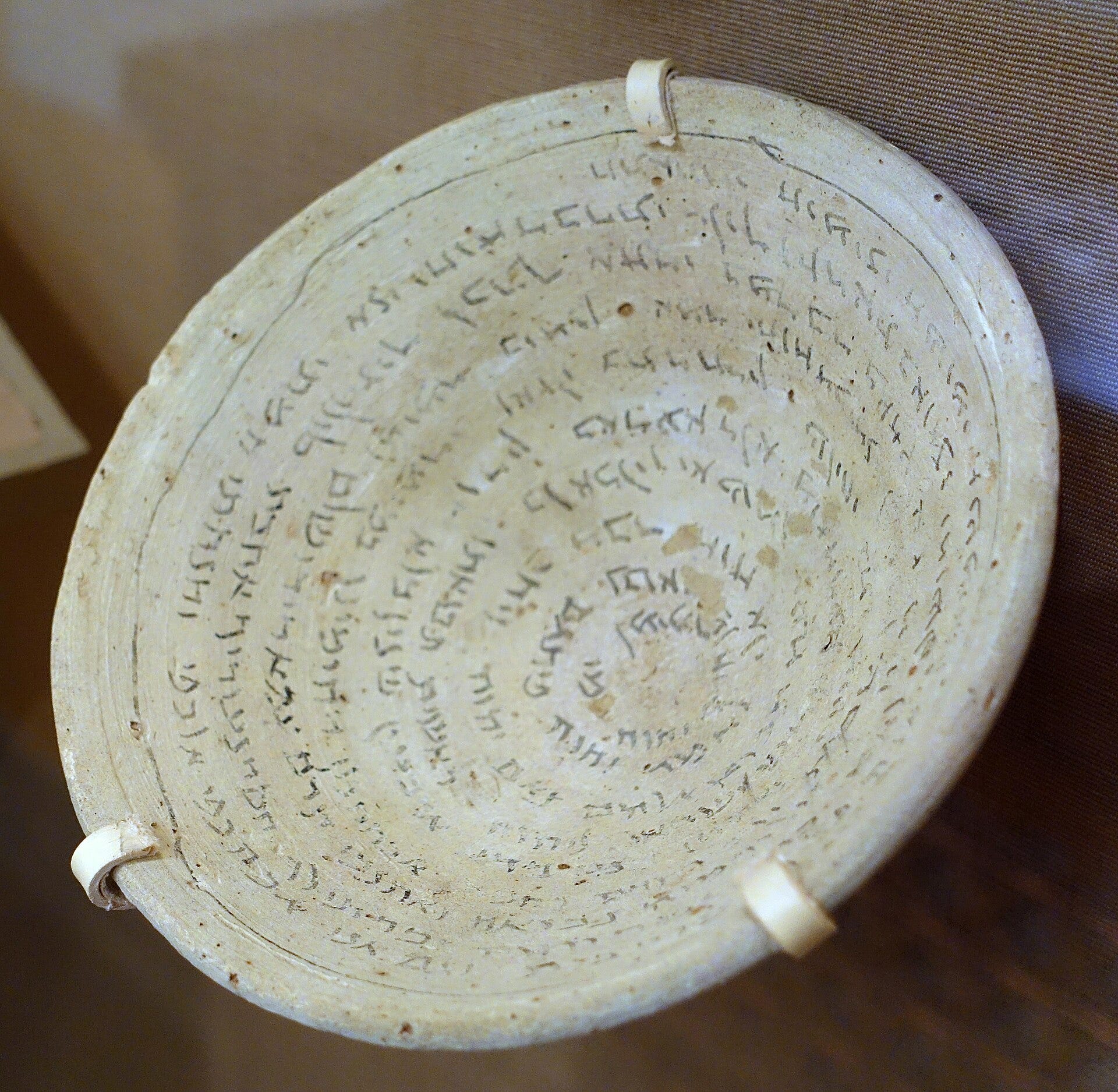
Lines of Aramaic script spiral around the inside of this clay incantation bowl, from the rim down to the center. A bowl like this never held food. It was written on so that it could be buried.
The practice belongs to late antiquity, among the Jewish families of Babylonia, in what is now Iraq. They paid scribes to write protective formulas inside plain bowls, then buried the bowls upside down, often in the corners of the house, so that the domed base worked as a trap. This one comes from Nippur, an ancient city in the south of the country.
About 600 of these bowls have been published, and some 1,400 more still wait to be read. Many of them aim at a single enemy, a female demon called a lilith, feared above all by households with a new mother or a baby. To get rid of her, the scribes chose a surprising weapon. They wrote her a divorce.
A bowl in the British Museum addresses her directly, in a scholar's translation: "Lo, I have written a divorce for you." The method came straight from family law. In Jewish tradition, a marriage ends when the husband hands his wife a written bill of divorce.
The bowls apply that rule to the demon. They treat the lilith as an unwanted wife, even borrowing terms from Babylonian marriage law such as the dowry, and order her to take her divorce and go. A woman named Giyonay and her husband Hormiz had one of these bills written against her, so that she would leave their home for good.
The scribes did not rely on words alone. A bowl from Nippur now in Philadelphia sets sixteen lines of Aramaic in circles around a drawing of the demon, to protect a man and his wife "particularly against the Liliths." On many bowls, the figure at the center has loose hair and chains at her hands and feet.
At a Glance
Artist: Unknown scribe, Jewish community of Nippur
Made: About 6th to 7th century
Medium: Terracotta with ink
Size: Not published
Where to see it: Institute for the Study of Ancient Cultures, University of Chicago, Chicago
11. Ethel Walker, Lilith (1920s)
A naked woman stands calm in a fertile landscape, with a goat and a snake for company, and Adam is nowhere in sight. Ethel Walker, a Scottish-born painter, called the canvas Lilith, and she came back to Adam's first wife again and again. In 1933 she told the novelist Virginia Woolf that Woolf looked like Lilith, and that she wanted to paint her.