
Medea is remembered for one act, the killing of her two sons, and that is the one scene painters have almost always refused to paint. They chose the hours around it instead. Several of those pictures carry stories of their own, from a play staged in Amsterdam to an exhibition in Rome where the frames were made of rope.
Cool Stories About Art is a newsletter to learn art the fun way.
Join 200,000+ readers and get:
10 new art stories / month
The entire archive of content (140+ articles)
Comment, ask questions, and chat with other readers
The Scene Painters Left Out
Medea was a princess of Colchis, on the Black Sea, and her magic helped the hero Jason win the Golden Fleece. In the tragedy Euripides staged in 431 BC, Jason leaves her in Corinth for the king's daughter. Medea kills the bride, then her sons, and escapes in a chariot sent by the Sun.
That ending made her famous, and it is the part painters left out. They looked instead for the moments around it: the young sorceress in love, the abandoned wife, the mother who has not yet decided, the flight through the sky.
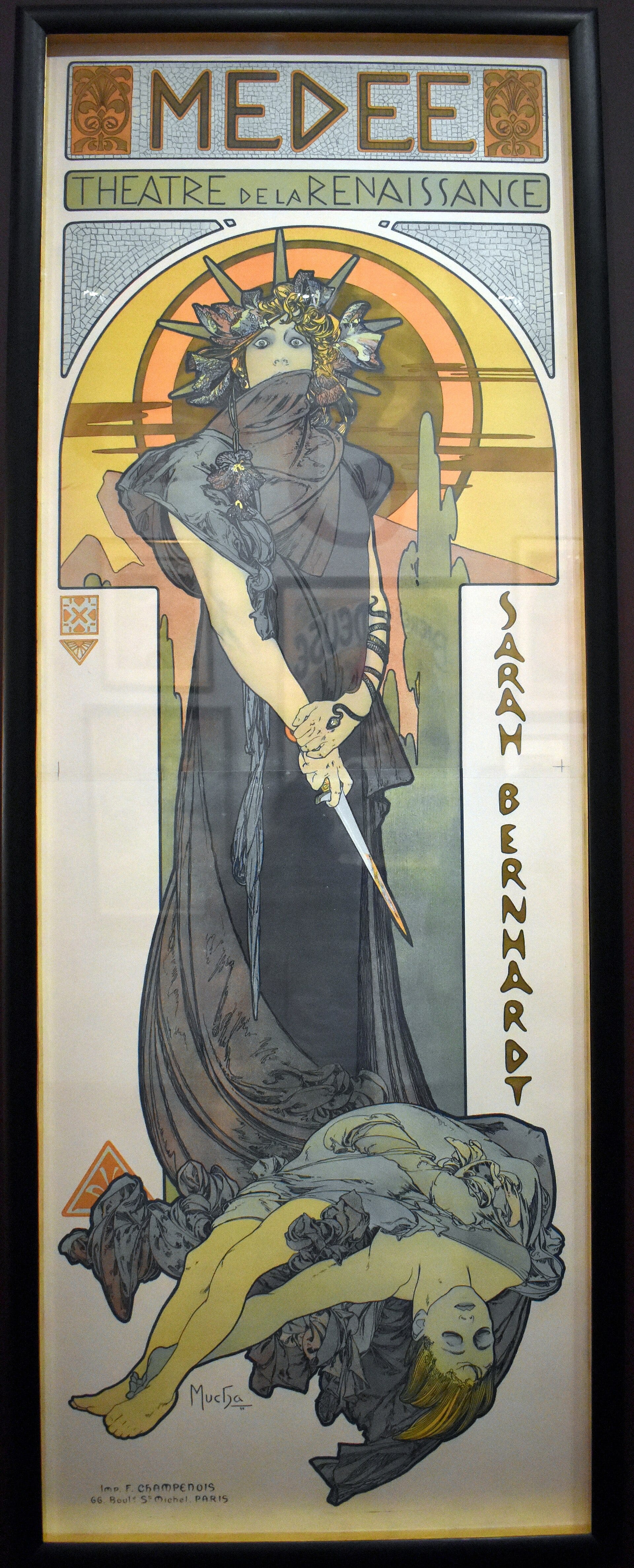
Every work chosen here shows Medea herself, and none shows the killing. Medea also stayed a stage role long after Euripides, and the theater runs through several of these pictures.
12. Rembrandt, Medea, or the Marriage of Jason and Creusa (1648)
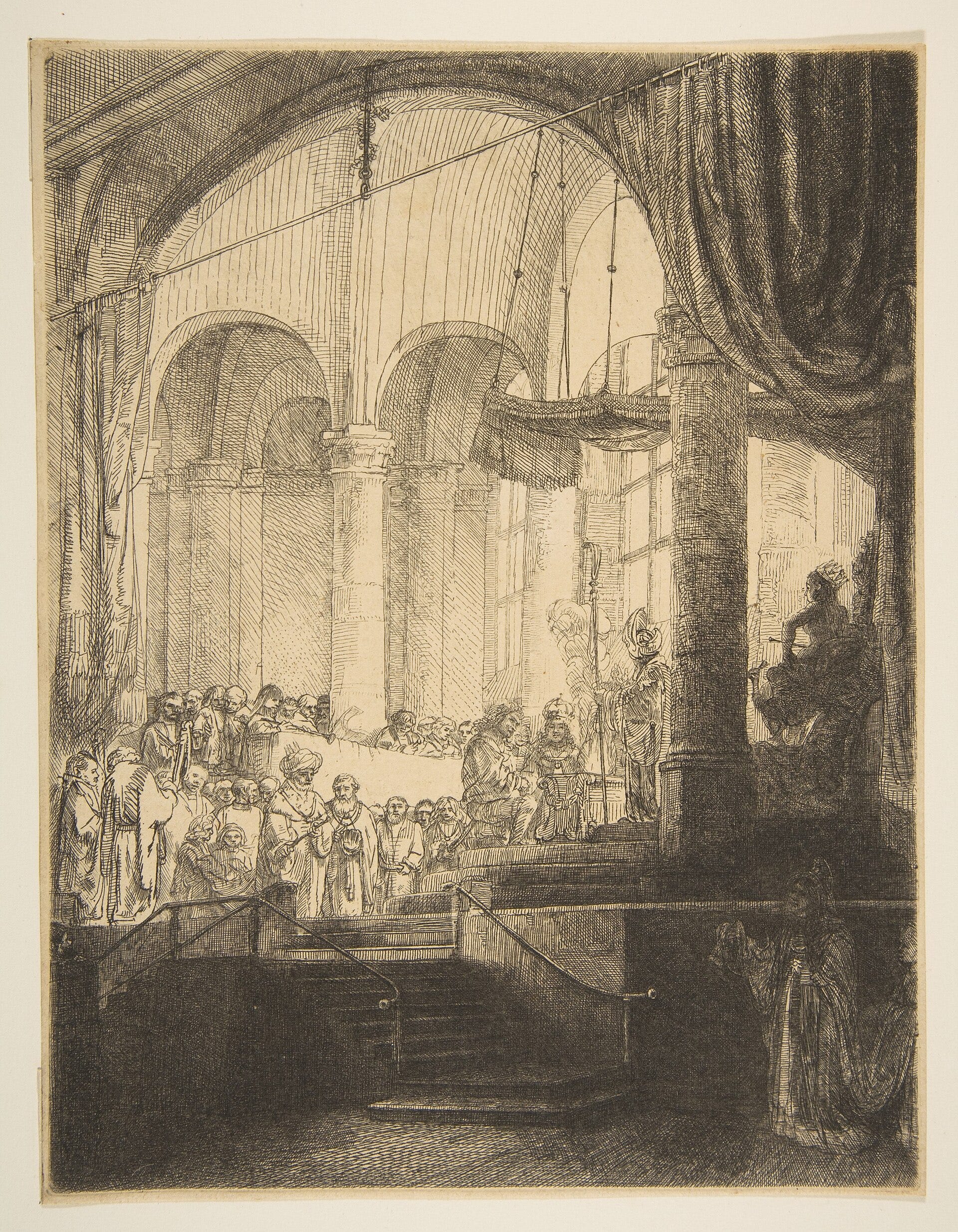
In the dark foreground of this small etching, a woman wearing a crown stands with a dagger in her hand. Far above her, inside a tall and dim church, a couple is being married on a raised platform beneath the statue of a goddess.
The print began as a favor between friends. In October 1647, the Schouwburg, Amsterdam's city theater, staged Medea, a tragedy written by Jan Six, a wealthy patron and a friend of Rembrandt. When the play went to press the following year, Six asked Rembrandt for its frontispiece.
For that image, Rembrandt picked a scene the play never puts on stage, which is why the print is known as Medea, or the Marriage of Jason and Creusa. Jason marries Creusa, daughter of the king of Corinth, in an imaginary church, and a staircase leads the eye from the couple up to Juno, the Roman goddess of marriage.
The woman in the dark below is Medea, the wife Jason has just left. Rembrandt rarely made prints for books, and he took this copper plate through several stages, printing each one before making the next change.
Those stages can still be compared. The earliest impressions have no date, no signature and none of Six's verses. Only the fourth stage, with the lines added below the image, went into the 1648 edition.
Through all of it, the light falls on the bride, the groom and the goddess above them. Medea, whose revenge is the whole subject of Six's play, is left in the shadows, off to one side.
At a Glance
Artist: Rembrandt van Rijn (1606 to 1669)
Made: 1648
Medium: Etching and drypoint
Size: 24 × 17.7 cm (9.4 × 7 in)
Where to see it: Rijksmuseum, Amsterdam (print room, on request), and in many other print rooms
11. Charles-Antoine Coypel, Medea (about 1715)
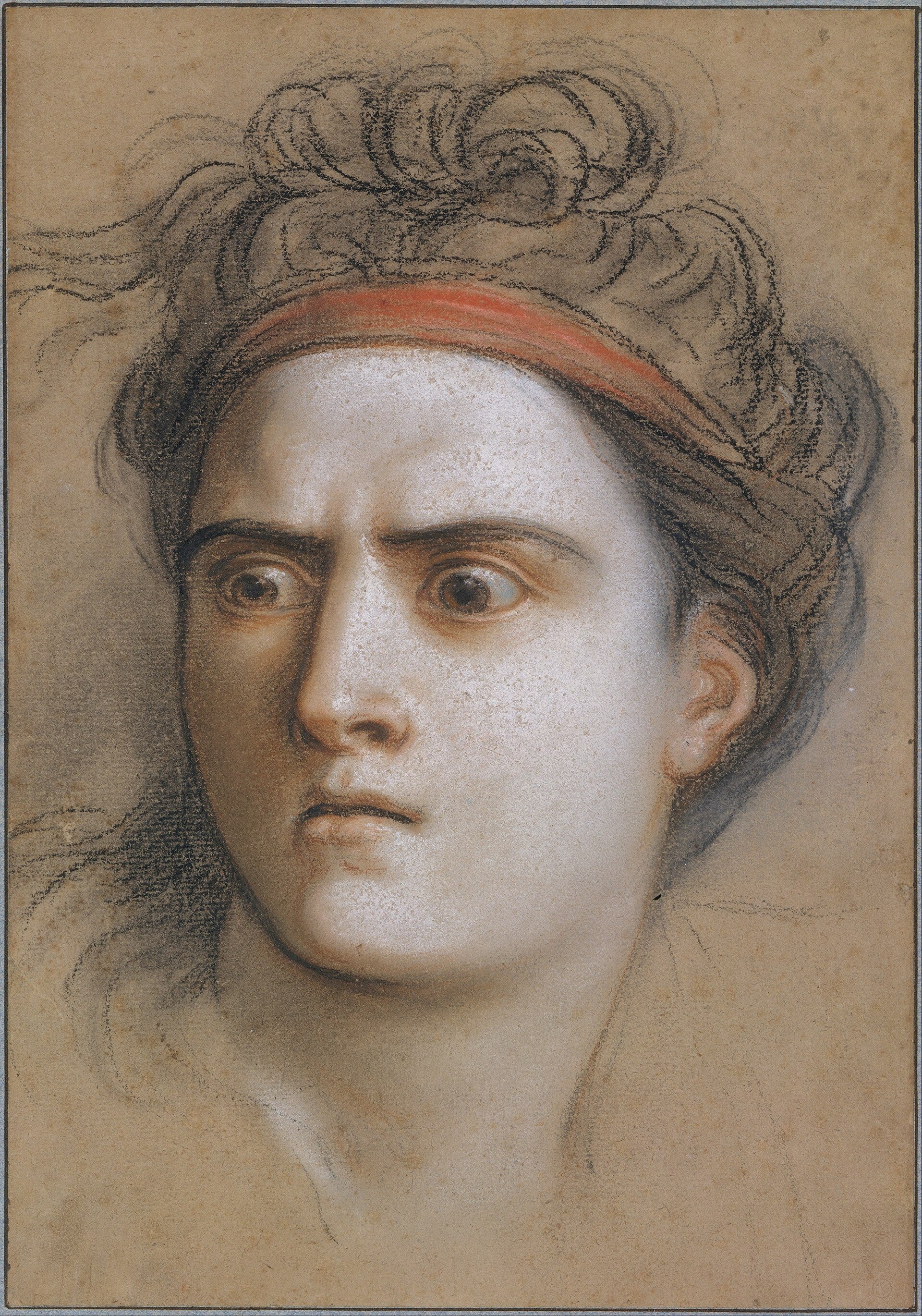
High in a stormy sky, a woman drives a chariot drawn by dragons, the reins in one hand and a dagger in the other, her face tight with rage. For a long time this pastel passed for the work of Charles Le Brun, the painter who ran the arts for Louis XIV. It was in fact drawn by an artist barely twenty years old, who was preparing the one painting that had to open the Royal Academy to him.