
Almost no painting was ever attacked for being obscene on its own. It was attacked for putting the wrong kind of person in a position reserved for goddesses, saints or kings. Manet’s Olympia was not a nude problem, it was a naming problem, and the crowd had to be held back by guards.
Learn art the fun way
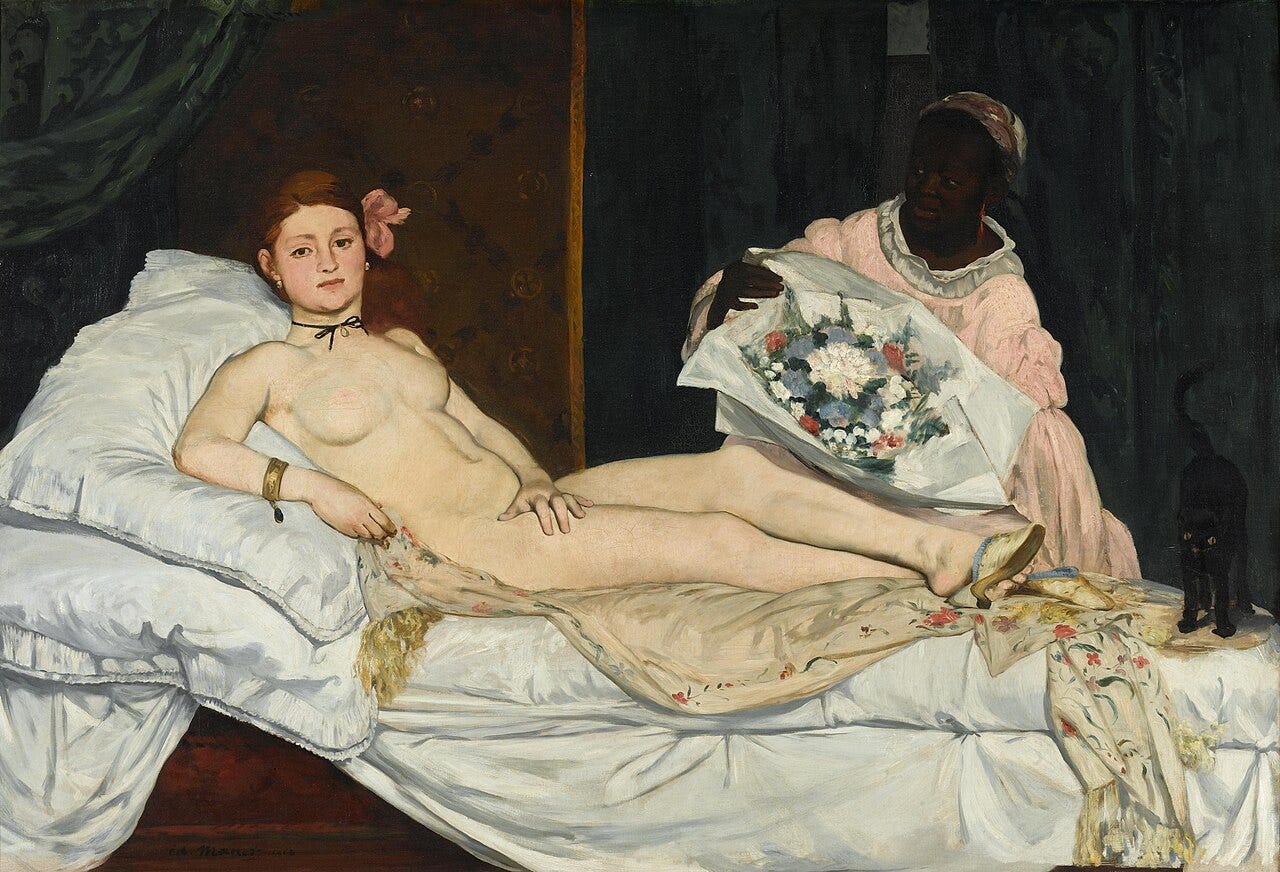
1 | Olympia, Edouard Manet (1863, shown 1865)
A courtesan looks straight out at the buyer, with a black ribbon at her throat and a maid bringing flowers from a client. Critics called it indecent, and the Salon hung it high and posted guards.
Titian’s Venus of Urbino is the same pose, and the rules of the nude in art allowed it. The difference is that Manet gave her a job. More on him in Edouard Manet.
2 | Madame X, John Singer Sargent (1884)
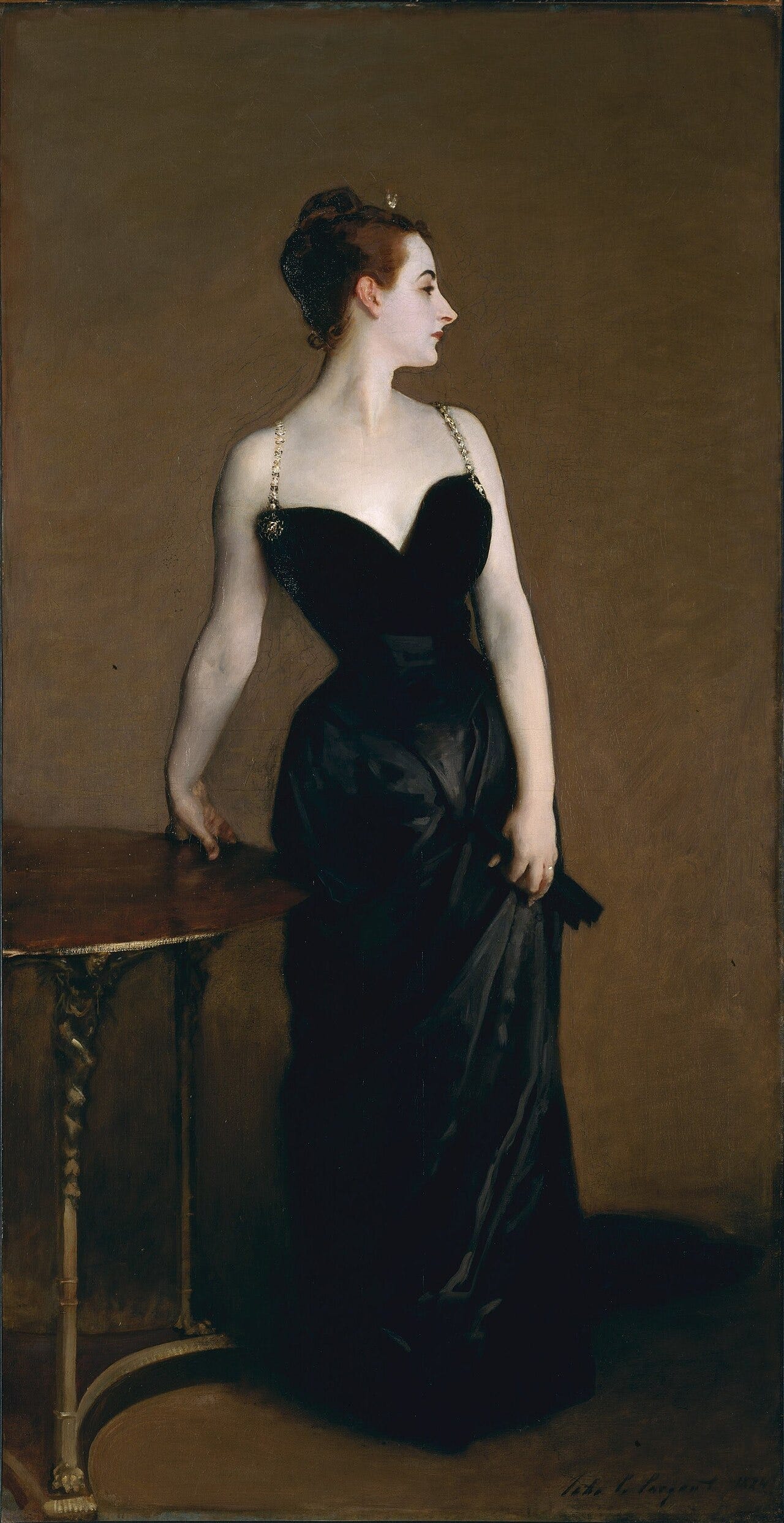
Sargent first showed Virginie Gautreau with one jewelled strap slipping off her shoulder. Her mother begged him to withdraw the picture, he repainted the strap upright, and he left Paris for London.
The full story is in Madame X and the strap that changed a reputation.
3 | Fountain, Marcel Duchamp (1917)
A porcelain urinal signed R Mutt, submitted to an exhibition whose rules said every entry would be accepted. The committee hid it, and the original was lost almost at once.
Every version you can see today is a later replica. More on him in Marcel Duchamp.
4 | The Last Judgement, Michelangelo (1541)
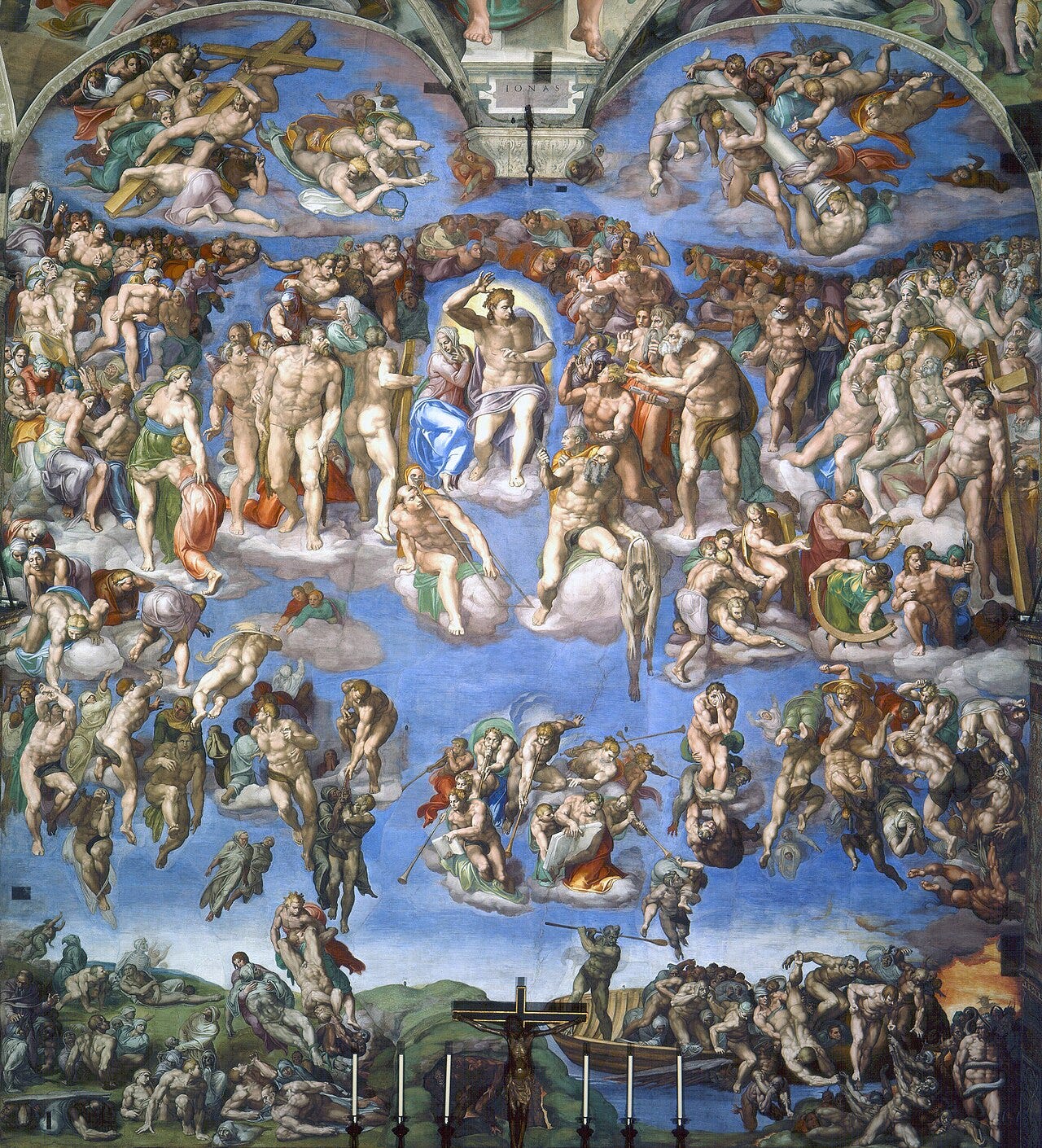
The papal master of ceremonies said it belonged in a bathhouse. Michelangelo painted his face onto Minos in hell. After the Council of Trent, draperies were added to the nude figures from 1565.
More on him in Michelangelo. The whole covering campaign is in censored art.
5 | The Origin of the World, Gustave Courbet (1866)
Painted for a private collector in the realist years, kept behind a curtain or a second panel for most of its life, and only shown publicly at the Orsay from 1995.
More on him in Gustave Courbet.
It was commissioned by the Ottoman diplomat Khalil Bey, who kept it behind a green curtain. It later belonged to the psychoanalyst Jacques Lacan, who hid it behind a sliding panel painted by his brother in law.
6 | Nocturne in Black and Gold, James McNeill Whistler (1875)
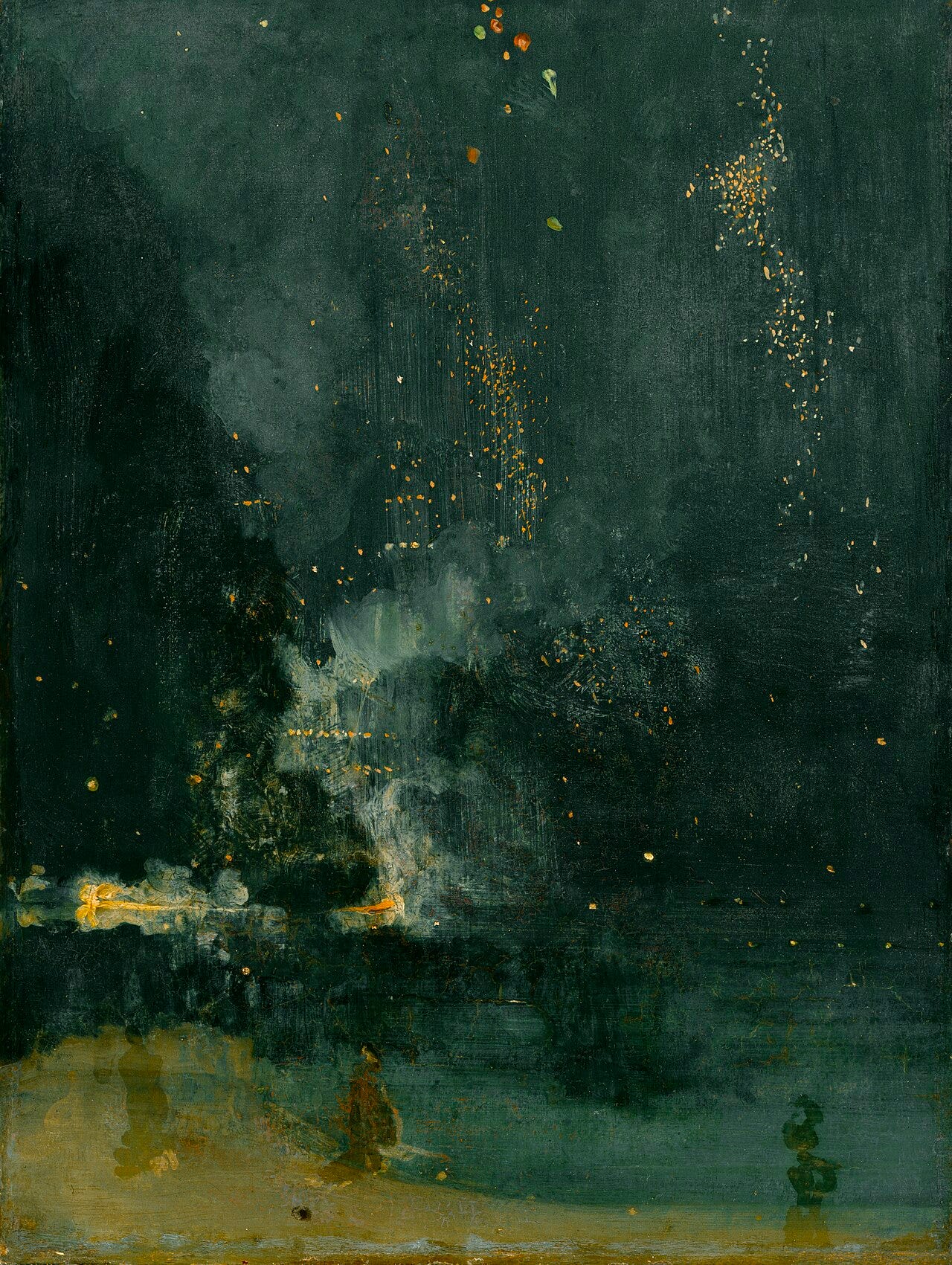
John Ruskin wrote that Whistler had flung a pot of paint in the public’s face. Whistler sued for libel in 1878, won, and was awarded a farthing while the costs bankrupted him.
More on him in James McNeill Whistler.
The trial ran in November 1878. Whistler was asked how long the picture took and said two days, then corrected himself: he asked the price for the knowledge of a lifetime. He won a farthing and no costs, and was bankrupt within months.
7 | Les Demoiselles d’Avignon, Pablo Picasso (1907)
He kept it rolled in the studio for years. Even his own circle found it hostile, and it was not shown in public until 1916.
More on him in Pablo Picasso.
He worked on it through 1907, making hundreds of studies, and then rolled it up. Braque said looking at it was like drinking paraffin to spit fire. It reached MoMA in 1939.
8 | The Naked Maja, Francisco Goya (around 1800)
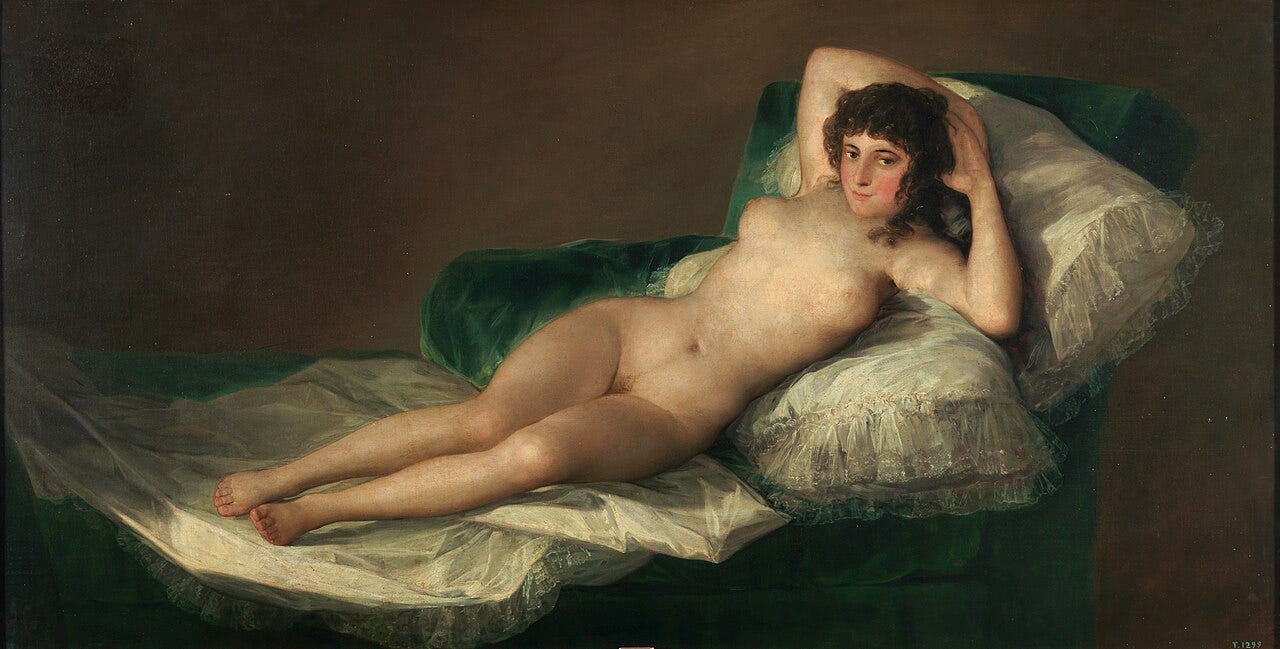
One of the first life size nudes in Western art with no mythological cover story. Goya was called before the Inquisition over it, and both Majas were confiscated.
More on him in Francisco Goya.
I make the case for him at length in is Francisco Goya the greatest painter.
9 | Egon Schiele in Neulengbach (1912)
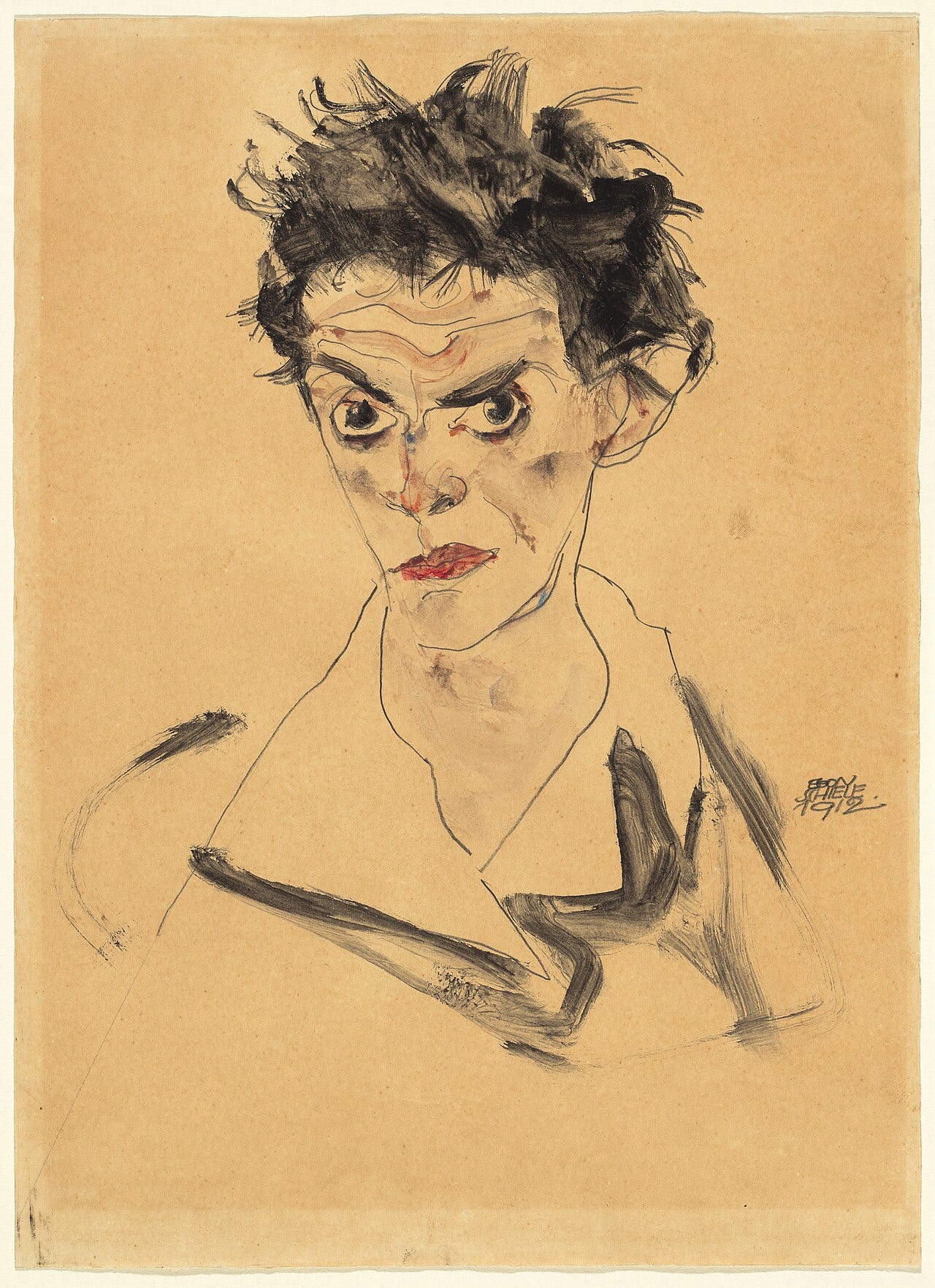
Schiele was arrested, held for twenty four days, and a judge burned one drawing in front of him in court. The charge that stuck was displaying an indecent image where children could see it.
More on him in Egon Schiele.
He was arrested in April 1912 at Neulengbach, held for twenty four days, and the original charge of abduction was dropped. The judge burned one drawing over a candle flame in the courtroom.
10 | Man at the Crossroads, Diego Rivera (1934)
Commissioned for Rockefeller Center, then destroyed once Rivera refused to remove the head of Lenin. He repainted a version in Mexico City with Rockefeller added to a nightclub scene.
The patron paid the fee and demolished the wall.
Rivera was paid the full fee of 21,000 dollars and dismissed in May 1933. The mural was covered, then hacked off the wall in February 1934. He repainted it at the Palacio de Bellas Artes in Mexico City the following year.
11 | The Gross Clinic, Thomas Eakins (1875)
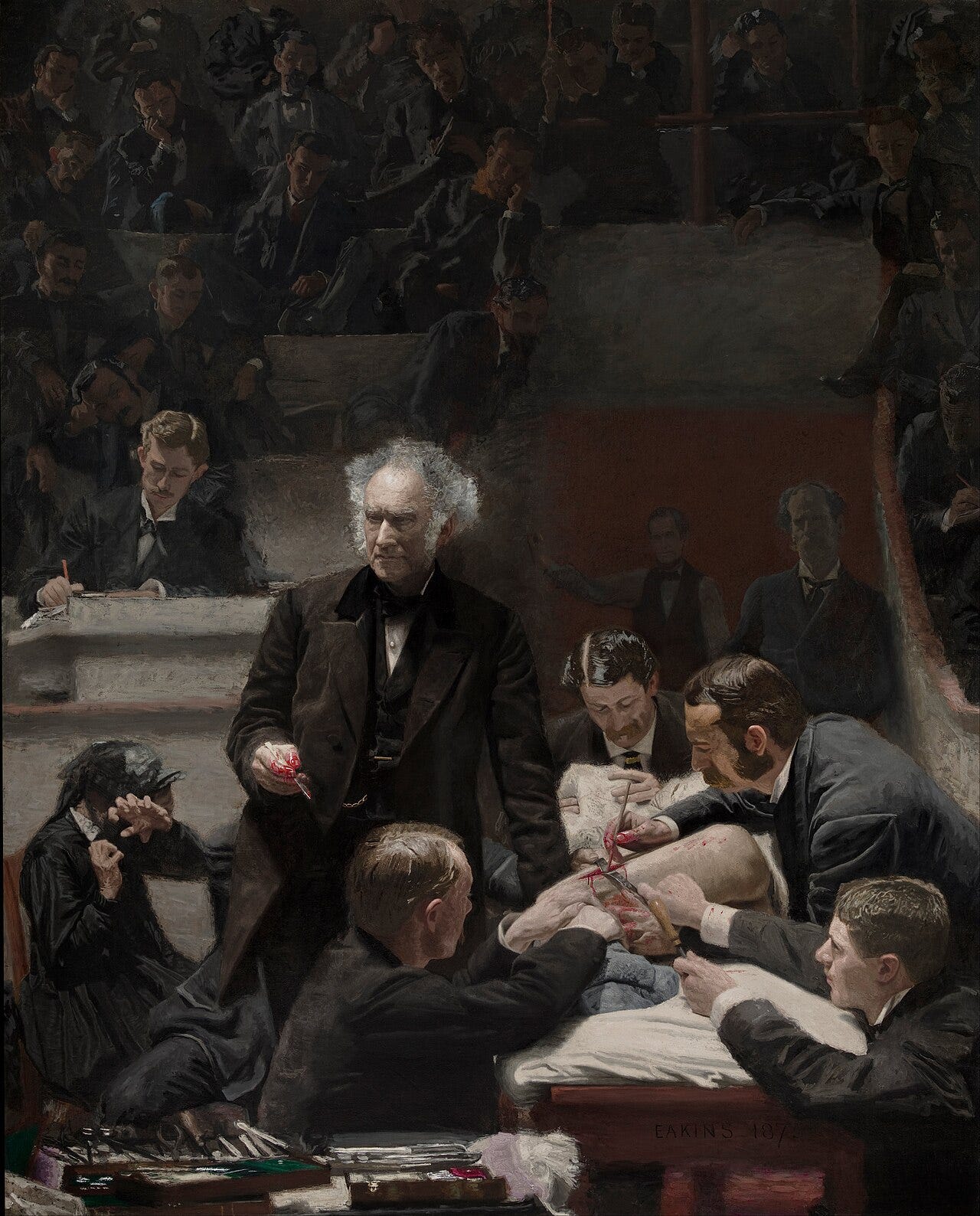
A surgeon operating, with blood on his hand, offered for the Philadelphia Centennial and refused by the art selection committee. It was shown in a medical display instead.
Eakins later lost his teaching post over a life class.
The Philadelphia Centennial art jury refused it in 1876 and it was hung in the medical section instead. The city raised 68 million dollars in 2007 to stop it being sold out of Philadelphia.
12 | What the scandals have in common
None of them were rejected for skill. Each one broke a rule about who was allowed to be shown, in what state, and to whom. That is a social argument dressed as an art argument.
Ask who is looking, and who is being looked at. The scandal is usually right there.
Scandalous paintings, questions people ask
Why was Olympia such a scandal? The pose was borrowed from Titian, but Manet made her a working courtesan looking directly at the viewer, shown at the Salon of 1865 under guard.
What happened to Madame X? Sargent first showed the strap fallen off the shoulder in 1884, repainted it upright after the outcry, and moved to London.
Was Fountain really rejected? Yes. The 1917 exhibition promised to accept every entry, then hid the urinal. The original disappeared and all known examples are replicas.
Why was the Last Judgement painted over? After the Council of Trent, from 1565, a painter was hired to add draperies to the nude figures.
Where is Madame X today? The Orsay for Olympia and Courbet, the Met for Madame X, the Prado for Goya, the Vatican for Michelangelo.
Manet did not invent a single element of Olympia. Pose, maid, flowers, cat, all borrowed. He only changed the title, and that alone was enough to need guards.
More of these works sit at the Met and the Rijksmuseum.
Scandal is one entry point into art history's darker side. Dark Paintings: A Guide to Art History's Macabre Side maps the wider territory, from censored nudes to paintings that survived physical attack.