
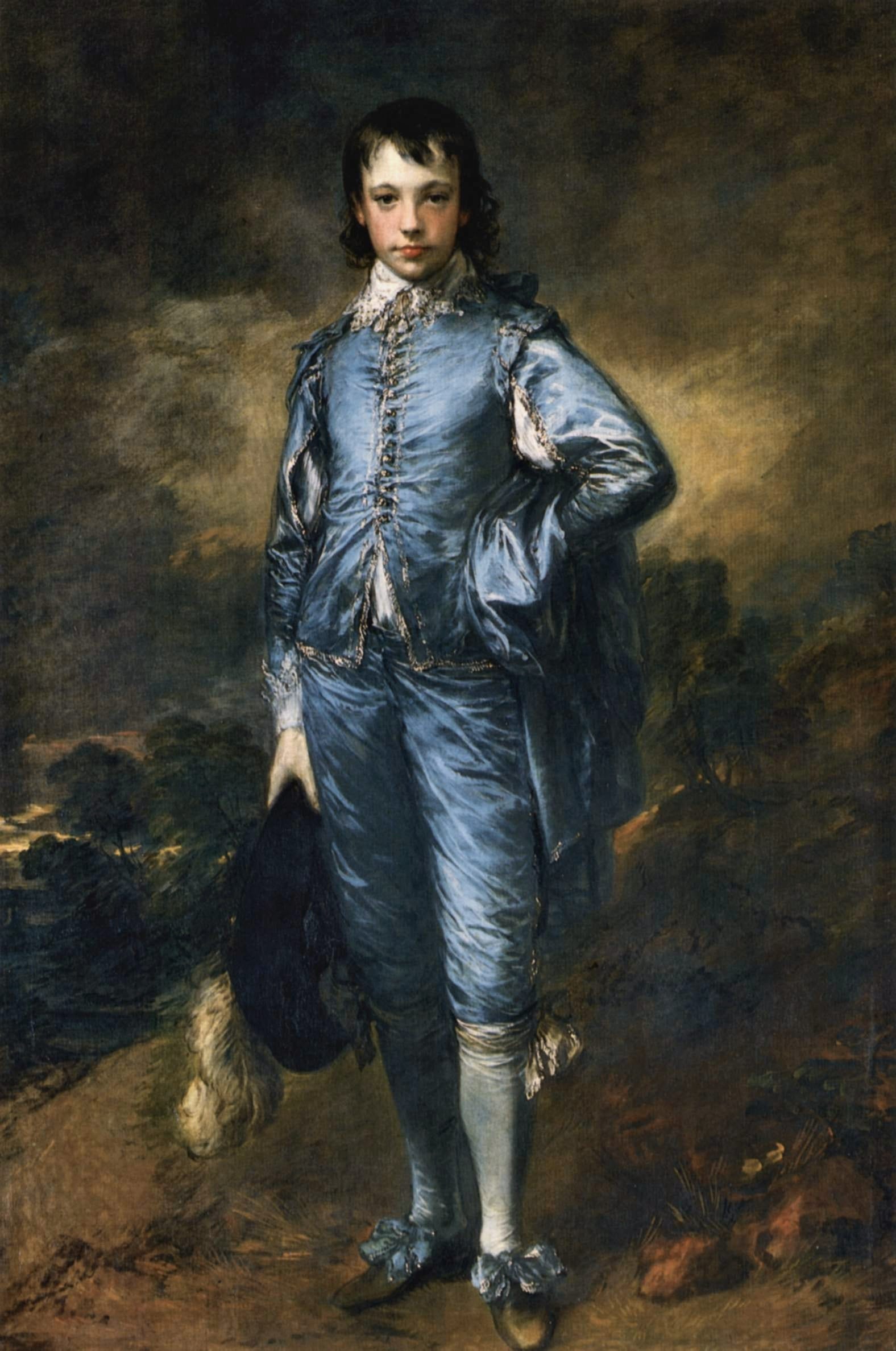
The Blue Boy is a full-length portrait that Thomas Gainsborough, the English portraitist, made around 1770. A teenage boy, almost life-size, stands on a path climbing a wooded slope, dressed in blue satin, holding in his right hand a black hat with a white plume, under a stormy brown sky.
Gainsborough painted it to show London what he could do, and it won praise when the Royal Academy exhibited it in 1770. Its fame kept growing for 150 years, until 1922, when crowds lined up in London to say goodbye before it crossed the Atlantic to California.
The identity of the sitter has never been settled, and X-rays have revealed a dog at his feet that Gainsborough painted out. Since 1928 the Huntington, in San Marino, near Los Angeles, has kept it on view, and it has gone back to London only once.
Cool Stories About Art is a newsletter to learn art the fun way.
Join 200,000+ readers and get:
10 new art stories / month
The entire archive of content (140+ articles)
Comment, ask questions, and chat with other readers
What does The Blue Boy painting represent?
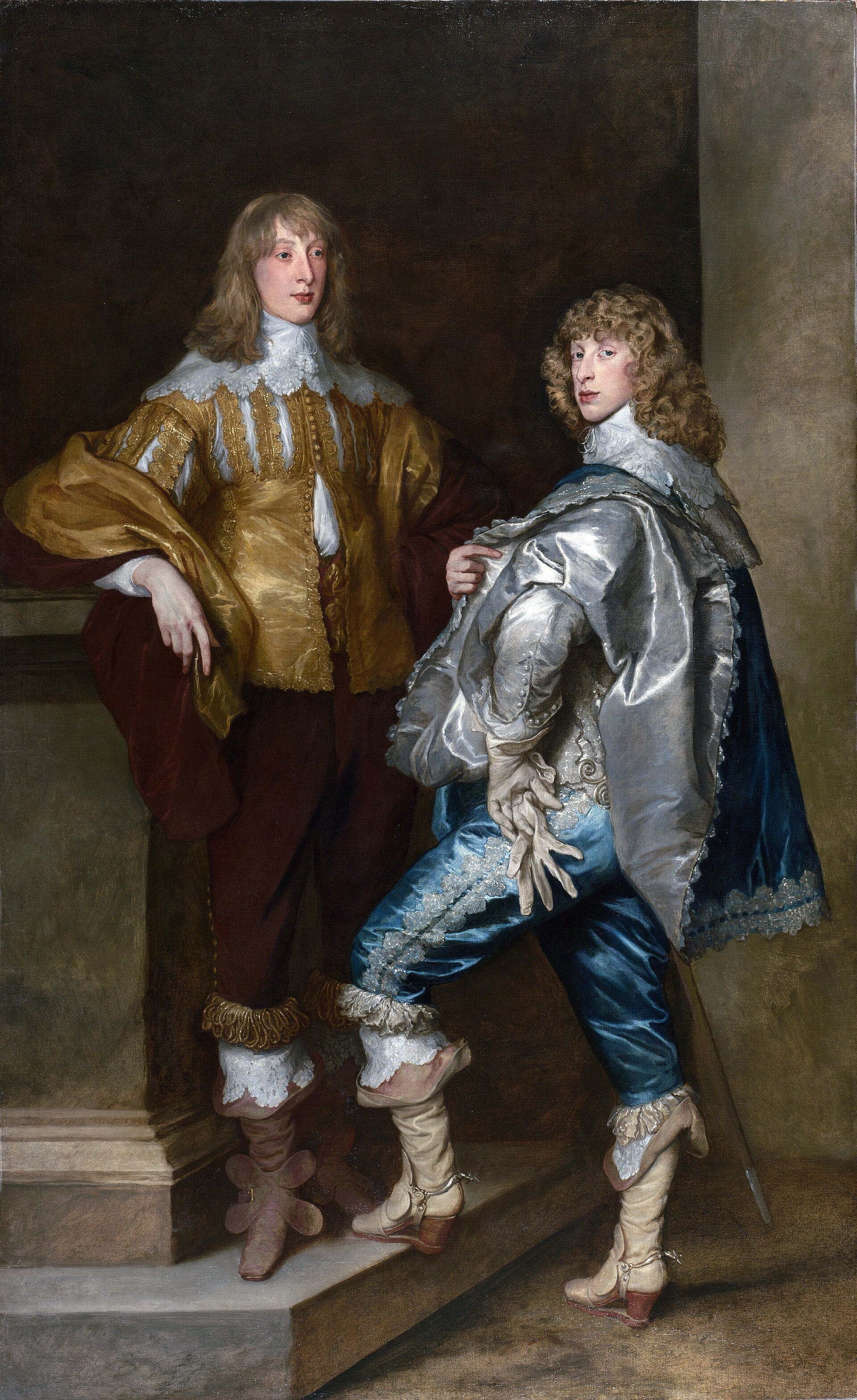
From the white plume of his hat to his silver buttons, the boy is dressed for a royal court that had vanished long before he was born, and Gainsborough had learned every fold of that suit by copying another artist's canvas at full size…
What You'll Discover
The young duke whose pose the boy borrows
Who the boy in blue may have been
Where the name and its famous legend began
What X-rays found under the rocks
Why London lined up to say goodbye
The Los Angeles painter who answered him