

170 000+ readers. Learn art the fun way.
This is a preview. Paid subscribers get the full story.
You’ll also get:
10 new stories every month
The full archive (130+ Art stories)
Your personal art guide. Comment, ask questions, DM me anytime
iPhone user? Subscribe at coolstoriesabout.art, not via the app. Apple adds 30% to the price.
Palermo, 18 October 1969. Maria Gelfo climbs the steps of the Oratorio di San Lorenzo. Six in the morning. She has held the keys to the small baroque sanctuary for years, and her sister Concetta follows behind, carrying the bucket and cloths. Every morning, the same ritual. Open up, air the place, clean before mass.
If true art crimes fascinate you, here are even wilder museum heists.
Maria pushes the heavy wooden door. Steps inside. Freezes.
The frame above the altar is empty. A large gilded rectangle, gaping. A few scraps of canvas clinging to the nails. On the floor, tiny fragments of paint. The side window ajar, the lock torn away.
Maria screams. U’ quatru! The painting.
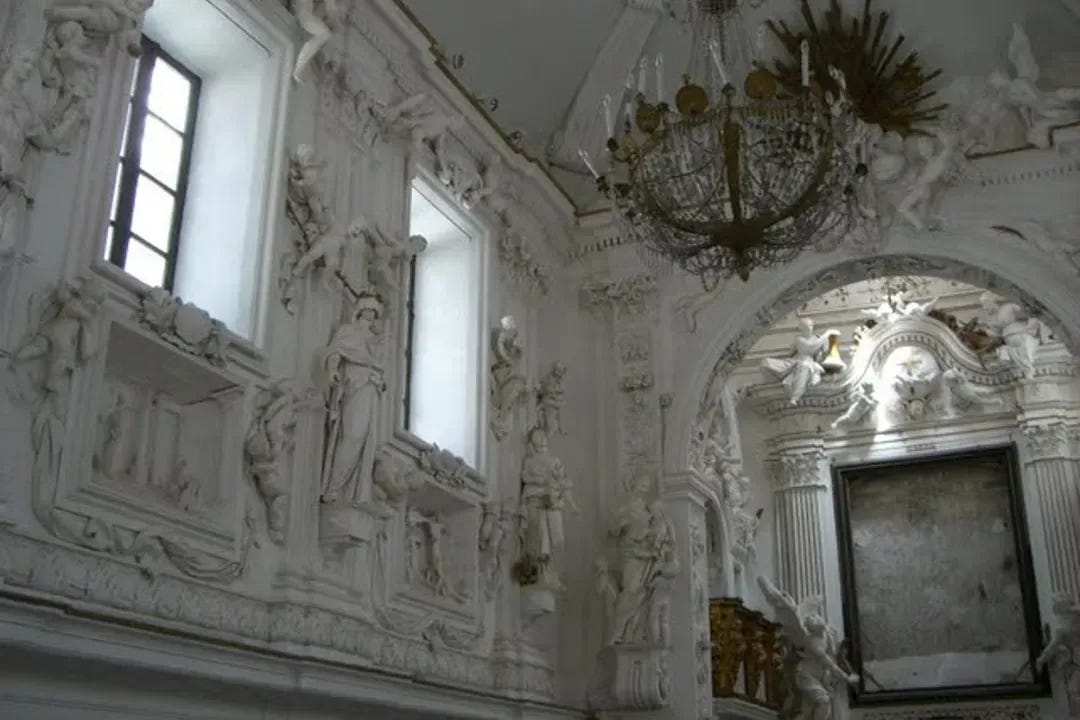
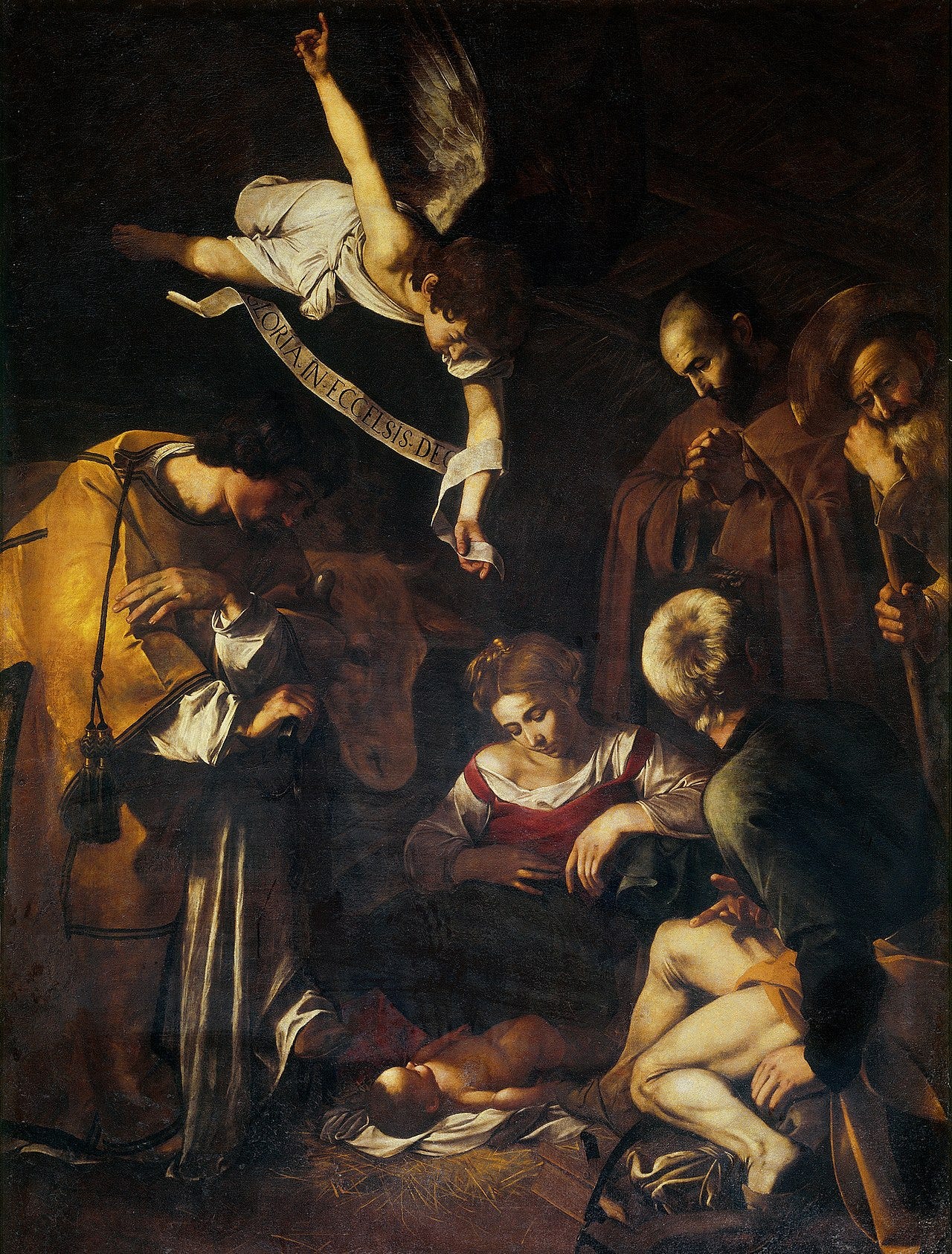
The two women stand rooted before the void. Three hundred and sixty years that canvas had hung there. Caravaggio’s Nativity. An immense work, taller than a cathedral door. Now vanished.
The carabinieri arrive, examine the forced window, gather what indices remain. The torrential rain during the night has washed everything away. In the alley, a ladder abandoned against the wall. Inside, the large carpet that adorned the floor has disappeared.
An officer examines the frame. The edges are clean, sliced with a razor. No brutal tear. Disturbing precision. He turns to Maria. Did you hear anything during the night? She shakes her head. The storm drowned everything out.
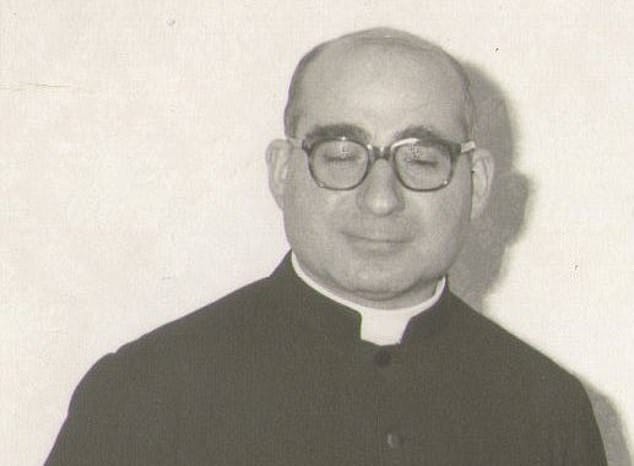
Father Benedetto Rocco arrives running. Forty-nine years old, rector of the oratory for five years. He stops dead before the altar, stares at the empty frame. His lips tremble. For weeks, he had known. He had warned them, even begged.
Discover my new newsletter !

Early October, unknown men had begun prowling near the chapel. Maria had seen them several times. They asked to enter, to see the Caravaggio up close. Rocco had immediately alerted the ecclesiastical authorities.
That old side window, its lock that no longer closed properly, it needed securing. The Curia of Palermo had refused. No reason for alarm.
Worse still. End of summer, the state television RAI had turned up with its cameras for a documentary on the hidden treasures of Sicily. Rocco had firmly declined, warned the journalists. If the public learns that a Caravaggio hangs unprotected in a modest church in Palermo, theft becomes inevitable.
The Superintendent of Fine Arts, Vincenzo Scuderi, had authorised the programme nonetheless. The footage had been broadcast. Now it was gone.
Keep learning art the fun way


The investigation stalls from the first days. The entire neighbourhood observes the law of silence. The carabinieri question neighbours, known fences, art dealers. Nobody talks in Palermo.
January 1970. Three months after the theft. Rocco goes down to fetch his post one morning. A white envelope in his letterbox. No sender’s name. He turns it over in his hands, climbs back to his kitchen. Tears open the flap with his bread knife.
Inside, a typewritten sheet which he unfolds and reads.
The authors of the theft introduce themselves. Claim to possess the Caravaggio. Propose entering into negotiation for its return. Rocco reads through three times, his hands shaking. The letter demands a sign of good faith.
He must publish a small advertisement in the Giornale di Sicilia, the local newspaper. The exact text follows, typed in capitals. A few bland lines that only the kidnappers can understand.
Rocco turns over the envelope. A photograph slips onto the table. He picks it up. The painting cut out, propped against a white wall that cannot be identified. The folds in the canvas are visible. Proof that they have the work in their hands.
Rocco pulls on his coat, runs to Scuderi’s. The superintendent who had authorised the programme examines the photo at length, rereads the text. Hesitates. Says he must consult his superiors. Rocco waits three days.
Finally, Scuderi accepts. The coded advertisement appears in the newspaper the following week, a banal message of a few lines lost among the small ads.
Rocco watches for the post each morning for a fortnight. On 15 February, a second envelope arrives. He takes it up to his room, closes the door, opens it.
The tone has changed, sharper, more threatening. Between the sheets, something falls onto the bed. A tiny rectangle of canvas, two centimetres by three. Rocco picks it up carefully, recognises the ancient texture, the cracks in the varnish.
A fragment of the painting, cut from the edge like one slices off a hostage’s ear. The letter demands a second advertisement, same newspaper, same procedure.
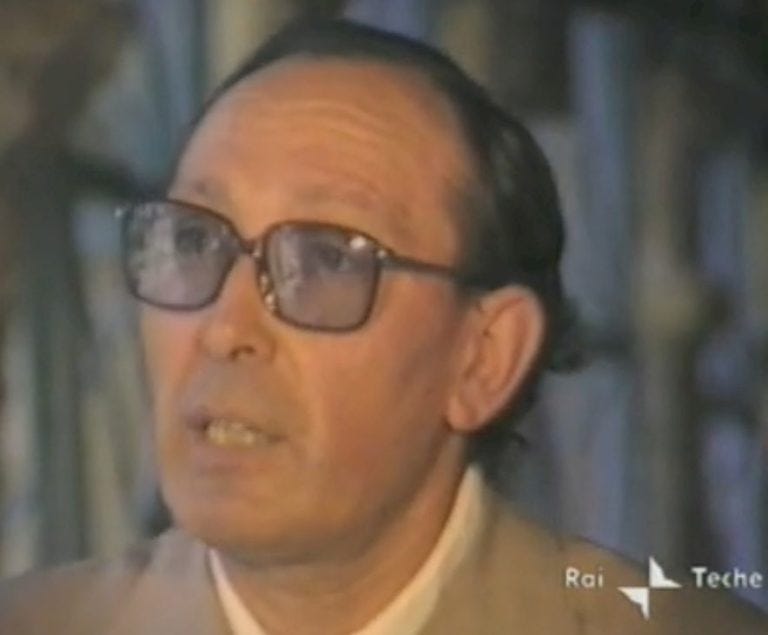
Rocco puts his coat back on, rushes to Scuderi’s. Places the letter and the fragment on the superintendent’s desk. Scuderi examines the piece of canvas at length, turns it between his fingers. Then he raises his head, looks at Rocco differently.
Something in his expression has changed. He asks a strange question. Padre, how can I be certain you are not implicated in this affair?
Rocco remains frozen. Pardon?
Scuderi repeats. These letters arriving at your home. This fragment. How can I know you are not playing a role in this... negotiation?
The next day, two policemen ring at Rocco’s door. Please come with us to the station, Padre. Routine questions.