
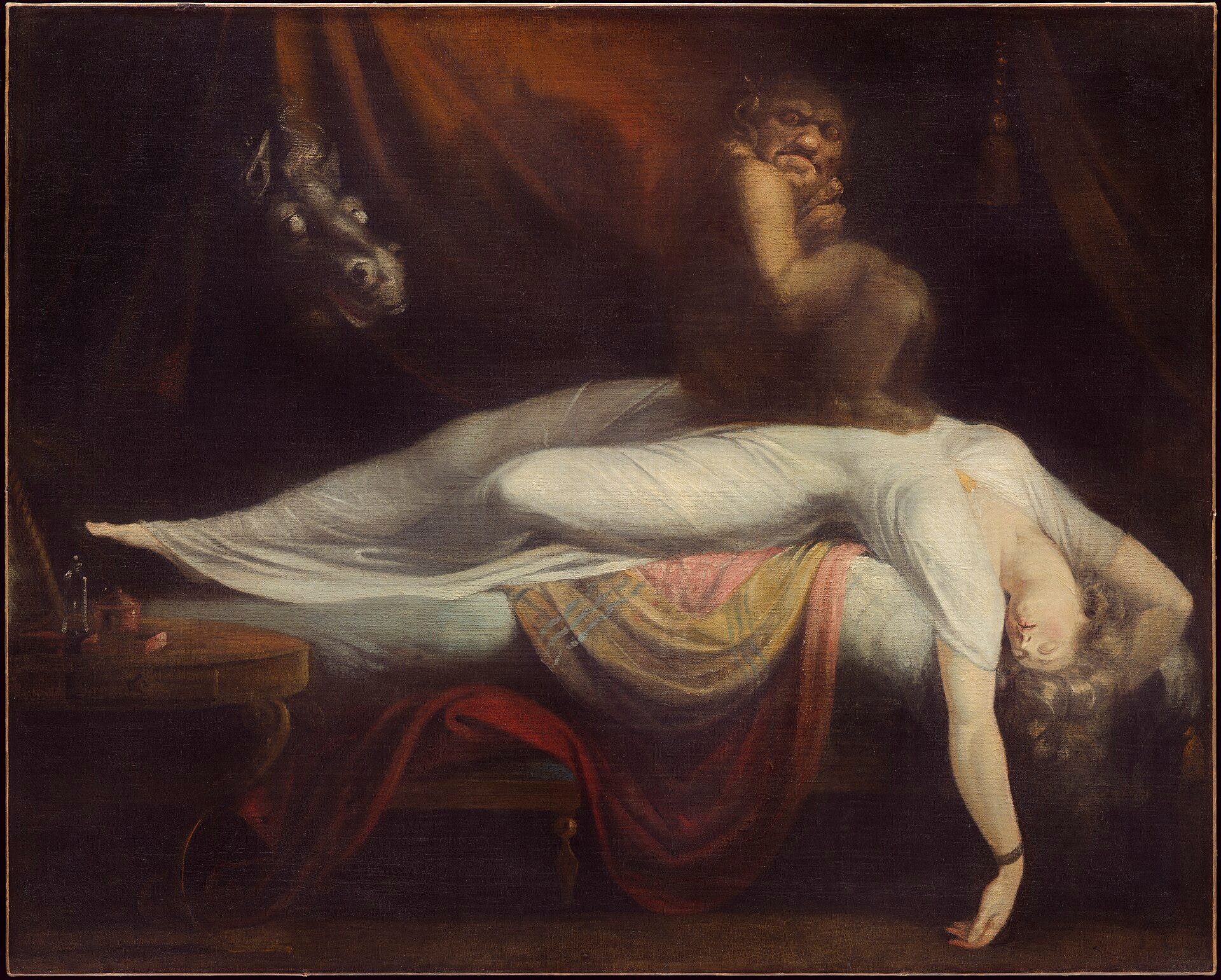
The Nightmare is an oil painting by Henry Fuseli, a Swiss painter who settled in London. He finished it in 1781, and the Detroit Institute of Arts has owned it since 1955. In the picture, a sleeping woman in a white gown is thrown back over a bed, with her head and one arm dropping toward the floor.
On top of her crouches a small, heavy demon, while a horse with no pupils in its eyes pushes its head between red curtains. Shown in London in 1782, the picture made Fuseli famous, and engravings soon carried it to a far wider public.
Instead of a scene from a book or the Bible, it paints a bad dream. It is often called a landmark of Romanticism, the movement that gave feeling, fear and the irrational a central place in art.
Cool Stories About Art is a newsletter to learn art the fun way.
Join 200,000+ readers and get:
10 new art stories / month
The entire archive of content (140+ articles)
Comment, ask questions, and chat with other readers
What is The Nightmare painting about?
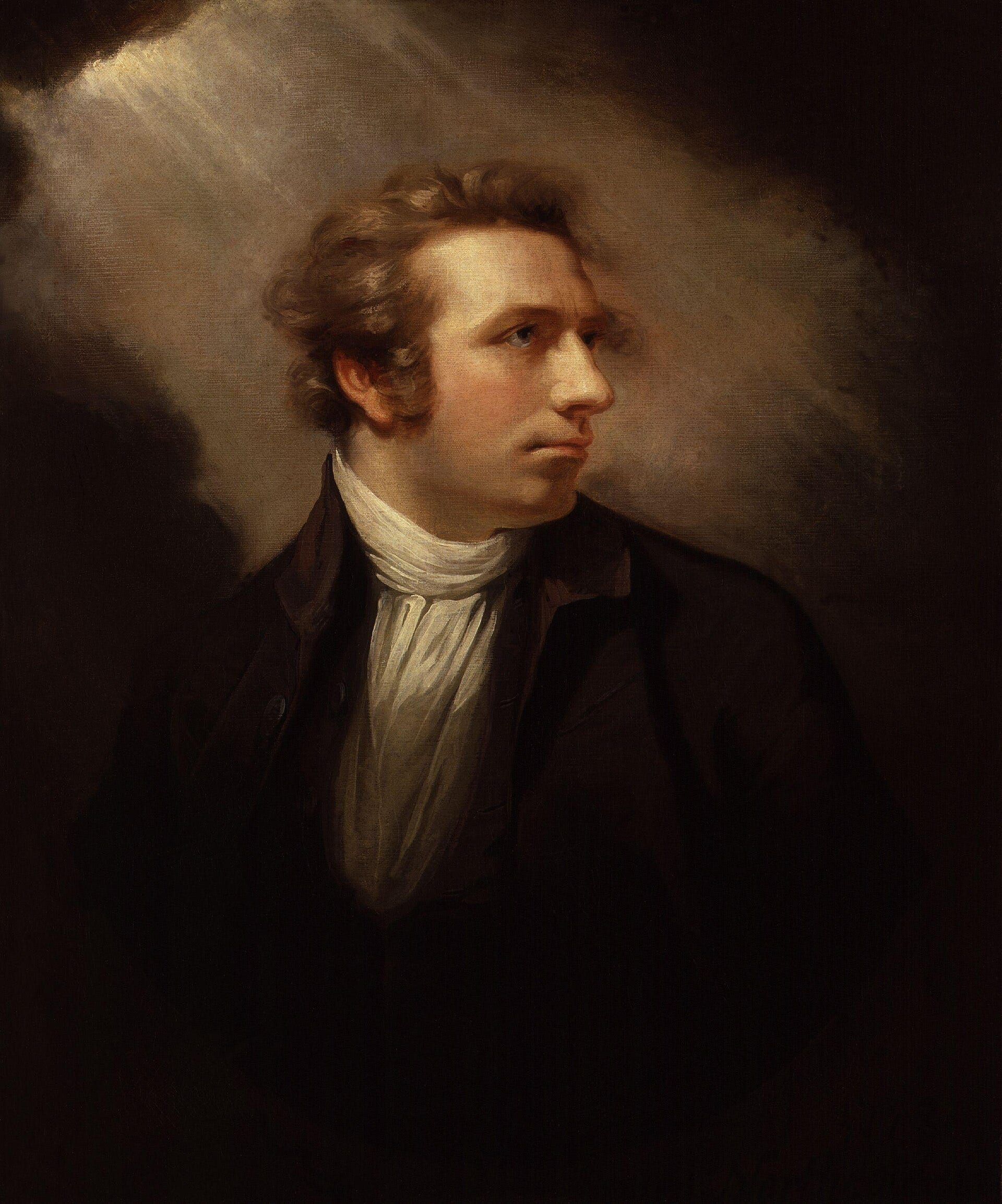
In the early 1950s, a museum director in Detroit borrowed the picture from a New York dealer, hung it on his own office wall and invited his trustees to come and look at it…
What You'll Discover
What waits on the little table by the bed
What a London newspaper thought it was unfit for
Why two medical journals printed it
What a restorer found on the back
Which novel seems to borrow the sleeper's pose
Why Detroit's trustees did not want it