

170 000+ readers. Learn art the fun way.
This is a preview. Paid subscribers get the full story. You'll also get:
10 new stories every month
The full archive (120+ Art stories)
Your personal art guide. Comment, ask questions, DM me anytime
Discover my new newsletter !

Keep learning art the fun way


iPhone user? Subscribe at coolstoriesabout.art, not via the app. Apple adds 30% to the price.
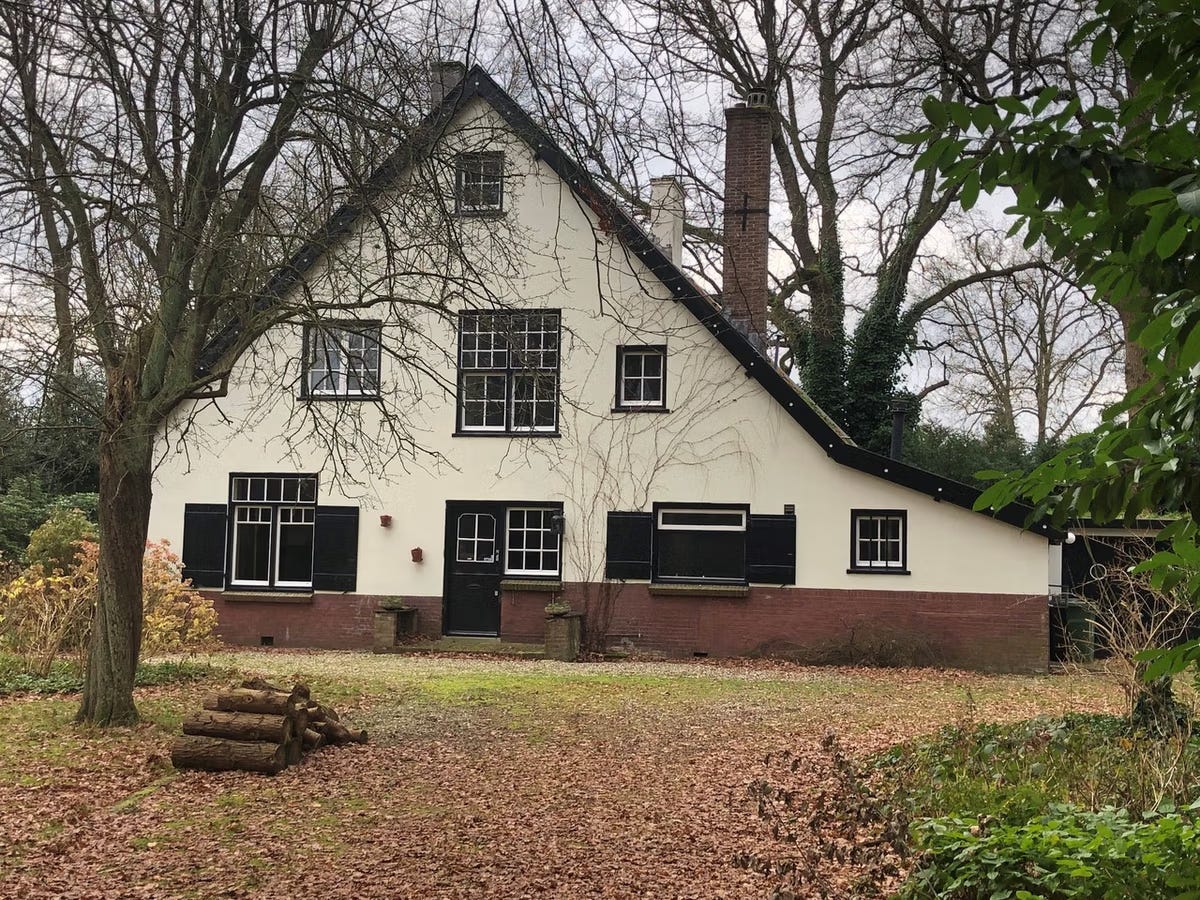
The staircase creaks beneath her feet. Johanna climbs the steps leading to the attic of her new home in Bussum, near Amsterdam. The door opens onto a jumble of canvases she has just inherited. These works once adorned the walls of her Parisian flat.
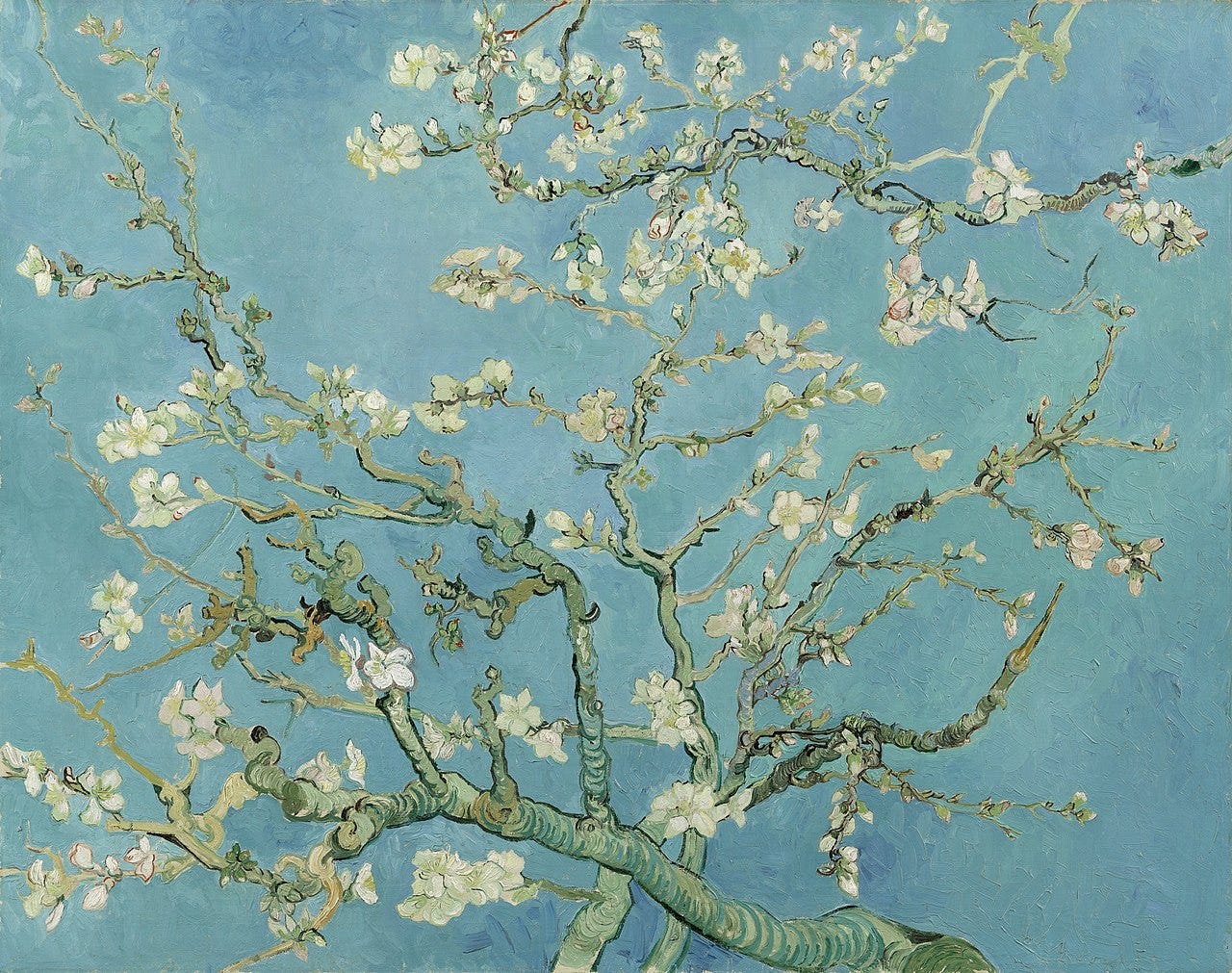
She picks one up with care, descends and hangs it in her son's bedroom. It is a painting of almond trees in blossom, given at the birth of little Vincent, named thus in homage to his uncle.
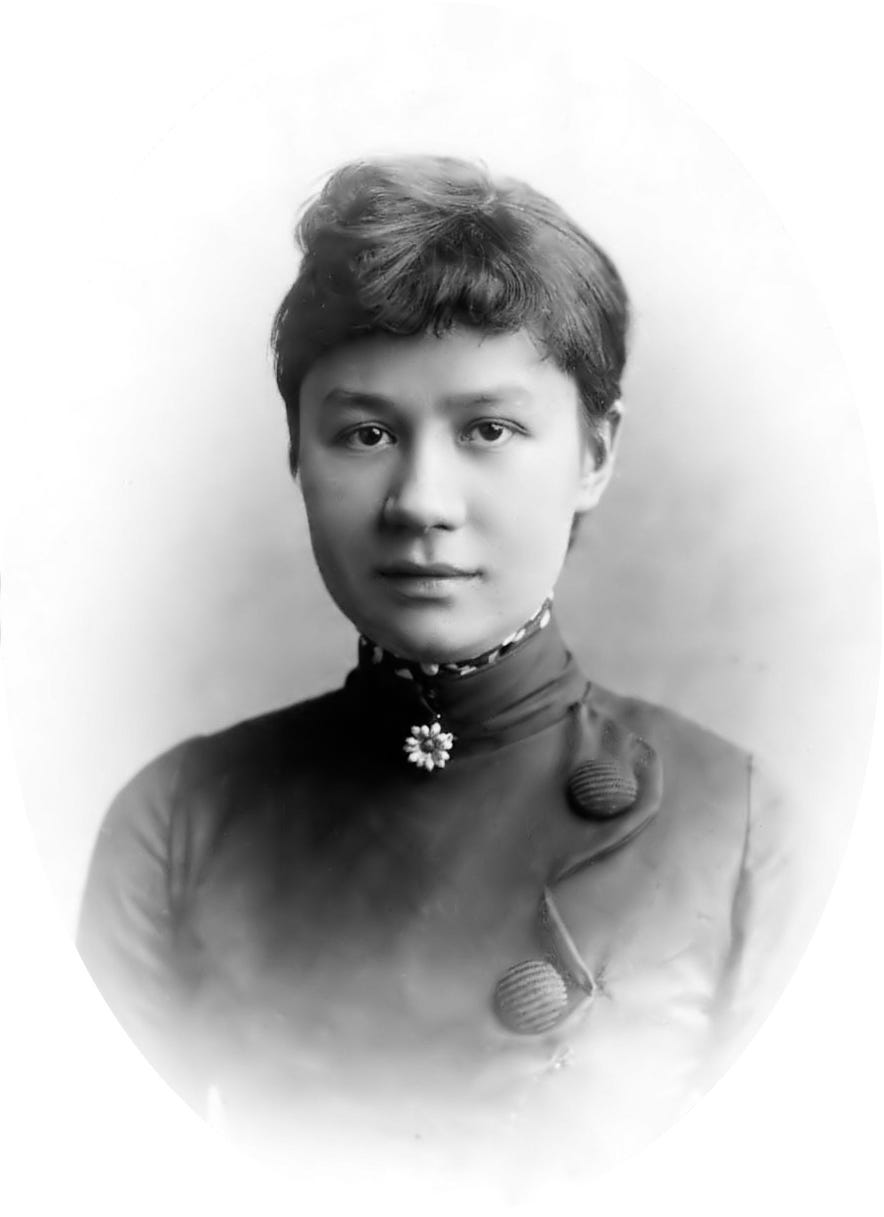
In this year 1891, Johanna has lost everything. Theo Van Gogh, her husband and art dealer, survived his brother Vincent by only six months. At 28, she finds herself alone with her infant, forced to rebuild her existence.
To provide for their needs, she has just opened a boarding house for young ladies. In each room, she arranges a few canvases, creating an improvised art gallery.
She recalls her first encounter with Vincent. The admiration between the brothers had struck her. She pictures Theo again, exhilarated before the latest paintings: those starry nights, those swirls, those sunflowers full of hope, that yellow which seemed to devour everything.
At 27, the painter had chosen this artistic path, sealing a pact with his dealer brother: one would finance, the other would paint. In exchange, the dealer became owner of the canvases.
But at this century's end, these works leave the world indifferent. In his lifetime, Vincent sold only one painting, The Red Vineyard. The family advises the young widow to burn these worthless "daubs". She refuses categorically.
An art dealer offers to buy them to scrape off the paint and resell the blank canvases. Johanna refuses, outraged.
Upon her husband's death, armed with a few small pictures, she walks the Parisian galleries, hoping to sell even one work. In vain. Yet she has a promise to honour, one made to her husband shortly before his death: “to make Vincent's work known, to reveal it to the world”.
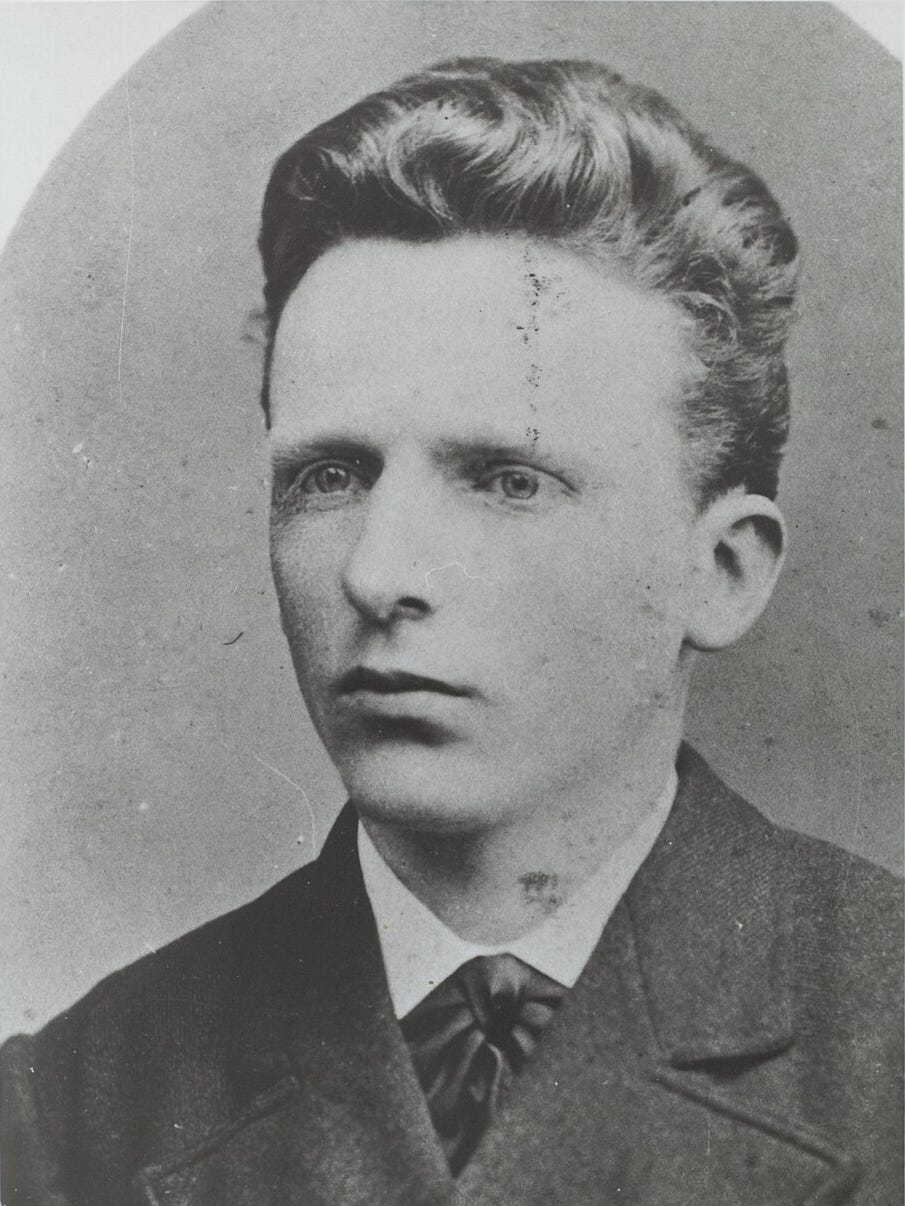
In Bussum, she approaches the notables and intellectuals of her neighbourhood. She repeats her husband's arguments, to no avail. The influential figures, priding themselves on mastering modern art, frown, decree that the colours are garish, the lines clumsy, the matter coarse.
She, however, sees in them the work of an obstinate man, consumed by a devouring passion.
She knocks at the door of renowned critics, Richard Roland-Holst and Jan Veth, but meets with their mockery.
Johanna knows the prejudices of her era, this 19th century which confines women to the domestic role and reserves intellectual prestige for men. How could she, daughter of an insurance family, accomplished pianist, graduate in English literature, carry out this mission in this man's world?
"One day, Vincent's genius will be recognised." How many times had she not heard this phrase from her husband? But how to proceed?
She immerses herself in the correspondence between the two brothers. Eighteen years of epistolary correspondence, more than 600 letters. Evening after evening, she reads them, until the painter appears clearly before her.
Through reading them, an intuition is born: the letters overlay the paintings. And if, by understanding the man better, one understood his artistic gesture better? It is a revelation. The letters must accompany these pictures.
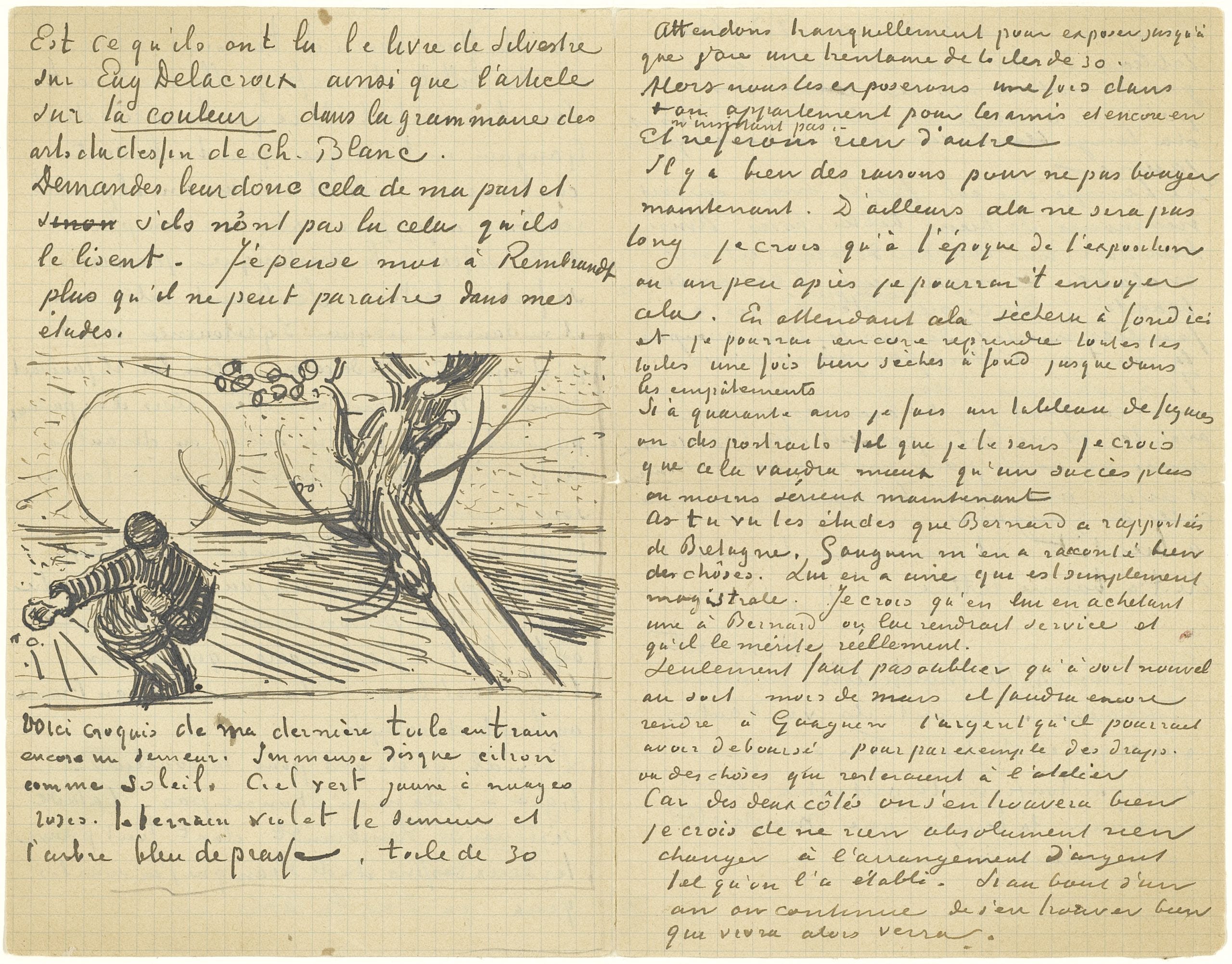
In March 1892, she tries her luck again with her neighbours Jan Veth and Richard Roland-Holst, slipping them some correspondence accompanied by works. None deigns to respond.
She does not give up. Whenever she can, she scours the galleries and museums of Amsterdam and trains herself in art history after her working days. A new idea comes to her. To the small circle of gallery owners and critics, she makes it known that she is making available some canvases from her personal collection.
All means are good for circulating the works. A few months pass and requests for loans pour in.
The first exhibitions are finally mounted in the country's major cities. But she is quickly disappointed. Nothing is done properly. The canvases, poorly lit, are piled carelessly one upon another. At the end of 1892, the critics Jan Veth and Richard Roland-Holst suddenly change their opinion.
They come to select 85 paintings and 20 drawings. They organise in Amsterdam the very first major exhibition devoted to Vincent.
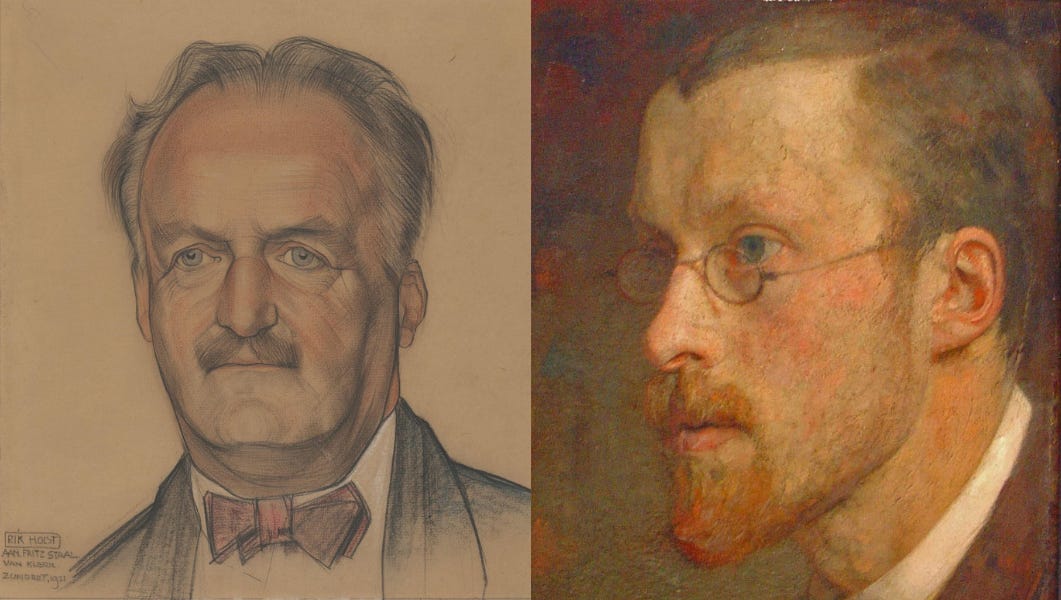
Richard Roland-Holst curates it and writes the catalogue introduction. Johanna lets the influential men speak. She does not intervene. In the catalogue, her name is not even mentioned. She thus renders herself invisible to history's eyes.
Johanna, dissatisfied, has long nurtured another design: to find a biographer for Vincent. She turns to Émile Bernard, longtime companion of the Van Gogh brothers, whom Vincent affectionately nicknamed "Copain Bernard". Johanna sends him a selection of letters. Émile Bernard has them published in Paris in 1893.
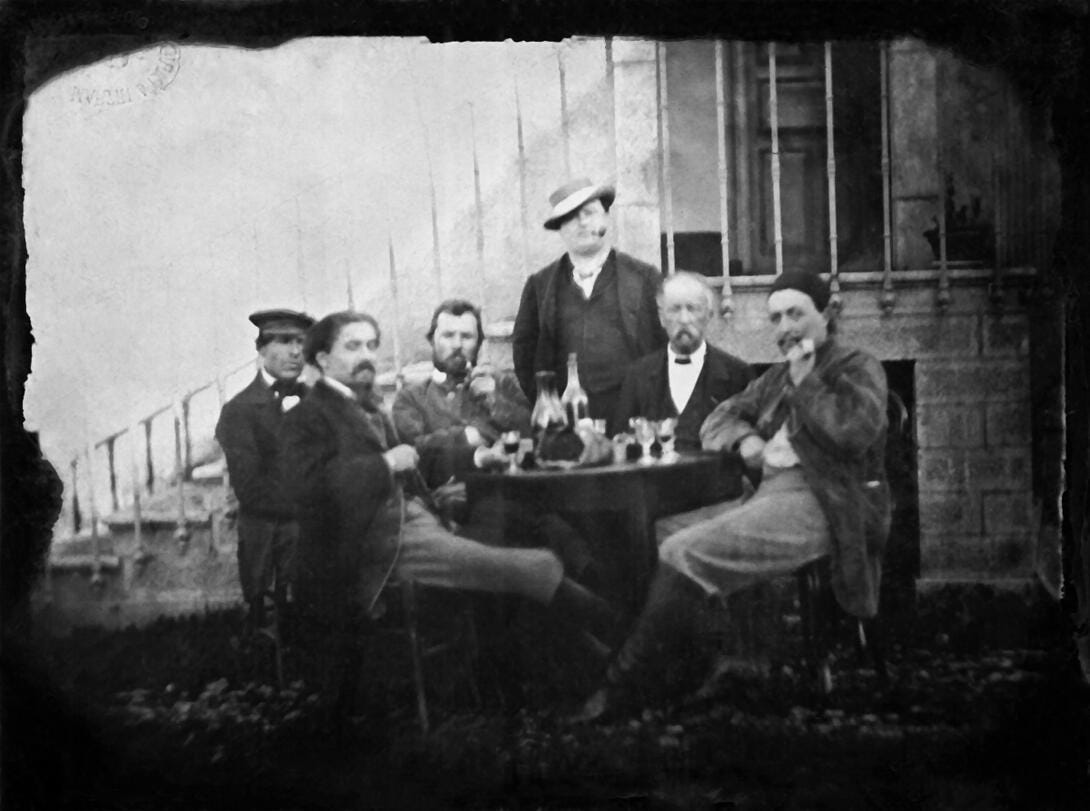
For the first time, the public discovers the origins of Vincent's painting. His gesture is no longer that of a madman, but the fruit of a conception long matured, which words finally make accessible. Émile Bernard's publication shakes the art world.
New critical voices make themselves heard. Collectors approach Johanna. A new generation of gallery owners emerges. Throughout Europe, the circle of interested parties widens.
Henceforth, Vincent's palette is no longer denounced as an aberration, but celebrated as an advance. She becomes the indispensable representative of the works. A shrewd strategist, she sets prices and indicates which canvases are not for sale. In doing so, she creates desire among buyers and drives up Van Gogh's market value.
Johanna transforms into a formidable businesswoman. Interest in Vincent never wanes again. She decides to mount her own exhibition.
The prestigious Stedelijk museum agrees to open its doors to her, presenting 443 works.