
Unity in art is the sense that every part of a picture belongs to one whole. Painters build it with a repeated stroke, a limited palette, a single light source, or one enveloping pattern. Here are twelve paintings that hold together, and the glue in each.
Unity in 30 seconds
Unity by touch: the same brushstroke repeated everywhere, so sky and ground speak one language.
Unity by palette: a few colors, or one tone, coating the whole scene.
Unity by light: one window, one lamp, one mist, falling on everything alike.
Unity by pattern: a motif that wraps every figure into a single shape.
Too much unity turns to wallpaper. Painters usually plant one small break in it.
Monet, the Water Lilies (c. 1920): one continuous color bath
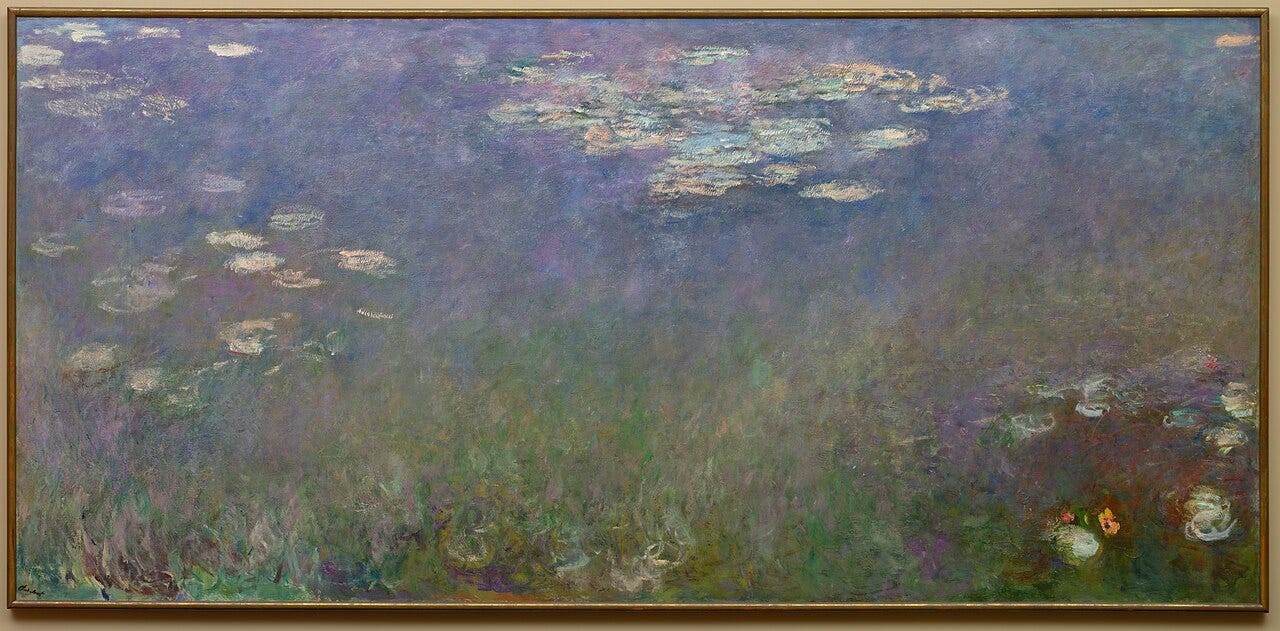
No horizon, no bank, no top or bottom: just water, reflection, and flowers swimming in one continuous range of blues and greens. Monet removed every edge that could cut the picture into parts. He knew a thing or two about starting something whole: we told the story of who really painted the first Impressionist picture.
He donated the great panels to France as a monument to peace, the day after the Armistice was signed. They hang in two oval rooms at the Orangerie in Paris.
Seurat, A Sunday on La Grande Jatte (1884-1886): unity by the dot
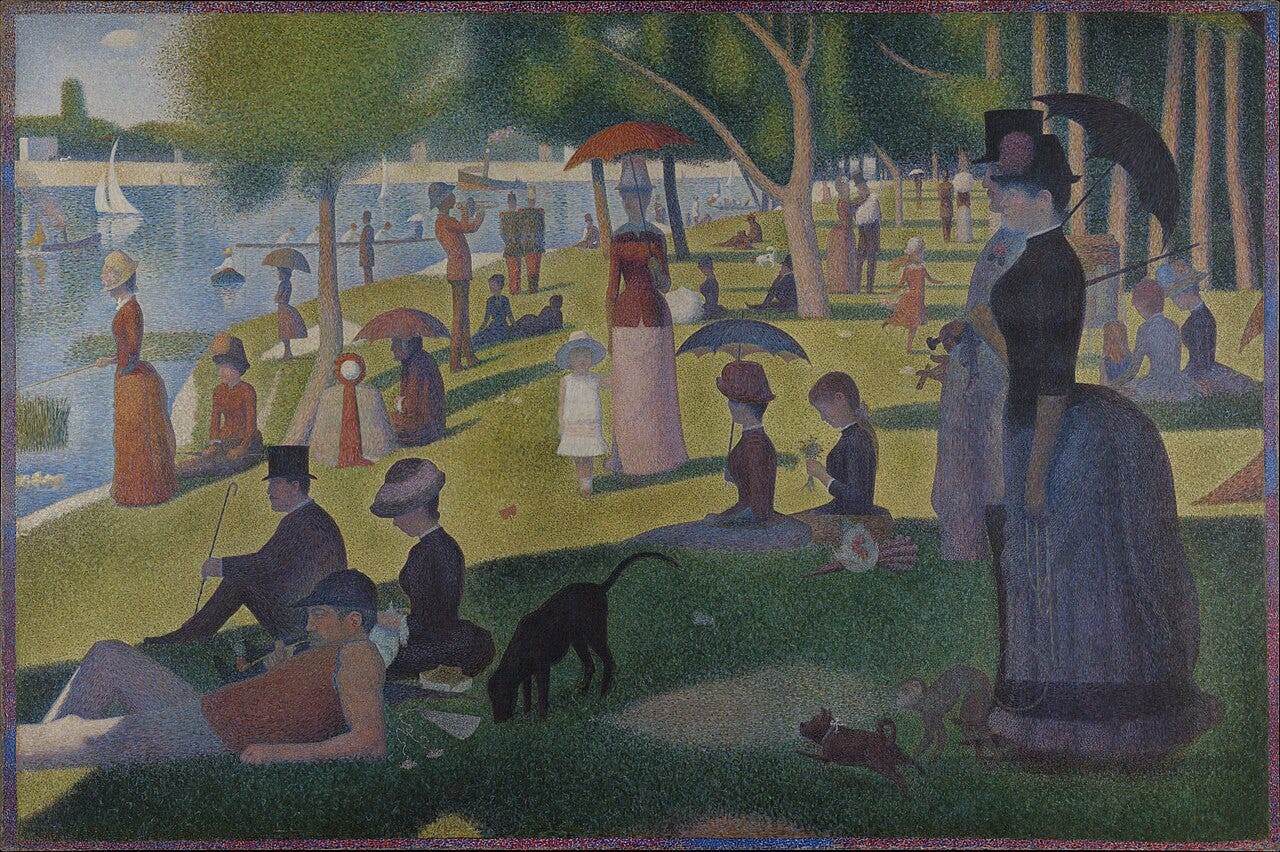
Every inch, grass, water, skin, skirts, is built from the same small dots of pure color. The technique is called pointillism, and it turns forty figures and a monkey into one woven surface. Seurat even painted the border in dots.
He was 25 when he started it, spent about two years and dozens of preparatory studies on it, and died at 31.
Van Gogh, The Starry Night (1889): unity by the stroke
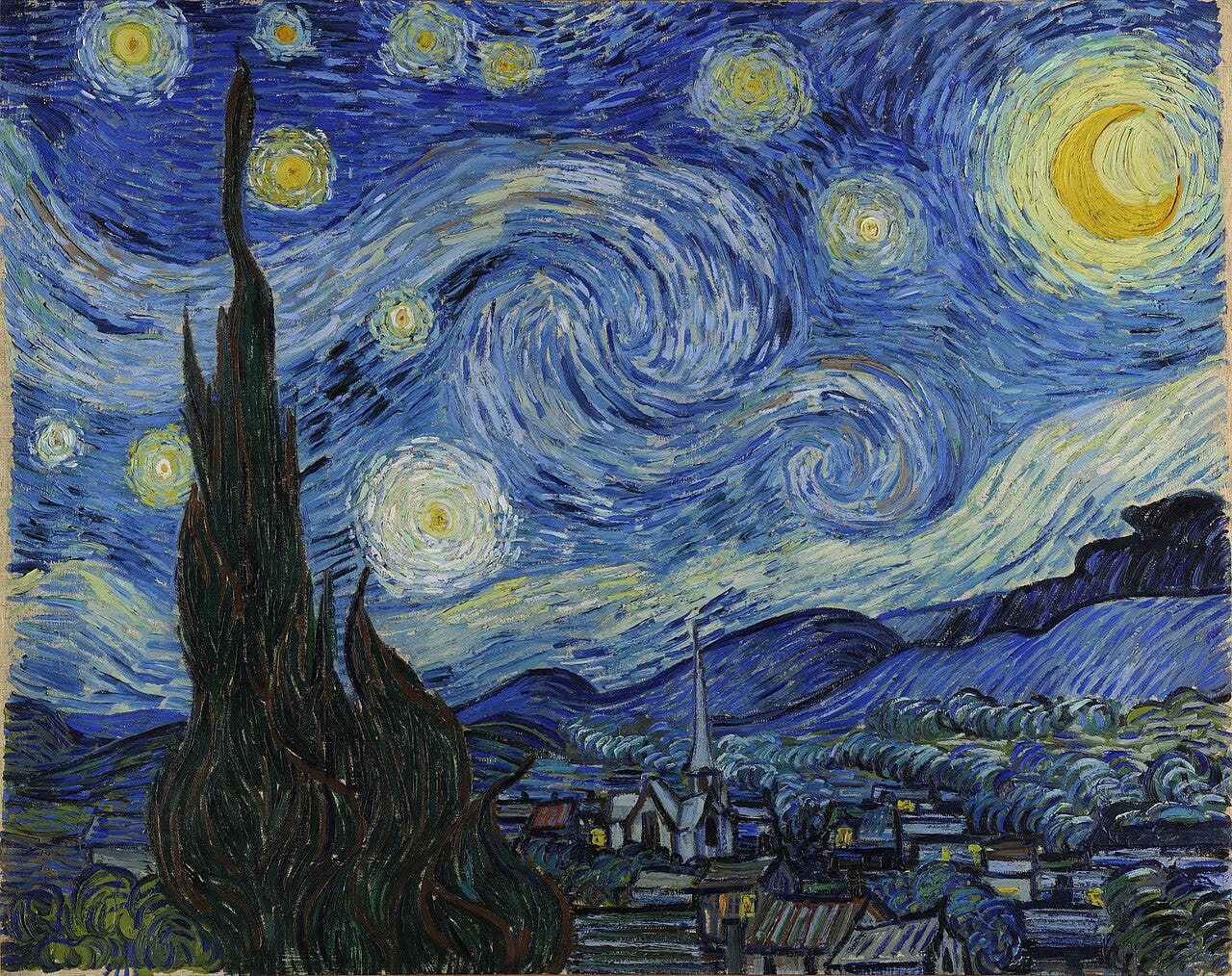
One curling, loaded brushstroke repeats through sky, cypress, mountains, and village, so the whole canvas moves to the same pulse. Van Gogh unified the picture with his wrist.
He painted it from his asylum room at Saint-Rémy, partly from memory: the village is invented, stitched from Provence and his native Brabant.
Mondrian, Composition (1921): unity by the grid
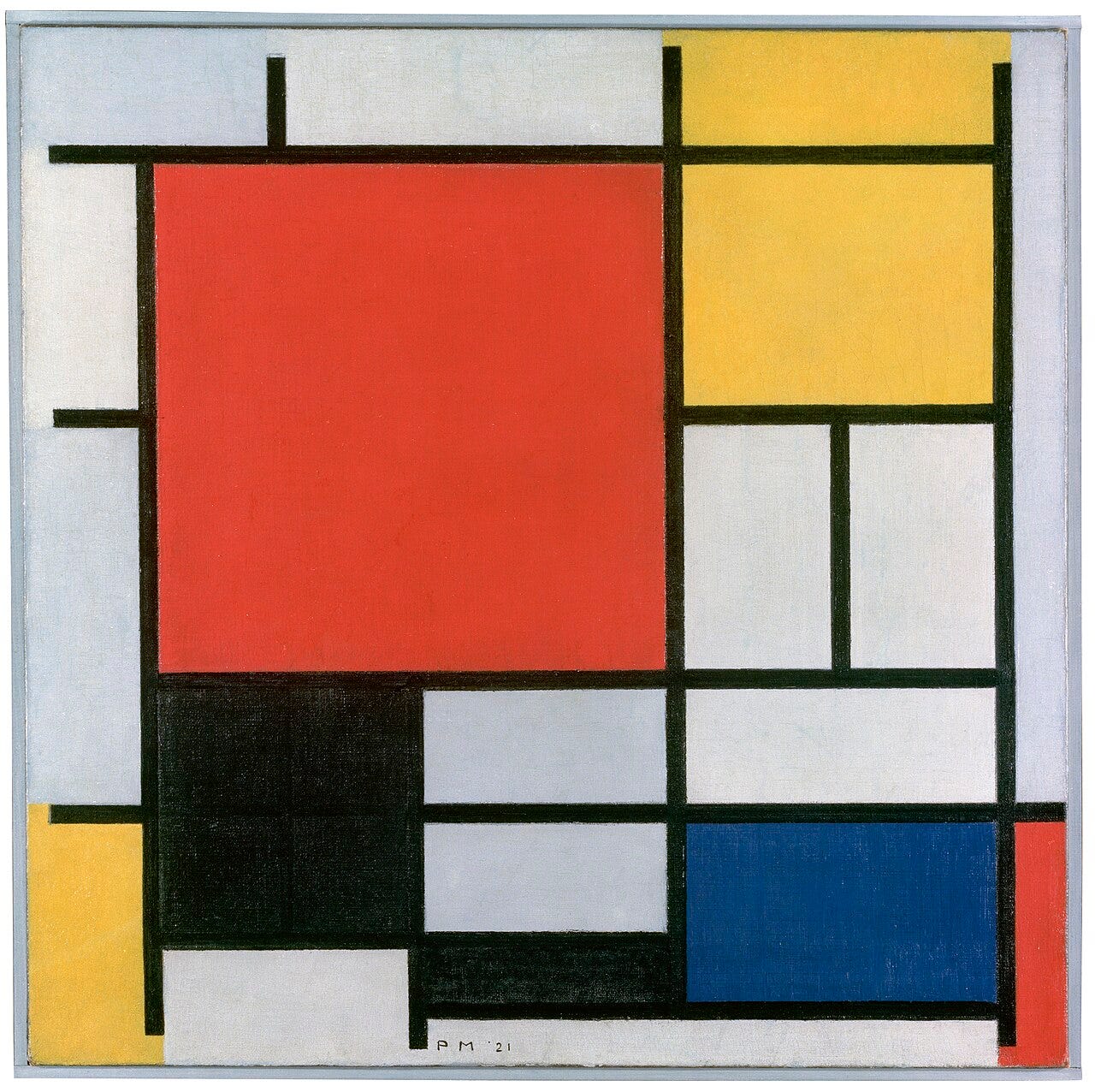
Three primaries, black lines, white ground, nothing else. With means that limited, the picture cannot fall apart. Mondrian spent months nudging the proportions until the grid finally locked.
Learn art the fun way


Klimt, The Kiss (1907-1908): unity by pattern
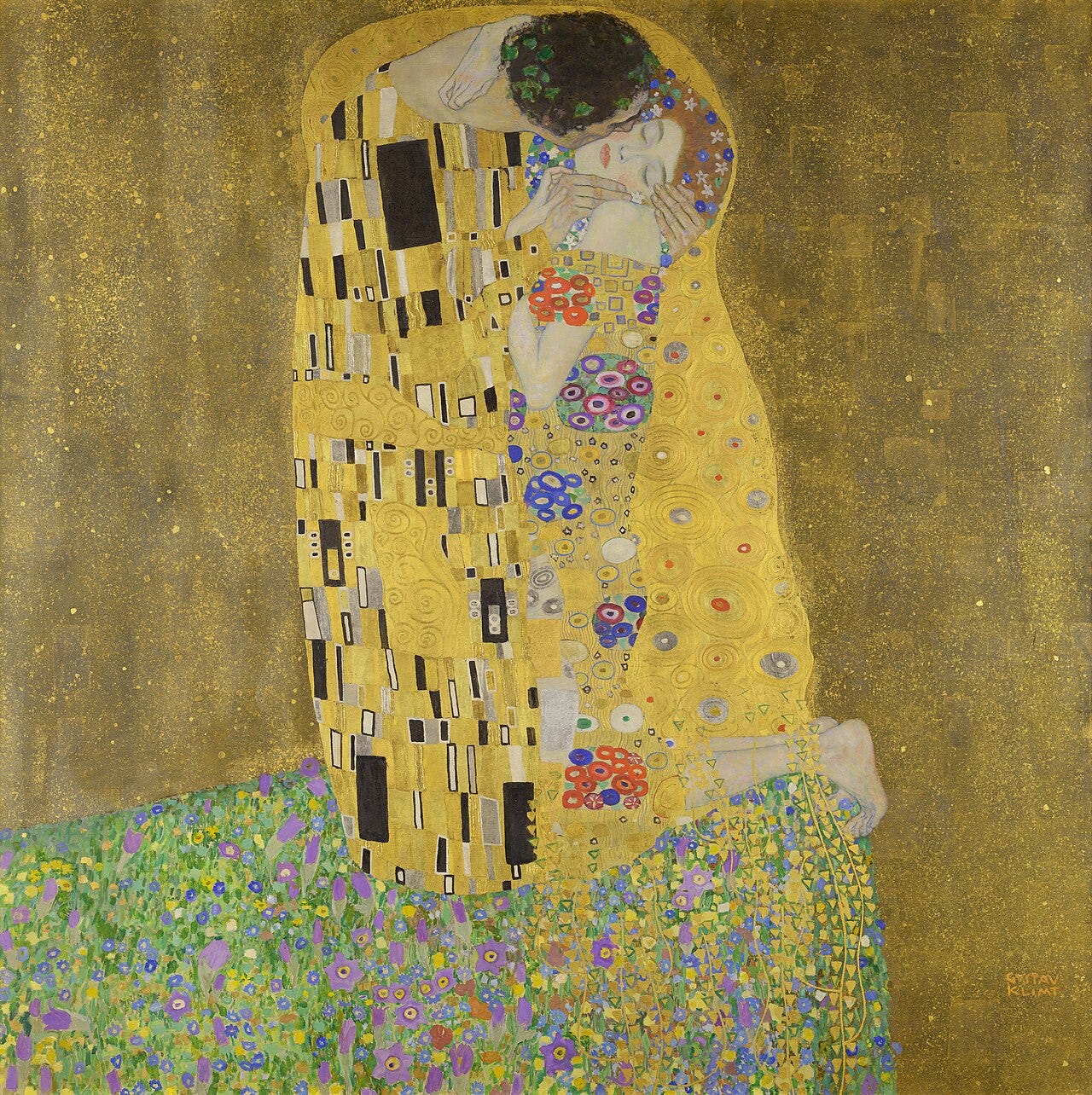
Two people disappear into one golden shape: his rectangles and her circles are different dialects of the same ornament, and the gold swallows the boundary between them. Klimt made pattern do what embrace means.
The gold is real leaf. His father was a gold engraver, and Klimt grew up handling the material that would define his most famous decade.
Vermeer, The Milkmaid (c. 1658): unity by light
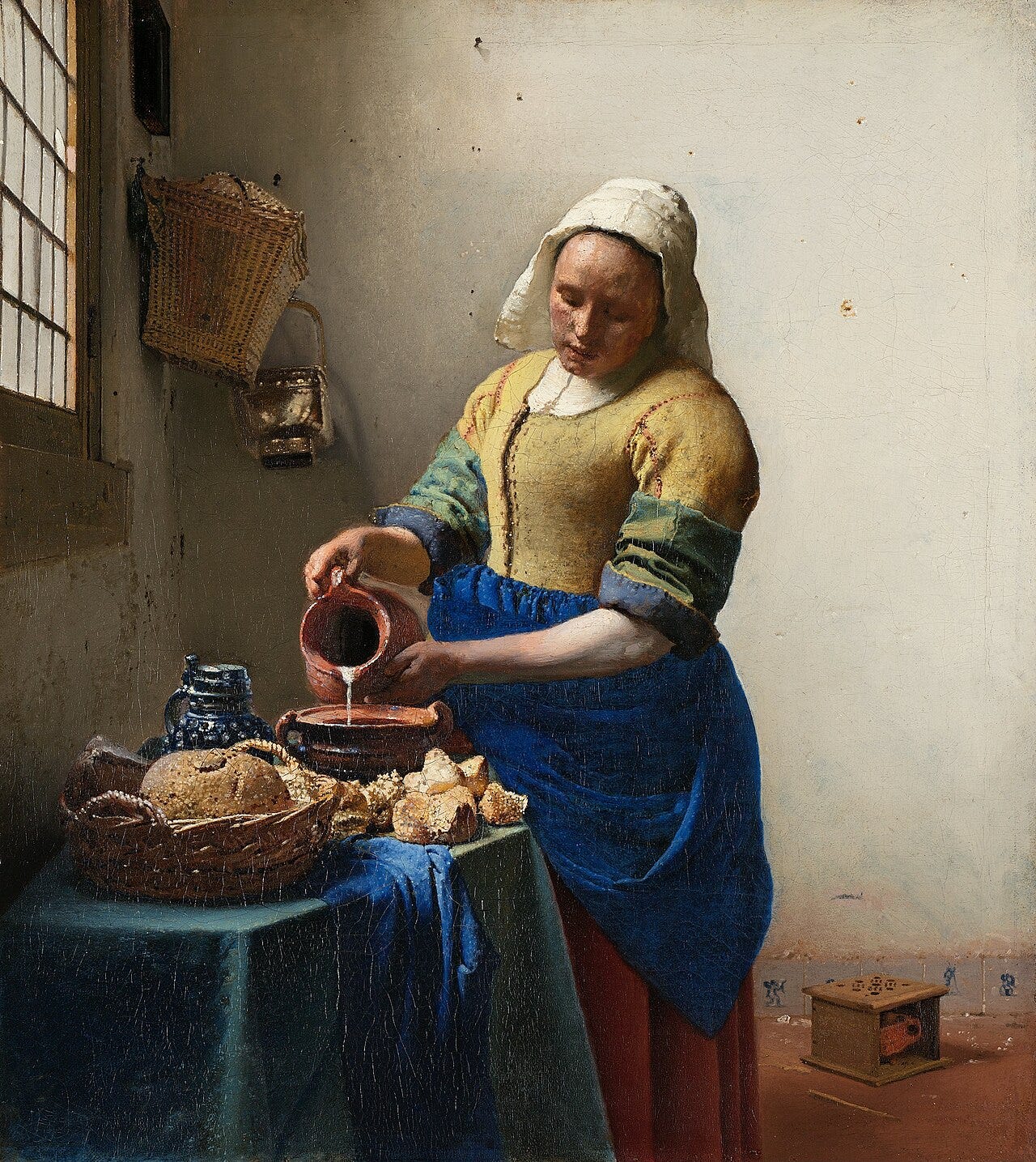
One window, left side, soft daylight. Bread, wicker, copper, and skin are all coated in the same gentle illumination, which is why a room of humble objects reads as one serene world. Vermeer used light as glue.
Turner, Snow Storm (1842): unity by atmosphere
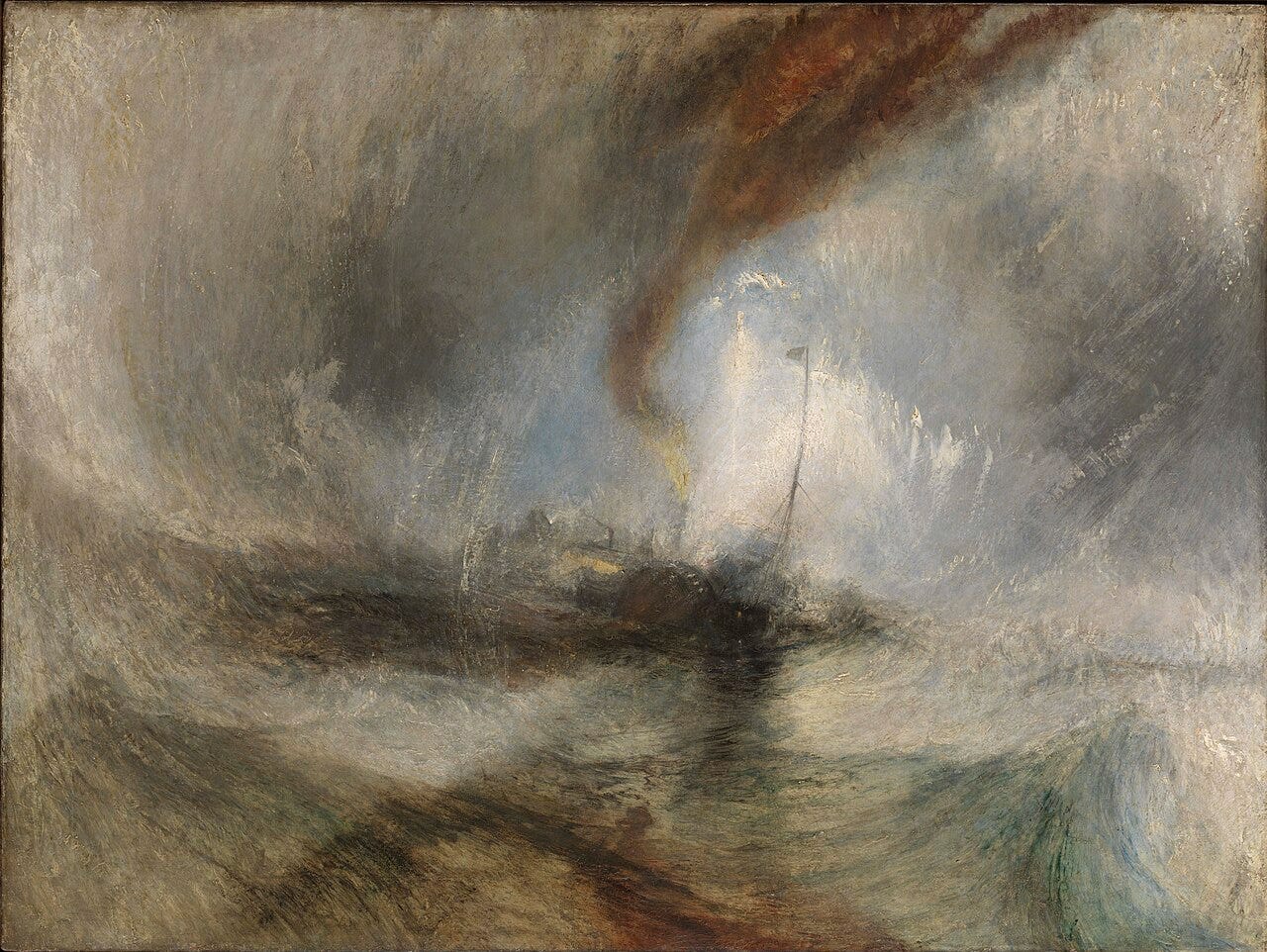
Sea, sky, smoke, and snow share one swirling gray-gold vapor; there is no seam where water ends and weather begins. Turner let the storm dissolve every boundary, and critics of his day complained they could not tell things apart. That was the point.
Cézanne, Still Life with a Curtain (c. 1895): unity by construction
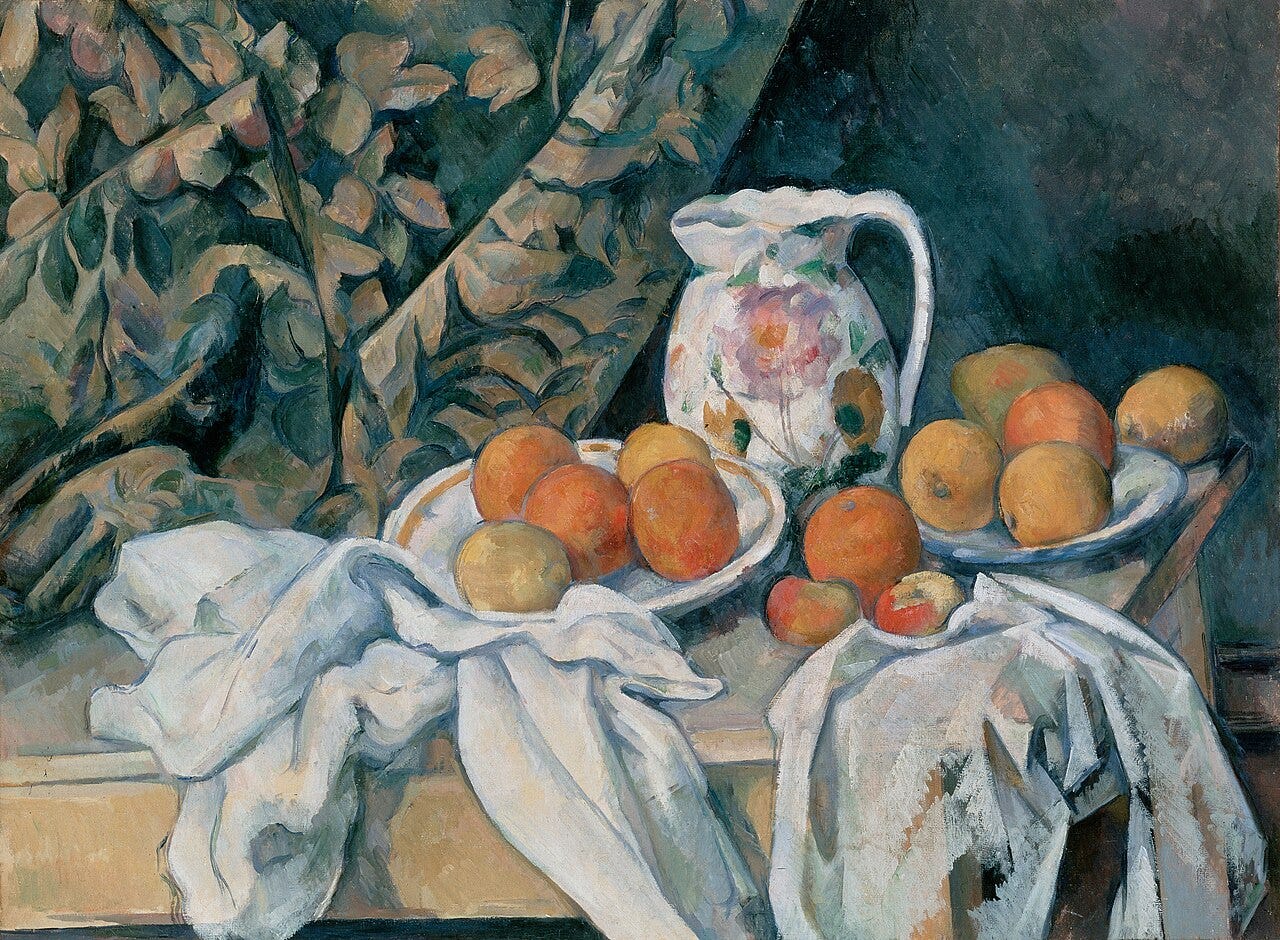
Look closely and the apples, the cloth, and the wall are all built from the same short parallel strokes, like bricks laid in different directions. Cézanne called it realizing his sensation; painters after him called it the beginning of Post-Impressionism turning into modern art.
Whistler, Nocturne in Black and Gold (1875): unity by tone
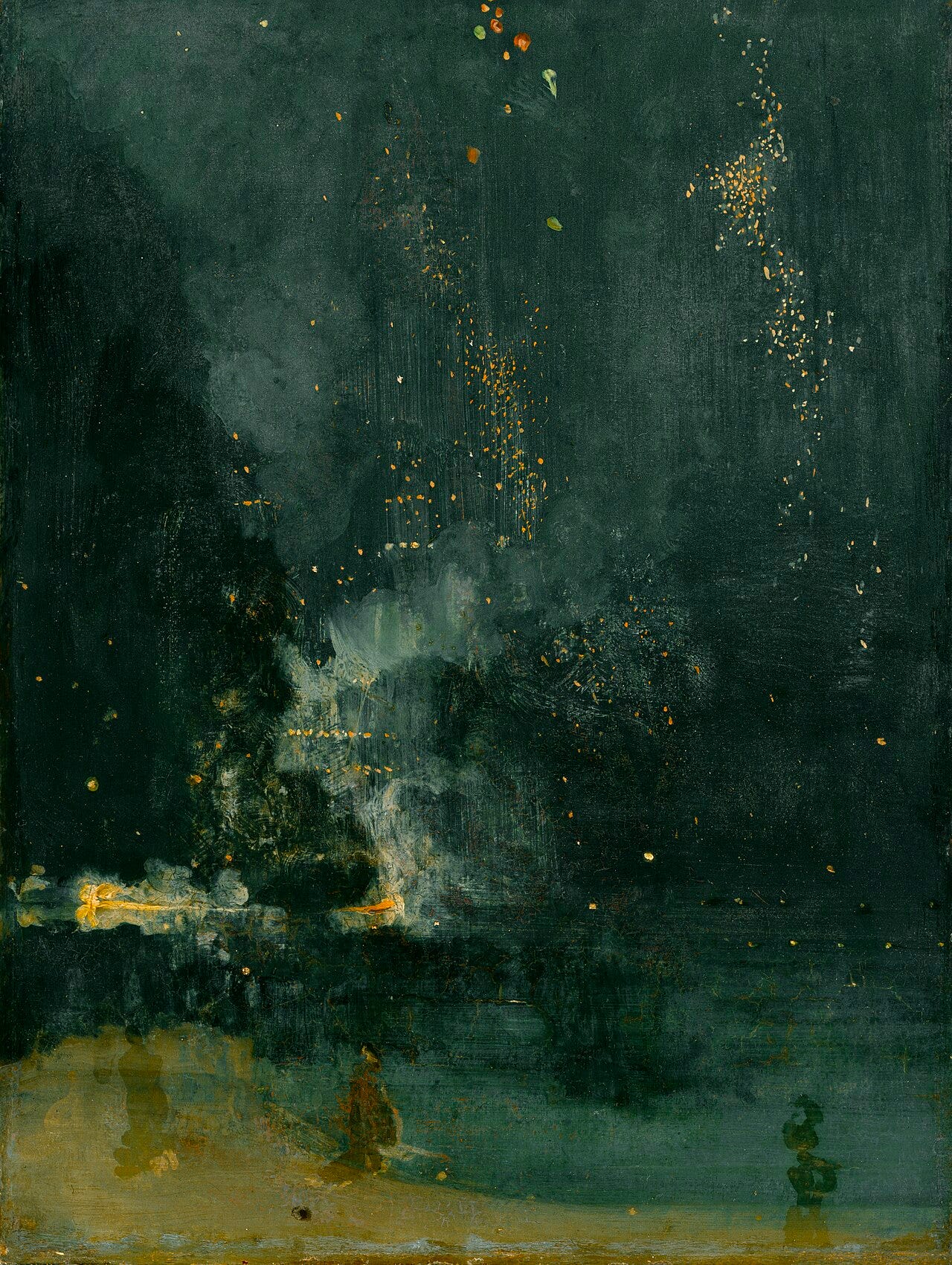
The picture is nearly one color: deep blue-black night, with a few gold sparks allowed through. Whistler titled his paintings like music, nocturnes, symphonies, arrangements, because he tuned them to one key.
Botticelli, Primavera (c. 1482): unity by rhythm
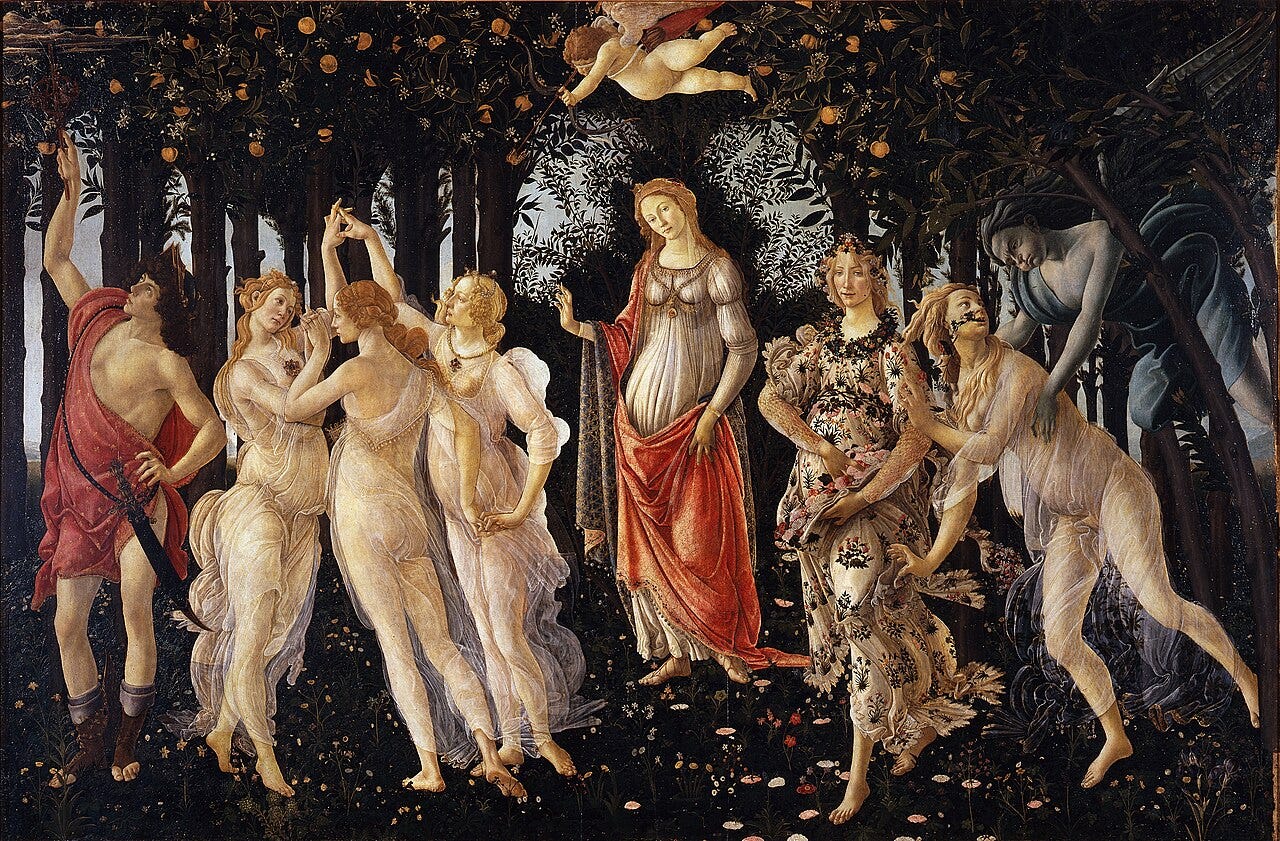
Nine figures stand in a loose frieze, and their bare feet, tilted heads, and linked hands set up one continuous left-to-right rhythm against the dark orange grove. Botticelli unified the scene the way a melody unifies notes.
Botanists have identified nearly 200 different flowering plants in the meadow, every one painted with the same miniature care.
Caillebotte, Paris Street; Rainy Day (1877): unity by repetition
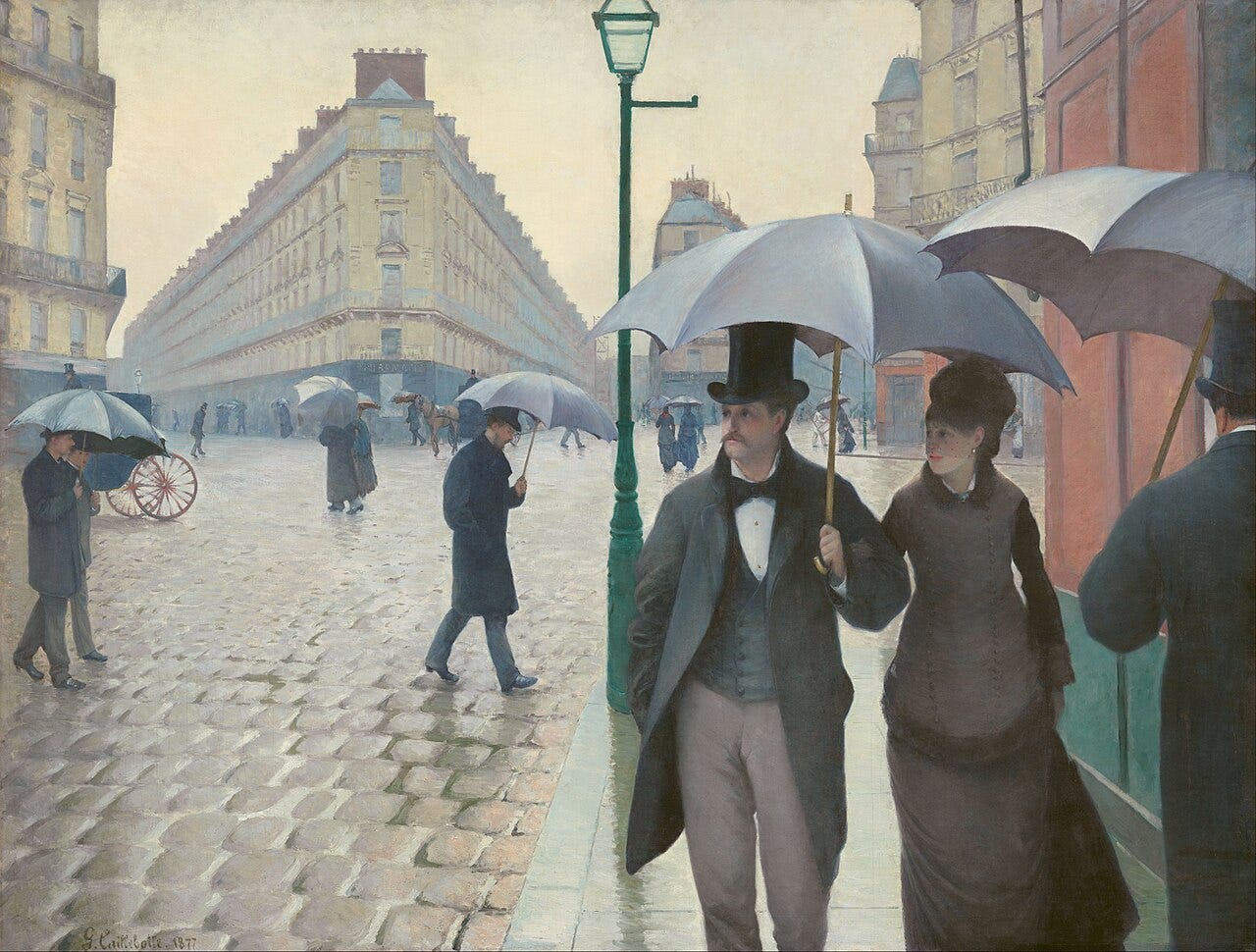
The same gray-violet harmony coats stone, sky, and clothes, and the umbrellas repeat like a printed motif across the whole intersection. Caillebotte made drizzle into a design system.
He was rich, and quietly bought his struggling Impressionist friends’ paintings for years. His bequest became the core of the Musée d’Orsay’s collection.
Raphael, The School of Athens (1509-1511): unity by architecture
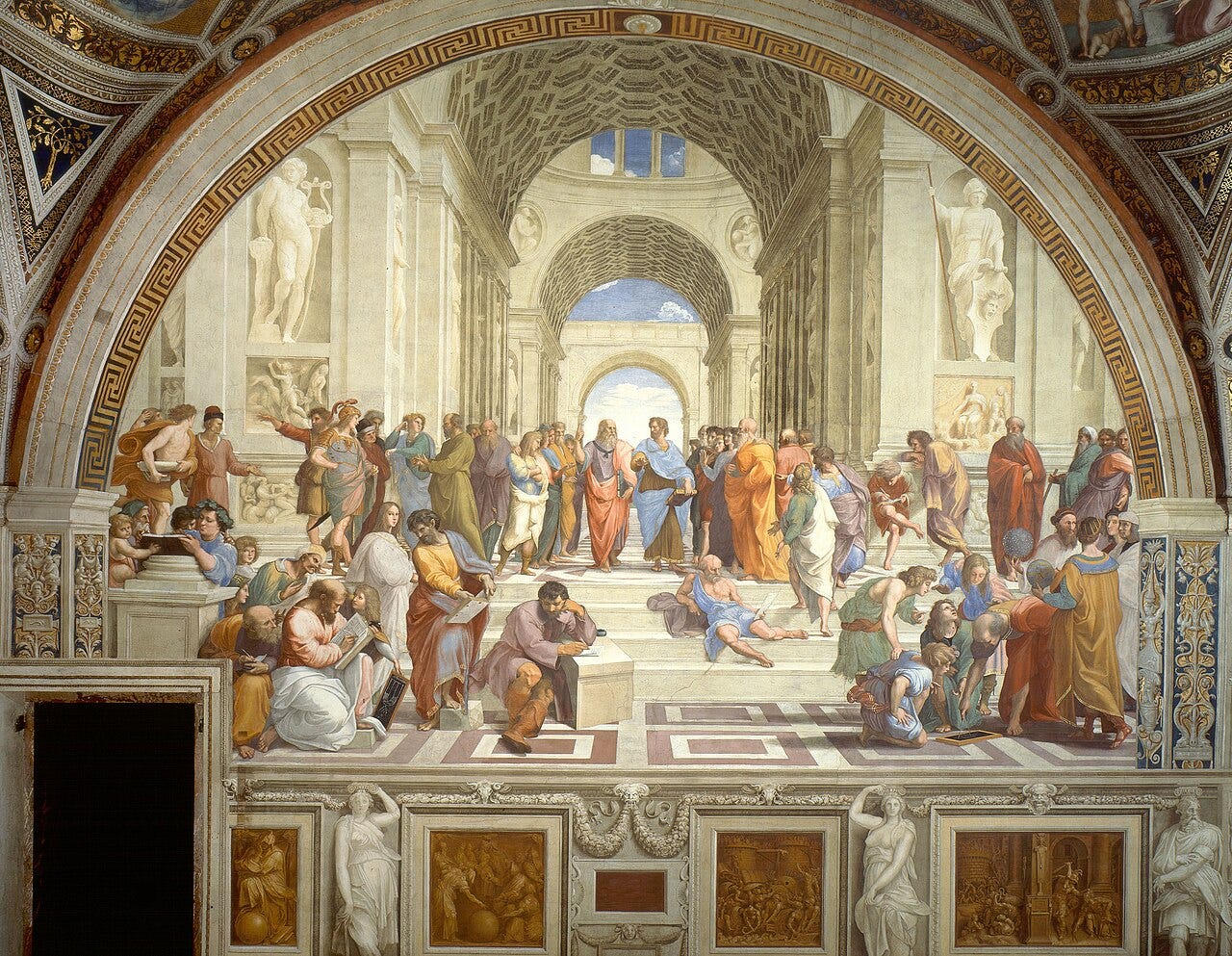
Some sixty philosophers argue, write, sprawl, and gesture, yet the picture never turns to chaos: the receding arches gather every group under one vault, like a single breath. Raphael let the building do the unifying.
You Might Also Like


Unity is one of eleven principles that organize a composition. See how it connects to the rest in the guide covering every element and principle of art. It connects closely to variety in art.
Turner's smudged boundaries get read here as visionary unity, but his own contemporaries thought Snow Storm just looked unfinished, and only later criticism turned that complaint into praise.
Mondrian's grid produces the easiest kind of unity on this list, since three colors and straight lines are almost incapable of falling apart. Seurat spent two years building the same result out of millions of individual choices, which is a much harder thing to pull off.
Calling The Kiss unified by pattern undersells what happens on the canvas: the gold ornament buries the two figures more than it blends them, a heavier effect than the light quietly unifying The Milkmaid.
Quick answers
What is unity in art? The feeling that all parts of a work belong together as one whole, produced by repeating strokes, colors, light, patterns, or rhythms across the picture.
How do artists create unity? By limiting their means: one brushstroke used everywhere, a narrow palette, a single light source, or a motif that repeats. Consistency is the mechanism.
What is the difference between unity and harmony? Harmony is about elements getting along, like related colors. Unity is the larger result: the whole picture reading as one thing. Harmony is an ingredient of unity.
What is an example of unity in a painting? The Starry Night is the classic case: one curling stroke repeated through sky, tree, and town makes every part of the canvas move together.
Where to see these paintings
The Water Lilies fill two oval rooms at the Orangerie in Paris, and La Grande Jatte anchors the Art Institute of Chicago, a few rooms from Paris Street; Rainy Day.
The Starry Night is at MoMA in New York, The Kiss at the Belvedere in Vienna, The Milkmaid at the Rijksmuseum, Turner’s Snow Storm at Tate Britain, Primavera at the Uffizi, and The School of Athens in the Vatican.
One last fact
Monet asked that the Water Lilies hang in two oval rooms, lit from above, joined end to end. Seen from the air, the two ovals of the Orangerie form a rough figure eight: the sign of infinity, drawn in architecture around paintings without edges.