
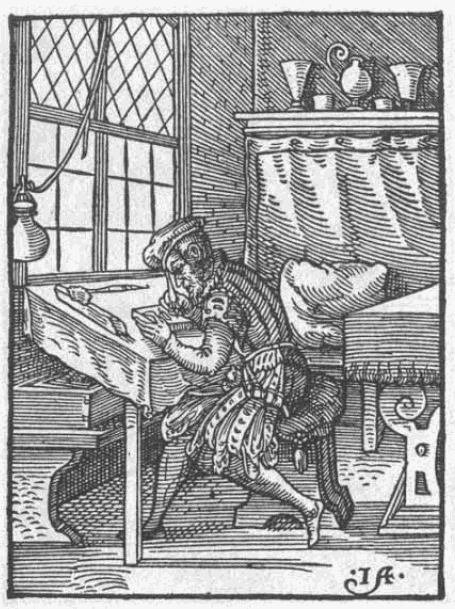
Linocut is a relief print made by carving into a sheet of linoleum. The artist gouges away everything that should stay white, inks the raised surface that remains, and presses it onto paper.
It works just like a woodcut, but the material is soft, even and free of grain, so the knife can turn in any direction.
That sounds humble, and for a long time the art world agreed.
Lino, knife, ink, paper
What it is: a relief print cut from linoleum instead of wood.
The feel: graphic shapes, flat color, clean curving lines.
The advantage: no wood grain, so the blade moves freely.
The reputation: long dismissed as a craft for schoolchildren.
The champions: Picasso and Matisse, who made it fine art.
Keep learning art the fun way


A softer kind of woodblock
Linocut is the easy going cousin of the woodcut.
The principle is identical. You carve away the parts that should not print, ink what is left standing, and press.
The difference is the material. Linoleum, a floor covering made of cork and linseed oil, has no grain and no hard and soft patches, so a gouge glides through it in any direction.
That freedom gives linocut its look: confident curves, big flat areas of color, strong simple shapes. The wood fights back; the lino, to my eye, just lets you draw.
Most printmakers cut it with U and V gouges, roll on ink with a brayer, then press or burnish it by hand.
Linocut vs woodcut
Woodcut is cut from a plank, with the grain pushing against the knife, so lines tend to be angular.
Linocut is cut from grainless lino, so the blade curves freely and the lines flow.
Both are relief prints: you ink the raised surface and press, never the grooves.
The feel: woodcut looks rugged and antique, linocut clean and graphic.
The medium nobody respected
For a long time, linocut was treated as barely art at all.
Linoleum was cheap, modern and easy, which made it perfect for classrooms and craft tables and exactly why serious artists kept their distance.
A print pulled from floor covering did not sound like fine art. The technique carried a faint whiff of the amateur for decades.
That snobbery is the backdrop to everything interesting that happened next.
Not everyone sneered. The German Die Brucke artists were already cutting lino around 1905, and in 1920s London the Grosvenor School made speeding linocuts of buses and trains. But it took Picasso to make the rest of the art world look.
Picasso versus the block
Then Picasso got hold of linocut and changed what it could do.
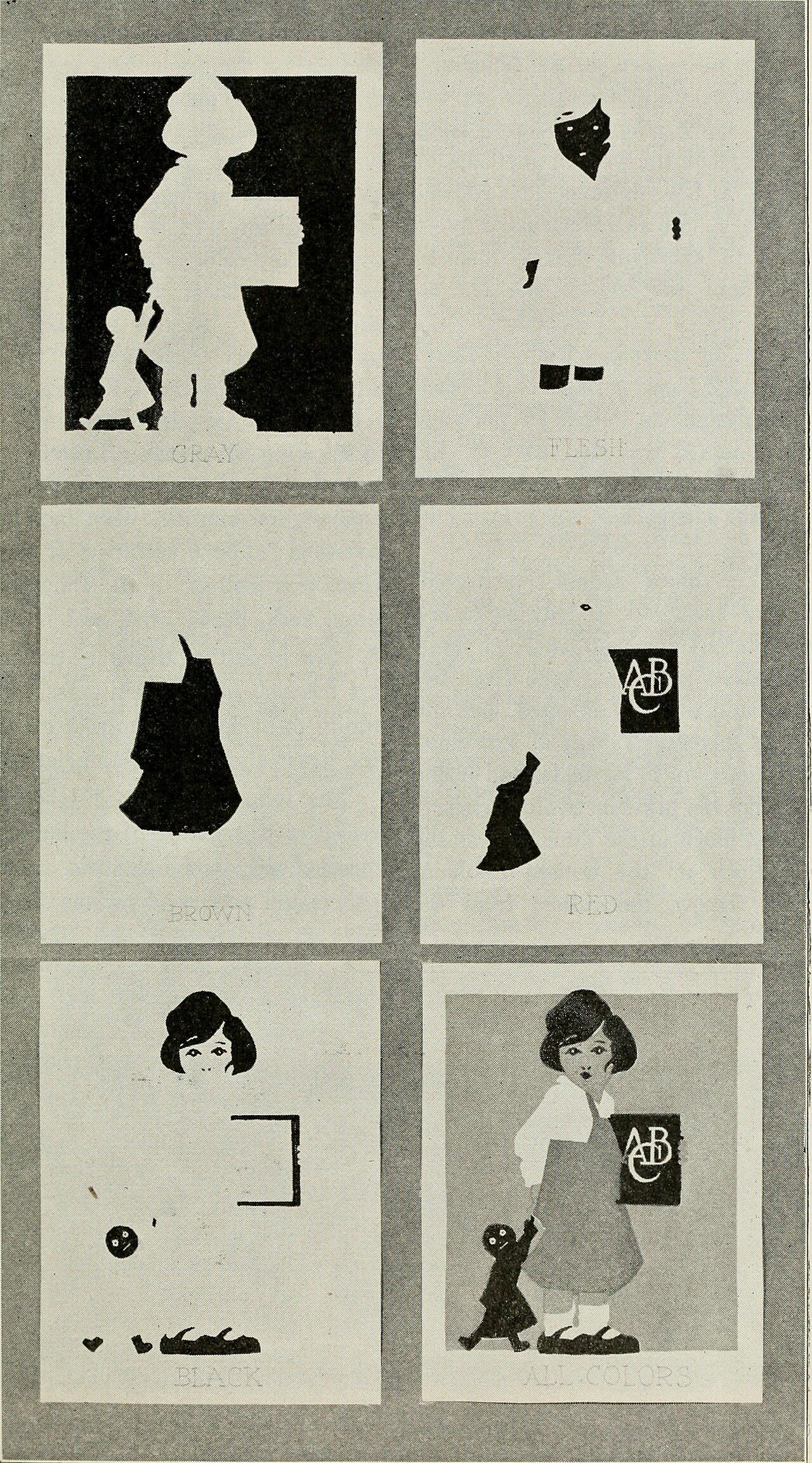
Working in the south of France in the late 1950s, he grew impatient with cutting and registering a separate block for every color. So he printed them all from a single block.
He would print one color, then carve more away, print the next color over it, carve again, and keep going until the block was destroyed.
There is no going back and no second edition. Printmakers call it the reduction method, or the suicide print, because the block dies as the image is finished.
One block, many colors, and no way to print the edition twice.
Matisse and the white line
Matisse saw something else in linoleum: a way to draw with light.
In his linocuts he carved clean white lines straight out of a solid black field, so the image reads as bright drawing on darkness.
The ease of the medium suited his late style, the same confident single stroke he chased in his cut paper work. In his hands the cheap material looked effortless and modern.
The thing dismissed as a craft turned out to be ideal for two of the century's most original artists, and to me that is the quiet triumph of the medium.
Linocut sits in the relief branch of printmaking. Cut into metal instead and you get the intaglio of engraving and etching; print from a flat stone and you get lithography.
The Met holds a deep group of Picasso's linocuts, among them his vivid portrait after Cranach.
Picasso pushed the medium furthest: his Nude at the Met is a landmark reductive linocut.
Linocut, the carver's questions
What is linocut? A relief print carved from a sheet of linoleum and printed like a woodcut.
How is it different from woodcut? Linoleum has no grain, so the blade cuts freely in any direction and the lines look smoother.
Why was it looked down on? Linoleum was cheap and used in schools, so it seemed like a craft rather than fine art.
Who made linocut famous? Picasso and Matisse, above all Picasso with his single block reduction method.
What is a reduction linocut? A color print made from one block carved away between colors, destroying the block as it goes.
Is linocut good for beginners? Yes. The soft, grainless lino is the easiest relief surface to carve, which is why schools use it.
More secrets to unlock


A floor covering that reached the museum
The best joke in printmaking is what linocut is made of. The same linoleum sold by the meter for kitchen floors became, in Picasso’s hands, a medium for some of the most powerful prints of the twentieth century.
He reached for it because it was cheap, fast and willing to be destroyed, exactly what his late prints needed. The grandest gesture in modern printmaking came off a roll of kitchen floor.
