
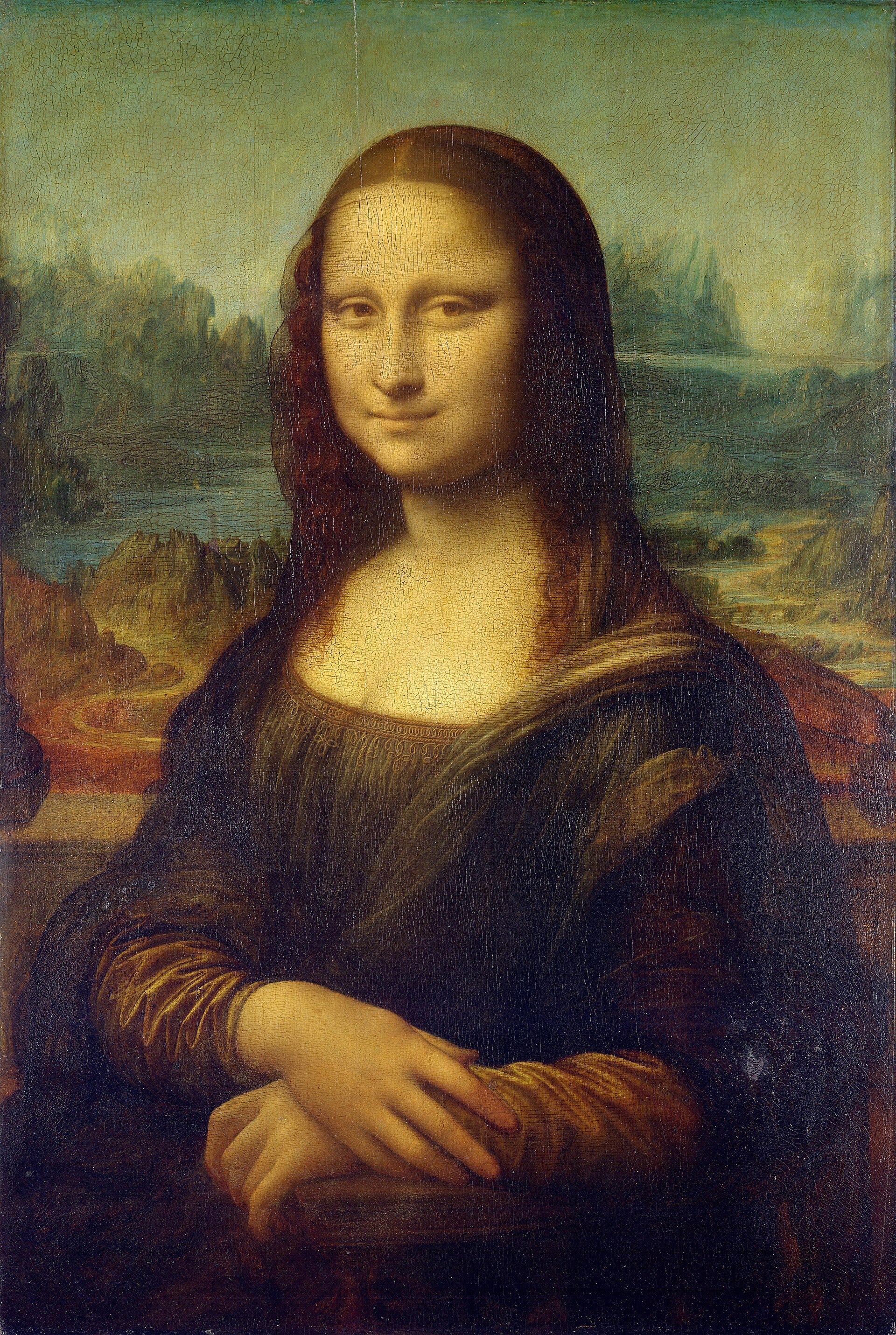
Sfumato is a painting technique that does away with outlines. Instead of drawing a clear line between a face and the background, or between the lit side of a cheek and the side in shadow, the painter moves from one to the other through gradations so fine that the eye never sees where the light ends and the shadow begins. The forms are not drawn. They rise softly out of the half-dark.
The word comes from the Italian sfumare, "to fade" or "to evaporate," which is itself built on fumo, smoke. In a painting done in sfumato, the edges of things dissolve the way smoke dissolves into the air. Leonardo da Vinci used the same comparison in his own notes, where he wrote that light and shade should blend "without lines or borders, in the manner of smoke."
Cool Stories About Art is a newsletter to learn art the fun way.
Join 200,000+ readers and get:
10 new art stories / month
The entire archive of content (140+ articles)
Comment, ask questions, and chat with other readers
It was Leonardo who developed the technique and perfected it, first in Florence and then in Milan, at the end of the fifteenth century. The Florentine painters of his generation, Sandro Botticelli among them, still drew a crisp line around their figures, a habit inherited from drawing.
Leonardo started from a simple observation, which he wrote down in his notes. In real life, nothing has an outline. The eye only registers patches of light and dark meeting one another. Sfumato was his way of painting what the eye actually sees.
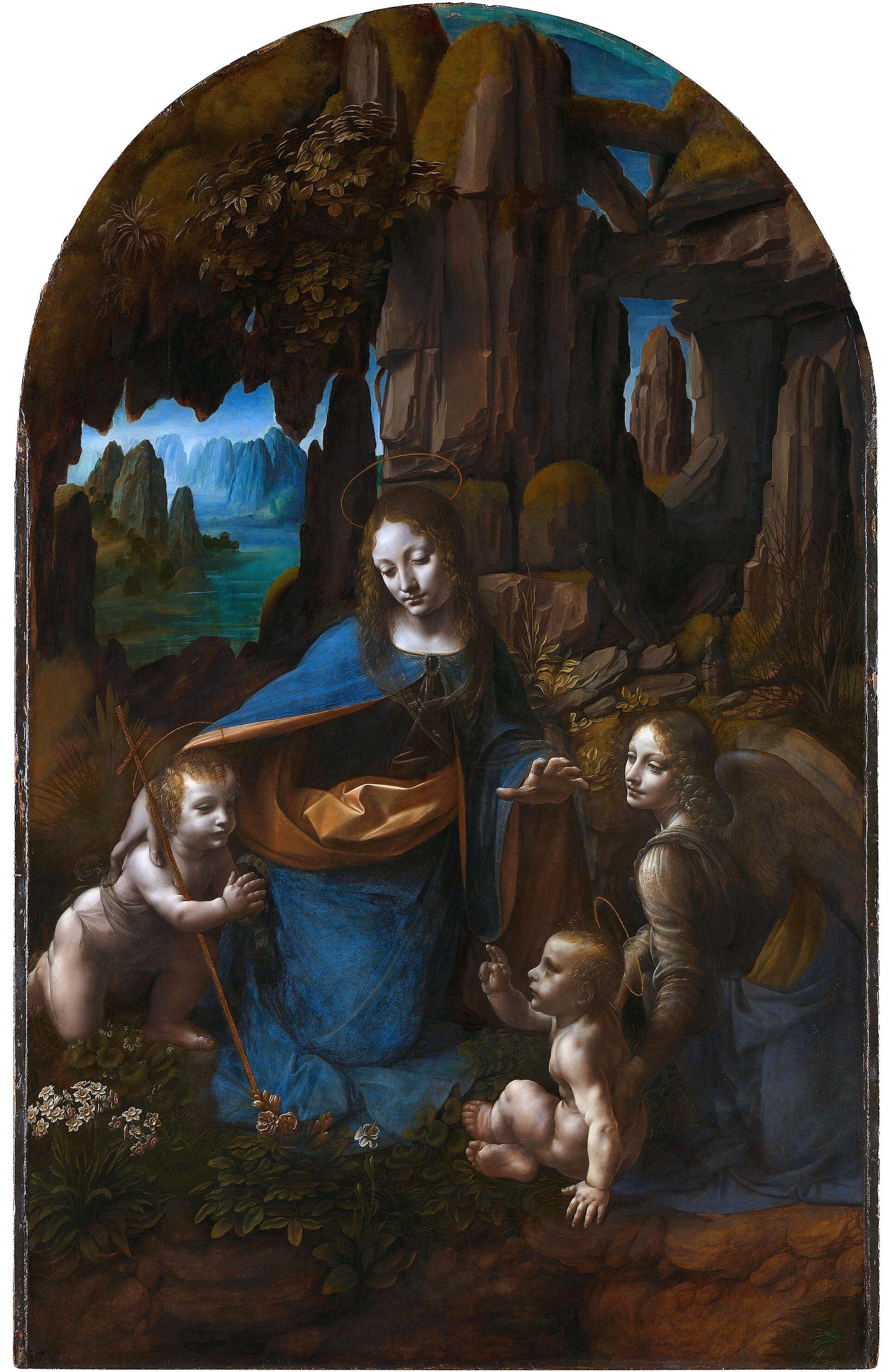
It appears in his best-known paintings: the Mona Lisa, of course, but also the Virgin of the Rocks, the Virgin and Child with Saint Anne, and his late Saint John the Baptist, whose face comes out of an almost black background.
That does not mean Leonardo painted everything this way. He kept sfumato above all for faces, hands and the delicate passages of light, the places where softness mattered most.
How Leonardo built a shadow
The effect depends on oil paint…
What You'll Discover
Why the Mona Lisa's smile seems to move.
The fingerprints Leonardo left in his paint.
What Giorgione did with it in Venice.
How sfumato differs from chiaroscuro.