
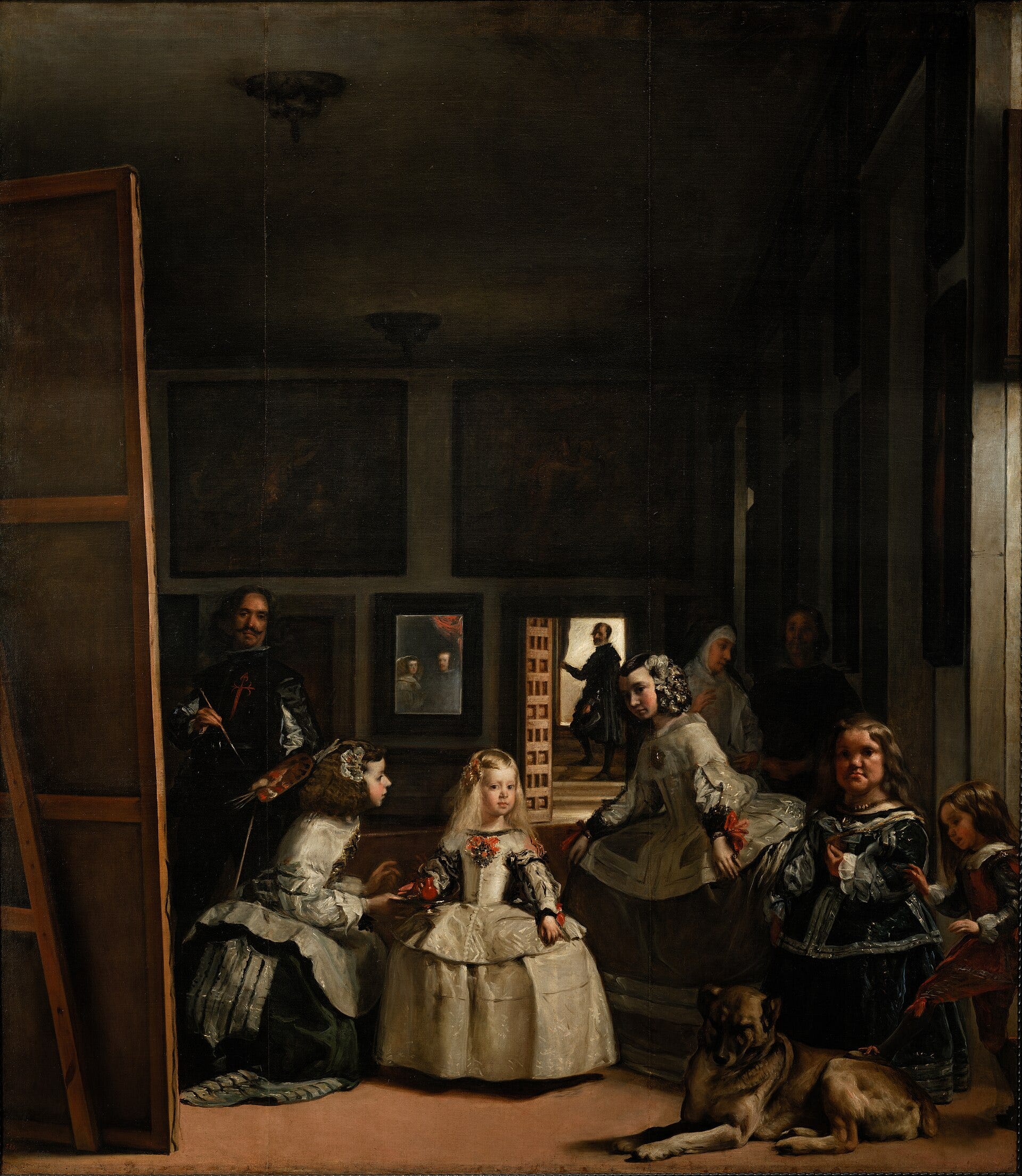
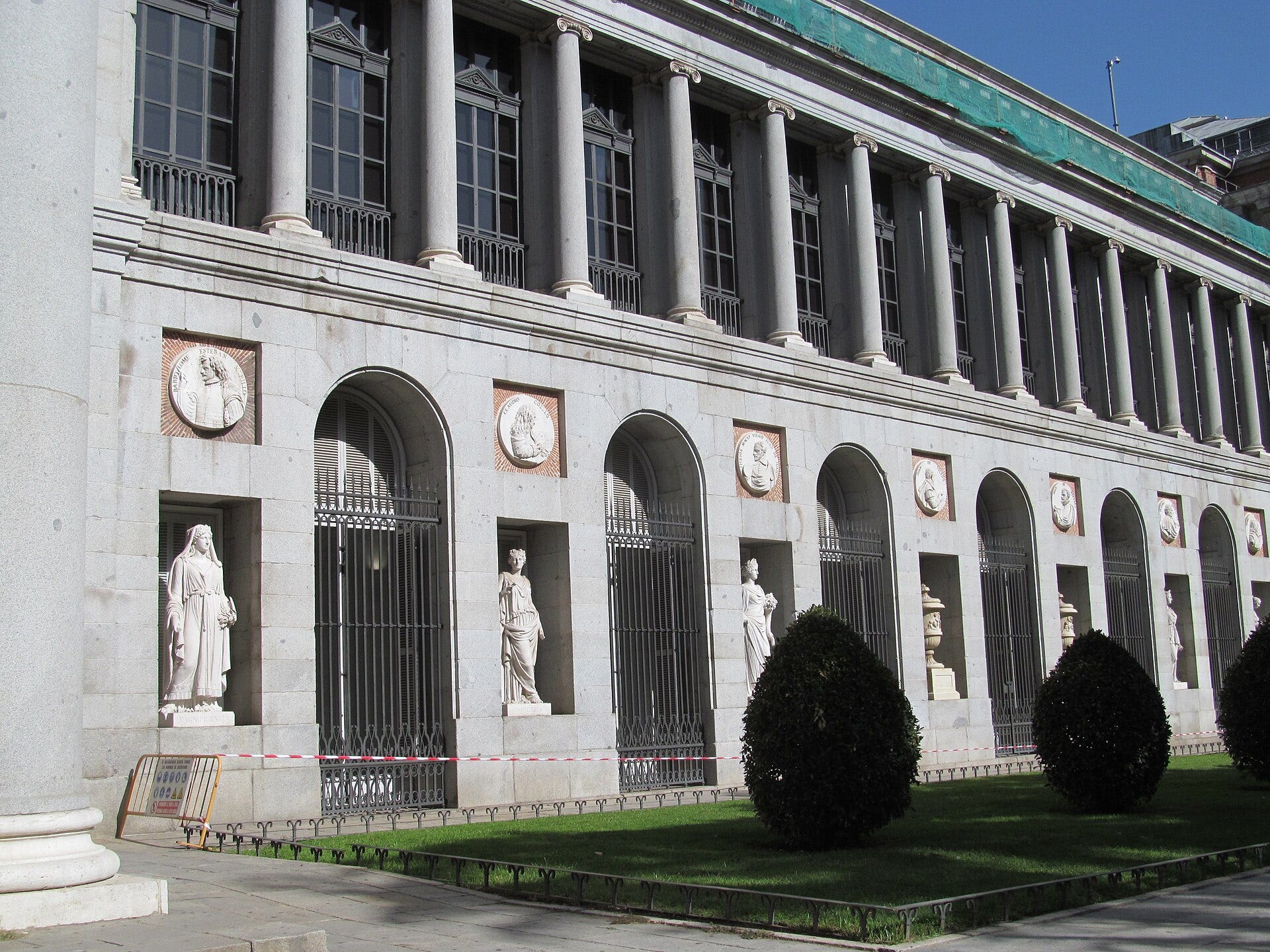
Las Meninas hangs in the Museo del Prado in Madrid, in Room 12, the gallery at the center of the Velázquez display. Velázquez painted it in 1656, and it has belonged to the Prado since the museum was founded in 1819.
The Prado does not lend it. The canvas is more than three meters tall, and the museum treats it as too big, too important and too valuable to travel. Anyone who wants to see the original has to go to Madrid.
Cool Stories About Art is a newsletter to learn art the fun way.
Join 200,000+ readers and get:
10 new art stories / month
The entire archive of content (1,000+ articles)
Comment, ask questions, and chat with other readers
That rule is almost true, and the exception is not a footnote. In 1939 the most famous painting in Spain was not in Madrid at all, and the museum had not chosen to send it.
Room 12 makes the canvas look like a fixture, as if it had always hung there. I think the opposite is closer to the truth: war, fire and two centuries of renaming have kept this painting unsettled. It is in Madrid today, and the Prado guards it there. Its past is another matter.
Did Las Meninas ever leave Madrid?
Yes. During the Spanish Civil War it left the city, and in the end it left the country. The Republican government moved the Prado's paintings out of range of the bombing, and a catalog of the evacuation published by Acción Cultural Española prints a photograph from August 1937 captioned “Las Meninas” in the Colegio del Patriarca, in Valencia.
In February 1939 the front was collapsing. After the Agreement of Figueras, signed on 3 February, 71 lorries set off for the French border carrying 1,842 crates, according to The Art Newspaper's account of the evacuation. Among the Velázquez paintings that reached Geneva was, in the paper's words, “the masterpiece Las Meninas.”
In Geneva the Prado's pictures went on show at the Museum of Art and History from 1 June to the end of August 1939, and more than 350,000 people came. On 9 September the works reached Madrid's North Station. Geneva is the exception to the rule against lending, and it was a rescue, not a loan. Two centuries earlier the painting had already come through a fire.
What You'll Discover
How it survived the Alcázar fire.
What it was called before 1843.
Who stands in the doorway.