
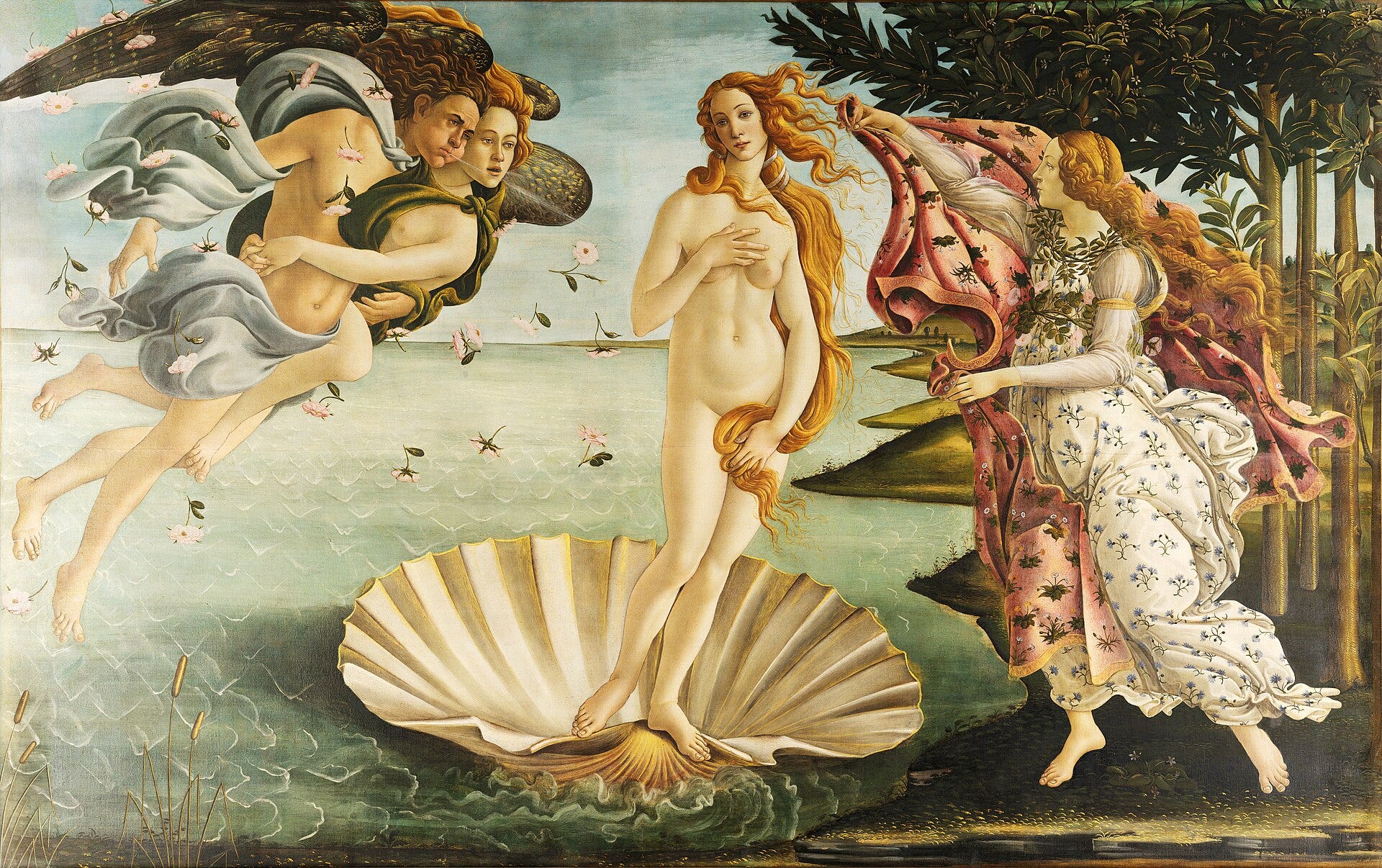
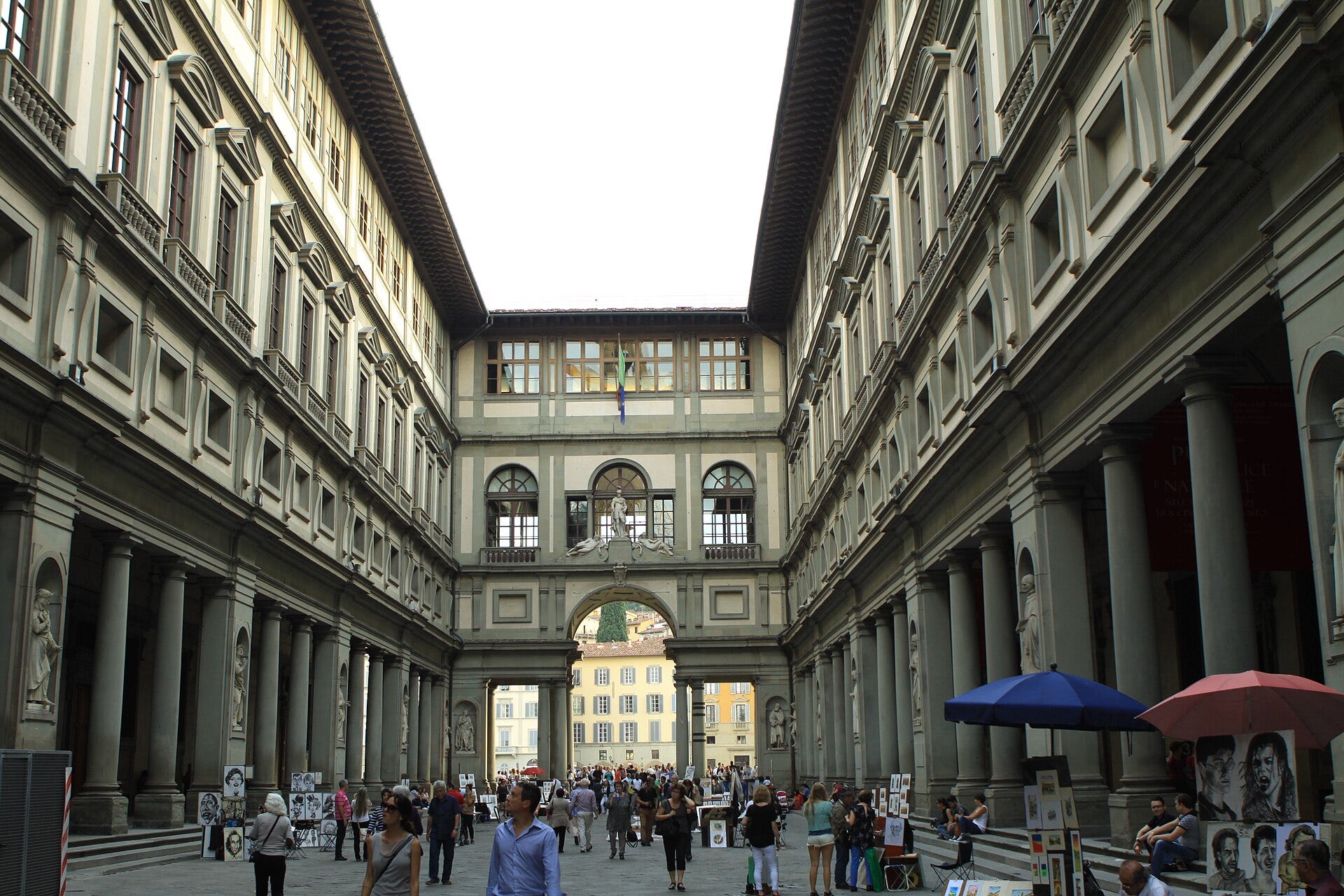
The Birth of Venus hangs in the Uffizi Gallery in Florence, Italy, in the rooms devoted to Botticelli. The museum has refused to lend it, so Florence is the only place to see the original.
It is tempera on canvas, 172.5 by 278.5 centimeters. Since 16 June 2026 it has hung in a room arranged around it, with Primavera in the adjoining space.
Cool Stories About Art is a newsletter to learn art the fun way.
Join 200,000+ readers and get:
10 new art stories / month
The entire archive of content (1,000+ articles)
Comment, ask questions, and chat with other readers
On 3 November 2014, Italy's culture minister, Dario Franceschini, was asked to send the painting to Turin for a show tied to Expo Milan. He refused in a few lines. The general principle of the Expo, he said, was "to bring visitors to the works and not bring the works to the visitors." Then he closed the subject: "It's clear the Venus will stay in the Uffizi."
Many guides explain that refusal in one word, fragile. The minister never used it. His argument was about where people should go to see a painting, and that is a policy, not a condition report. So what actually keeps this canvas in Florence?
What is the real reason the Birth of Venus never leaves Florence?
The Uffizi settled the question years before the Expo. In 2008 its director, Antonio Natali, drew up a list of 23 works the museum would not lend. Botticelli's Primavera and the Birth of Venus are both on it.
The Art Newspaper, reporting on the list in March 2015, gave the worries behind it: the conservation of the paintings, their security, and visitors left disappointed. Natali put the last one plainly: "People come here from all over the world to see specific works: we can't leave them completely empty-handed."
The list followed a fight. In 2007 Leonardo's Annunciation had gone to Tokyo on the orders of the culture minister of the day, Francesco Rutelli, over Natali's objections. Conservation is one reason among several, then, and it sits next to security and crowds. That makes it a policy, and a recent one, for a painting that spent most of its life outside the museum.
What You'll Discover
Where it hung before the museum.
Why its room just changed.
What lies under the paint.