
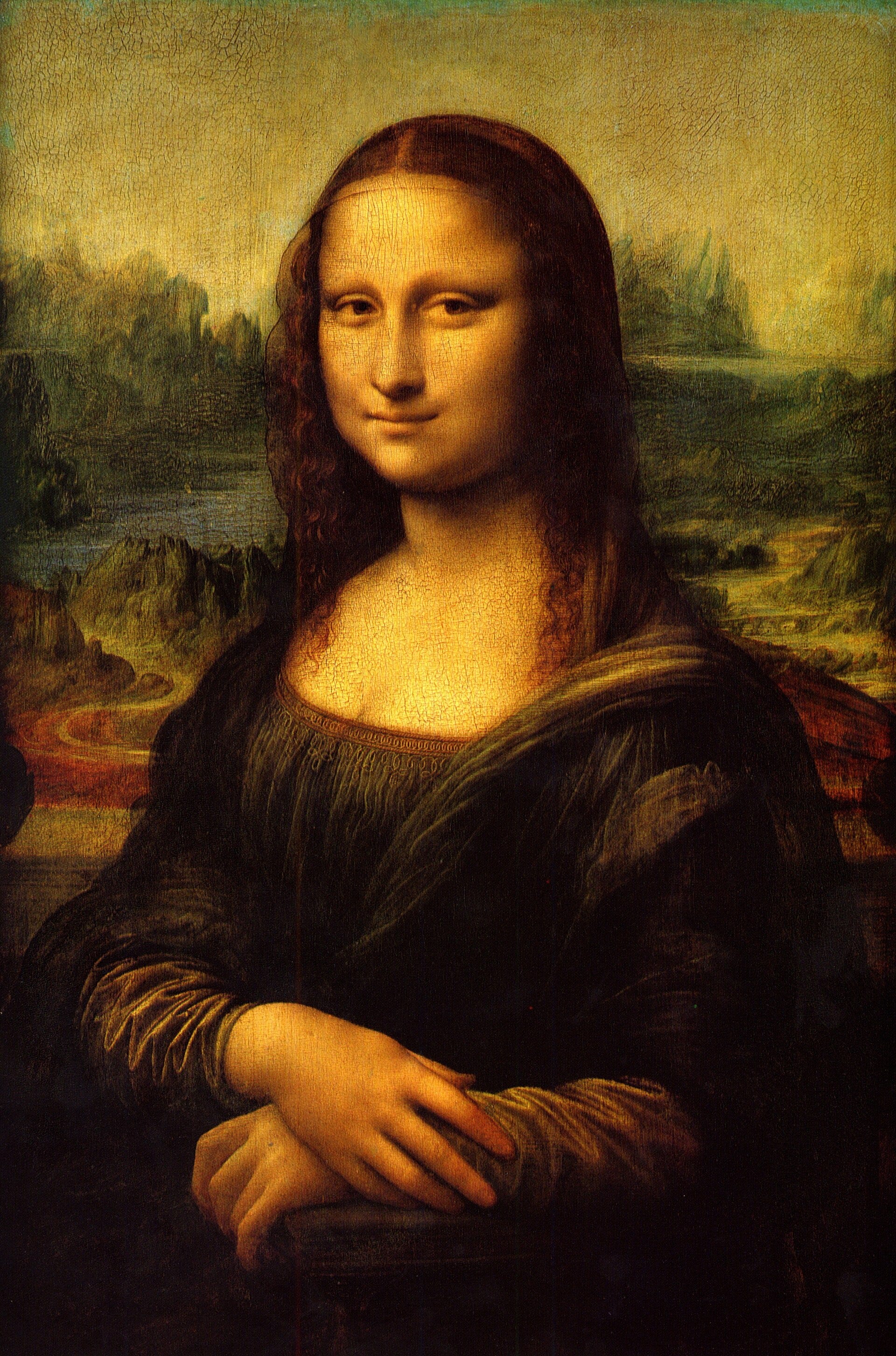
The Mona Lisa hangs in the Louvre in Paris, in the Salle des États, room 711 on the first floor of the Denon wing. Since 2005 she has been displayed alone at the center of that room, in a climate-controlled case behind bulletproof glass.
The panel is small, 79 centimeters high and 53 wide, and it belongs to the French state. The state has now announced that she will leave this room for a space of her own, though no date comes with the announcement.
Cool Stories About Art is a newsletter to learn art the fun way.
Join 200,000+ readers and get:
10 new art stories / month
The entire archive of content (1,000+ articles)
Comment, ask questions, and chat with other readers
Room 711 looks like the end of a long journey. It is only the latest stop. The painting entered the French state's collections in 1793, according to the Louvre's own record, and since then the Louvre has emptied her wall again and again.
A war sent her away in 1870. A thief carried her off in 1911. A second war sent her away in 1939. Washington and New York hosted her in 1963, Tokyo and Moscow in 1974, and in 2019 building work moved her to another gallery for about two and a half months.
The Louvre was not even the only roof the French state put over her. Reference works say that for a time she hung in a bedroom.
Whose bedroom did the Mona Lisa hang in?
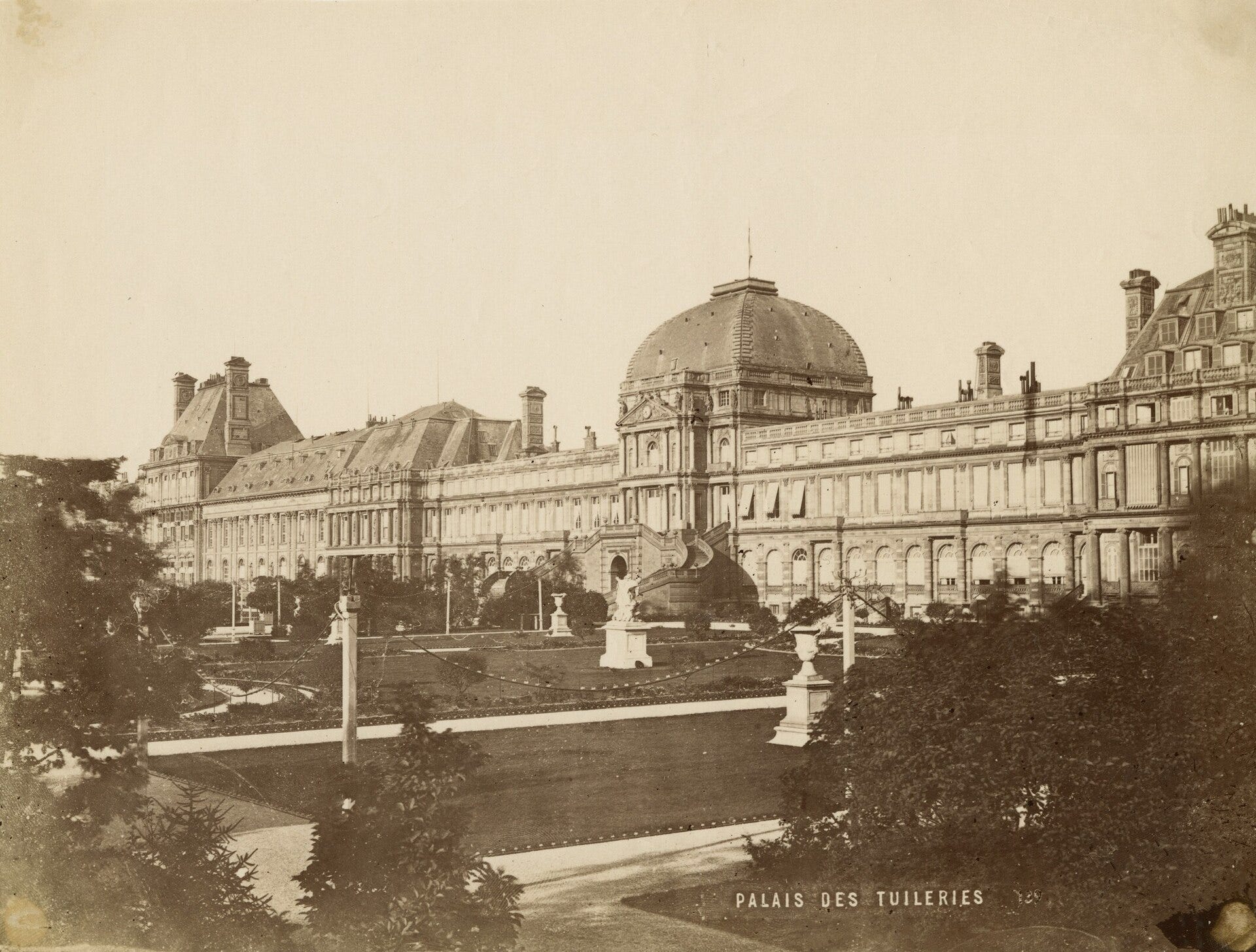
Napoleon's. Reference works note a brief period when the portrait hung in his bedroom in the Tuileries Palace, the residence that stood next to the Louvre and no longer exists. No date comes with the claim, and I could not find a document behind it. The Louvre's own record of the painting does not mention it.
She reached him through the kings and the Revolution. Leonardo brought the panel to France when he moved there in 1516. The Louvre says Francis I, the king of France, very probably acquired it in 1518. Its evidence is a payment that year of 2,604 livres from the king to Leonardo's assistant Salaì for some paintings on panel, which the Louvre takes to be Leonardo's originals.
In 1550 the biographer Giorgio Vasari placed the portrait with the king at Fontainebleau, the royal palace southeast of Paris, though the Louvre points out that Vasari never saw it. Louis XIV later moved it to Versailles, where it stayed until the Revolution.
The Revolution turned the royal collection into the nation's. The Louvre gives 1793 as the year the portrait entered the state's collections, and by 1797 it was on permanent display in the museum. Under the Emperor the museum took his name, and a catalogue of its Italian paintings lists her as number 901. The painting that faces her today has a firmer link to him.
What You'll Discover
What hangs on the wall opposite her.
Where she hid from two wars.
How she reached Washington and Tokyo.
Who will build her new home.