

200 000+ readers learn art the fun way.
This is a preview. Paid subscribers get the full story.
You’ll also get:
10 new stories / month
The full archive (140+ Art stories)
Your personal art guide. Comment, ask questions, DM me anytime
Apple user? Subscribe at coolstoriesabout.art, not via the app. Apple adds 30% to the price.
A man elbows through a tour group, towing his girlfriend into the middle of the gallery. He turns to face her, slips an arm behind her neck, and holds up his phone with his free hand. She tilts her head, eyes closed.
Arm outstretched, he kisses her on the forehead. The screen flashes.
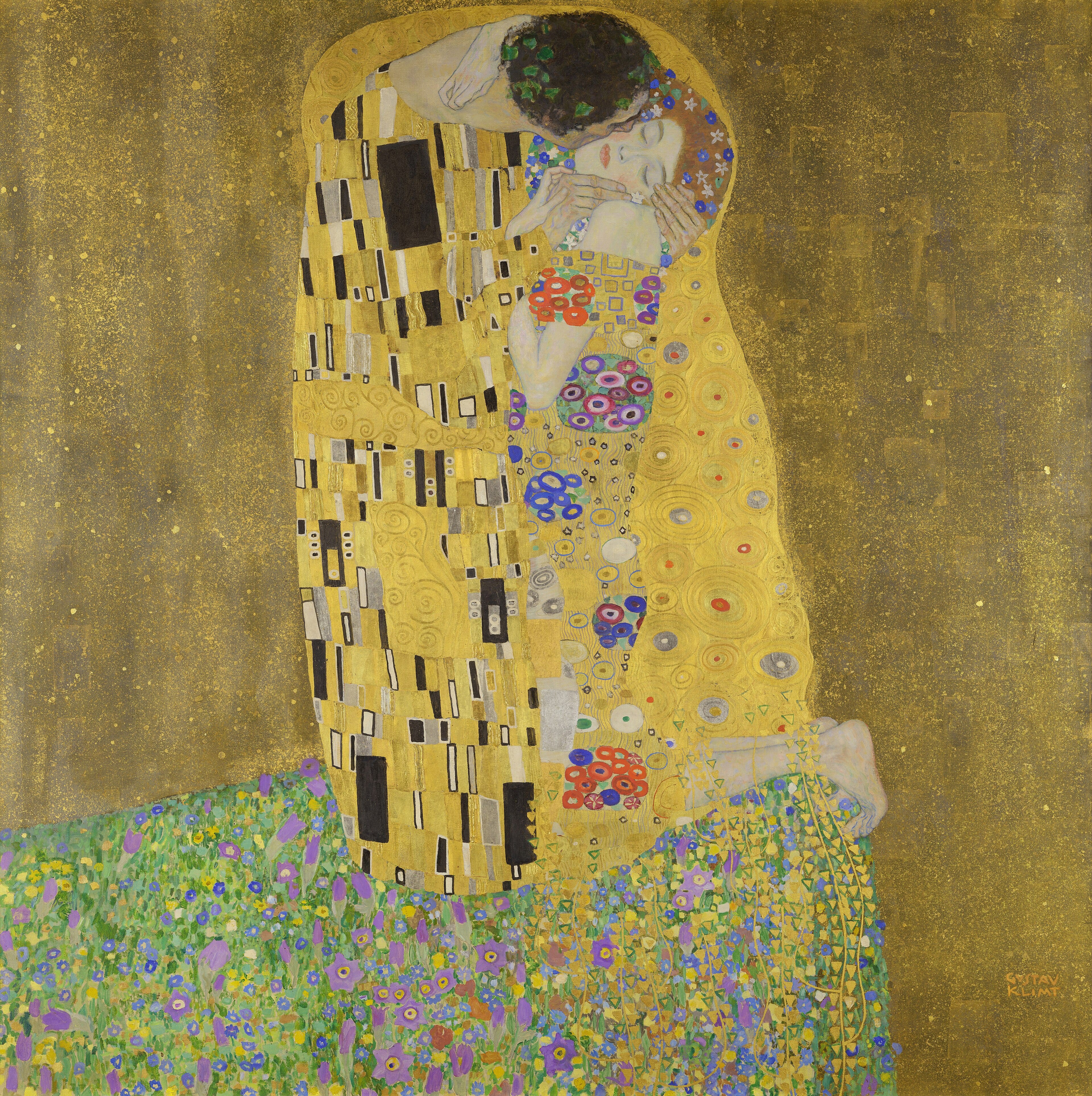
Behind them hangs a large square of gold, nearly two meters on a side. In it, a man bends over a kneeling woman and cups her face in his hands. A single cloak wraps them both.
It is an ordinary day at the Belvedere, the old hilltop palace in Vienna that is now a museum, and the couple with the phone has just re-enacted that embrace. The whole world knows this kiss.
But who, exactly, is kissing?
Room 22
“Further left.”
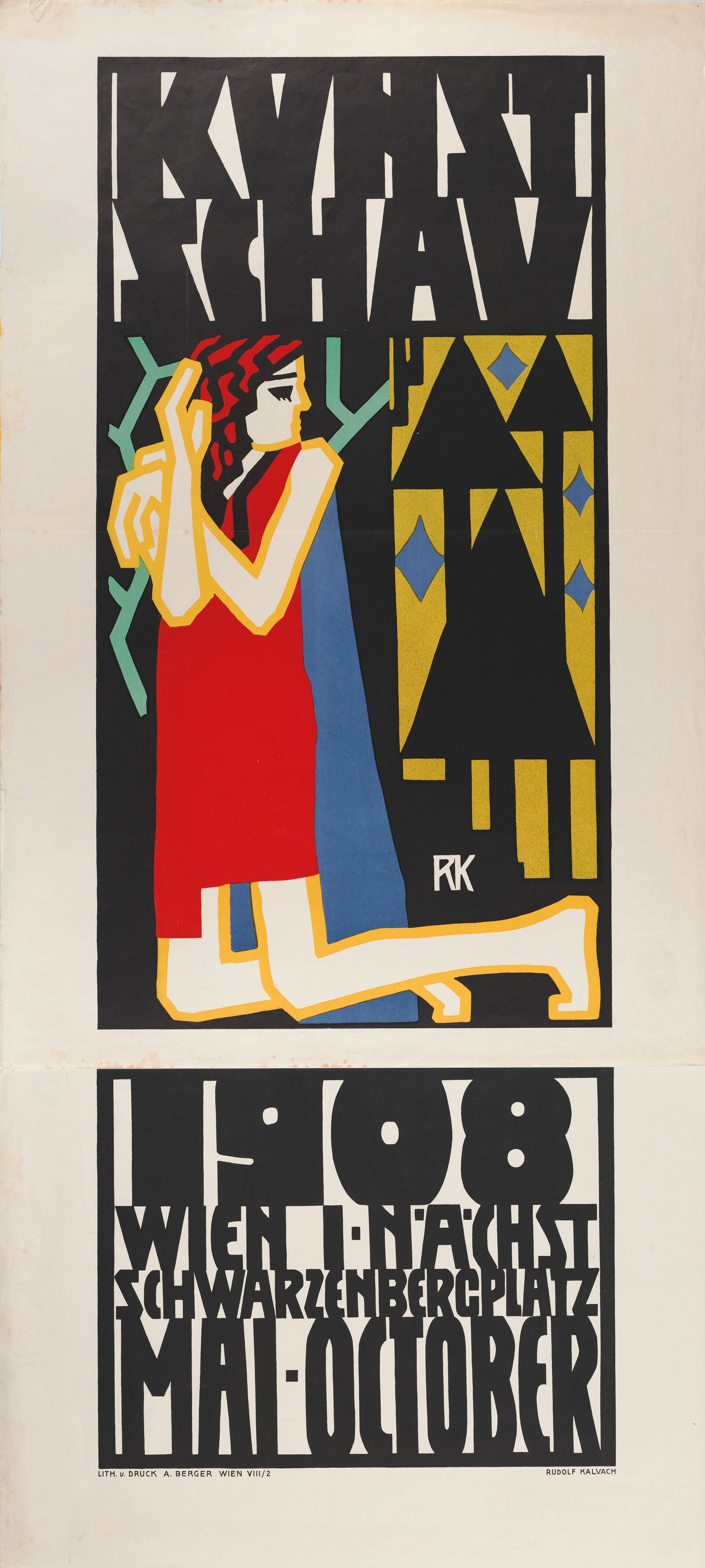
Vienna, a morning in the spring of 1908. Two workmen shuffle in, carrying a square of gold nearly two meters on a side. They stop in the middle of a room whose pale walls are studded with small black squares.
Koloman Moser, who designed the room for the coming exhibition, waves them toward the wall with the flat of his hand.
Then he turns to the doorway, where a man hangs back with his arms folded, and calls out:
“There?”
The man in the doorway shakes his head.
“No. In the center. Facing the door.”
“Are you sure? Everyone will see it before anything else.”
“That’s the whole point.”
The workmen carry it to the wall opposite the entrance, hoist it up and wedge it into place. The man hasn’t moved from the doorway. He stands exactly where visitors will stop, and he never takes his eyes off the painting.
That man is Gustav Klimt. He is 45.
The exhibition, the Kunstschau, opens on June 1 to mark Emperor Franz Joseph’s 60 years on the throne. The architect Josef Hoffmann has put up a wooden pavilion with 54 rooms to house it, and nearly 180 artists are taking part. Klimt chairs the committee that organized it all. He will give the opening speech, and Room 22, which Moser is arranging, is his alone.
For months the exhibition has swallowed his days, and whatever time is left goes to designing a huge mosaic frieze for a palace in Brussels.
The painting facing the entrance has paid the price: it isn’t finished. In the lower left corner, a few flowers are barely sketched in, and patches of bare canvas still show. Klimt gives it the best spot anyway. The catalog lists it as number 2: “The Lovers.”
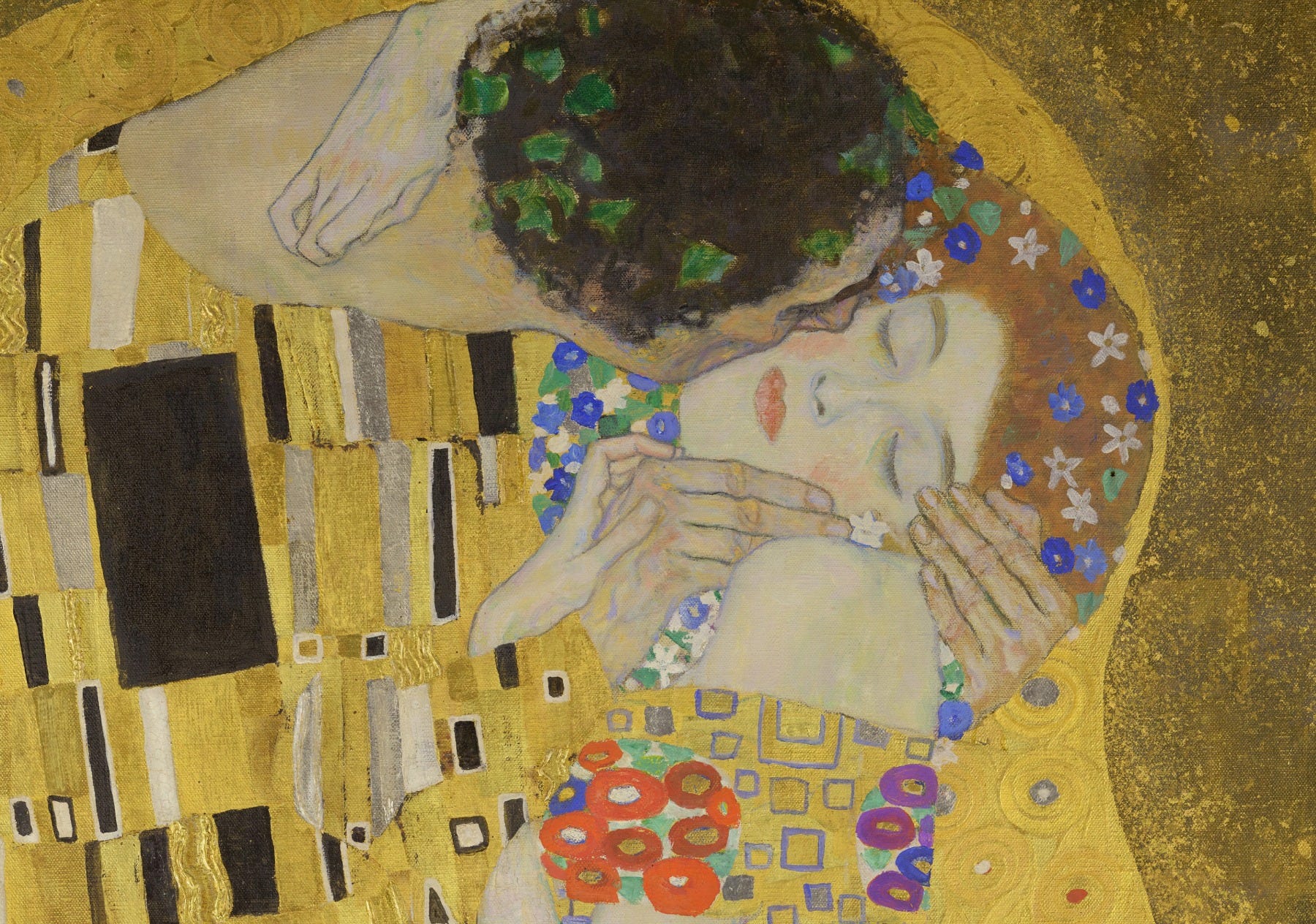
Two figures kneel at the edge of a flowering meadow, wrapped in the same golden cloak. The man leans over the woman, and only three things of him are visible: the back of his neck, a wreath of leaves, the edge of a profile.
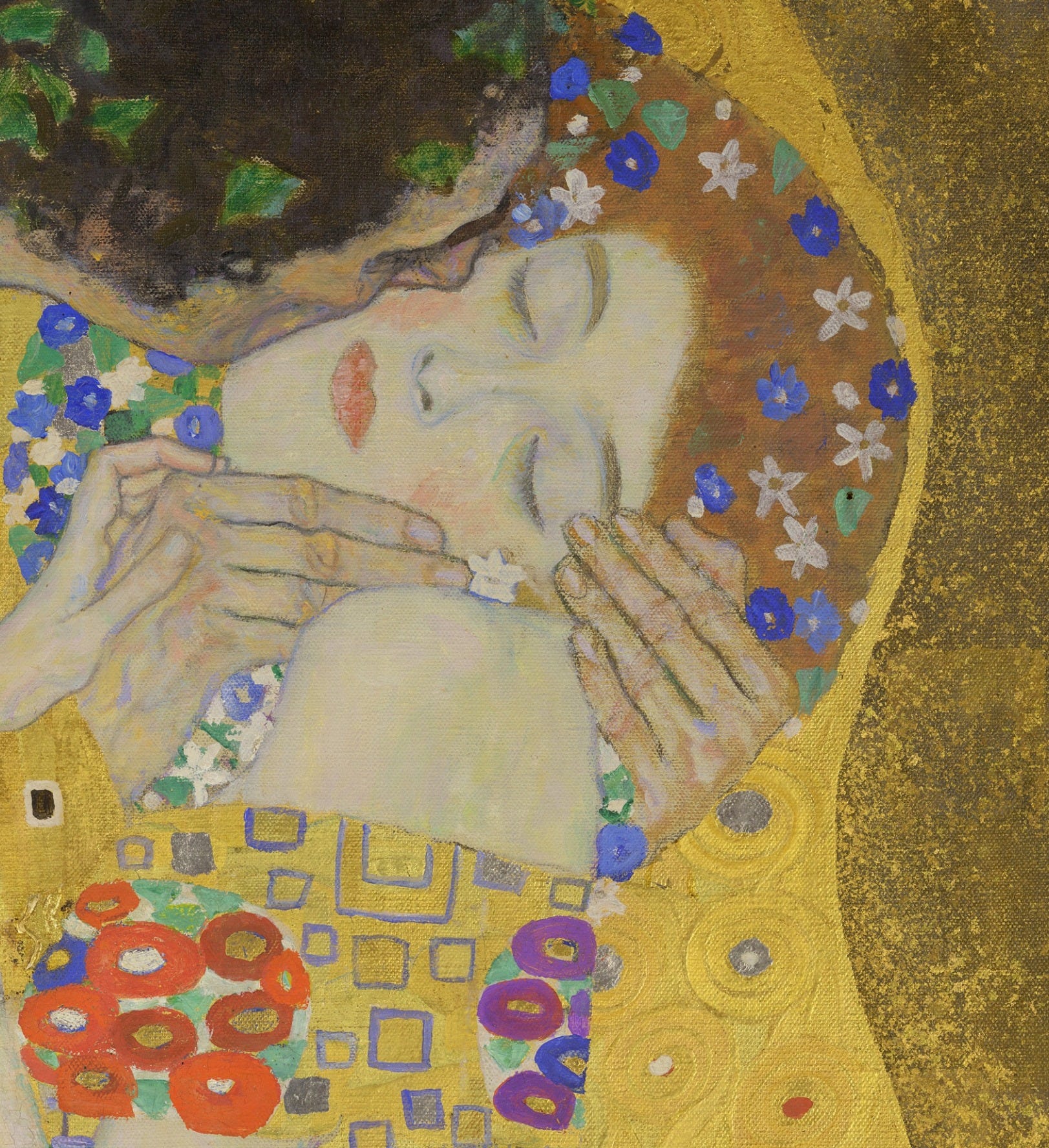
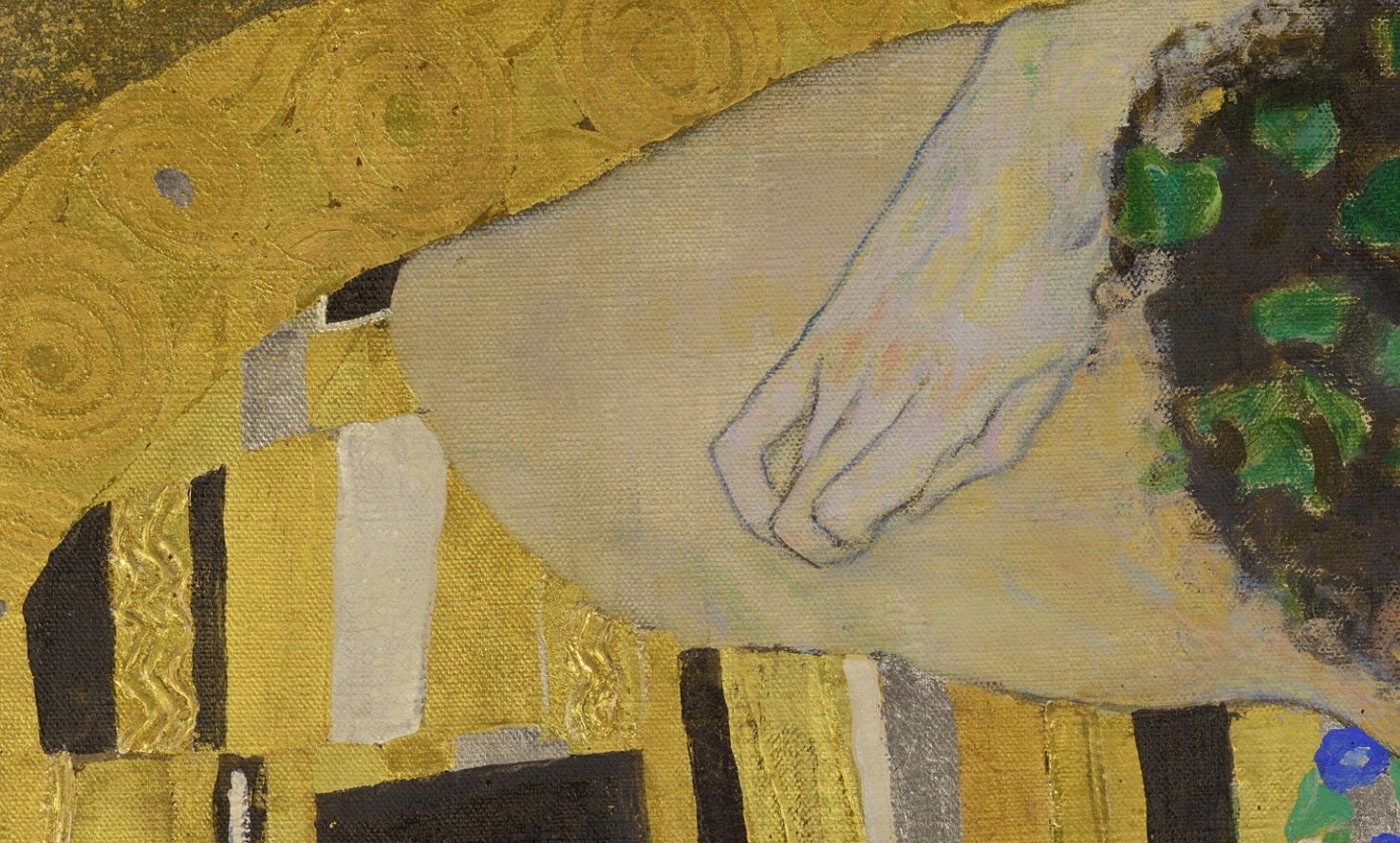
The woman’s head is tipped back against his shoulder, her eyes shut. Tiny flowers are scattered through her red hair. Her right hand reaches up to his neck, one finger bent.
He has no face. If this couple has names, the woman is the only clue, and the catalog is no help: “The Lovers,” nothing more. So where do we look?
The portraits, perhaps. Vienna’s great families hire Klimt to paint their wives. And in this very room, a few meters from “The Lovers,” he has hung one of those portraits, in the same gold.
Know someone who would love these stories? Give them a month or a year, with a note from you. 🎁
Mrs. A. B.
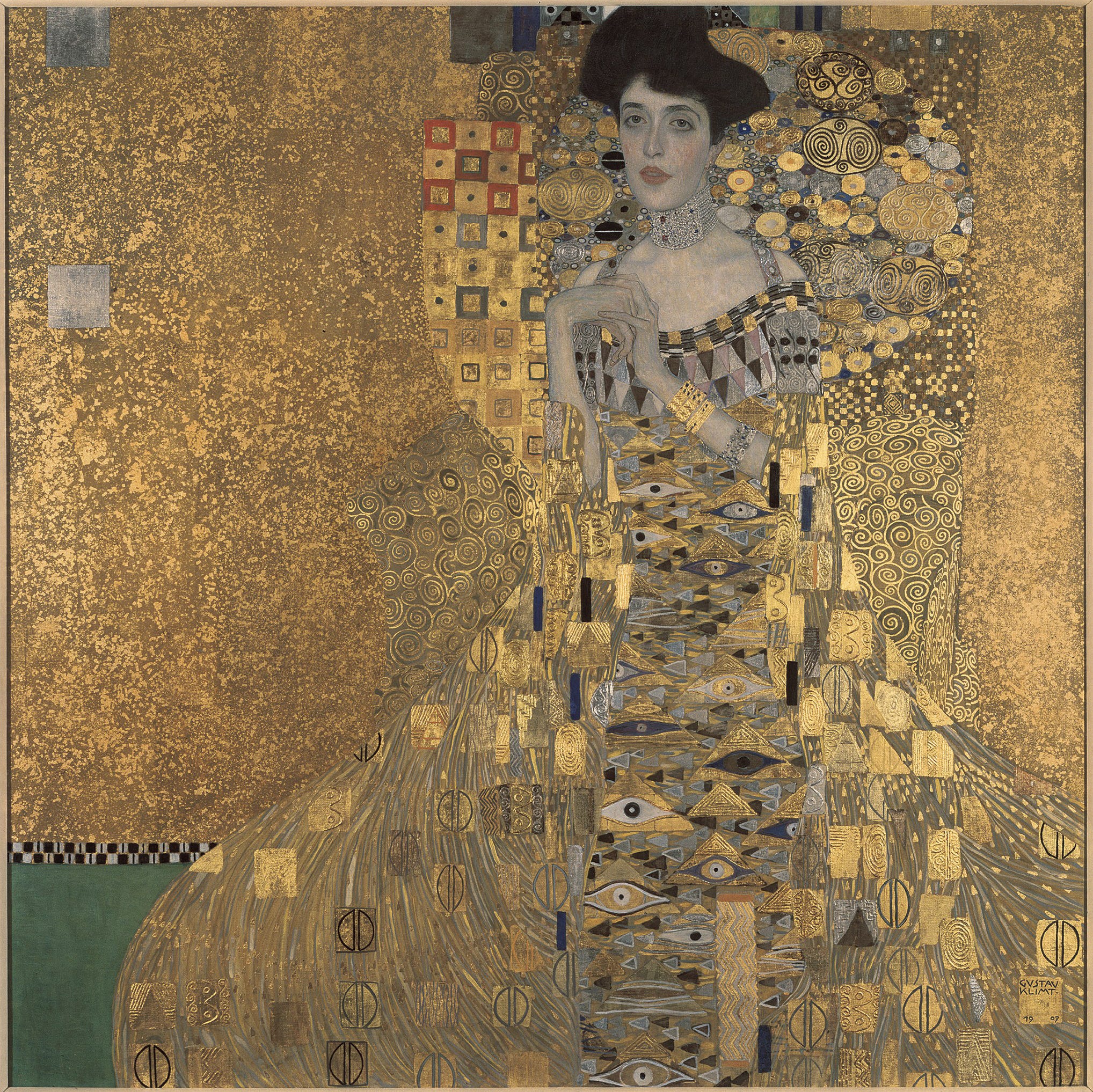
A woman in a golden armchair. Her gold gown is strewn with tiny eyes, her lips are red, her hands are knotted against her chest.
She has no name in the catalog either, just two initials: “Portrait of Mrs. A. B.” They stand for Adele Bloch-Bauer, 26, the wife of Ferdinand Bloch, a wealthy sugar industrialist.
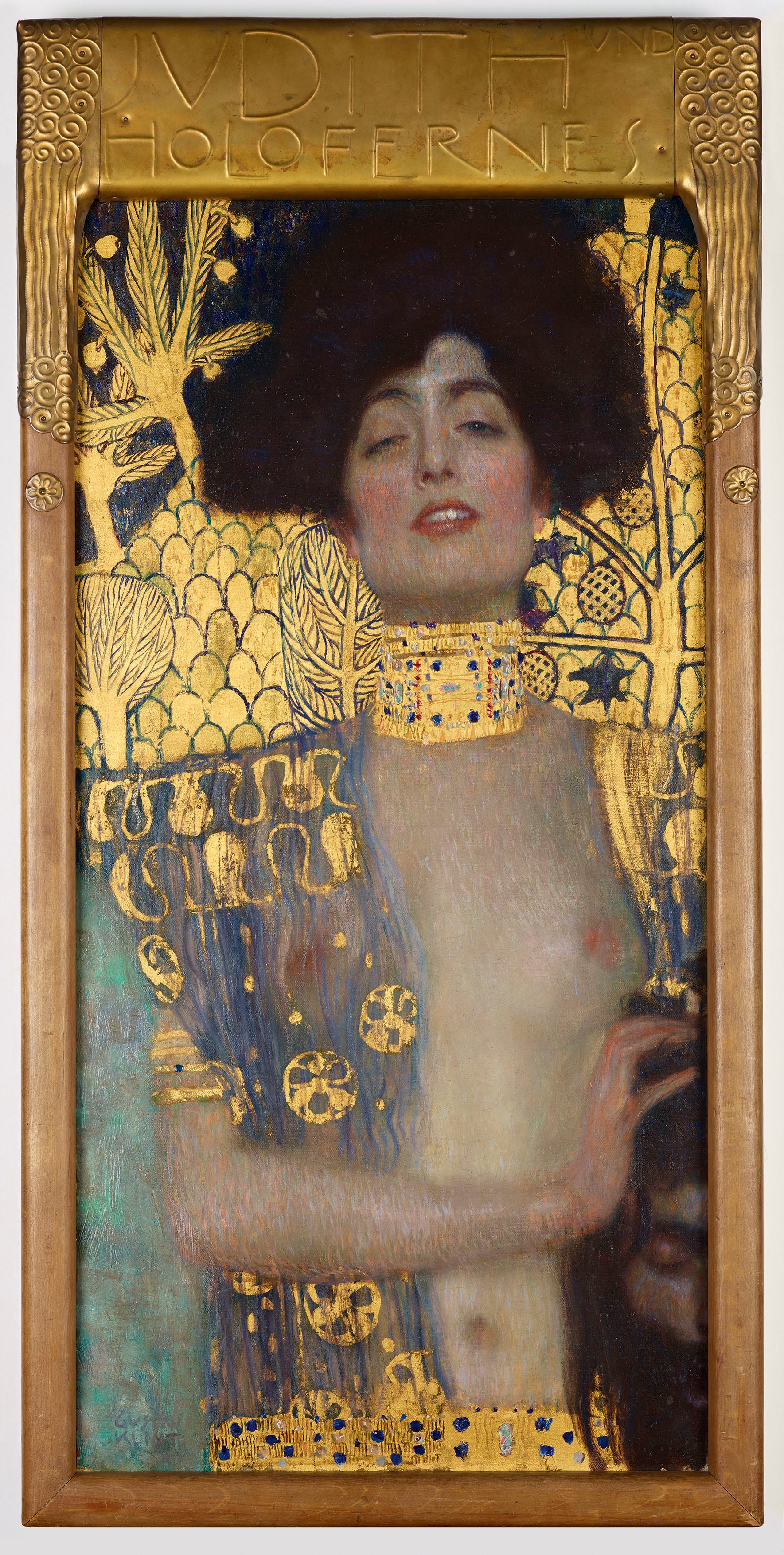
In 1901, Klimt had already painted her as Judith, the biblical widow who seduces the enemy general and then cuts off his head. Heavy eyelids, parted lips, bare breasts, a gold choker tight around her throat. Klimt never painted anything more erotic.
Two years after Judith, her husband commissioned a portrait of her, and Klimt spent four years on it. The result is the woman in the golden armchair. He filled over a hundred sheets with studies of Adele, more than for any other painting.
Between sittings, he dined with the Blochs and saw them at concerts and exhibitions. In Vienna, Adele is taken for his mistress.
One detail stands out: the knotted hands, the fingers pressed together in a pose too studied to be natural. Adele has a damaged finger on her right hand, and Klimt has arranged the pose to make it disappear.
In “The Lovers,” the woman’s right hand, the one at the man’s neck, curls one finger toward the palm. As if she, too, had a finger to hide.
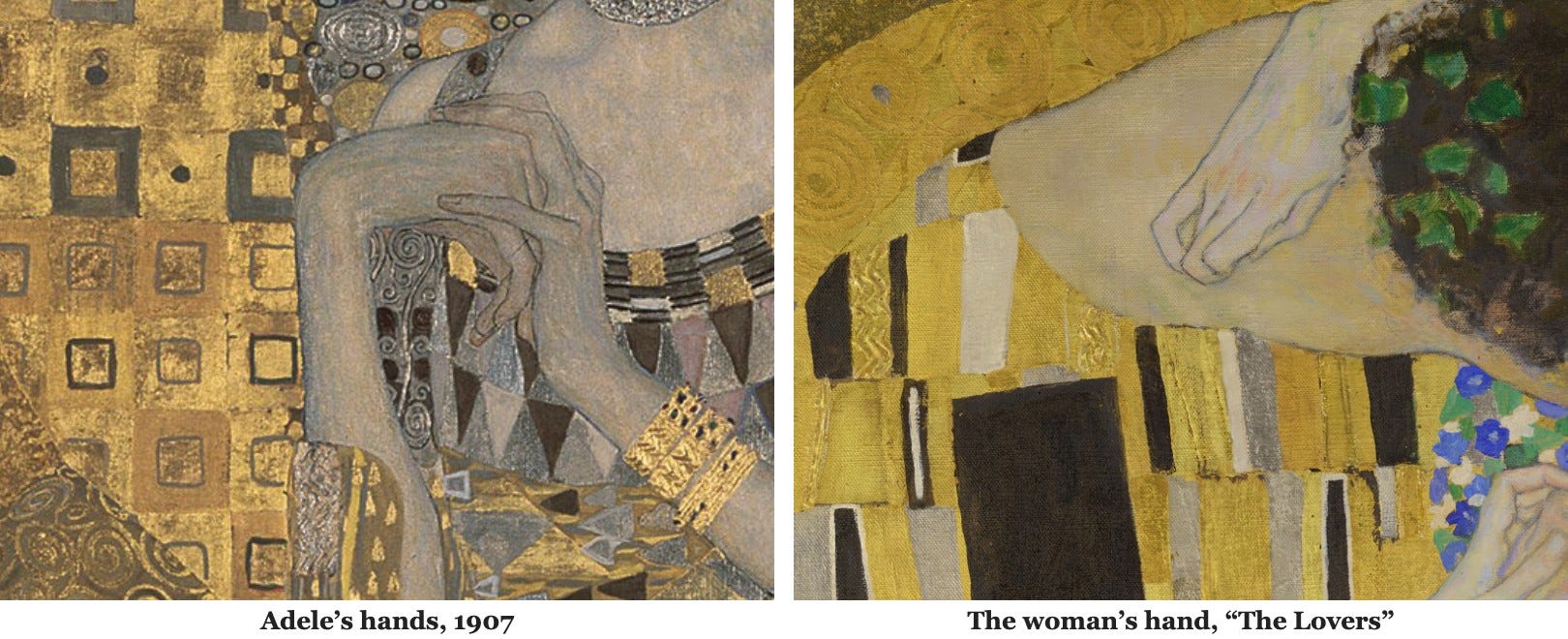
The same gold, the same room, a hundred drawings, Judith, and that hidden finger. Everything points to Adele…
Except that, on closer inspection, the finger Adele hid was her middle finger. The woman in “The Kiss” curls her ring finger.
Adele was a brunette. The woman in “The Kiss” is a redhead.
The woman is a dead end. What about the man? Klimt shows nothing of him either.
Nothing on the canvas today, at least…
The painting at the Belvedere is not quite the one Vienna saw in 1908. That spring the canvas was unfinished, and only one image of it survives: during the exhibition, the Viennese photographer Moriz Nähr took a picture of “The Lovers” where it hung, opposite the door of Room 22.
In his photograph, sure enough, the corner of the meadow is bare. But that is not the only difference.
The man kissing this woman is not the one in the painting today.
As if Klimt had wanted to hide something.
That man is the key.
What You’ll Discover
Who is hidden beneath the repainted man
The name Klimt wrote, in his own hand, beside this kiss
Another kiss, painted six years earlier
The same couple, still in Klimt’s drawings a few weeks before his death
Who the lovers in “The Kiss” really are