
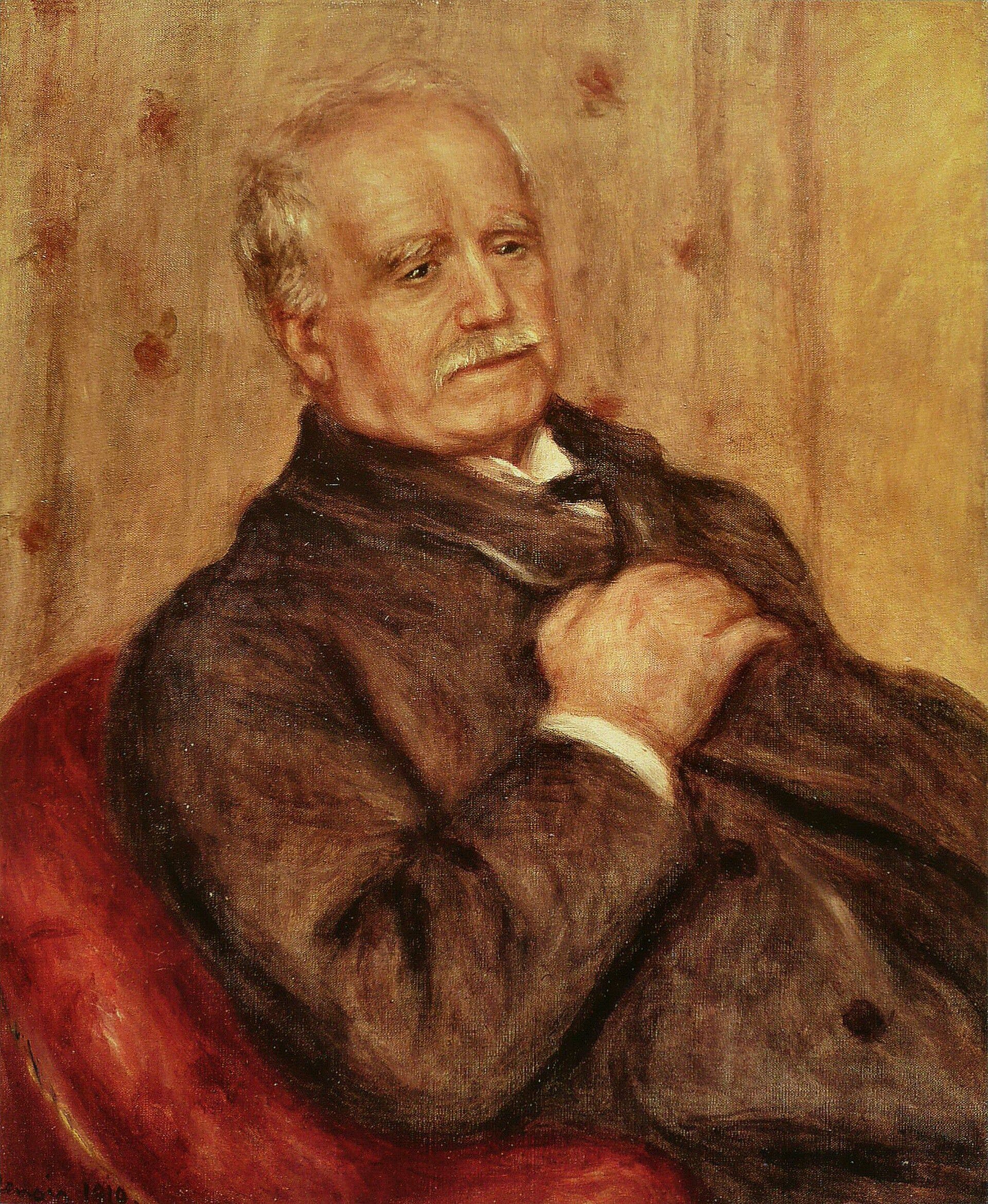
The Impressionists were kept afloat mainly by two men: the dealer Paul Durand-Ruel, who kept buying their paintings when almost no one else would, and the painter Gustave Caillebotte, who bought his friends' work, lent them money and sometimes paid their rent.
Both spent their own money, and years of their lives, on painters the critics were attacking.
Cool Stories About Art is a newsletter to learn art the fun way.
Join 200,000+ readers and get:
10 new art stories / month
The entire archive of content (1,000+ articles)
Comment, ask questions, and chat with other readers
Durand-Ruel is the name that goes with the rescue. He needed rescuing himself.
In the winter of 1880, fresh money from a banker revived his business. A year earlier, the painter Gustave Courbet had assumed Durand-Ruel was already bankrupt. In January 1882 the banker's bank failed, and the stock exchange collapsed with it. Durand-Ruel had to rent part of his own premises to another bank, the Banque de Paris.
Years later, he said that if he had died at 60, he would have died "debt-ridden and bankrupt." The man who is said to have saved the Impressionists spent years in debt for them. So who was really paying?
What You'll Discover
Who really paid the dealer's bills.
What happened in New York in 1886.
Who paid Monet's rent.
What the state did with the gift.