

180 000+ readers learn art the fun way.
This is a preview. Paid subscribers get the full story.
You’ll also get:
10 new stories / month
The full archive (130+ Art stories)
Your personal art guide. Comment, ask questions, DM me anytime
Apple user? Subscribe at coolstoriesabout.art, not via the app. Apple adds 30% to the price.
Horenka, Ukraine, a village on the outskirts of Kyiv. Fall 2022.
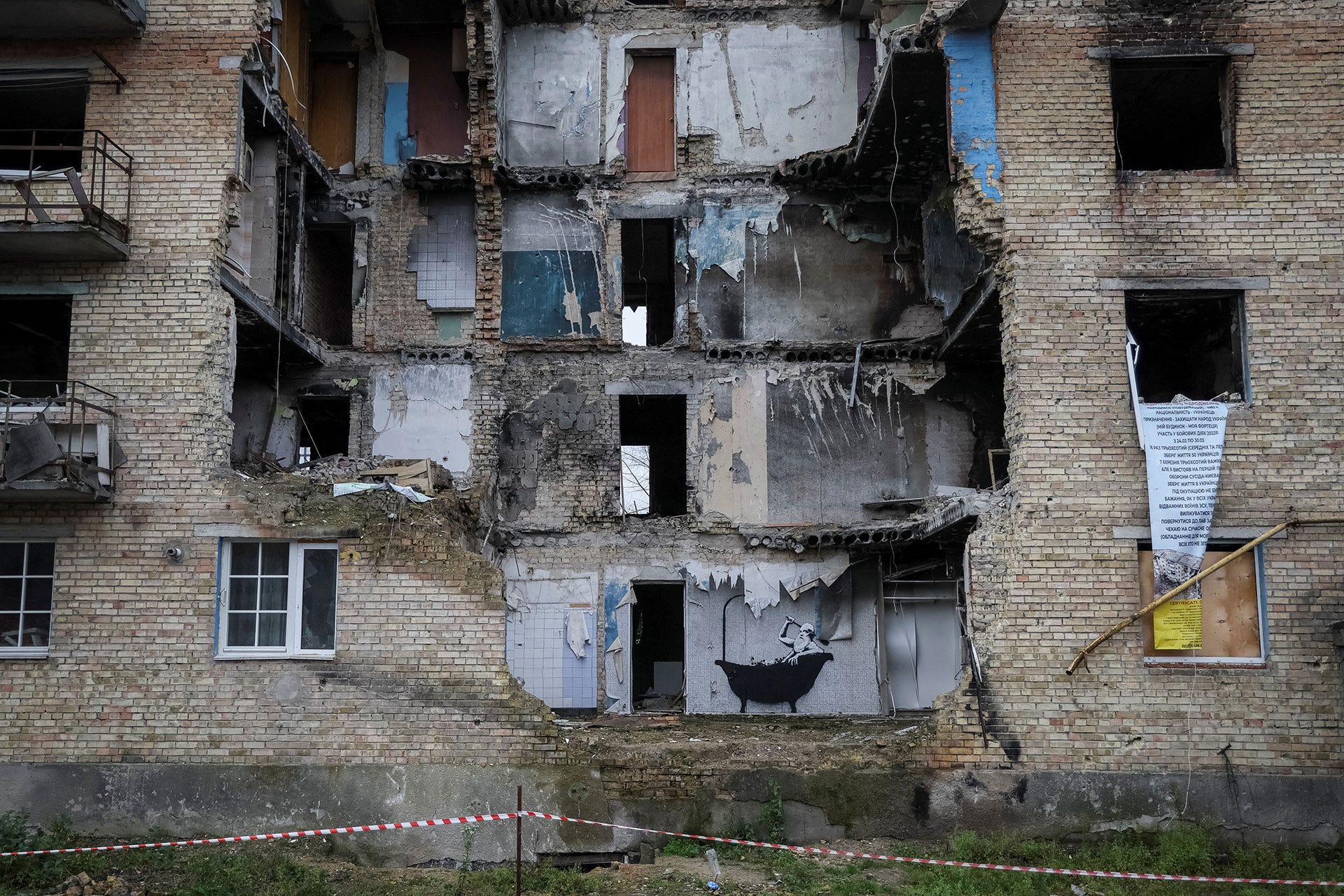
In the spring, the Russian army pushed this close to Kyiv, a few miles from Bucha. It left behind houses split open, walls still standing, with no roof overhead and no windows.
In front of one of those walls, two men are at work, cans of spray paint in hand.
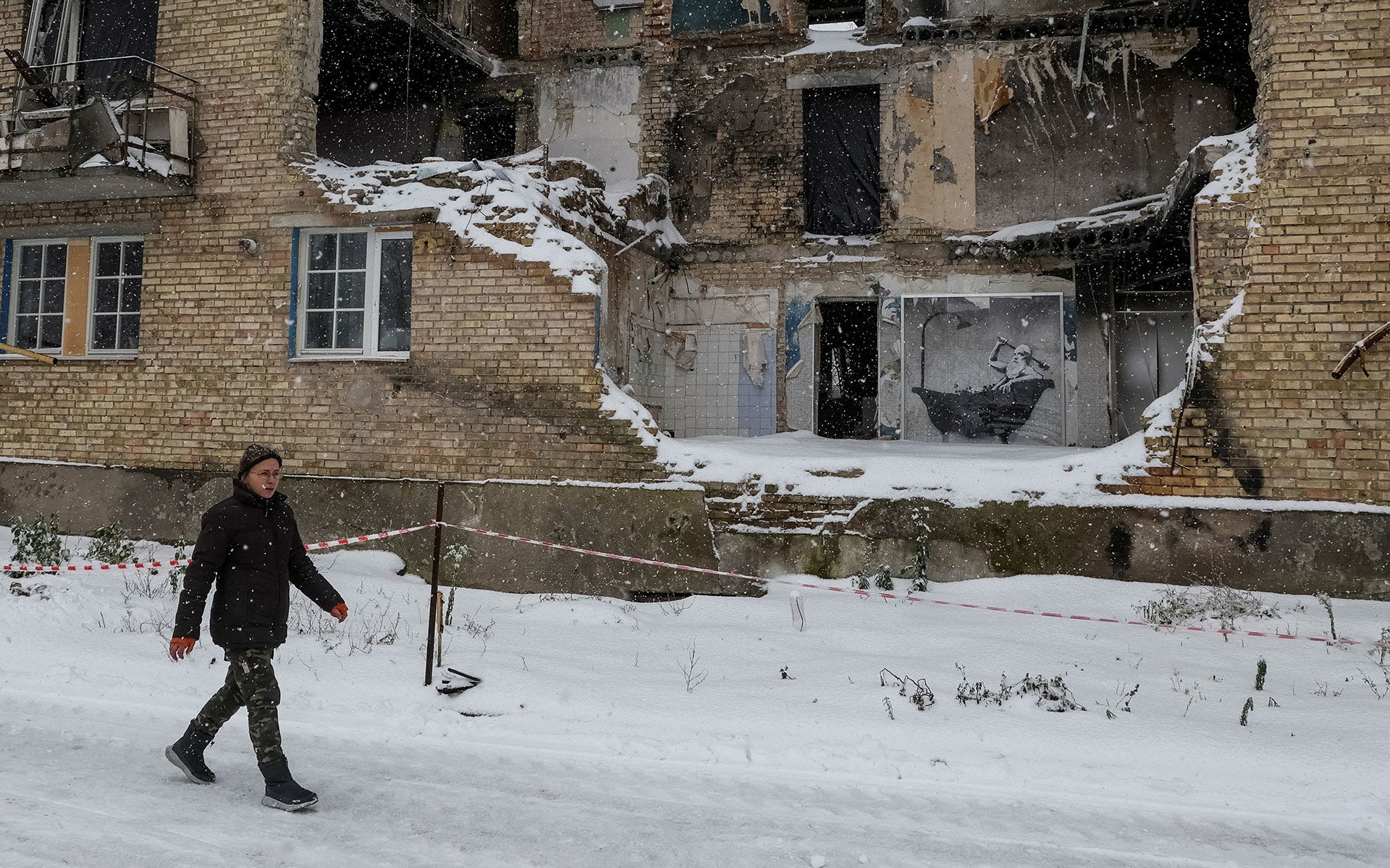
Tetiana Reznychenko lives in the village. She brings them coffee. The two men stop long enough to drink it, then go back to the wall where they left off.
When they leave, the wall has changed. A bearded man now sits in a bathtub in the middle of the roofless house, scrubbing his back.
On November 11, 2022, a photo of that wall appears on Banksy's Instagram account, one of seven walls painted in Ukraine.
In Hostomel, the next town over, a woman in a bathrobe and curlers holds a fire extinguisher, a gas mask over her face.
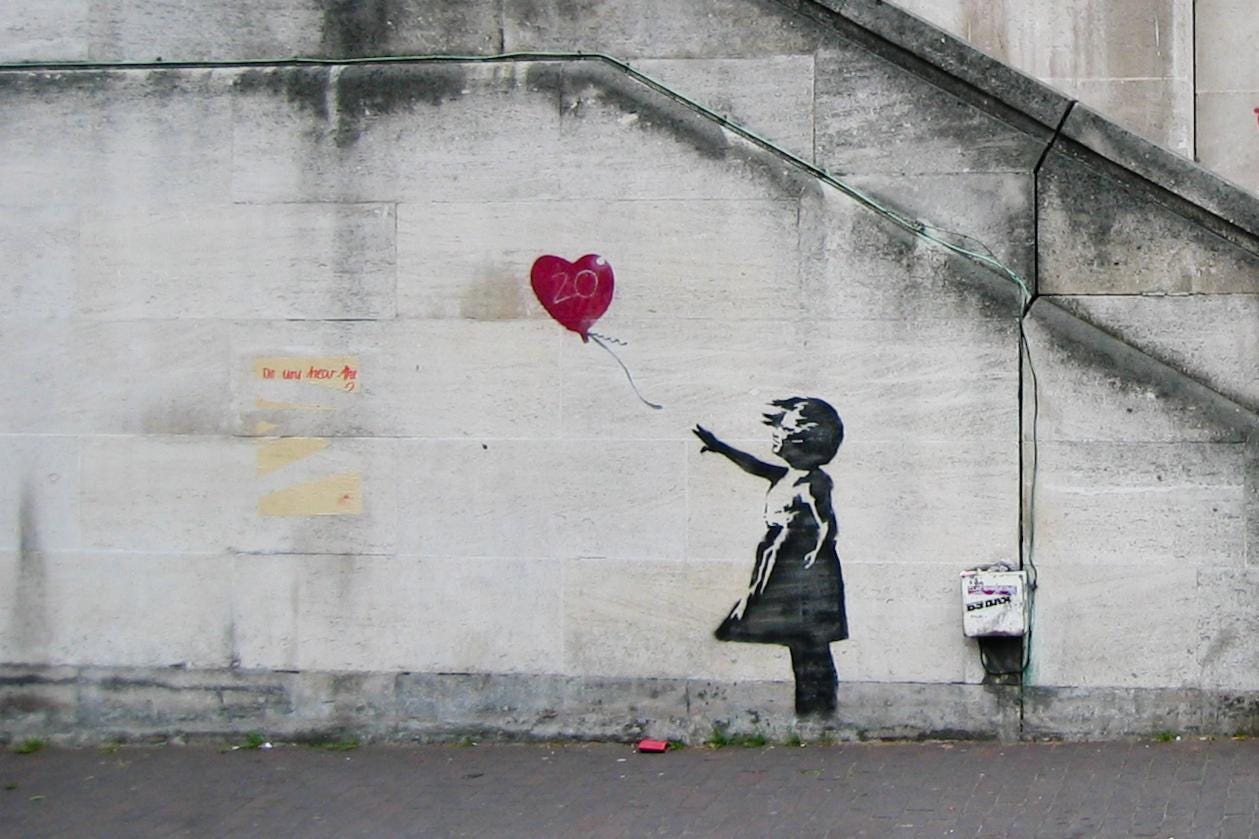
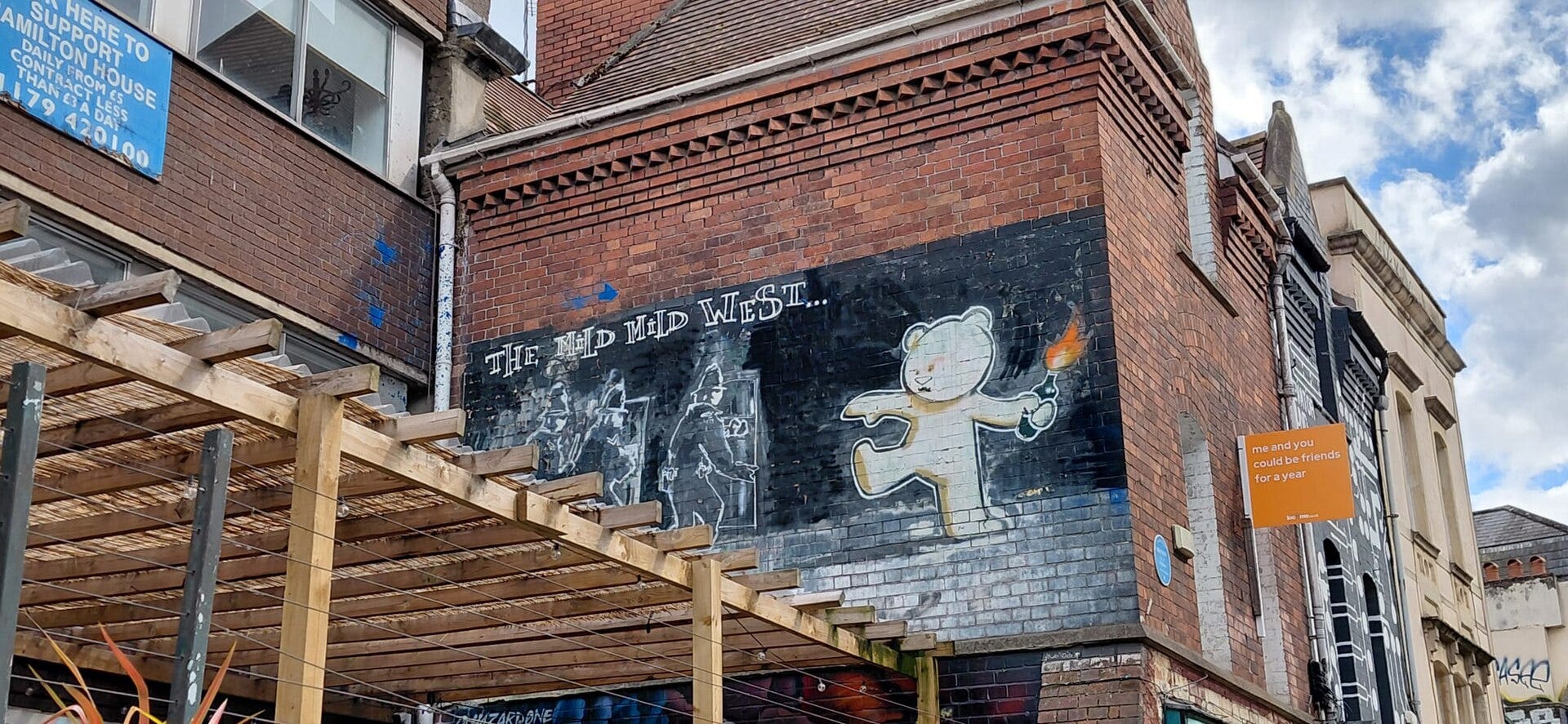
Banksy's stencils go up overnight, on walls in Bristol, in London, in Paris, on the barrier that separates Israel from the West Bank. His little girl letting go of a red balloon is known around the world.
He is not. He never shows his face and never gives his name. He claims his walls after the fact on Instagram, and a company, Pest Control, authenticates his work.
For 20 years, newspapers, fans, and researchers have hunted for the man behind the name. Several names have surfaced.
The Phone
A Reuters team decides to put those names to the test. The team is covering the war around Kyiv, from Bucha to Irpin, and the bathtub wall stops it cold: if one of the men suspected of being Banksy held a spray can in Horenka, someone in the village saw his face.
Reuters gathers photos of the suspects. A few weeks after the walls go public, one of its reporters arrives in Horenka with the photos on his phone.
He goes from one villager to the next, always with the same question: who got a close look at the two men at the wall? The first few people he asks send him deeper into the village. The answers end up pointing to a single person, the woman with the coffee.
Tetiana had watched them work, faces uncovered.
He hands her the phone.
One face, then another, then another. Tetiana swipes through them with her thumb, taking her time.
On one of them, her eyes go wide. She lingers on that one a little longer than on the others.
She has never seen this man, she says, and she hands the phone back.
The photo is of Robert Del Naja.
The Frontman
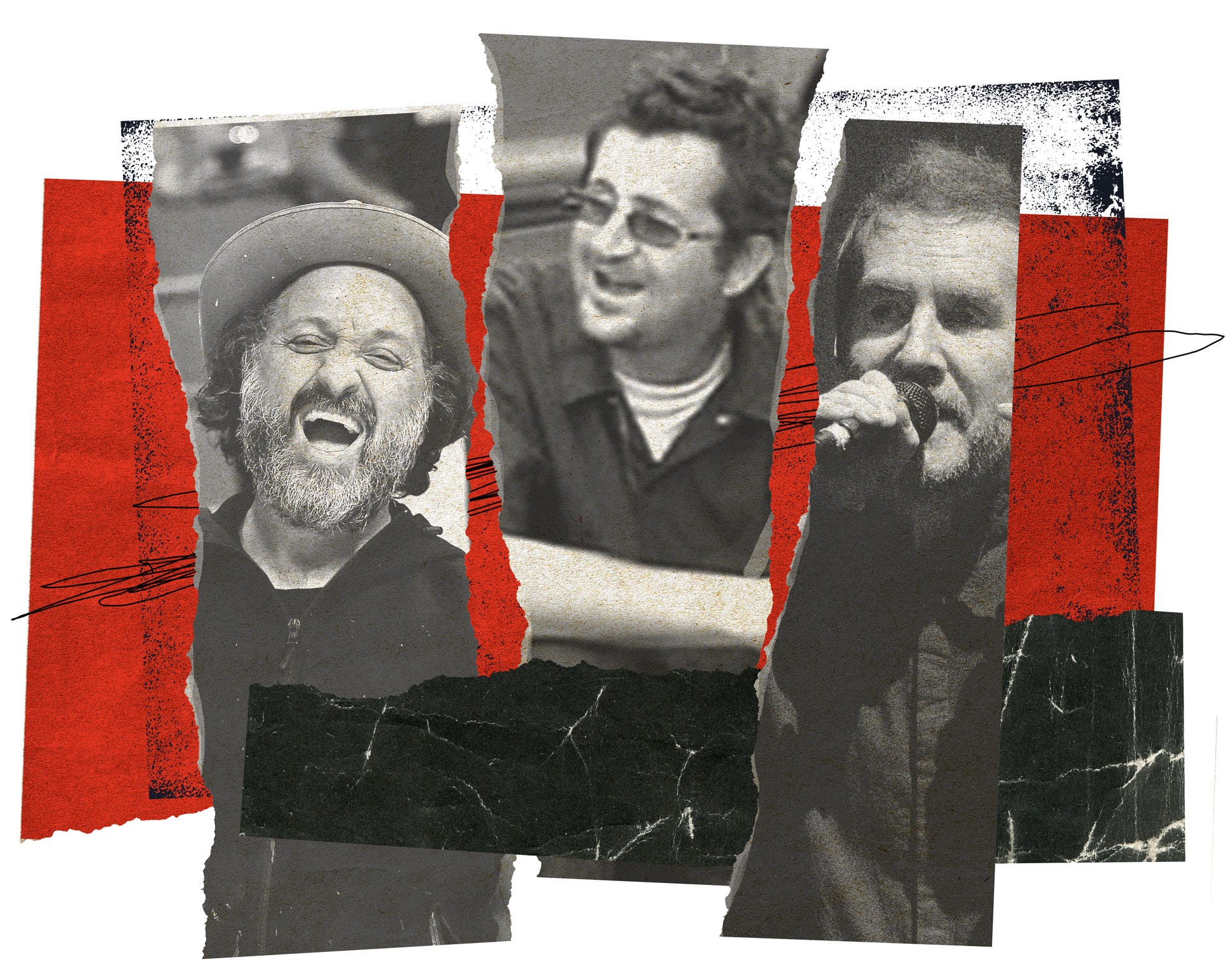
Robert Del Naja is the frontman of Massive Attack, a band from Bristol.
Reuters wasn't the first to think of him. In the spring of 2010, Massive Attack was touring North America. Banksy pieces turned up in San Francisco, in Toronto, in Boston, each time within days of a concert.
In 2016, a journalism student in Glasgow lined up the coincidences, and the British press ran with them.
Del Naja denied it.
"It's purely a matter of logistics and coincidence, nothing more than that."
If he painted in Horenka, Del Naja had to have entered Ukraine in the days before, and someone, somewhere, has a record of it.
The reporter turns to sources who track who crosses the Ukrainian border, and when. He gives them a name, Robert Del Naja, and a window: the days before the walls.
The answer comes back.
Robert Del Naja crossed from Poland into Ukraine on October 28, 2022. He crossed back out on November 2. The bathtub wall appeared on Banksy's account nine days later.
For Reuters, everything fits.
Before the music, Del Naja painted. In the 1980s, he spent his nights in the streets of Bristol putting up graffiti and stencils without permission, signing them 3D. He was among the first in the city to paint that way. The police arrested him several times, and then he traded the cans for music.
In Bristol, on those nights, a boy of about ten watches 3D paint the streets. Years later, it is his turn to cover the city's walls. He signs them Banksy.