

200 000+ readers learn art the fun way.
This is a preview. Paid subscribers get the full story.
You’ll also get:
10 new stories / month
The full archive (140+ Art stories)
Your personal art guide. Comment, ask questions, DM me anytime
Apple user? Subscribe at coolstoriesabout.art, not via the app. Apple adds 30% to the price.
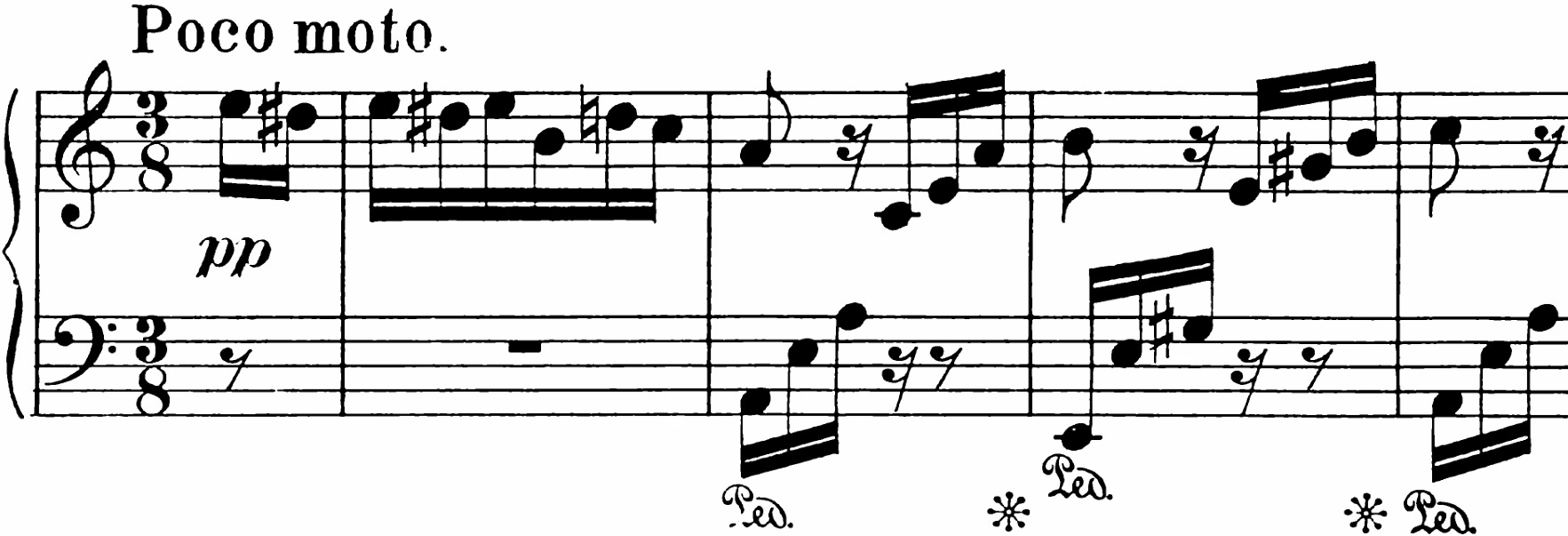
Maybe you once lifted the lid of a little music box and heard a thin, tinkling tune: two neighboring notes rocking back and forth, again and again, then a phrase that falls.
In the early 2000s, the same tune went off in pockets and purses every time a cell phone rang. In Taipei, the garbage trucks play it on their evening rounds, and residents come out with their sorted trash and toss the bags into the truck themselves.
Piano students all over the world practice it. Hear it once in the morning and you are still humming it that night.
The piece is “Für Elise,” by Beethoven.
But who is Elise?
Four Thousand Florins
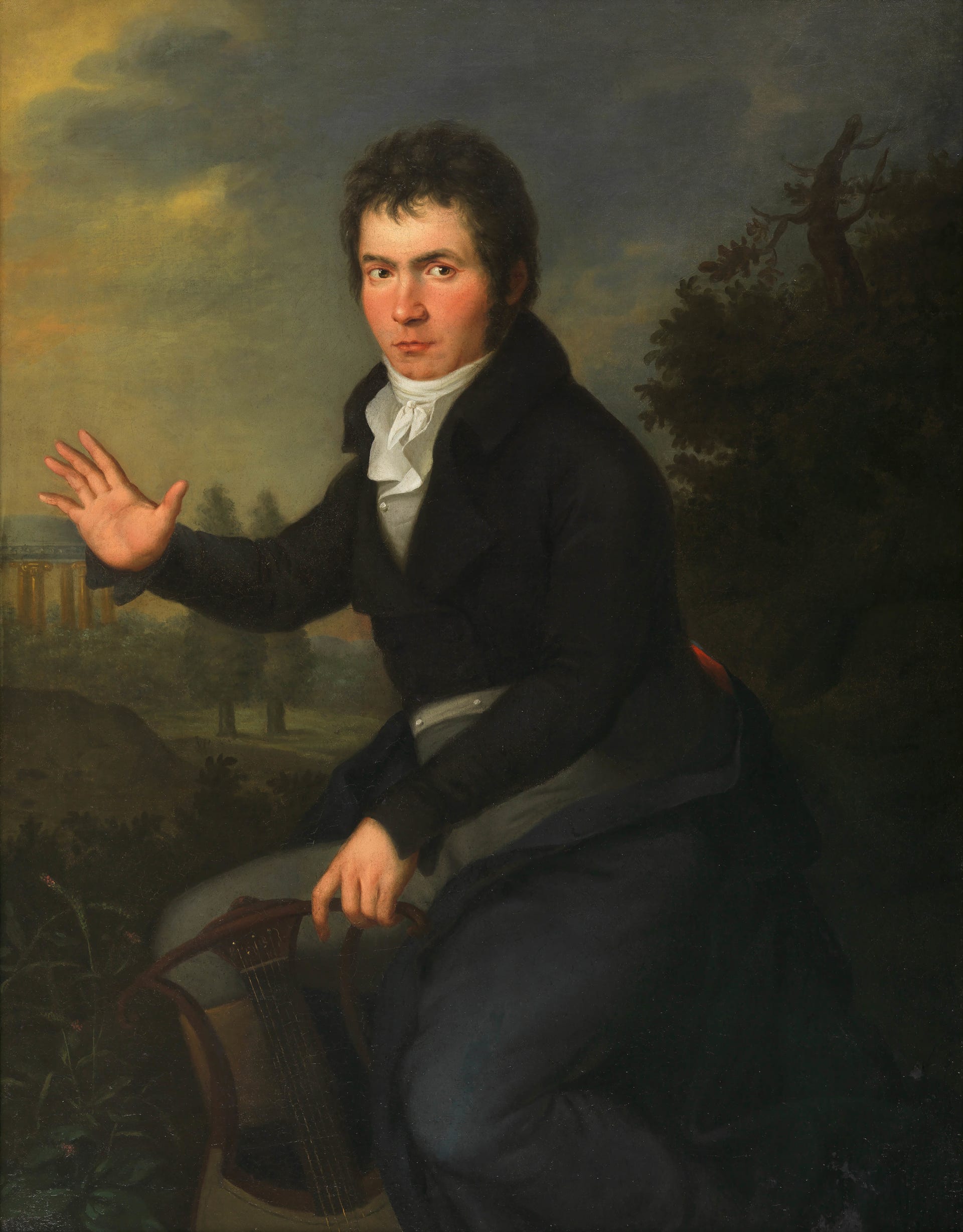
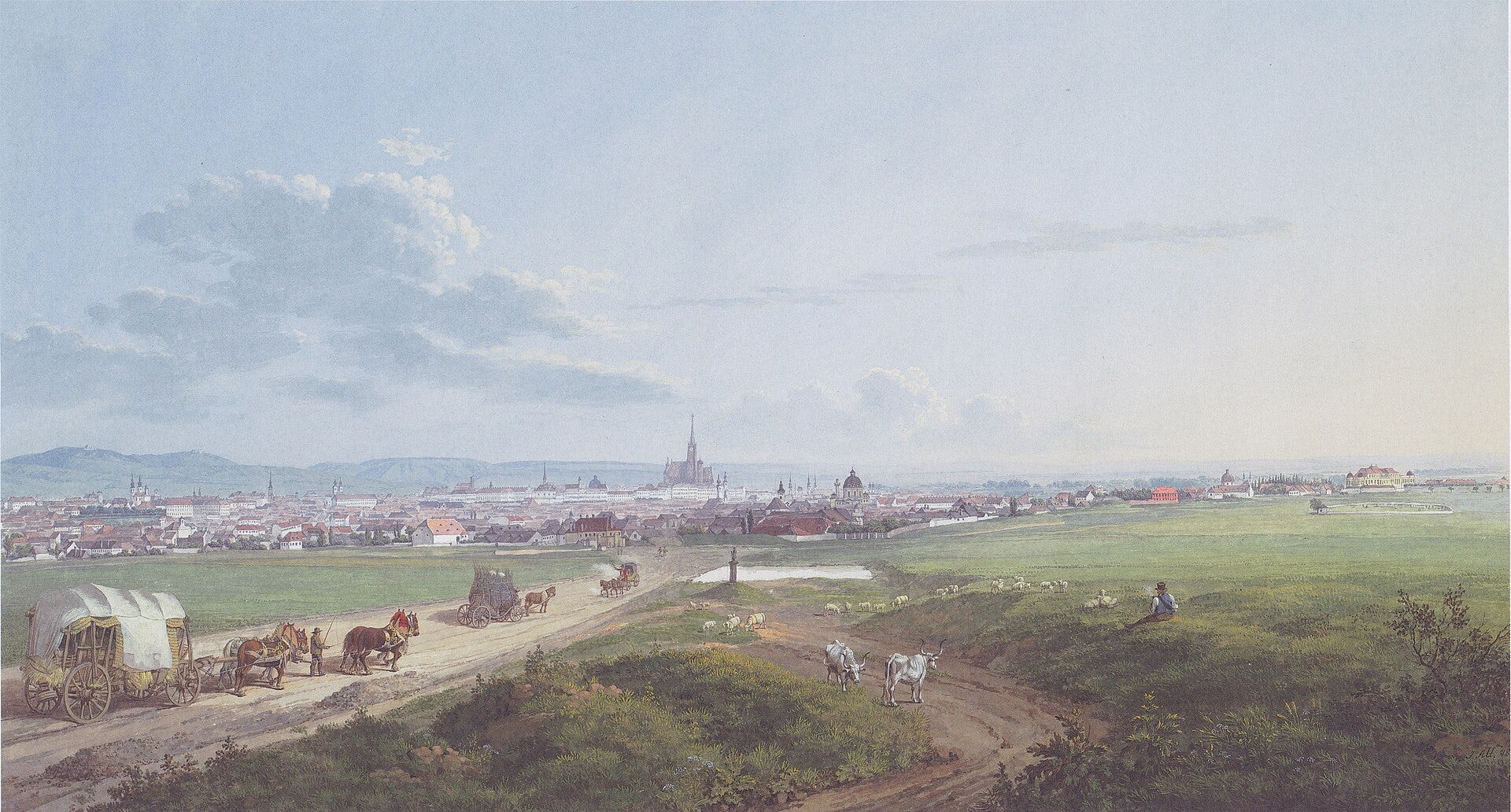
In March 1809, in Vienna, Beethoven sits down at his desk to write to a young friend, Ignaz von Gleichenstein. Gleichenstein usually keeps Beethoven’s accounts and untangles his business affairs, but he has gone home for a while, near Freiburg, in the far south of Germany.
The letter opens with business, and Beethoven makes short work of it. The man writing is thirty-eight, and all of Europe knows his name. A few months earlier, in a single four-hour concert, Vienna heard two of his symphonies for the first time, the Fifth and the Sixth.
One of Napoleon’s brothers, newly installed as a king in Germany, has tried to lure him to his court, and three Viennese princes have just signed a contract to keep him: 4,000 florins a year, on the condition that he never leave the city.
With the accounts out of the way, he keeps writing.
Now you can help me look for a wife. In Freiburg you might find a beautiful girl who would perhaps, now and then, grant a sigh to my harmonies.
The man with the 4,000 florins lives alone. He has never married, he is forever moving from one apartment to the next, he falls out with one servant after another, and his hearing is getting worse.
He has one requirement.
But she must be beautiful, for I cannot love anything that is not beautiful. Otherwise I would have to love myself.
He signs, folds, and seals the letter, and his servant carries it off.
Gleichenstein receives it in Freiburg and comes back to Vienna with no fiancée for Beethoven. In the months that follow he does find a girl, but for himself: the younger daughter of a Viennese family, the Malfattis, at whose house he is soon a regular.
Malfatti, the father, is a merchant, ennobled a few years earlier, with a house in town and land in the country. He has several children, two of them daughters, and a drawing room where the family entertains and makes music. The elder daughter is the pianist of the family.
One afternoon early in 1810, Gleichenstein drops in on Beethoven.
“Come with me to the Malfattis’.”
“Not another salon.”
“The music is good there.”
Beethoven pays social calls only when he has to. He says yes anyway.
Know someone who would love these stories? Give them a month or a year, with a note from you. 🎁
The Malfatti Salon
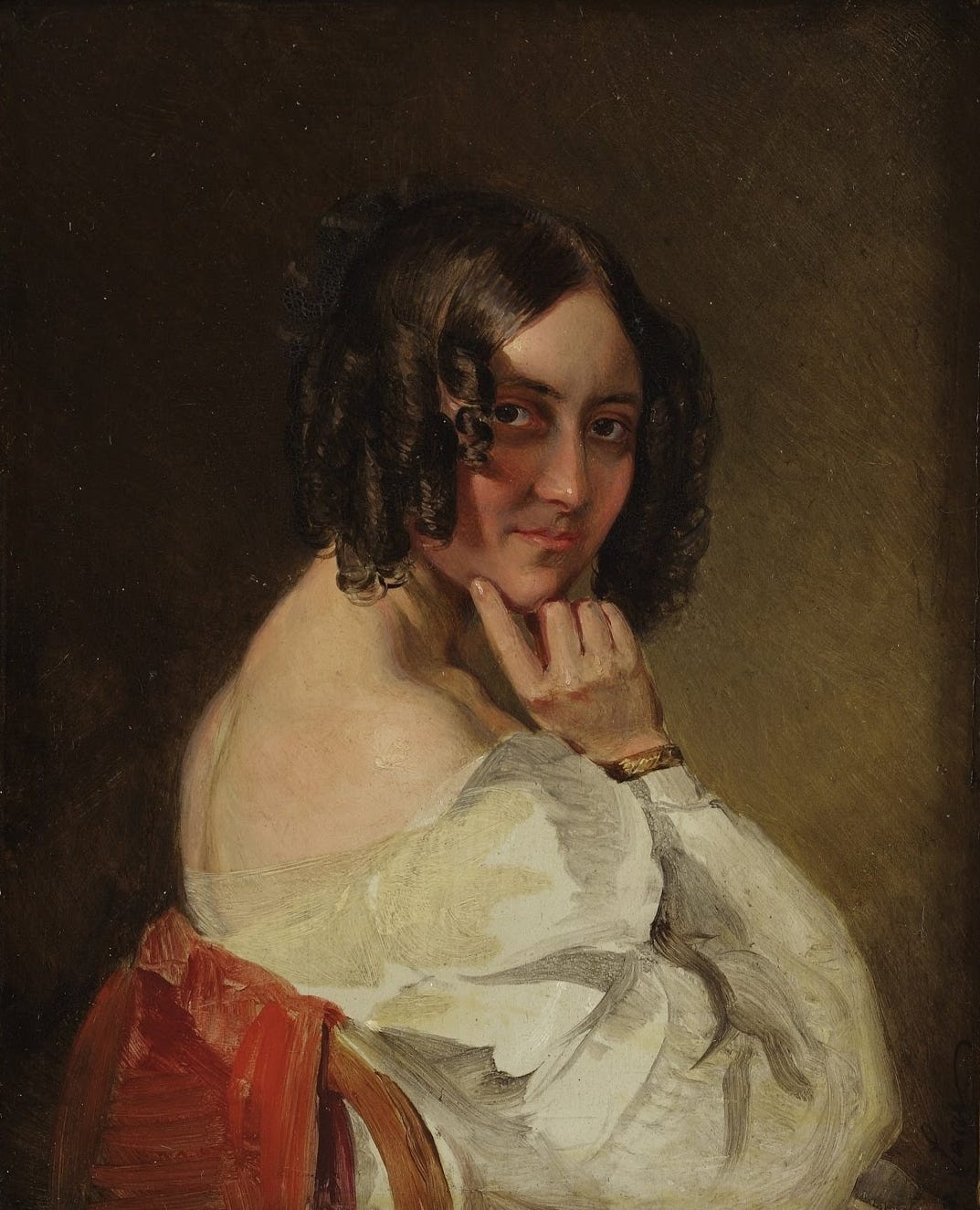
On the appointed evening, Gleichenstein is barely through the drawing-room door before he heads straight for the younger daughter. The elder is at the piano. She is eighteen, with dark curls, and she plays like a real musician.
Beethoven, who is thirty-nine, does not linger by the door. He crosses the room, takes a chair right beside the keyboard, and keeps his head bent toward the instrument until she has finished.
When the last chord has died away, she turns to him.
“What should I work on now?”
“I’ll send you some pieces.”
All evening, they talk of nothing but music.
In the days that follow, Beethoven goes back to the Malfattis’ several times. A few weeks later he writes to Gleichenstein, who brought him there. Thank you for introducing me to that house. I am so happy when I am with them. The wounds that wicked people have inflicted on his soul, he adds, might heal there.
One spring evening, alone at home, he sits down at the same desk, but not to write a letter. He has laid out a large folded sheet of music paper, and with a fine-nibbed pen and brown ink he writes out a short piece for piano, in A minor.
He crosses out a measure, abandons a passage, tries another, starts over from the top, until the sheet is a thicket of corrections: a rough draft.
The notes run across the staff: E, D-sharp, E, D-sharp, E, then B, D, C, A. Two neighboring notes rocking back and forth, again and again, then a phrase that falls.
In May, the whole Malfatti family moves to the country, to a village south of Vienna, and Beethoven stays in town. He has not yet given the young pianist the pieces he promised her. He will send them by mail.
The draft is still on his desk. He takes a fresh sheet of music paper, lays it alongside, and copies out the little piece in A minor cleanly, measure by measure, with no cross-outs. The draft goes back among his papers. The clean page, the fair copy, joins the other pieces in the package.
Beethoven adds a letter for the young pianist. Here is what I promised you, he writes. He urges her not to neglect her piano, since she has such a fine gift for music, and offers to send books to read in the country: a novel by Goethe, the plays of Shakespeare.
I am leading a very solitary and quiet life, he goes on. Since you all left Vienna, I feel an emptiness within me. Even his music, usually so faithful, has not yet made him forget it.
He signs, then rereads the first line of the letter.
Esteemed Therese.
He folds the letter and seals it.
Therese. Not Elise.
No one in Beethoven’s circle is known to have been called Elise.
So who is Elise?
What You’ll Discover
Did Beethoven win Therese over?
What became of Therese?
Was the little piece a declaration of love?
How did the piece become so famous?
Who is Elise?