Who Was the Real Mona Lisa? The Woman Behind the Name

Most historians identify the Mona Lisa as Lisa Gherardini, the wife of Florentine silk merchant Francesco del Giocondo. A note found in a Heidelberg library in 2005, written by a Florentine official in 1503, confirmed Leonardo was working on her portrait at that time.

Rival theories, including Isabella of Aragon and a disguised self portrait of Leonardo himself, still circulate but have far less supporting evidence.

I think the Heidelberg note settled the Lisa Gherardini question about as firmly as a five hundred year old mystery can be settled, yet the alternative theories never really went away, probably because a merchant's wife is a less interesting answer than a secret mistress or a hidden self portrait. The documented life of the real Lisa Gherardini, married young, several children, widowed, and finishing her years in a convent, is honestly more interesting to me than the myths built to replace her.

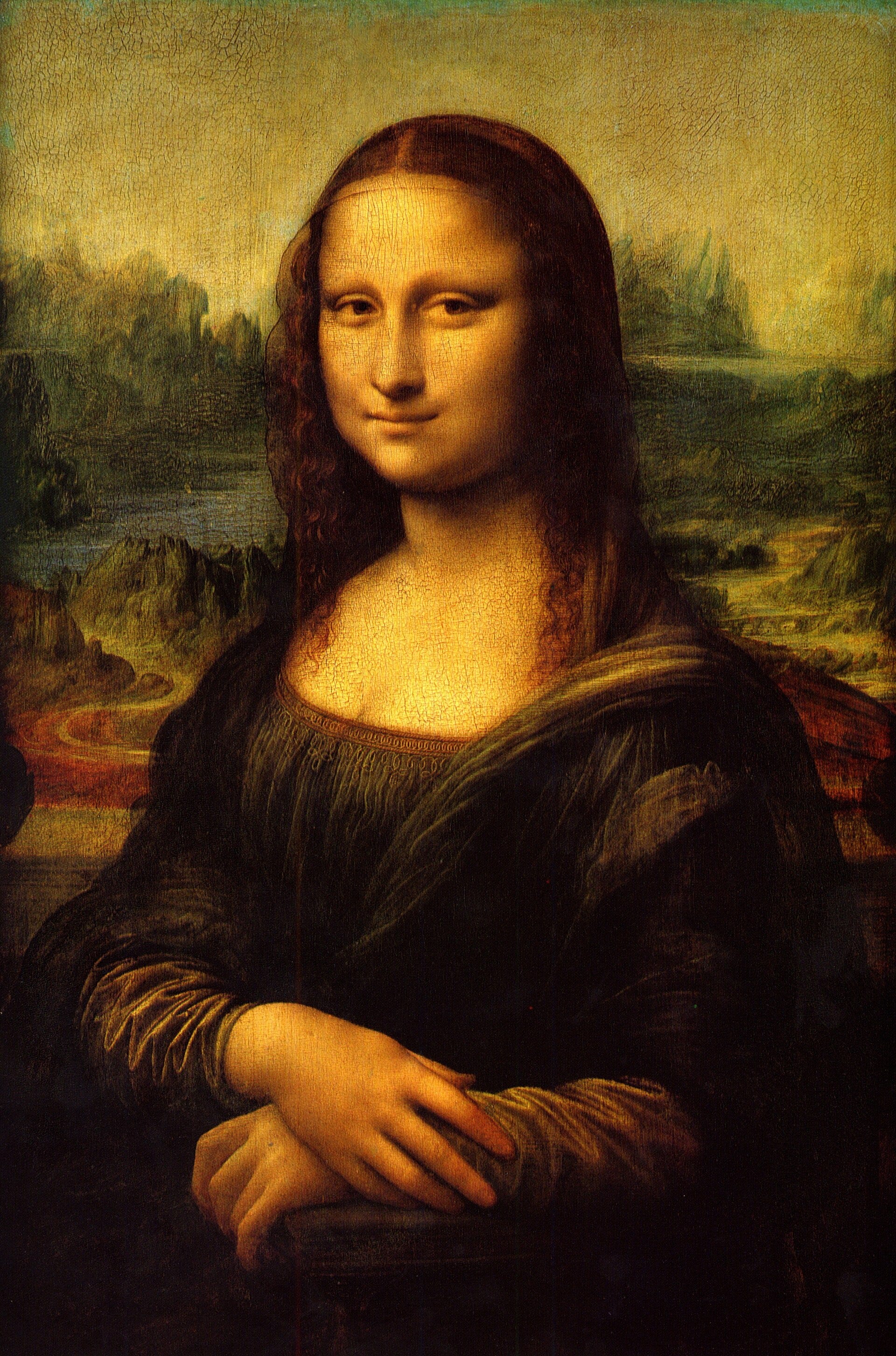
The Mona Lisa portrait by Leonardo da Vinci
The portrait now widely identified as Lisa Gherardini, painted by Leonardo da Vinci.

Learn art the fun way. Free stories every week, no boring lectures.


The Leading Theory: Lisa Gherardini

The most widely accepted answer is that the Mona Lisa depicts Lisa Gherardini, the wife of a Florentine silk merchant named Francesco del Giocondo.

That is also where the painting's Italian name, La Gioconda, comes from, since Gioconda was a play on her married surname.

This identification is the one most museums and scholars now treat as settled, though it took centuries to confirm with real evidence.

Photograph of the University of Heidelberg library building
The library where the 1503 marginal note identifying the sitter was found in 2005.

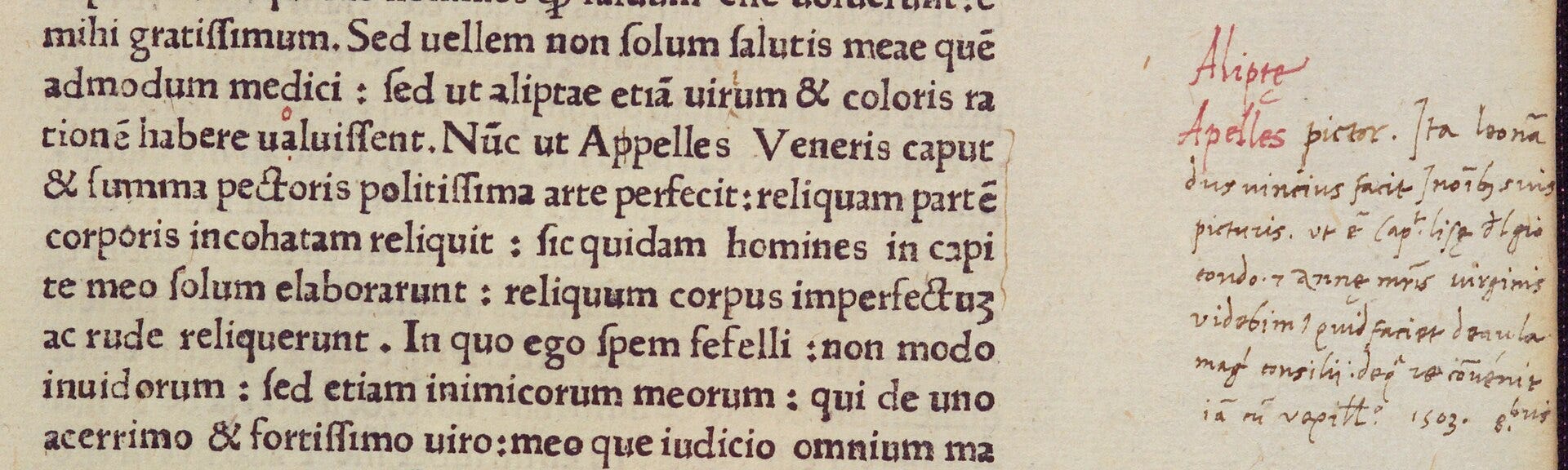
The 2005 Note That Changed the Debate

In 2005, a researcher at the University of Heidelberg found a handwritten note in the margin of a book owned by a Florentine official named Agostino Vespucci.

Dated October 1503, the note compares Leonardo to a famous ancient painter and mentions that he was working on a portrait of Lisa del Giocondo at the time.

Because it was written by someone alive and connected to Florence at the exact moment the painting was likely begun, historians treat it as strong direct evidence.

Who Lisa Gherardini Actually Was

Lisa Gherardini was born in Florence in 1479 into a family with a respected name but limited money.

She married Francesco del Giocondo, a wealthy silk merchant considerably older than her, becoming his third wife while still a teenager.

She had several children with him and lived a fairly typical life for a woman of her social class in Renaissance Florence.


More on the Mona Lisa and Her Many Mysteries


Why Leonardo Never Delivered the Painting

One detail rarely explained clearly is that Leonardo never handed the finished portrait over to the Giocondo family.

He kept working on it and carried it with him for years, eventually taking it to France when he moved there late in life.

It ended up in the French royal collection, likely sold or given to King Francis I, which is how the Mona Lisa became French property rather than Italian.

Renaissance portrait painting of Isabella of Aragon
Isabella of Aragon, the subject of a rival but less supported identity theory.

The Isabella of Aragon Theory

Not every historian accepts the Gherardini identification without question. One long standing alternative names Isabella of Aragon, a Duchess of Milan with ties to Leonardo's patrons.

Supporters of this theory point to Leonardo's connections at the Milanese court, where he worked for years before returning to Florence.

The theory has never produced anything close to the direct written evidence behind the Gherardini identification, which is why most scholars rank it as a distant second.


Cool Stories About Art is a free newsletter. The stories behind the paintings, straight to your inbox.


The disguised self portrait idea

A more unusual theory argues the painting is a disguised self portrait of Leonardo, based on digital comparisons of facial proportions.

Researchers who support this idea point to similarities between the Mona Lisa's features and Leonardo's own likeness in other drawings.

Mainstream art historians generally treat this as speculative, interesting as a curiosity but far short of proof.

Vasari's Secondhand Account

Much of what people think they know about the Mona Lisa's identity traces back to Giorgio Vasari, who wrote about Leonardo decades after the painting was made.

Vasari never saw the actual painting himself and was writing from secondhand accounts and reputation rather than direct observation.

That gap is part of why the identity question stayed open for so long, since the most quoted early source was not a firsthand witness.

Exterior photograph of the Uffizi Gallery in Florence
Florence, the city where Lisa Gherardini lived most of her life.

What Happened to Lisa Gherardini's Remains

Lisa Gherardini outlived her husband and spent her final years at the convent of Sant Orsola in Florence, where her daughter was a nun.

She died in 1542, in her early sixties, well before the painting achieved anything like its later fame.

A 2015 excavation at the former convent site searched for remains believed to be hers, though the results were not conclusive enough to confirm identity through DNA.


Another story worth your time


Questions About the Mona Lisa's Real Identity

  • Who is the woman in the Mona Lisa?
    Most historians identify her as Lisa Gherardini, the wife of a Florentine silk merchant named Francesco del Giocondo.

  • What proof is there that the Mona Lisa is Lisa Gherardini?
    A 1503 marginal note found in Heidelberg in 2005 records that Leonardo was working on her portrait at that time.

  • Why is the Mona Lisa also called La Gioconda?
    Gioconda comes from her married surname, del Giocondo, and is the painting's traditional Italian title.

  • Did Leonardo ever give the painting to Lisa Gherardini's family?
    No. He kept it and eventually took it to France, which is why it ended up in the French royal collection.

  • Is Isabella of Aragon a serious theory for the Mona Lisa's identity?
    It is a long standing alternative theory, but it lacks the direct documentary evidence that supports the Gherardini identification.

  • Is the Mona Lisa a self portrait of Leonardo?
    Some researchers have proposed this based on facial comparisons, but most art historians consider it speculative.

  • How old was Lisa Gherardini when she died?
    She died in 1542 in her early sixties, decades before the painting became widely famous.

  • Where was Lisa Gherardini buried?
    She likely spent her final years at the convent of Sant Orsola in Florence, though her exact burial site has not been confirmed with certainty.


Join 170,000 readers learning art the fun way. Free stories every week, no boring lectures.