Why Is Andy Warhol Famous? The Real Story

Andy Warhol became famous by turning everyday, mass produced images, Campbell's Soup cans, Marilyn Monroe photos, dollar bills, into fine art starting in the early 1960s.

As the leading figure of American Pop Art, he built a studio called the Factory, founded Interview magazine, and managed the Velvet Underground before his death in 1987.

The first time I actually looked closely at one of Warhol's soup cans in person, I expected to feel nothing. Instead I noticed how precise and controlled it was, not sloppy the way reproductions online make it look. It changed how I read the rest of his work.

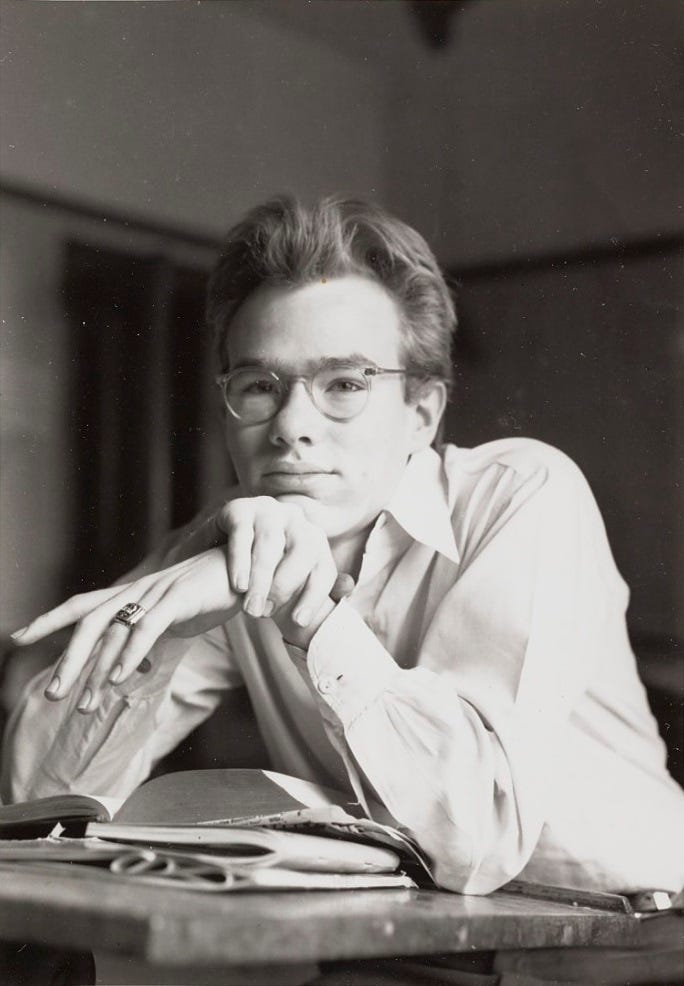
Photograph of Andy Warhol
A photograph of Andy Warhol; his paintings remain under copyright and cannot be shown here

Learn art the fun way. Free stories every week, no boring lectures.


The short answer

Andy Warhol is famous for turning ordinary, mass produced images, soup cans, celebrity portraits, dollar bills, into fine art, and for building an entire persona and studio around that idea.

He was born Andrew Warhola Jr in Pittsburgh in 1928 and became the most recognized figure of American Pop Art starting in the early 1960s.

By the time he died in 1987, he had reshaped how people think about art, celebrity, and repetition itself.

The city of Pittsburgh
Warhol was born Andrew Warhola Jr in Pittsburgh in 1928

From commercial illustrator to fine artist

Before Warhol was a fine artist, he worked as a commercial illustrator in New York, drawing shoes and ads for magazines through the 1950s.

That background shaped everything that came after. He brought an advertising eye, bright colors, repeated images, instantly readable subjects, into gallery spaces that had never used it that way before.

Critics at the time were not always kind. Some dismissed his work as too commercial to count as real art, which was exactly the line Warhol liked to blur.

Campbell's Soup Cans and the birth of Pop Art

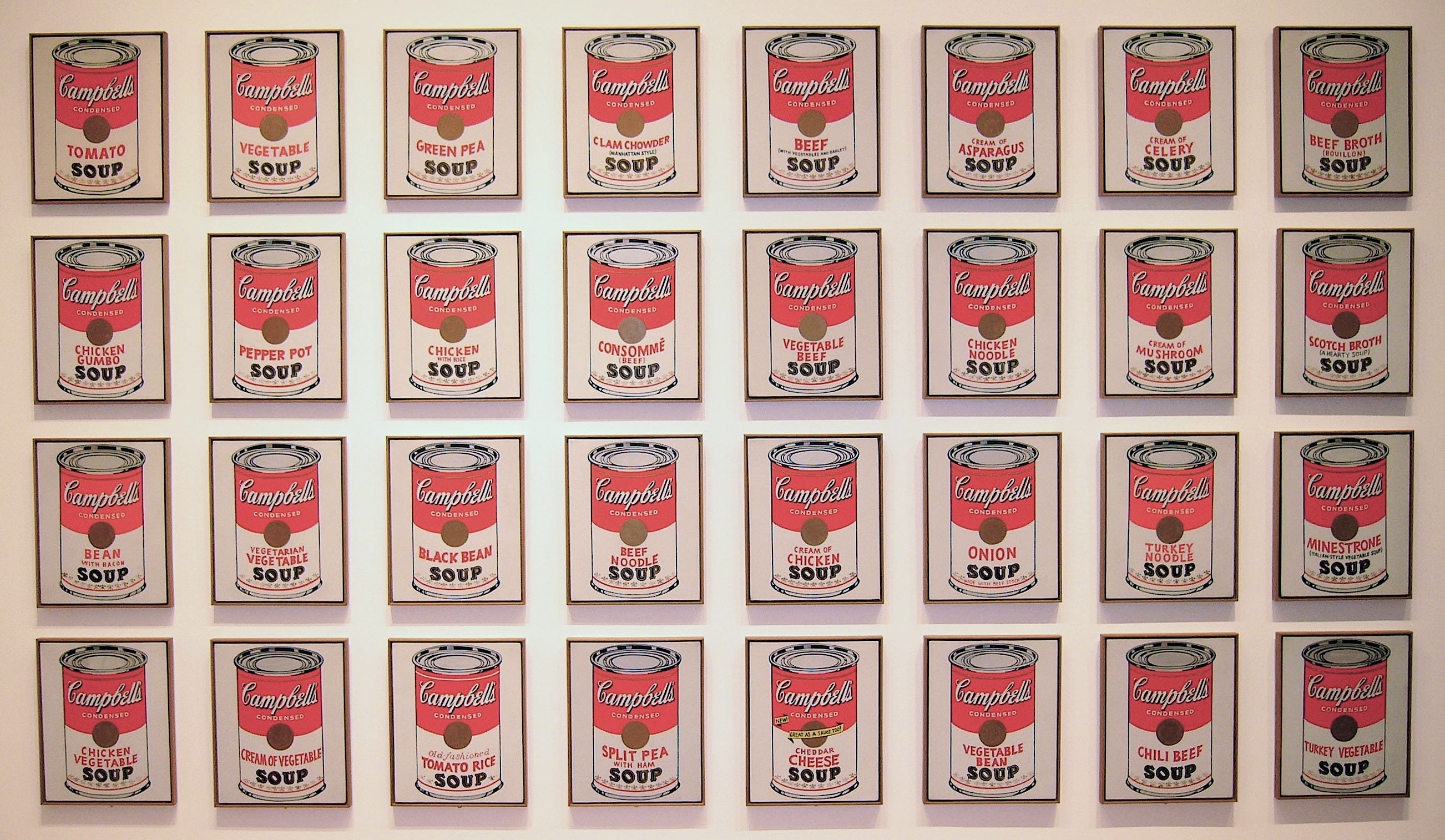
In 1962, Warhol showed 32 paintings of Campbell's Soup cans, one for each flavor the company sold at the time, at a Los Angeles gallery.

The show surprised people. Painting a grocery store product with the same care usually reserved for portraits or landscapes felt like a joke to some critics and a real statement to others.

That series is usually pointed to as the moment American Pop Art arrived as a serious movement, with Warhol as its most visible name.


More pop art and modern icons


Marilyn Monroe and the silk screen method

After Marilyn Monroe died in 1962, Warhol began making silk screen portraits of her based on a single publicity photo, repeated in different color combinations.

The silk screen process let him produce an image again and again with slight variations, almost like a factory line instead of a single brushstroke.

He used the same method on other famous faces and objects, dollar bills, Coca Cola bottles, Elvis Presley, turning fame and mass production into the actual subject of the work.

The building that housed Warhol's Factory
The building in New York that housed Warhol's studio, known as the Factory

Inside the Factory

Warhol's New York studio, known as the Factory, became a gathering point for artists, musicians, actors, and people who were simply famous for being interesting.

It operated almost like an assembly line for his silk screen work, with assistants helping produce paintings and prints in volume.

The Factory was also where Warhol made experimental films and hosted a rotating cast of personalities he called his superstars.

15 minutes of fame

Warhol is often credited with the line that in the future, everyone will be world famous for 15 minutes.

The phrase captured something he seemed to see coming, a media culture where fame could be brief, manufactured, and available to almost anyone, not just movie stars.

Decades later, with social media turning ordinary people into temporary celebrities overnight, the line gets quoted more than almost anything else Warhol ever said.


Cool Stories About Art is a free newsletter. The stories behind the paintings, straight to your inbox.


Interview magazine and the Velvet Underground

In 1969, Warhol founded Interview magazine, built around long, casual conversations with celebrities and artists rather than traditional reporting.

He also managed the Velvet Underground in the mid 1960s, put his name on their first album cover, and folded the band into his wider multimedia shows.

Both projects show the same pattern. Warhol rarely worked in just one medium. He moved between painting, film, music, publishing, and pure self promotion at the same time.

The myth I want to clear up

People sometimes assume Warhol personally painted every soup can and Marilyn by hand, brush to canvas, the way older masters worked.

Much of his output came from the silk screen process and from assistants working at the Factory under his direction. Warhol was open about this. He wanted art to look mass produced, because that was the point he was making about American culture.

Treating him as a lone painter at an easel misses what actually made him significant.

A view of New York City
Warhol built his career in New York City and died there in 1987

His death in 1987

Andy Warhol died on February 22, 1987, in New York, after complications from gallbladder surgery.

A memorial service was held at St Patrick's Cathedral in Manhattan, attended by more than 2,000 people, including many of the collaborators who had passed through his career.

He was 58. His work has only grown more valuable and more referenced since.


Another story worth your time


Why Andy Warhol is famous: questions people ask

  • When did Andy Warhol die?
    He died on February 22, 1987, in New York, after complications from gallbladder surgery.

  • What is Andy Warhol most famous for?
    His 1962 Campbell's Soup Cans series and his silk screen portraits of Marilyn Monroe, both landmark works of American Pop Art.

  • What was the Factory?
    Warhol's New York studio, where he produced silk screen art with a team of assistants and hosted artists, musicians, and film subjects he called his superstars.

  • Did Andy Warhol really say everyone gets 15 minutes of fame?
    The line is widely credited to him and appeared in a 1968 exhibition catalog, describing a future where fame becomes brief and available to almost anyone.

  • Did Warhol manage a band?
    Yes. He managed the Velvet Underground in the mid 1960s and put his banana design on their first album cover.

  • What magazine did Andy Warhol start?
    Interview magazine, which he founded in 1969, built around long conversations with celebrities and artists.

  • Did Warhol paint everything by hand?
    No. Much of his output used the silk screen printing process and Factory assistants, a method he was open about and treated as part of the work's meaning.

  • Where was Andy Warhol born?
    Pittsburgh, Pennsylvania, in 1928, where he was born Andrew Warhola Jr before moving to New York.


Join 170,000 readers learning art the fun way. Free stories every week, no boring lectures.