Why Is The Persistence of Memory So Famous?

The Persistence of Memory is famous not because it is large, it measures about 24 by 33 centimeters, but because it landed at the Museum of Modern Art in 1934, rode Salvador Dali's very public persona, and has been parodied in cartoons and ads for decades, which keeps sending people back to the original.

This painting is smaller than a sheet of paper, and I think that is the whole point of its fame. It did not conquer the world by scale. It landed in the right museum in 1934, rode Dali's talent for being impossible to ignore, and got copied so often that the copies keep sending people back to the original. Fame here was built outside the frame, not inside it.

Photograph of Salvador Dali
Salvador Dali. The painting is under copyright, so this is a photograph of the artist

Learn art the fun way. Free stories every week, no boring lectures.


A painting smaller than this page, everywhere in the world

Type Salvador Dali into an image search and this painting is usually the second or third result, right after his moustache. That reach did not happen by accident, and it did not happen because the painting is enormous.

Looking at how paintings actually build an audience over time, the fame here came from three things working together. A small museum wall, a very public artist, and constant copying. Size was never one of them.

The size surprises almost everyone

The Persistence of Memory measures about 24 by 33 centimeters, smaller than a standard sheet of printer paper.

People expect a mural. They get something closer to a postcard, painted with the same tight control Dali used for his most detailed surrealist work.

That gap between expectation and reality is part of the story. A painting this recognizable should, by instinct, be huge. It is not, and the mismatch is exactly what makes people talk about it in front of the actual canvas.

How it reached MoMA, and why that mattered

The Museum of Modern Art in New York received the painting as an anonymous gift in 1934, only three years after Dali finished it.

MoMA was still a young institution, working to build an audience for modern art in America. Hanging a small, strange, instantly readable painting was a smarter bet than hanging something monumental, and Dali became one of the artists you need to know because of it.

It fit in every textbook, every postcard rack, every class slide, in a way a much larger canvas could not.


More iconic modern art


Dali's talent for being impossible to ignore

Salvador Dali did not just paint. He gave lectures in a diving suit, kept a moustache that pointed straight up, and answered interview questions with lines built for quoting.

The painting benefited from the man attached to it. People who had never set foot in a museum knew Dali's face before they knew his work, and The Persistence of Memory became the image people reached for once they wanted to picture what he actually made.

The Museum of Modern Art in New York
The Museum of Modern Art in New York, home to the original since a 1934 anonymous gift

Where the original actually hangs, a common mix up

A lot of people assume the melting watches live at the Dali museum in Spain, or at the Dali museum in Florida. Neither is correct.

The 1931 original has stayed at the Museum of Modern Art in New York since that 1934 gift. The museum in Saint Petersburg, Florida holds a different painting Dali made about twenty years later.

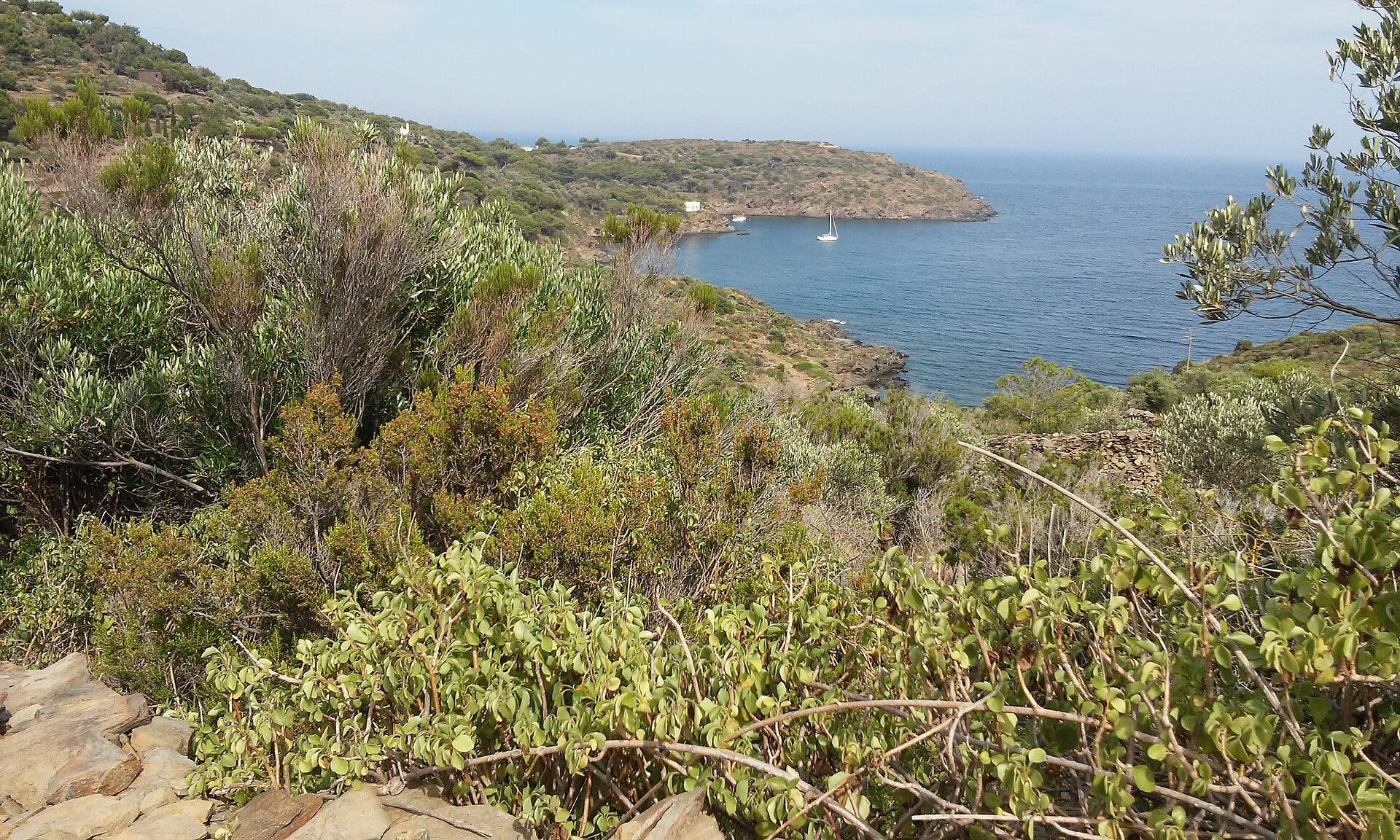
The bay of Port Lligat
Port Lligat, the coastline Dali kept returning to, including when he reworked this painting two decades later

The 1954 sequel nobody asked for

In the early 1950s, with the world newly aware of atomic physics, Dali reworked his own idea. The Disintegration of the Persistence of Memory shows the same beach and the same watches, except everything is breaking apart into floating blocks.

He was in his fifties, still rebuilding a painting from his twenties, which tells you how much weight he personally put on the original. Few artists return to their most famous image and take it apart on purpose.


Cool Stories About Art is a free newsletter. The stories behind the paintings, straight to your inbox.


Endless parody, endless free advertising

Melting watches have been redrawn in cartoons, printed on shirts, and referenced in advertising for decades. They have shown up on album covers too, in ways that go well past a passing homage.

Every parody, even a bad one, sends people back to the original to check what it actually looked like. A joke about melting clocks only works if the audience already recognizes the source, which reinforces the source every time someone mocks it.

Rock formations at Cap de Creus
Cap de Creus, whose rock formations shaped the strange central creature that made the image so easy to recognize

Why surrealism needed a face, and this became it

Surrealism as a movement is hard to summarize in one sentence. Automatic writing, dream logic, chance and the unconscious do not compress into a single image easily.

Melting watches do. This is one of those paintings that hides more than it first shows, which gives it staying power that pure shock value never could, and it handed a whole movement a picture simple enough for a textbook cover.

The short version

The Persistence of Memory got famous because a small, oddly personal painting landed in the right museum at the right time, attached to an artist who never let people forget his name, and it kept getting copied for most of a century.

None of that required a large canvas. It required being impossible to forget once you had actually seen it.


Keep exploring Cool Stories About Art


Why The Persistence of Memory is famous: questions people ask

  • Why is The Persistence of Memory so famous?
    A small, strange, easily recognized painting landed at the Museum of Modern Art in 1934, attached to an artist skilled at self promotion, and it has been copied and parodied ever since.

  • How big is The Persistence of Memory really?
    About 24 by 33 centimeters, smaller than a sheet of printer paper, which surprises most visitors expecting a large canvas.

  • Where is the original Persistence of Memory located?
    At the Museum of Modern Art in New York, which has held it since receiving it as an anonymous gift in 1934.

  • Is The Persistence of Memory at the Dali museum in Florida?
    No. The museum in Saint Petersburg, Florida holds The Disintegration of the Persistence of Memory, a different painting Dali made in the 1950s.

  • What is The Disintegration of the Persistence of Memory?
    A 1954 painting where Dali reworked his own melting watches, breaking the scene into floating fragments.

  • Did Salvador Dali's personality help make the painting famous?
    Yes. His public showmanship kept his name and his best known image in front of people who had never visited a museum.

  • Why do so many parodies use melting clocks?
    Because the image is instantly recognizable, so a parody only needs a drooping watch to reference the whole painting, which sends attention back to the original.

  • What movement is The Persistence of Memory associated with?
    Surrealism. The painting gave the movement a single memorable image.


Join 170,000 readers learning art the fun way. Free stories every week, no boring lectures.