Why Is The Starry Night So Famous? The Real Story

The Starry Night is famous less for its swirls than for its story.

Van Gogh painted it inside an asylum, called it a failure in a letter to Theo, sold almost nothing while alive, and became MoMA's most requested painting decades after his death, helped along by a hit song.

I think the swirls get too much credit. What actually pulls people in is the mismatch between how sure Van Gogh was that he had failed and how sure the rest of us are now that he succeeded. The invented village bothers me less than people expect it to. A painter working from memory inside an asylum was never going to hand you a postcard, and the fact that he did not is the more interesting version of the story.

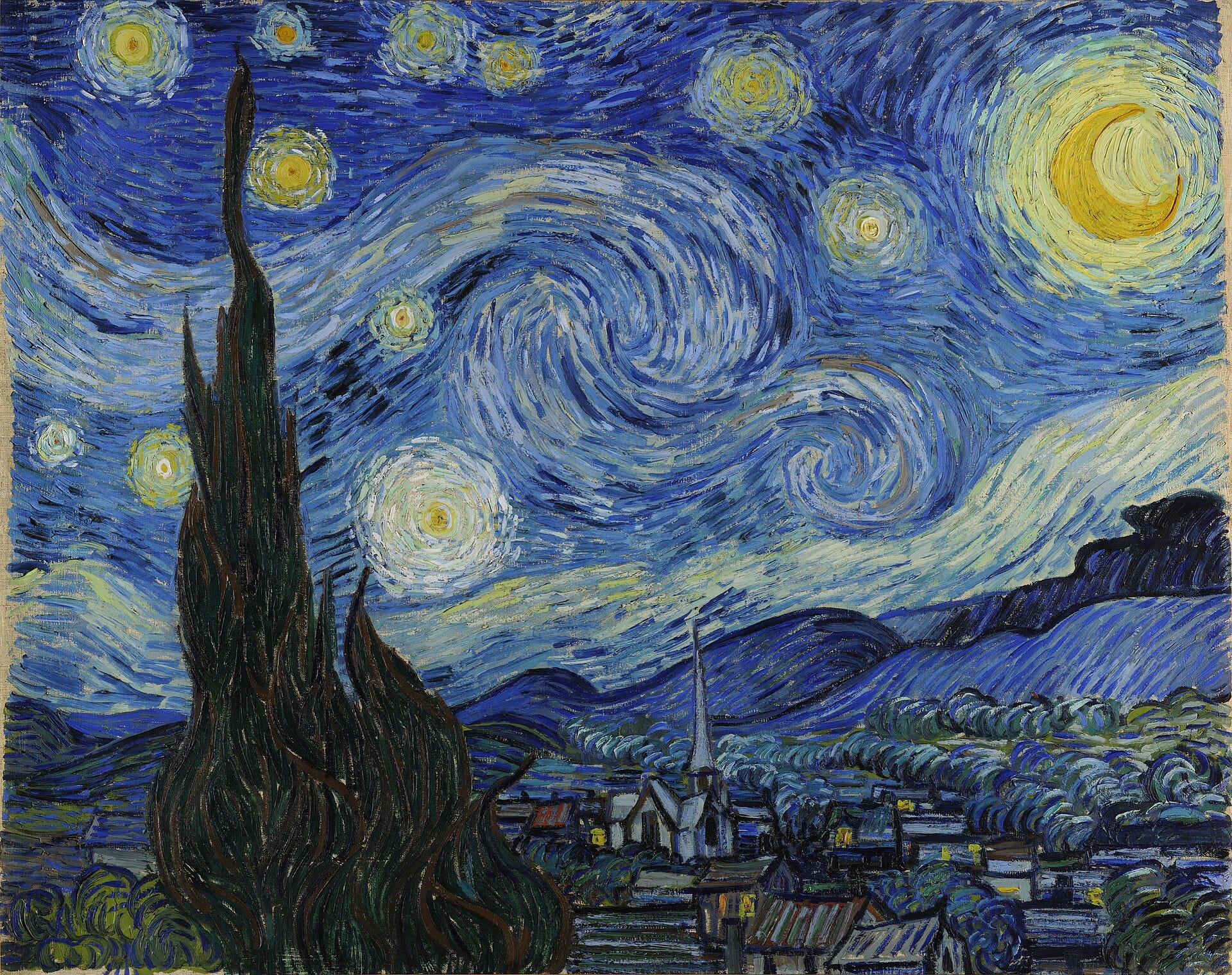
The Starry Night by Vincent van Gogh, oil on canvas, 1889
Van Gogh painted this in June 1889 at the asylum in Saint Remy de Provence. It has hung at the Museum of Modern Art in New York since 1941.
Van Gogh painting of the asylum garden at Saint Paul de Mausole
Van Gogh painted the hospital grounds during the same stay at Saint Remy, working from what he could actually see.

Learn art the fun way. Free stories every week, no boring lectures.


A Window That Was Not Really a Window

Van Gogh painted The Starry Night in June 1889 inside the asylum of Saint Paul de Mausole, in Saint Remy de Provence. He had checked himself in after cutting off part of his own ear months earlier.

The staff would not let him paint inside his room, so the view through the barred window became something he worked from memory rather than something he copied on the spot.

The church spire in the finished painting matches no building near the asylum. The whole village underneath that sky is invented, pieced together from sketches, memory, and the Dutch church towers he grew up looking at.

The Letter Where Van Gogh Called It a Failure

Van Gogh wrote to his brother Theo about the painting soon after finishing it, and he was not proud of what he had made.

He described it as a failure and said he preferred his calmer daytime studies of the same landscape, the ones closer to what he could actually see out the window.

That letter matters because it cuts against the modern idea of Starry Night as an instant masterpiece. The man who painted it did not think he had gotten it right, and he said so in writing.

Van Gogh self portrait painted the same year as The Starry Night
Van Gogh painted this self portrait in 1889, the same year he could barely give his own paintings away.

A Painter Who Sold Almost Nothing

During his lifetime, Van Gogh's paintings barely moved. He depended on his brother Theo, an art dealer in Paris, to cover rent, paint, and food.

Starry Night went unsold and mostly unseen outside a small circle of family and fellow painters. Van Gogh died in 1890, a little over a year after finishing it, without knowing what it would become.

The gap between that obscurity and the painting's current fame is part of why people keep retelling his story. A man who could barely give his work away produced the picture that now defines what a masterpiece is supposed to look like.


More Van Gogh Reads From Cool Stories About Art


How a Failed Painting Became the Anchor of MoMA

The Museum of Modern Art in New York acquired The Starry Night in 1941, more than fifty years after Van Gogh's death.

From that point on, it sat inside one of the most visited museums on earth, reproduced in catalogs and postcards long before the internet existed to spread it further.

A painting Van Gogh dismissed in a letter to his brother became the single work most visitors now ask to see first when they walk through MoMA's doors.

The Song That Introduced Starry Night to Millions

In 1971, Don McLean released Vincent, a song built around the painting and opening with the line starry starry night.

The song reached people who had never set foot in an art museum. It folded Van Gogh's biography, his mental illness, and his death into a few minutes of melody that radio stations played for years.

For a huge slice of that audience, the song came first and the painting came second. That order says a lot about how much of the painting's fame travels through channels that have nothing to do with galleries.


Cool Stories About Art is a free newsletter. The stories behind the paintings, straight to your inbox.


The Myth of the Misunderstood Genius

Van Gogh's story fits a shape people already love: the artist nobody understood while he was alive, recognized only after death.

That shape is not pure fiction. He did struggle with his health, he was poor, and he did die before the market caught up with him.

But the myth flattens a more complicated man into a single sad arc, and Starry Night became the image carrying that arc for millions of people who know almost nothing else about him.

What Makes It Recognizable at a Glance

The painting has a shape almost nobody confuses with anything else: a swirling sky, a crescent moon, a dark cypress tree reaching up on the left side of the canvas.

That visual signature reads clearly from across a room or on a phone screen the size of a stamp, which matters more today than it did in 1889.

It is not his only night painting either. That habit of dramatizing a night sky shows up again in Cafe Terrace at Night, painted the year before.

Van Gogh landscape with cypress trees from the same period as The Starry Night
Painted months after The Starry Night, this canvas shares the same swirling sky and cypress shapes.

Why It Still Gets Reproduced Everywhere

The Starry Night is public domain, so anyone can print it, sell it, or turn it into a mug without paying Van Gogh's estate a cent.

That single fact explains a lot of the saturation. Umbrellas, phone cases, socks, dorm posters, all of it flows from a copyright that expired decades ago.

Combine free use with a shape people recognize instantly and a story people already know, and you get a painting that keeps circulating long after any single museum show closes.


More to discover here


Straight Answers About Why The Starry Night Is Famous

  • Did Van Gogh paint The Starry Night from the actual view outside his window?
    No. He was not allowed to paint inside his room at the asylum, so he worked mostly from memory and imagination. The village underneath the sky is invented and matches no real place near Saint Remy.

  • Did Van Gogh think The Starry Night was a good painting?
    He called it a failure in a letter to his brother Theo, written soon after he finished it, and said he preferred his calmer daytime studies of the same landscape.

  • How many paintings did Van Gogh sell while he was alive?
    Almost none. He depended on his brother Theo to cover his basic living costs for most of his career, and Starry Night itself went unsold during his lifetime.

  • When did The Starry Night enter MoMA's collection?
    The Museum of Modern Art in New York acquired the painting in 1941, more than fifty years after Van Gogh died in 1890.

  • What role did the song Vincent play in the painting's fame?
    Don McLean's 1971 song Vincent, which opens with the line starry starry night, introduced the painting to a mass audience well beyond people who followed art museums.

  • Is the village shown in the painting a real place?
    No. The church spire matches no building near the asylum, and the whole village is a composite Van Gogh built from memory and earlier sketches.

  • Why is Starry Night considered Van Gogh's most famous painting?
    It combines an instantly recognizable style, a well documented backstory involving the asylum and his death, and free reproduction rights, all sitting inside one of the most visited museums in the world.

  • Where can I see The Starry Night today?
    It hangs at the Museum of Modern Art in New York, where it has been on view since 1941.


Join 170,000 readers learning art the fun way. Free stories every week, no boring lectures.