
William Hogarth (1697-1764) was an English painter and engraver who invented the modern picture story: a handful of scenes, in order, telling one life from its first mistake to its ruin.
A Harlot's Progress, A Rake's Progress and Marriage A-la-Mode made him the first English artist famous for his prints, Gin Lane made him the painter of London's worst streets, and a law of 1735 that still carries his name made him the man who won artists their first copyright. He is often called the father of the comic strip.
He put his own city on trial, and he made sure no one could copy the verdict.
Cool Stories About Art is a newsletter to learn art the fun way.
Join 200,000+ readers and get:
10 new art stories / month
The entire archive of content (1,000+ articles)
Comment, ask questions, and chat with other readers
In 1732 Hogarth published six engravings of a country girl who comes to London and dies there at twenty-three. He sold 1,240 sets to subscribers at a guinea a set. Soon the printsellers had cheaper, worse copies on the street, and he earned nothing from them. English law did not protect an artist's design, so he did the one thing left to him: he went to Parliament.
The Engravers' Copyright Act took effect on 25 June 1735, and it is still called Hogarth's Act. It was the first copyright law to cover visual art, and the first to recognize the rights of the person who made the work. The man behind it was a debtor's son. When he was a child, his father had been locked in the Fleet prison for years, and he never wrote a word about it.
What he drew instead, for the next thirty years, was a city of people undone by money, drink, marriage and vanity.
What You'll Discover
Whose daughter he married in secret.
Who Moll Hackabout was.
Why he was arrested at Calais.
What the mother in Gin Lane is doing.
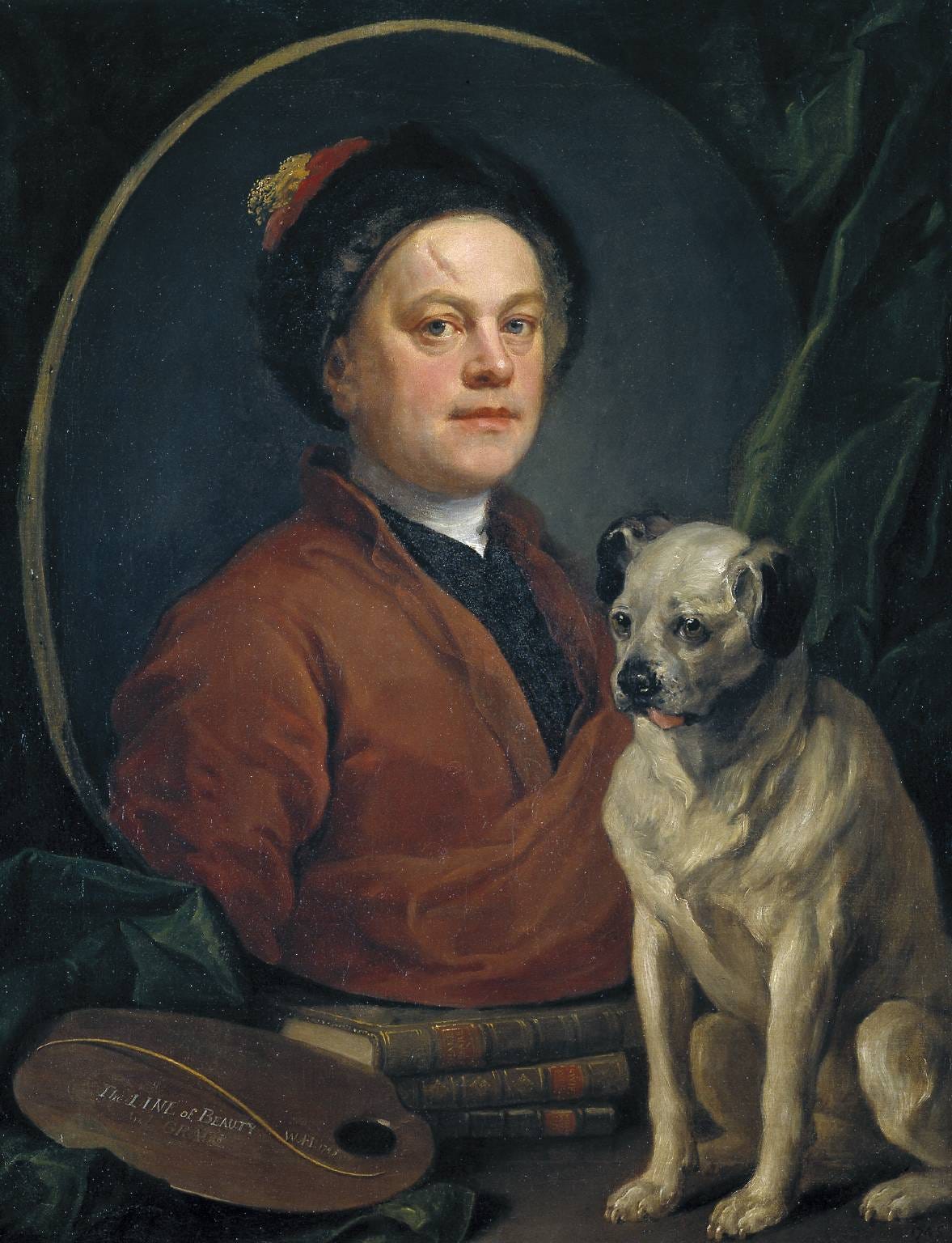
Why a pug sits beside his palette.