Zeuxis: The Complete Story

Zeuxis was an ancient Greek painter of the 5th century BCE, famous for painting grapes so real that birds flew down to eat them. Not one of his works survives.

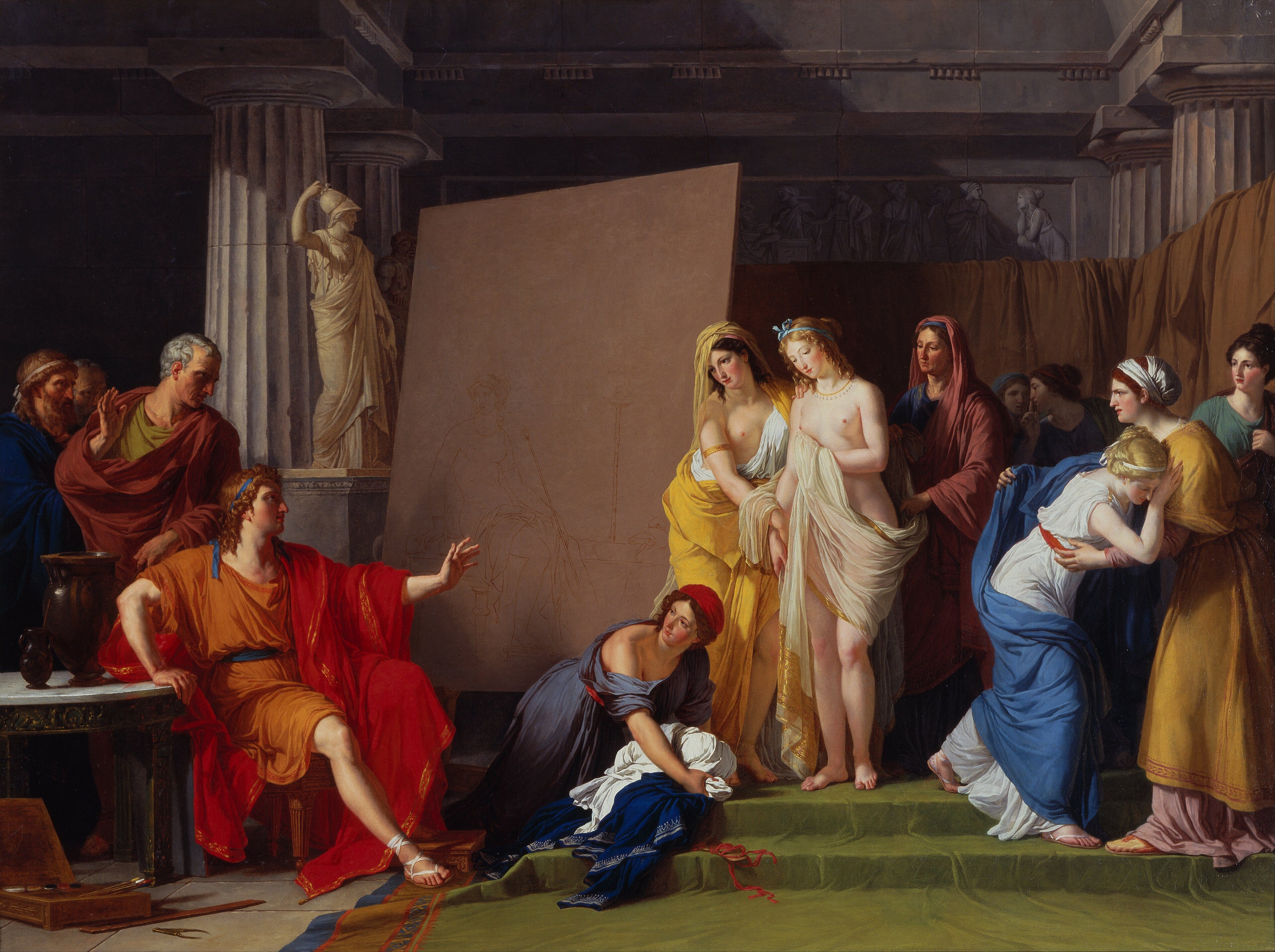
François André Vincent Zeuxis Choosing his Models for the Im
François André Vincent Zeuxis Choosing his Models for the Image of Helen from among the Girls of Croton Google

We know him only through stories, and those stories shaped how the West thinks about illusion in art.

He is the most famous painter with nothing left to show. That paradox is the whole point. Here is what the legend says.


Curious about painters like Zeuxis? Get art stories in your inbox, free.


The most famous painter with no paintings

Zeuxis came from Heraclea and worked across the Greek world around 430 to 390 BCE. In his own time he was rich, proud and celebrated.

Everything we have is secondhand, written down centuries later by Roman authors like Pliny the Elder. The paintings themselves are long gone.

The grapes that fooled the birds

The most famous tale is a contest with a rival painter, Parrhasius. Zeuxis painted grapes so convincing that birds flew at the panel to peck them.

Sure of victory, he told Parrhasius to pull back the curtain covering his rival's picture. But the curtain was the painting. Zeuxis had fooled birds; Parrhasius had fooled a fellow master, and won.

That story is the founding myth of trompe l'oeil, art that tricks the eye into seeing real things.

The five girls who became one Helen

Vincent Zeuxis et les filles de Crotone 05

Asked to paint Helen of Troy, the most beautiful woman alive, Zeuxis decided no single model was perfect enough.

So he studied five young women and combined the best feature of each into one ideal figure. The anecdote became a classic lesson: art improves on nature rather than just copying it.

How we know him at all

Zeuxis sits at the root of Western painting, yet he is pure report. Pliny and other writers described his skill, his pride and his prices, but no Greek panel painting of his age survives.

It is a strange kind of fame: total influence, zero evidence. We trust the legend because later artists kept chasing what it promised.


Join 130,000 readers who get the story behind the paintings. Free.


The painter who died laughing

Jacques Albert Senave Zeuxis mg 3027

One last tale says Zeuxis painted a comic picture of an old woman and laughed so hard at his own work that he died.

True or not, it fits the man the stories describe: confident to the end, in love with his own cleverness.

Why he still matters

Every painter who ever tricked your eye owes something to Zeuxis. The lifelike still life, the painted fly you try to brush away, the shadow that looks real, all descend from his grapes.

When Caravaggio made fruit you could almost taste, he was answering a challenge first told about Zeuxis. You can read how that drive for realism played out in the complete story of Caravaggio.

The rivalry that outlived him

Zeuxis belonged to a fierce generation of Greek painters who competed openly for fame. His duel with Parrhasius was only the most famous of many such contests.

A generation later came Apelles, court painter to Alexander the Great and the most celebrated of all. Like Zeuxis, Apelles survives only in words. Ancient Greek painting, prized above sculpture by some writers, has almost entirely vanished.

Zeuxis, questions people ask

  • Who was Zeuxis? A celebrated Greek painter of the 5th century BCE, known only through ancient writers.

  • What was he famous for? Painting grapes so real birds tried to eat them, and the contest with Parrhasius.

  • Do any of his paintings survive? No. Not a single work remains. We know him only from later texts.

  • How did Zeuxis die? Legend says he laughed himself to death at his own comic painting of an old woman.

  • How do you say Zeuxis? Roughly ZOOK sis.


If the legend of Zeuxis pulled you in, you will love these too:


Great paintings, better stories. Free, twice a week.