
What Is Impasto?
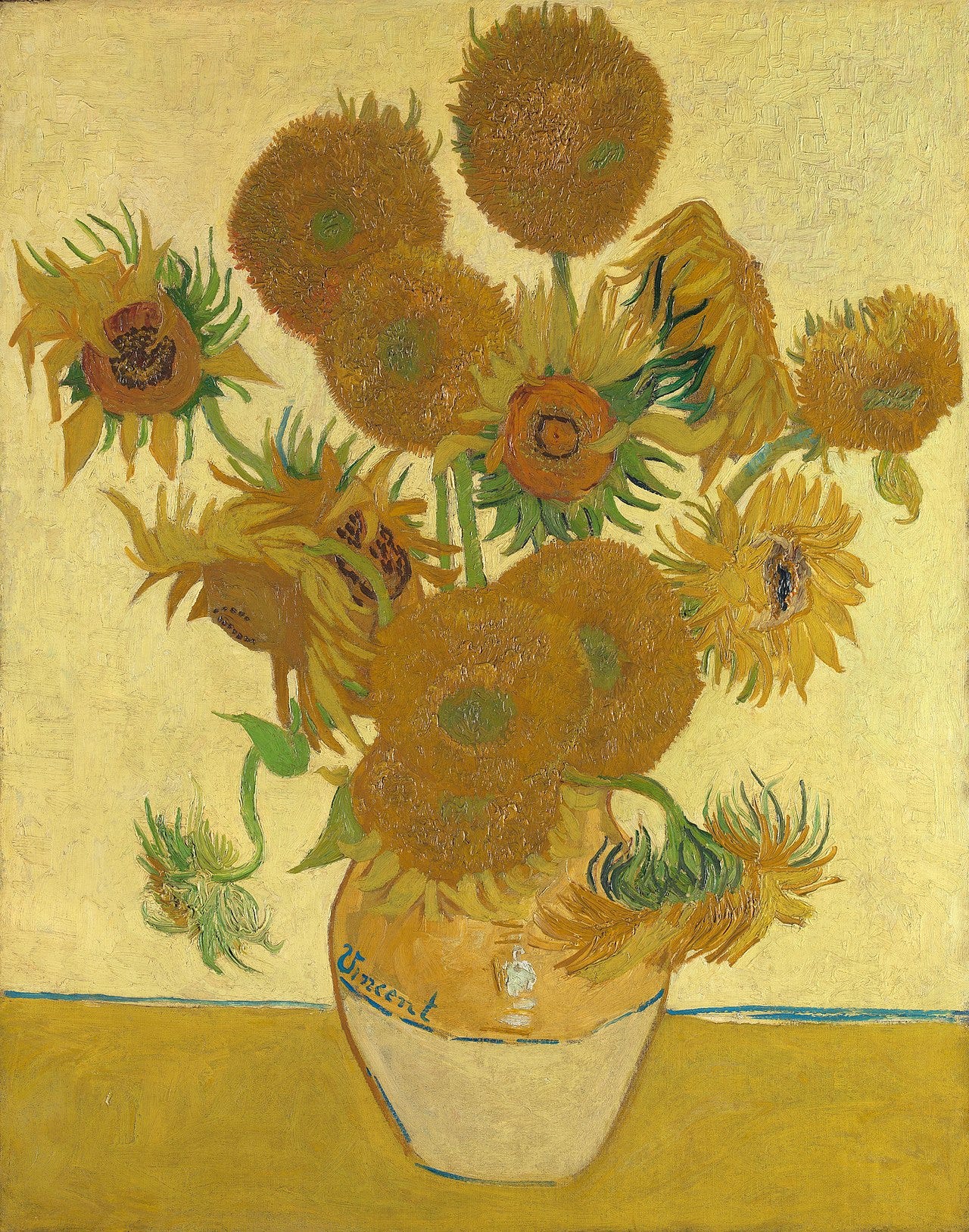
Impasto is paint applied so thickly that it stands up off the surface in visible ridges, keeping every mark of the brush or palette knife. Because the paint is raised, it catches real light and throws tiny shadows, so the picture has an actual physical texture you could feel with a fingertip.
Most paint lies flat.
Impasto refuses to.
Impasto in one look
What it is: paint laid on thick enough to stand off the surface.
The effect: real ridges that catch light and cast small shadows.
The tools: a loaded brush or a palette knife.
The feel: sculptural, energetic, full of the artist's hand.
The masters: Rembrandt, Frans Hals and Van Gogh.
Paint you can see in relief
Flat, smooth painting hides the hand. Impasto shows it.
When paint is piled on thickly, it holds the exact shape of the stroke that put it there: the drag of a bristle, the slice of a knife, the dab of a thumb. Light hits those ridges from the side and they glint, while the valleys fall into shadow. The surface stops being a window and becomes an object, almost a low relief.
You are no longer just looking at a picture. You are looking at dried movement.
Rembrandt's buried light
Rembrandt used impasto like a secret weapon.
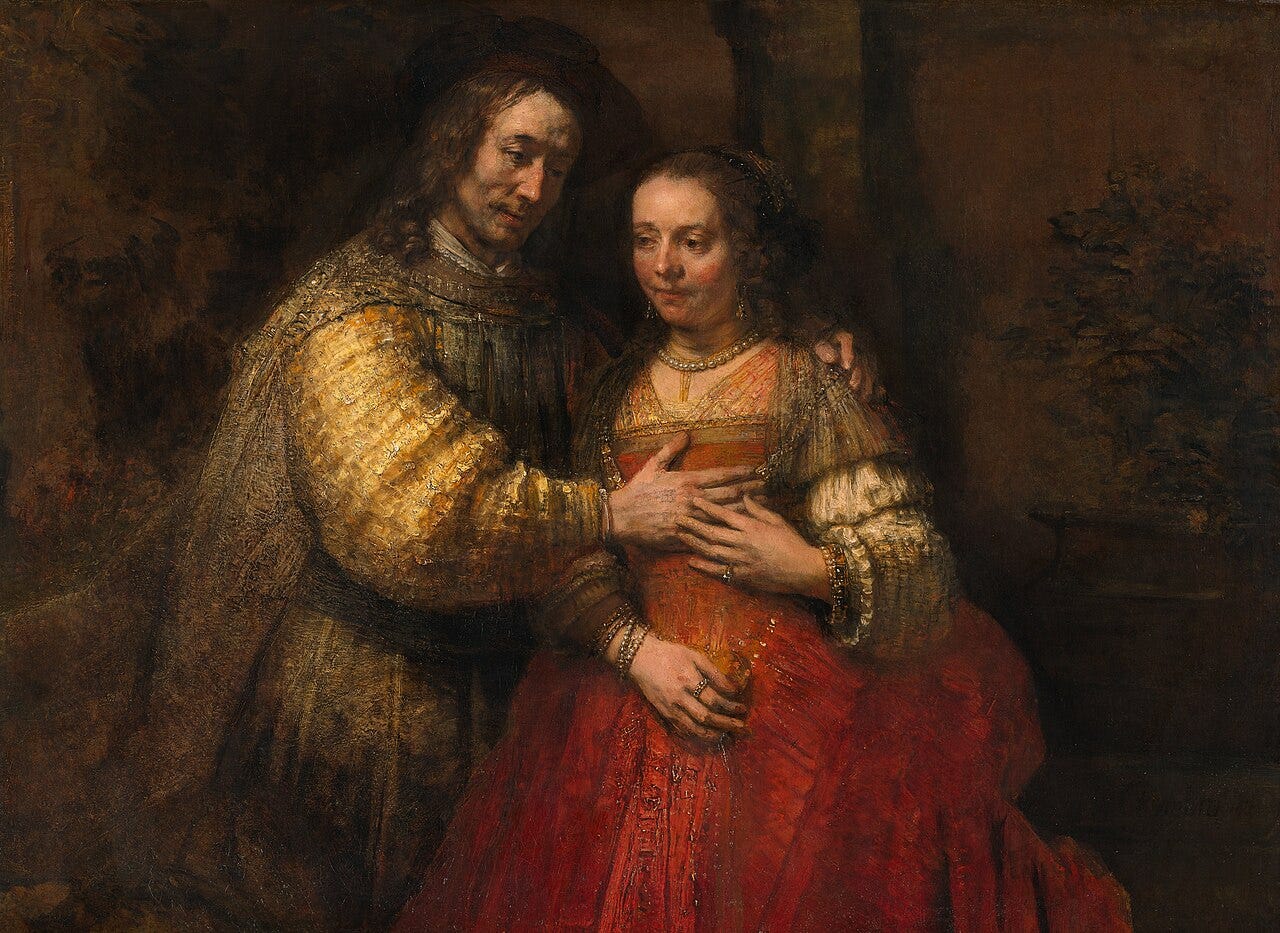
In his late portraits he built the brightest areas, a lace collar, a gold sleeve, an old forehead, out of thick, crusty lead white, while the shadows stayed thin and smooth. Up close it looks almost crude, a mess of ridges. Step back and those raised flecks catch the light and seem to glow from within. It is chiaroscuro made physical, light you can touch. There is far more to see in the rest of Rembrandt's story.
He did not paint the light. He built it.
Van Gogh's weather
With Van Gogh, impasto became pure feeling.
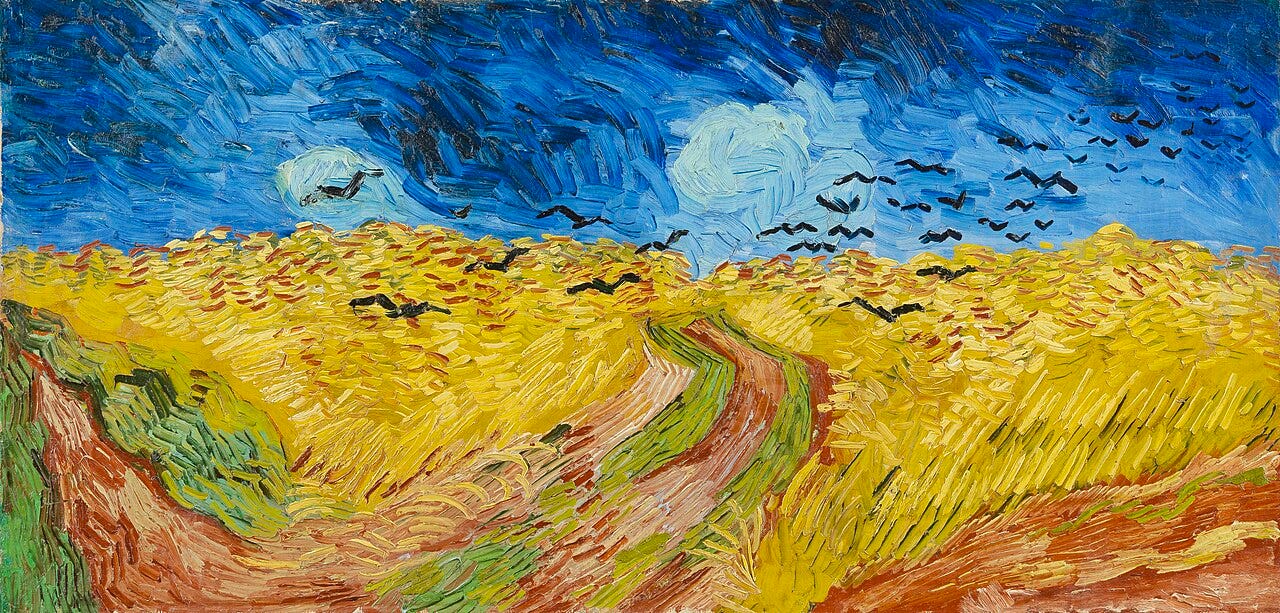
He squeezed paint straight from the tube and dragged it into thick, swirling lines, so a sky churns and a sunflower bristles. The texture carries the emotion: you can see how fast and how hard he worked. His surfaces are so loaded that conservators still study them ridge by ridge. The whole arc of Van Gogh's life is written in that thickness.
The paint does not describe the wind. It becomes the wind.
Texture as meaning
Impasto is never just showing off.
A thick stroke says speed, force, urgency. A smooth passage beside it says calm. By controlling where the paint stands up and where it lies flat, an artist directs your eye and sets the emotional temperature. The texture is part of the subject, not a decoration on top of it.
Flat or raised is a choice, and the choice means something.
You can see both in person. Van Gogh’s Sunflowers is in the National Gallery in London, and Rembrandt’s Jewish Bride is in the Rijksmuseum.
Common questions about impasto
What is impasto? Paint applied thickly enough to stand off the surface and keep the marks of the brush or knife.
Why do artists use it? For texture, energy and the way raised paint catches real light, and to show the hand at work.
Who is famous for it? Rembrandt, Frans Hals and above all Vincent van Gogh.
What tools make impasto? A loaded brush or a palette knife, with thick oil or acrylic paint.
Does the thickness mean anything? Yes. Thick strokes read as fast and forceful, smooth ones as calm, so texture carries emotion.
The one kind of painting with a shadow of its own
Almost every painting is an illusion painted on a flat plane.
Impasto breaks that rule. The ridges are real, the little shadows they cast are real, and on a sunny wall the picture changes through the day as the light moves across its surface. It is the closest painting comes to sculpture, a flat art that quietly stands up and refuses to stay flat.