Jusepe de Ribera: The Complete Story

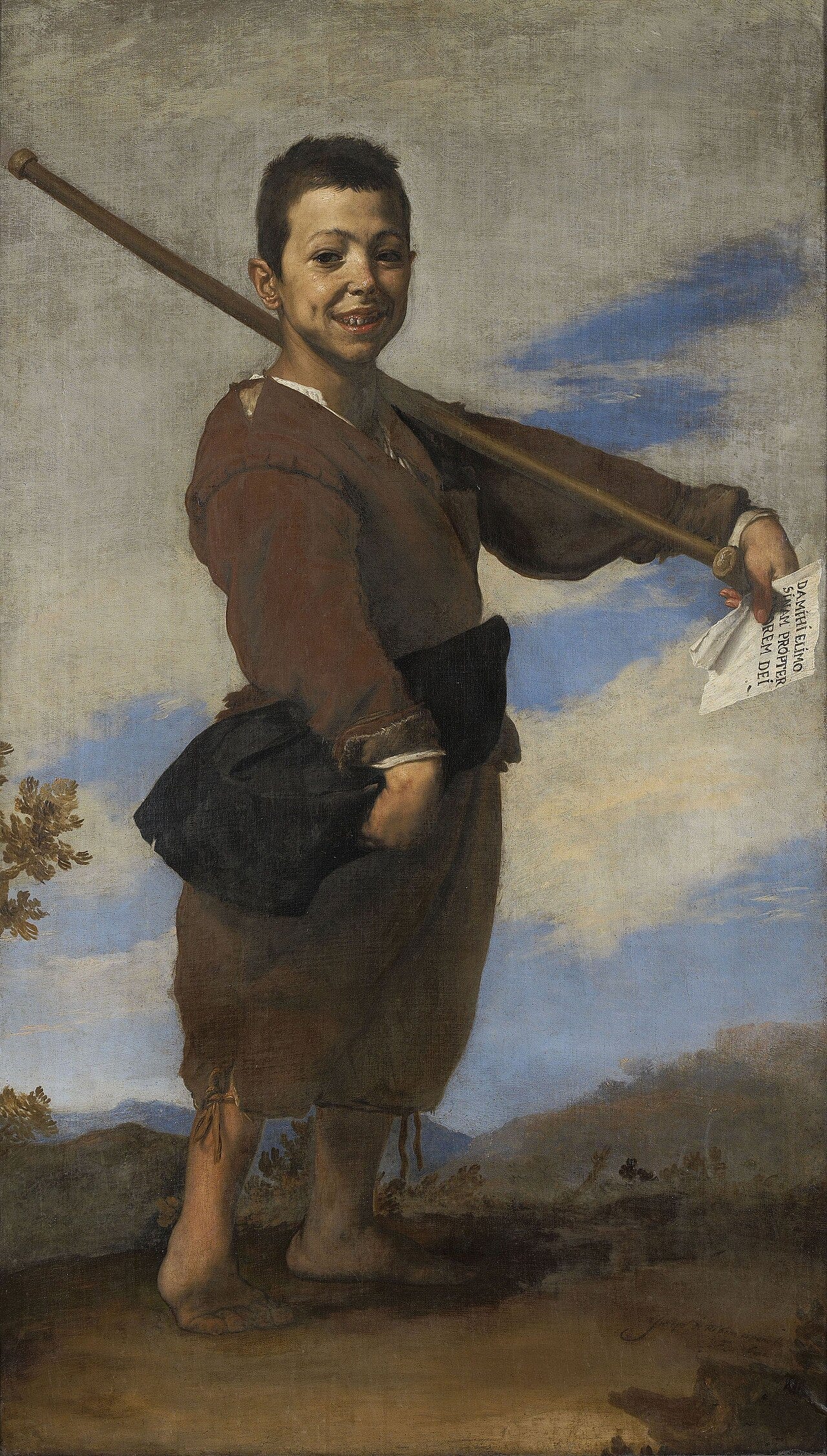
A boy with a twisted leg grins straight at you, a crutch over his shoulder, painted with the dignity once reserved for kings. The painter was Jusepe de Ribera, a Spaniard who made his name in Naples and brought the raw shadows of Caravaggio to a new pitch of intensity.

The Clubfoot, 1642 by Jusepe de Ribera
Jusepe de Ribera, The Clubfoot, 1642

He was one of the great masters of the Spanish and Neapolitan Baroque, famous for harsh light, deep shadow and an unflinching honesty about the human body.


The dark side of the Baroque, free in your inbox.


The heir of Caravaggio

Ribera worked in Naples, then ruled by Spain, where the influence of Caravaggio was strong. He took that style of dramatic darkness and pushed it further, with rough textures and pitiless light.

His mastery of tenebrism made him a leading figure of Baroque art in southern Italy.

The cruelty and the dignity

Magdalena Ventura, the bearded woman by Jusepe de Ribera
Jusepe de Ribera, Magdalena Ventura, the bearded woman

Ribera painted martyrdoms and tortures with brutal realism, never hiding pain or age. Yet he gave his subjects, even beggars and outcasts, a real human weight.

His painting of a smiling clubfooted boy treats a poor disabled child with warmth and respect, a startling choice for the time.

The woman with a beard

a martyrdom of a saint by Jusepe de Ribera
Jusepe de Ribera, a martyrdom of a saint

One of his most extraordinary works shows Magdalena Ventura, a woman with a full beard, nursing her baby beside her husband. It was painted as a record of a real person seen as a wonder of nature.

Strange and tender at once, it is one of the most unusual portraits of the entire Baroque, and refuses easy mockery.

The philosophers in rags

Ribera also painted ancient philosophers as ragged, weathered old men, wrinkled, gap toothed and utterly real, a long way from idealised antiquity.

He was a gifted draughtsman and etching artist too, and his prints spread his dark, exacting manner far beyond Naples.

Common questions about Ribera

What is he known for?

Dark, realistic Baroque paintings of saints, martyrs, beggars and philosophers.

Where did he work?

Mostly in Naples, then ruled by Spain, where he spent his career.

What was his nickname?

Lo Spagnoletto, the little Spaniard.

When did he die?

In 1652, in Naples.

Why his honesty still cuts

Ribera looked hard at pain, age and difference, and painted them without flinching or sneering. In an age of grand idealised heroes, he insisted that a beggar boy or a bearded mother was worth the full force of his art.


110,000 readers get the story behind the art every week. Join free.


He settled in Naples so completely that Italians claimed him as one of their own, and he supplied the Spanish viceroys with paintings that travelled back to fill the royal collections in Madrid. That double life, Spanish by birth and Neapolitan by craft, is why his name sits in two national stories at once. He was admitted to a Roman academy and honoured by the pope, rare recognition for a foreign painter, and his influence ran deep into later Spanish art, helping prepare the ground for Velazquez and Murillo. His dark, exacting saints became models that Neapolitan and Spanish painters copied for generations after his death. His paintings filled the churches and palaces of Naples, then the largest city in Italy, and travelled home to Spain in the baggage of returning viceroys, so that a Spaniard who never worked in his homeland came to shape the look of Spanish painting from afar. His rare bearded woman portrait, painted on commission, still hangs in a foundation in Toledo, where it draws visitors who come to puzzle over one of the strangest images in all of Spanish art.


Get more art secrets and stories in your inbox, free.